At a glance
Better corporate video starts with the basics: audible dialogue, a visible subject and an edit viewers can follow. Plan camera movement, lighting and framing around what you need to show. Check the background and sound before recording, then match colour, levels and pacing across the edit. Choose each technique to suit the audience and message.
In this guide
The quality of corporate videos depends on several practical choices: how clearly viewers can hear the dialogue, see the subject and follow the edit.
Plan the look and sound around the subject, filming environment and intended use. The sections below explain what to check before filming and during the edit.
Use movement with intention
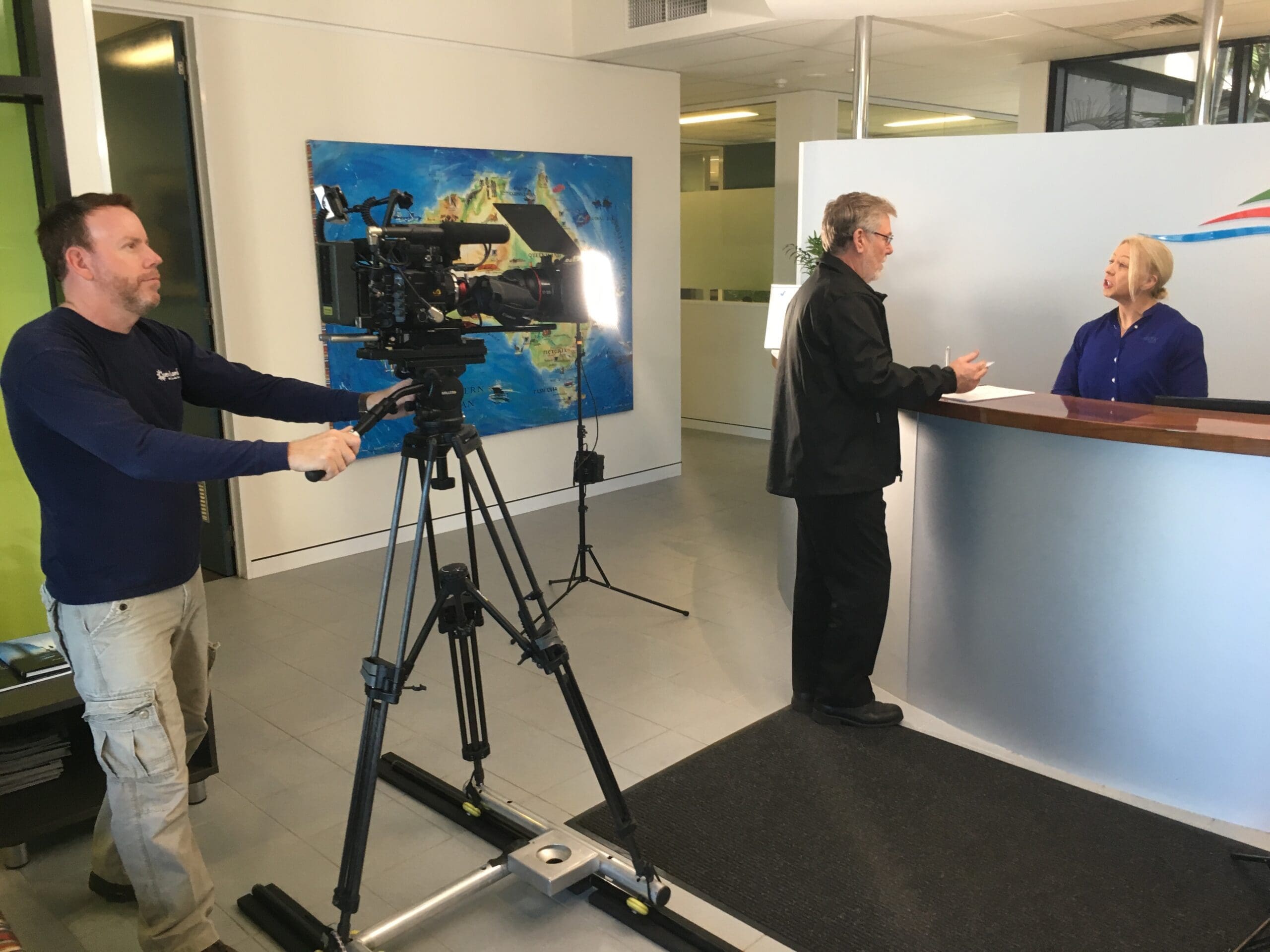
Use camera movement to reveal something or follow an action. A moving shot might show the scale of a workshop or follow a person through a process.
Check that viewers can follow the action throughout the move. Avoid movement that makes an important detail difficult to see.
In many corporate settings, it helps to keep camera movement restrained. Interviews and key messages benefit from stability and clarity. Movement works best when it supports the story rather than calling attention to itself.
Lighting shapes perception
Lighting plays a significant role in how a video is perceived.
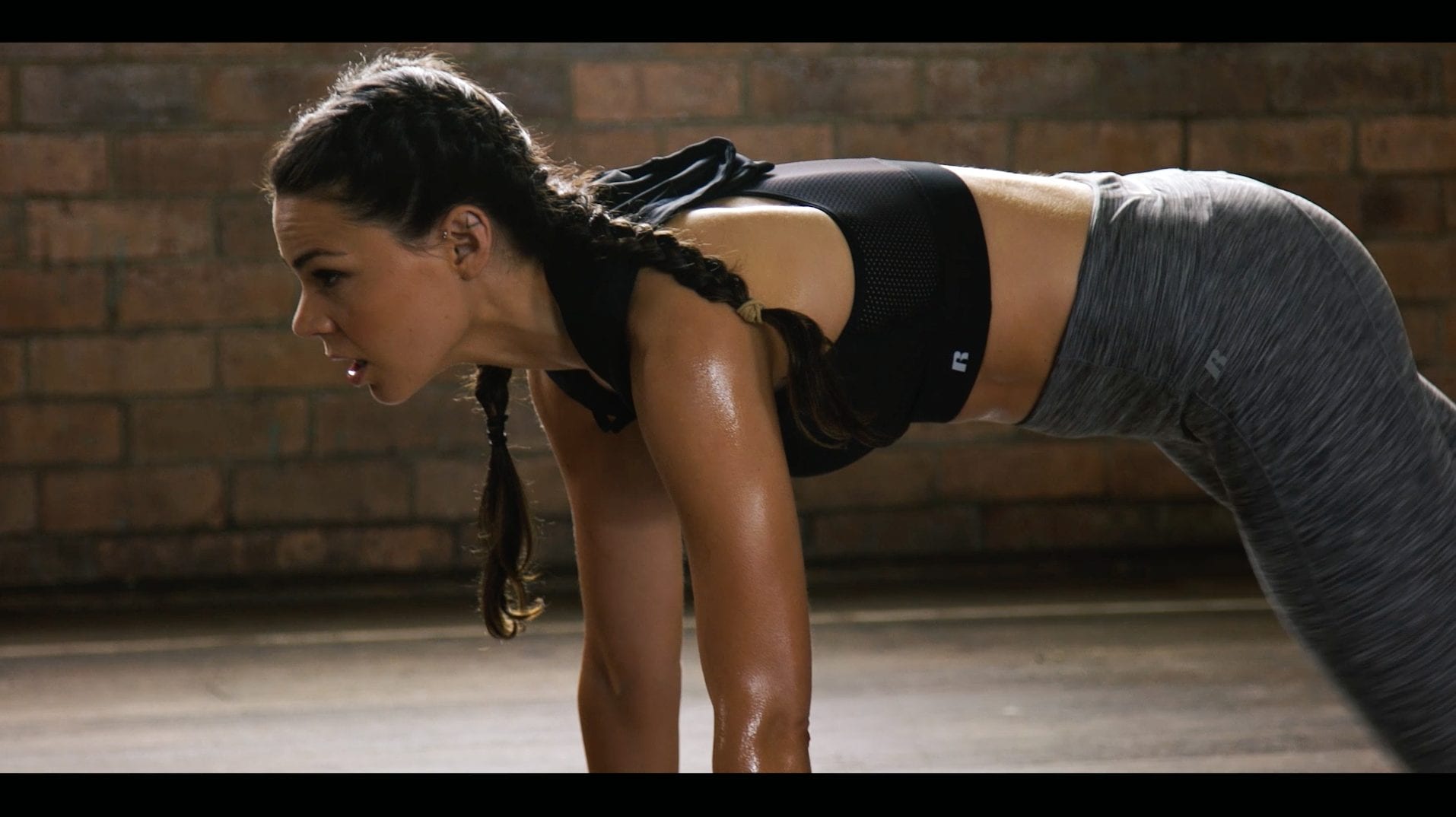
Well-considered lighting creates depth, separation, and focus. It can separate a person from the background and make faces, products and actions easier to see.
Production value does not require excess. Simple contrasts between light and shadow, attention to background detail, and consistency across shots often do more for the image than a complicated setup.
Before recording: Check for reflections in glasses, changing window light and distracting bright areas in the background.
Use composition and focus to guide attention
Visual clarity helps viewers stay focused on the subject.
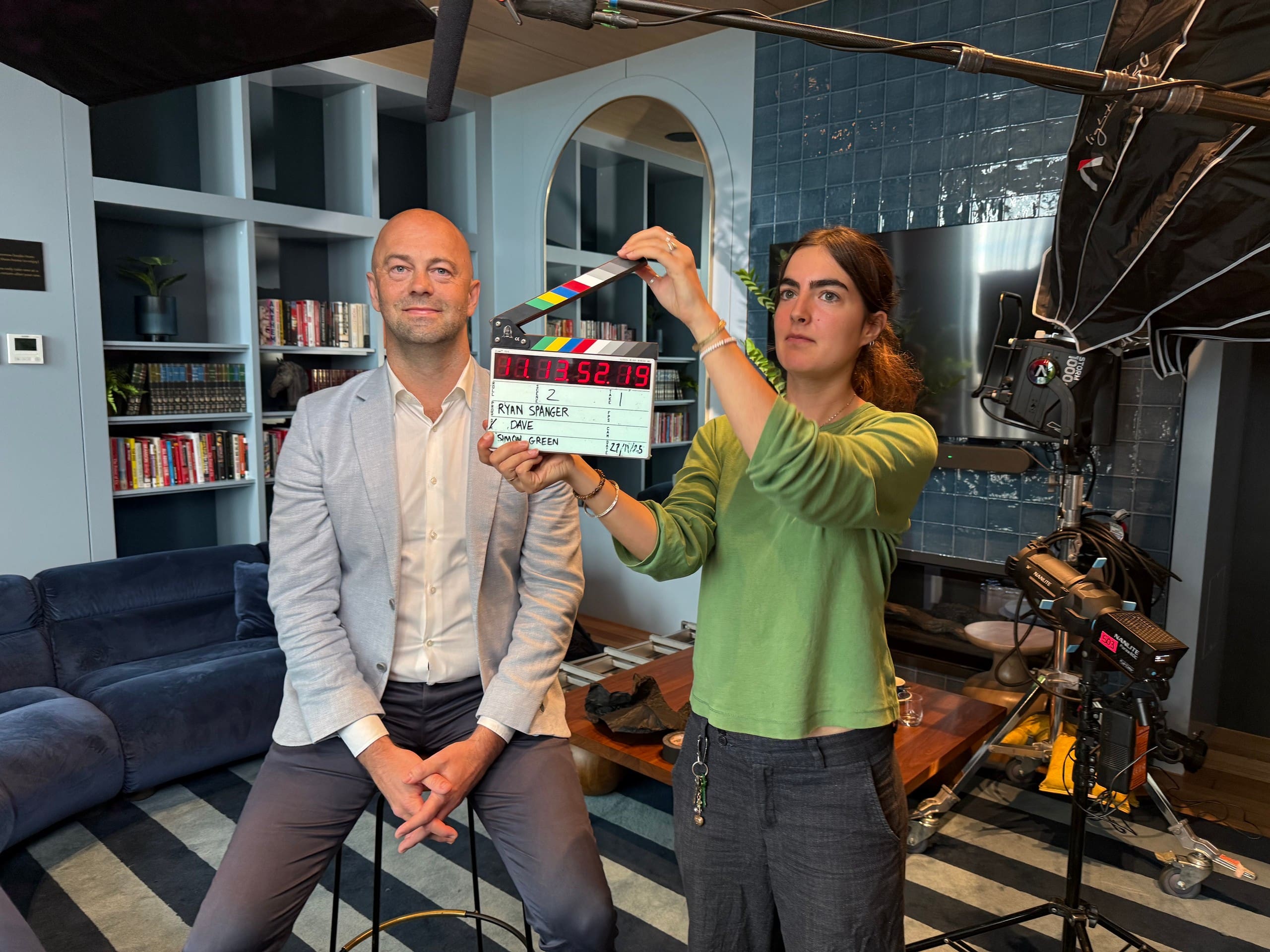
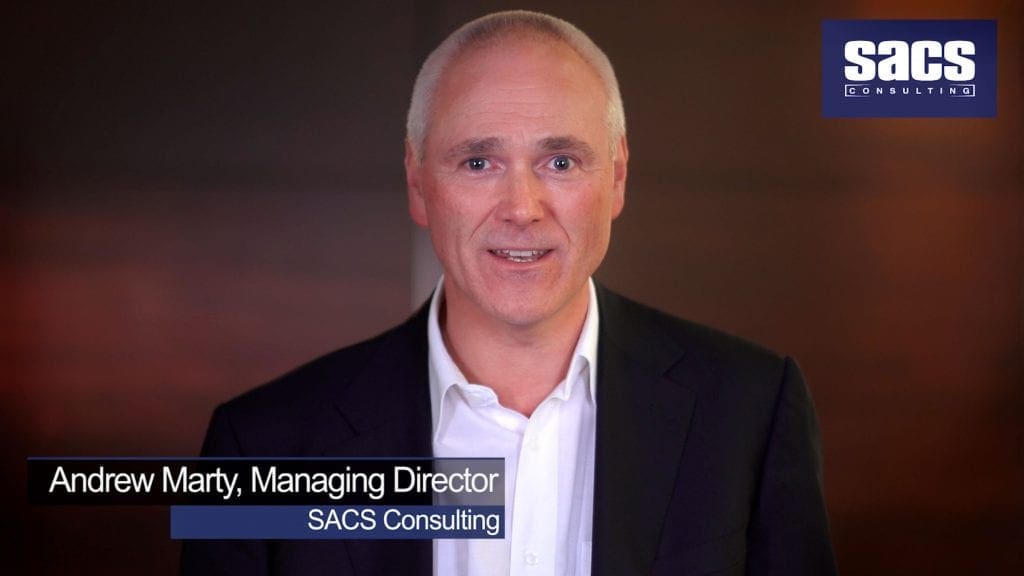
Frame the person or action so viewers can see the important details. Remove distracting objects from the background and check the edges of the frame.
When your video is built around an interview, the corporate documentary guide explains how to connect the contributor’s story with the pictures you need to film.
Check focus where the action happens. A very blurred background may suit an interview, but a demonstration needs enough of the process in focus to be understood.
Sound is part of production value
Sound quality has a direct impact on how professional a video feels.
Clear dialogue, controlled background noise, and appropriate music all contribute to the overall experience. Poor sound is immediately noticeable and undermines even the strongest visuals.
Music and sound design should reinforce tone and pacing without overwhelming the message. Listen on headphones and ordinary speakers to check that music does not mask the dialogue.
Post-production should support consistency
Editing and finishing are where structure and tone are finalised.
Check colour and sound levels across shots, especially when footage comes from different cameras or locations.
Post-production choices should reflect the brand and the context in which the video will be used.
For more on planning the cut, see how to make a case study video, including how interviews and supporting footage work together.
Production value is a judgement call
Choose techniques according to what the audience needs to see and hear. For an interview, a quiet room and well-placed microphone may matter more than a moving camera. For a product demonstration, allow time for close-ups of the controls and action.
How Dream Engine approaches production quality
At Dream Engine, we plan the camera, lighting, sound and edit around the brief.
We agree on visual references before filming and check that the planned shots cover the actions, people and details the video needs to explain.
To discuss the filming and editing approach for your corporate video, you can contact Dream Engine here.
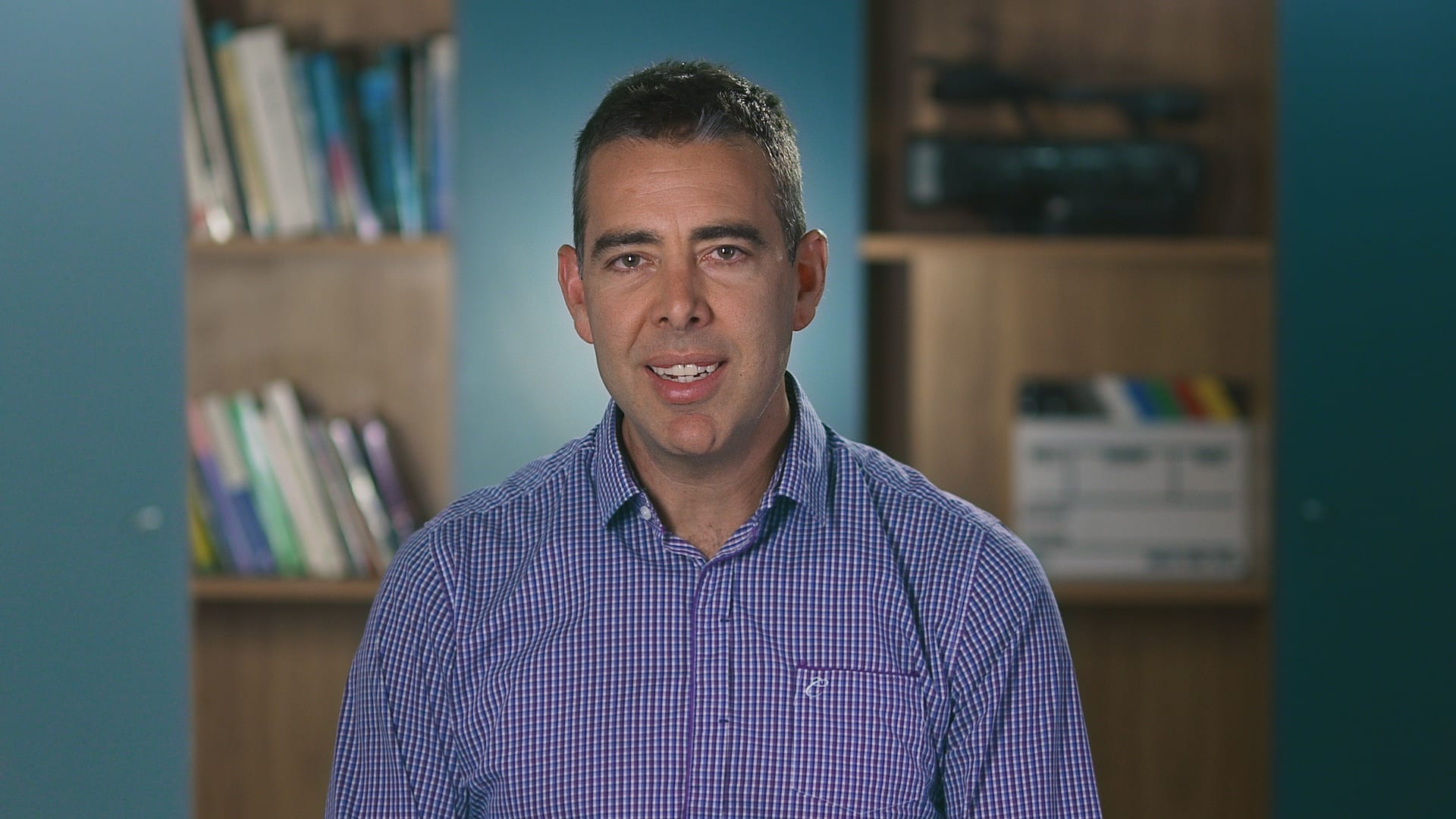
Ryan Spanger is the founder and managing director of Dream Engine, a Melbourne video production company established in 2002. Over the past two decades, he’s produced hundreds of videos for businesses, government departments, universities and healthcare organisations across Australia. Ryan specialises in helping organisations explain complex ideas through clear, engaging video content, with particular experience in corporate communications, training and education.