Most organisations create a video, publish it once, share it a few times, and then move on. The problem is that every video shoot captures far more content than most people ever use.
Interviews, b-roll, customer stories, event footage, demonstrations, speaker moments and behind-the-scenes material often remain untouched after the final edit is delivered. Video repurposing is the process of turning that existing footage into additional assets for your website, social media, email marketing, sales activity and internal communication.
With the right approach, one video can become a useful library of content that supports your business for months. It is one of the simplest ways to increase the value of footage you have already paid to create.
Below is a video where I talk through some of these ideas. It was originally recorded several years ago, but the core principles still apply. In fact, the growth of LinkedIn video, short-form content, webinars and internal communication has made video repurposing even more valuable today.
Why Repurposing Matters
Every shoot captures more material than the final edited video. Interviews, b-roll, sound bites, extra takes, strong insights, reactions and cutaways often sit on a drive after the project is complete.
Repurposing helps you reach new audiences, create fresh content without new filming, improve the return on your original investment, keep your message visible on multiple platforms and build a longer-term content library for marketing and sales.
Instead of relying on a single finished video, you create a steady flow of purposeful content from material that already exists.
What Types of Videos Can Be Repurposed?
Almost any professionally filmed content can be repurposed. This includes event videos, customer testimonial videos, brand story videos, training videos, webinar recordings, internal communication videos, product demonstrations and conference presentations.
Even if the original project was created several years ago, the footage may still contain valuable insights, customer stories, clear explanations and useful visual material. A strong interview answer, a good product demonstration or a well-shot sequence can often be reused in a new context.
For example, footage from a conference can become short speaker clips, social media posts, sales follow-up content or a longer recap video. You can read more about this approach in our article on how to get more value from event video content.
Ways to Repurpose and Refresh Your Existing Videos
Create Short Form Cutdowns
Modern platforms reward short, focused content. From one long interview, brand story or event video, you can create thirty-second cutdowns, vertical versions for social platforms, key insights as standalone clips, pull quotes with b-roll and short highlights for LinkedIn or email.
This is often the easiest way to multiply the life of your footage. A single interview can contain several strong moments that work better as short clips than as part of one longer edit.
Build a Content Library From Your Footage
Many businesses only ever use the final edited video. A more useful approach is to build a searchable content archive that includes interview footage, b-roll, sound bites, product demonstrations, event moments and customer stories.
Organisations that regularly produce video often organise their footage by topic, speaker, project or campaign. This makes it easier to create future videos, social media content, presentations and marketing assets without starting from scratch each time.
This is the same system we have built for clients including Mosaic Private, Oracle Group and PACT. Once the footage is organised properly, it becomes much easier to reuse it across future campaigns.
Re-edit and Modernise Older Videos
Trends change. So does pacing, text style, music, branding and the way people expect videos to open. A video from a few years ago may still contain strong content, even if the edit now feels dated.
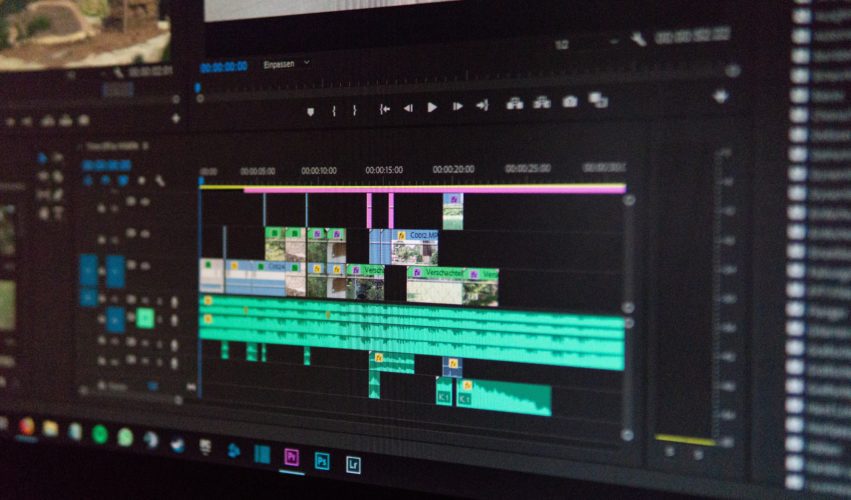
Older videos can often be refreshed with a new edit, updated graphics, a stronger opening, a revised call to action, modernised music, faster pacing and removal of anything outdated. This helps you reuse strong material that may no longer match your current brand or communication needs.
If you have existing footage that is no longer performing as well as it once did, professional video editing services can help create new versions, update branding, improve pacing and develop additional content from the material you already have.
Create Platform-Specific Versions
Each platform has its own style and expectations. A video created for your website will often need to be edited differently from a video made for LinkedIn, YouTube, email or a sales presentation.
LinkedIn usually works best with short, clear clips that get to the point quickly. YouTube often needs stronger titles, thumbnails and pacing. Website videos should feel polished and focused, while email videos need to be short enough for busy people to watch.
One piece of footage can often be adapted into several platform-specific versions without reshooting. This gives you more practical use from the same original project.
Refresh Thumbnails, Titles and Openings
Sometimes your video does not need a full new edit. It may simply need a better entry point. A stronger thumbnail, more specific title, updated first ten seconds or clearer opening can make the video feel more relevant.
These small updates can improve engagement and watch time, especially on platforms where people decide within seconds whether to keep watching. It is worth reviewing older videos to see whether the content is still good, but the presentation is holding it back.
Turn Interviews Into Multiple Assets
Filmed interviews often contain far more material than the final video uses. A customer interview, staff interview or subject matter expert interview can be turned into full testimonial videos, short highlights, topic-specific clips, quote graphics, text articles and case study content.
Every interview contains more value than people realise. The key is to review the footage carefully and identify the strongest ideas, stories and moments that can work as separate pieces of content.
Distribute Your Content Widely
A video that only lives on your homepage is unlikely to deliver its full value. Repurposed clips can also be used on LinkedIn, YouTube, email newsletters, event follow-ups, paid campaigns, sales decks, webinars and training systems.
The more useful places your video appears, the more value you extract from the original shoot. Distribution should be considered part of the video strategy, rather than something that happens after the edit is finished.
A Simple Question to Ask Yourself
Before investing in another video project, review the footage you already have. Many organisations are sitting on hours of valuable content that could be turned into social clips, case studies, website content, training resources, sales tools or updated marketing videos.
Ask yourself: Have we fully used the content we already have?
In many cases, the answer is no. Repurposing existing footage is often one of the most cost-effective ways to create new content. If you would like help reviewing and repurposing your existing video library, Dream Engine can help.
Need Help Repurposing Existing Video Footage?
If you have hours of interviews, event footage, customer stories or marketing videos sitting unused on a hard drive, there may be more value in that content than you realise.
Dream Engine helps organisations create new edits, social media cutdowns, updated marketing videos, training content and content libraries from existing footage learn more about our video editing services.
Repurposing Video Content – Frequently Asked Questions
What is video repurposing?
Video repurposing involves taking existing footage and turning it into new content such as cutdowns, vertical videos, testimonial clips, social media videos, updated edits or platform-specific versions.
Do I need to film new content to repurpose my videos?
Not necessarily. Many new pieces of content can be created from interviews, b-roll, event footage, unused takes or older videos that are still relevant.
Which types of videos can be repurposed?
Event videos, testimonial videos, brand story videos, training videos, webinar recordings, product demonstrations and internal communication videos can often be repurposed into new content.
Can older videos be refreshed?
Yes. Updating graphics, pacing, music, branding, titles and calls to action can make older videos feel more current and useful again.
Is video repurposing cost-effective?
Yes. Repurposing uses material you already have, which can reduce production costs and increase the value of your original shoot.
Can Dream Engine help repurpose my footage?
Yes. We help businesses turn existing footage into content libraries, short-form clips, vertical videos, refreshed edits and platform-specific versions.
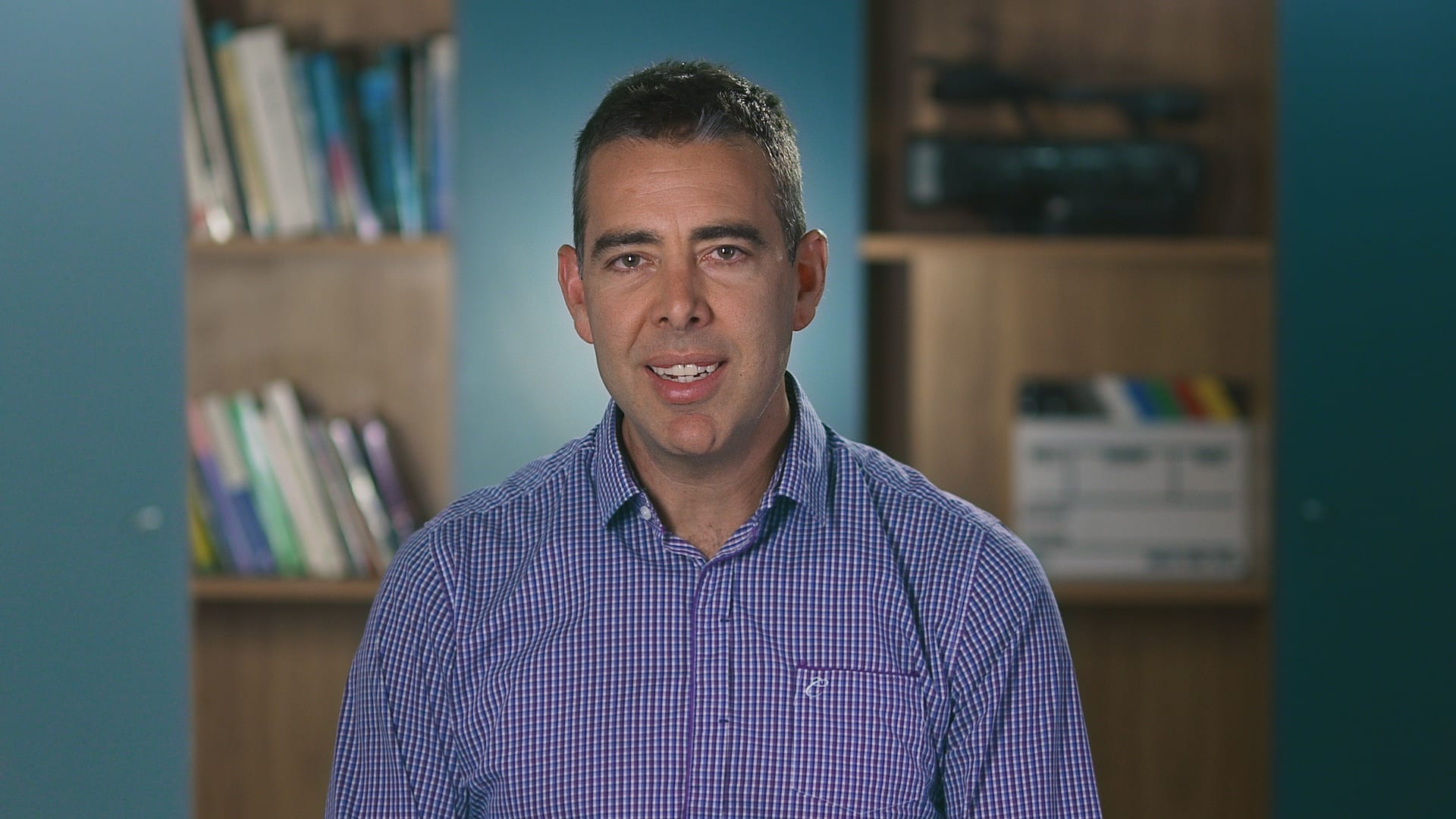
Ryan Spanger is the founder and managing director of Dream Engine, a Melbourne video production company established in 2002. Over the past two decades, he’s produced hundreds of videos for businesses, government departments, universities and healthcare organisations across Australia. Ryan specialises in helping organisations explain complex ideas through clear, engaging video content, with particular experience in corporate communications, training and education.