Good framing is one of the simplest ways a camera operator can use to make your videos feel more intentional and more professional. It shapes how people read a scene, how much emotion you reveal, and how much context you choose to include. Yet many people overlook it. They focus on the message and forget the visual choices that support it.
Framing is not complicated. It just requires attention. Here are some practical ways to use it well, with examples from real shoots.
Why people ignore framing
When someone is new to video, they usually place the camera in front of them and start talking. Their attention is on the words. The background, angle, and composition become an afterthought.
But framing is part of the message. It influences how people feel about the person on screen, how much trust they have, and how clearly they understand the story.
Close framing for emotion
Example: Shaun Tan interview
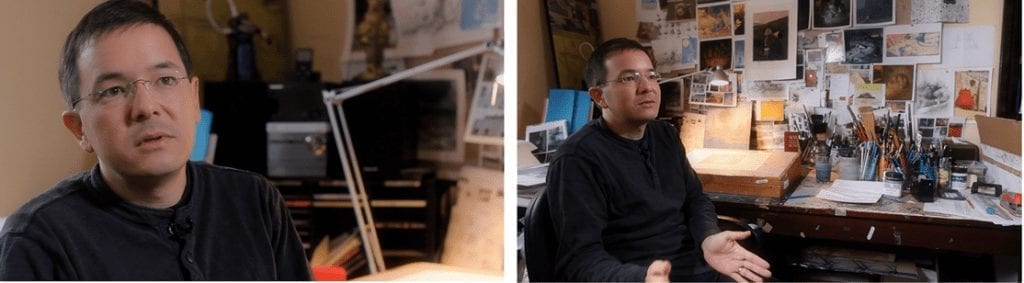
During an interview with Oscar winner Shaun Tan, I filmed from two angles.
The first shot was a medium close up. This draws the viewer in. It focuses their attention on Shaun’s face and expression. A shot like this creates emotion and connection. The background becomes secondary. What matters is the person and what they are saying.
A close shot works when the story is personal or when you want to bring the audience closer to the subject’s thoughts.
Wider framing for context
The second angle in the Shaun Tan interview was a wider shot inside his animation studio. You can see the drawings, artwork, and materials around him. It gives a sense of place. You understand the environment that shapes his work.
Wide shots help the viewer see the world the subject belongs to. They add layers to the story that dialogue alone cannot deliver.
Your location shapes the story
Example: Gus Nossal interview
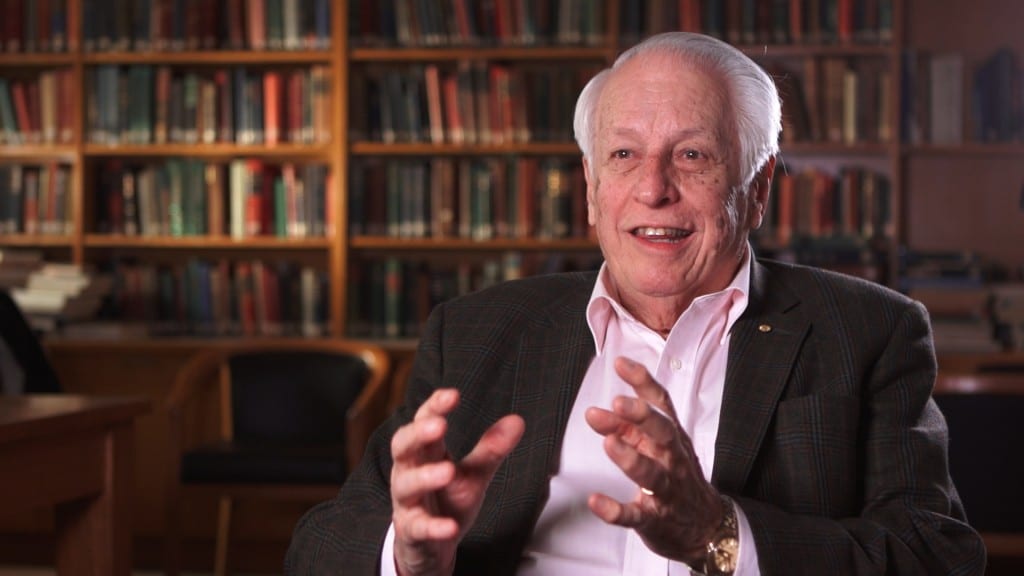
I once arrived at a shoot with Australian scientist Gus Nossal. The client proudly showed me a very small white room they thought would be perfect. If we had used it, we would have ended up with a plain white background and a shadow on the wall. No context. No story.
I asked to film in the library instead. The difference was immediate. A respected scientist surrounded by books communicates experience, credibility, and depth.
The framing supported the story far better than the blank room ever could.
Use your background as proof
Your background says something about you, even when you are not talking about it.
Example: Edit suite news update
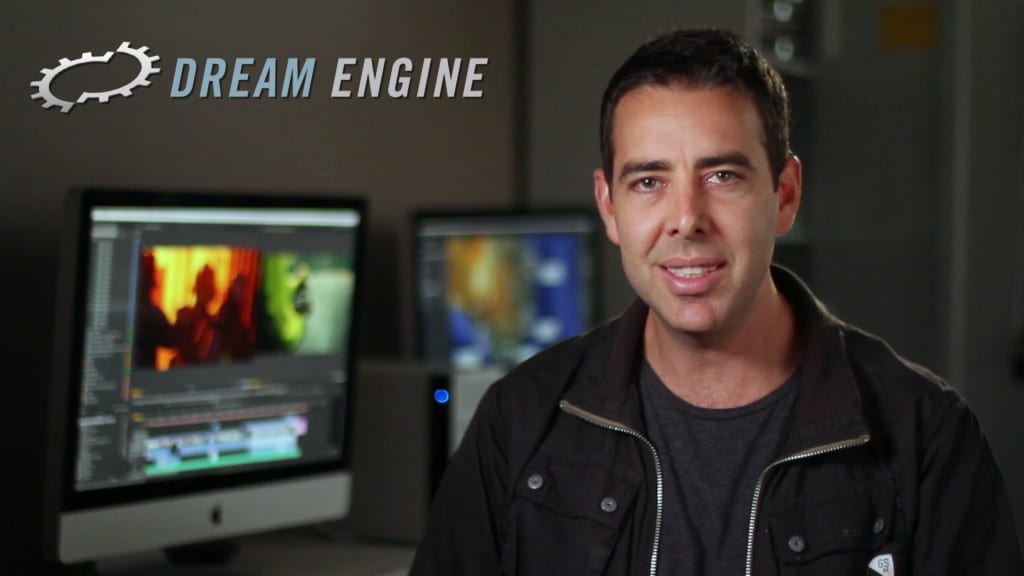
In one of my own updates, I filmed in the edit suite with screens behind me. Viewers instantly understand the environment I work in. It is congruent with the message. It adds proof. It feels natural.
When you film your own face to camera videos, ask yourself:
• What does the background say about me?
• Does it support the message?
• Does it show proof of the work I do?
• Does it feel intentional?
Small decisions like these make your videos more convincing.
Bring it together
Framing is not just a technical choice. It is a storytelling tool. You can use close shots for emotion. Wide shots for context. Locations that reinforce the message. Backgrounds that add proof and credibility.
When you think about framing before you hit record, your videos feel more thoughtful and more confident. They tell the viewer something about you without you having to say it.
If you need help improving the quality of your videos or want professional support, you are welcome to get in touch.
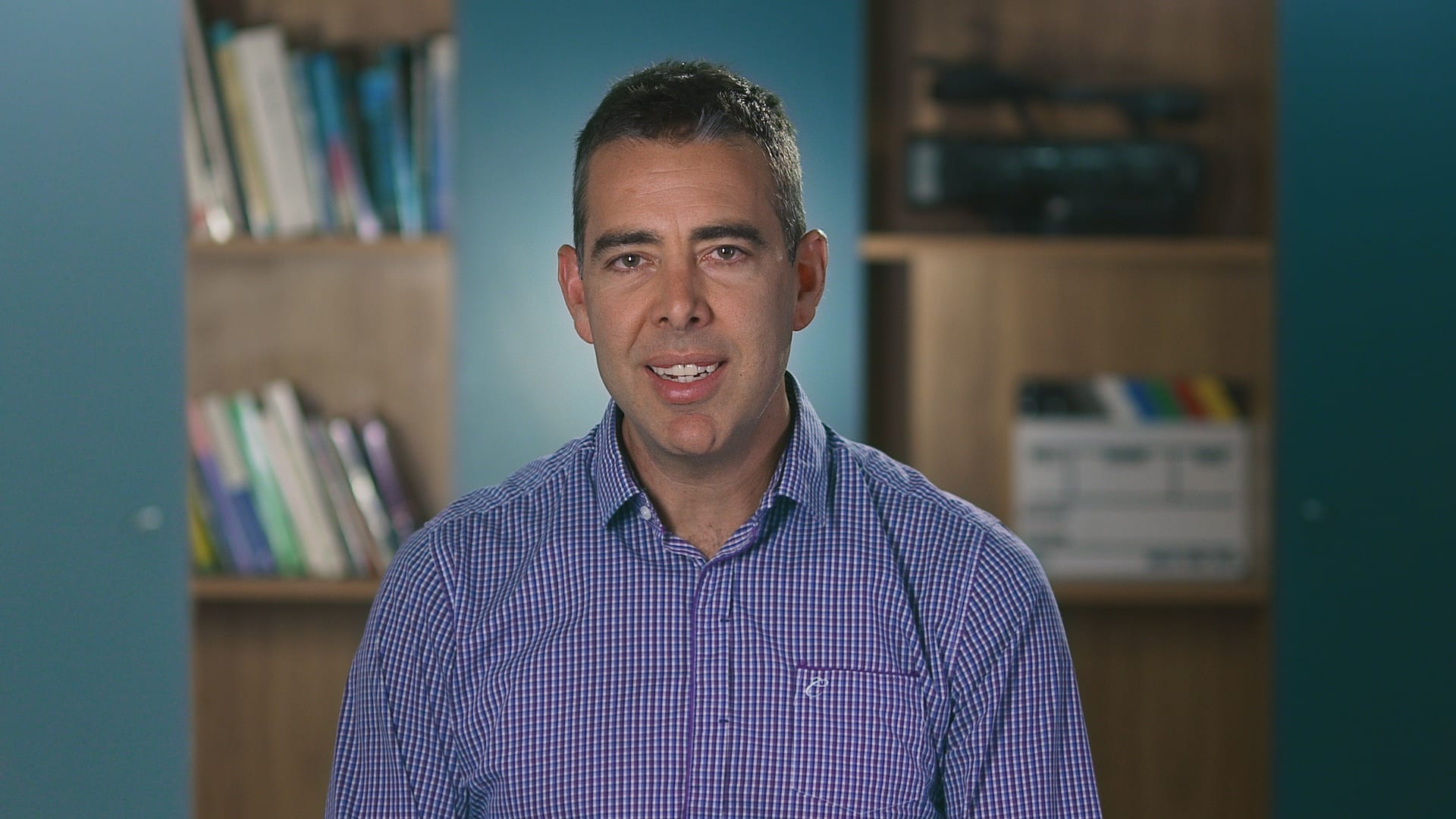
Ryan Spanger is the founder and managing director of Dream Engine, a Melbourne-based video production company established in 2002. With more than two decades of experience, Ryan has helped leading Australian businesses, government departments, and non-profits communicate their message with clarity and impact through video. He’s known for his strategic approach, reliable process, and commitment to producing videos that deliver measurable results.