Thought leadership videos are a useful way to stay connected to clients. By sharing what you know, you can answer their questions and give them a sense of how you approach your work.
I produce regular thought leadership videos because I enjoy video production. I’ve spent most of my career immersed in it. I’m still fascinated by the way video can hold attention, explain ideas quickly, and move people to act. These videos also give me a way to share what I’ve learned with clients and people considering a video project.
Education builds better relationships
Many of the clients I work with have limited experience with video production. By explaining how the production process works and sharing examples of past projects, we help them understand what is involved. That gives them a starting point for writing a brief, asking questions and discussing expectations before production begins.
Video works well for this because it communicates a lot in a short amount of time. You can show a process as you explain it, or use footage from a project to illustrate a point. When someone watches for several minutes, there is time to work through an idea or example. Answering those questions also helps clients feel more comfortable about the process.
Engagement is measurable
After committing to regular thought leadership videos, direct traffic to the Dream Engine website increased. That was encouraging, although direct traffic alone cannot tell us whether those visits came from an email, a social post or someone typing the address. It is useful to look at traffic sources alongside the content people viewed.
Bounce rates also fell and average time on site increased. These measures can help you review your strategic video marketing. They do not tell you whether the videos caused the changes or whether visitors were ready to buy. Consider them alongside relevant enquiries, client feedback and the questions people ask after watching.
Show how you think
When a buyer is choosing between providers, they want evidence of expertise. Clear explanations, thoughtful observations and practical insights give them something specific to assess. An example from a project can show how you applied your knowledge and what you learned.
Thought leadership videos let you talk through those examples and explain how you approach problems. Over time, viewers can become familiar with your experience and the way you work.
Staying top of mind without selling
Regular thought leadership videos give you a reason to stay in touch between projects. You can share advice or explain a development in your industry that is relevant to your clients. When the time comes for a client to start a new project, familiarity is already there. They have had opportunities to hear your perspective and see how you work.
Give viewers something useful to share
These videos are distributed across platforms such as YouTube, LinkedIn, and other social channels. A viewer may share a video because it answers a question or explains something a colleague is working on. A small audience of people who need your expertise can be valuable. Over time, those connections may lead to conversations, referrals and work.
A simple test
Watching a video through to the end can be a sign of interest. Comments, questions and follow-up conversations can tell you more about what viewers found useful. The aim is to make something helpful, clear and honest that answers a question your audience has. Use those responses to decide what to explain in your next video.
Turn your expertise into video content
If your organisation has valuable insights to share, a thought leadership video can help you explain them to clients, colleagues or others in your industry. At Dream Engine, we work with businesses, government departments and industry leaders across Melbourne to create corporate videos that explain their work and share their knowledge.
Explore our Corporate Video Production Melbourne services to see examples of our work and learn how we can help plan a video around the ideas you want to share.
Thought Leadership Video – Frequently Asked Questions
What is a thought leadership video?
A thought leadership video shares expertise, insight, or perspective rather than promoting a product or service. Its purpose is to educate, build trust, and demonstrate how a business thinks and approaches problems.
How is thought leadership video different from promotional video?
Promotional videos focus on offers and services. Thought leadership videos focus on ideas, experience, and clarity. They are designed to build credibility over time rather than drive immediate sales.
How long should a thought leadership video be?
Two to five minutes can be a useful starting point for a video covering one idea. Use the time you need to explain it, and check where viewers stop watching to decide what to shorten or develop further.
How often should thought leadership videos be published?
Choose a publishing schedule you can maintain. Some businesses publish weekly, others monthly. A sustainable schedule that allows for quality and clarity is more effective than irregular bursts of content.
Do thought leadership videos need high production values?
They need to be easy to watch and hear. Clear audio, suitable framing and editing that keeps the explanation moving are a good foundation. The production approach should suit the topic and where the video will be used.
What business results can thought leadership videos support?
They can help prospective clients understand your approach and give existing clients useful information between projects. You can assess their contribution by looking at relevant enquiries, client feedback and engagement with the topics you cover.
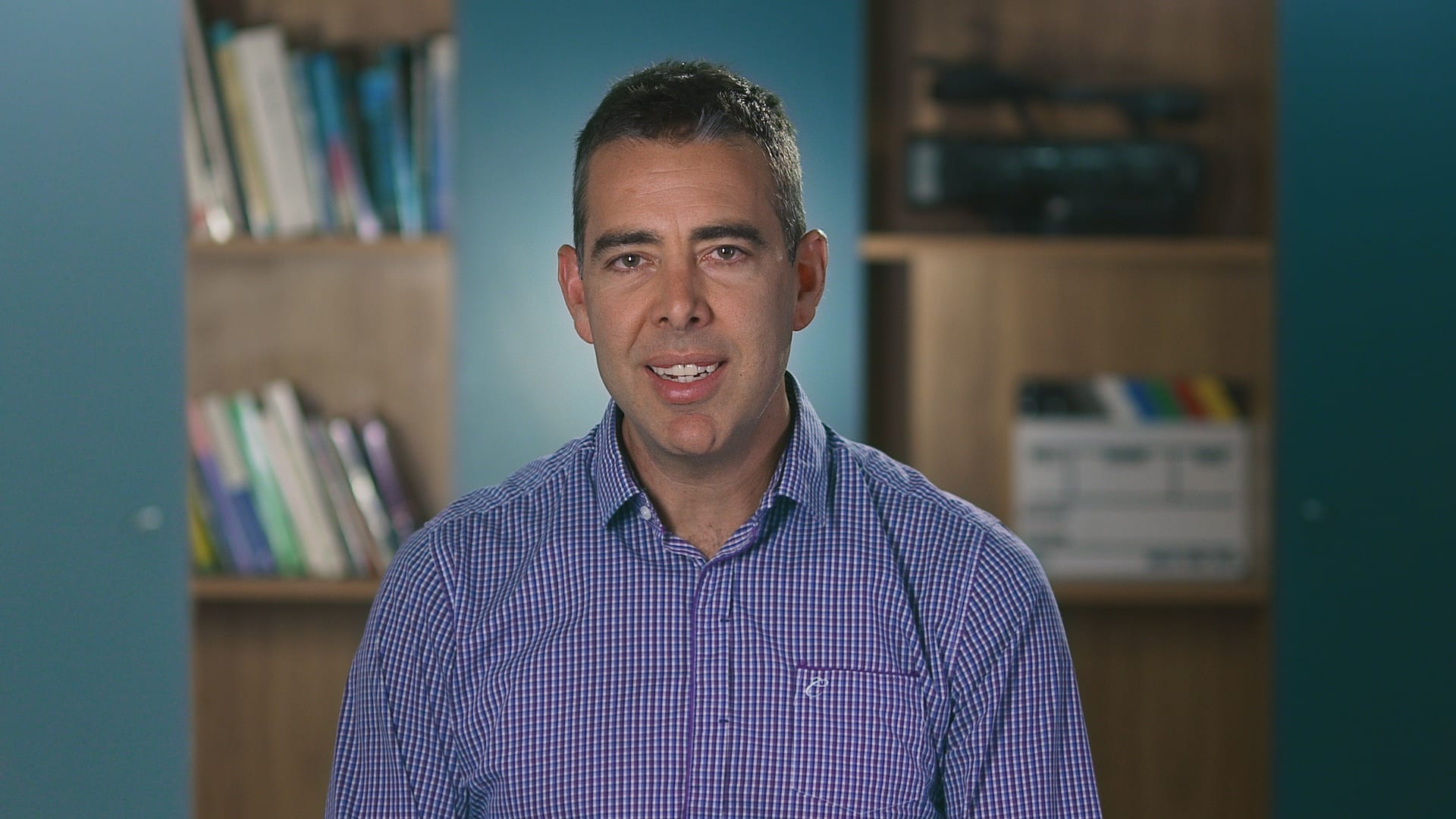
Ryan Spanger is the founder and managing director of Dream Engine, a Melbourne video production company established in 2002. Over the past two decades, he’s produced hundreds of videos for businesses, government departments, universities and healthcare organisations across Australia. Ryan specialises in helping organisations explain complex ideas through clear, engaging video content, with particular experience in corporate communications, training and education.