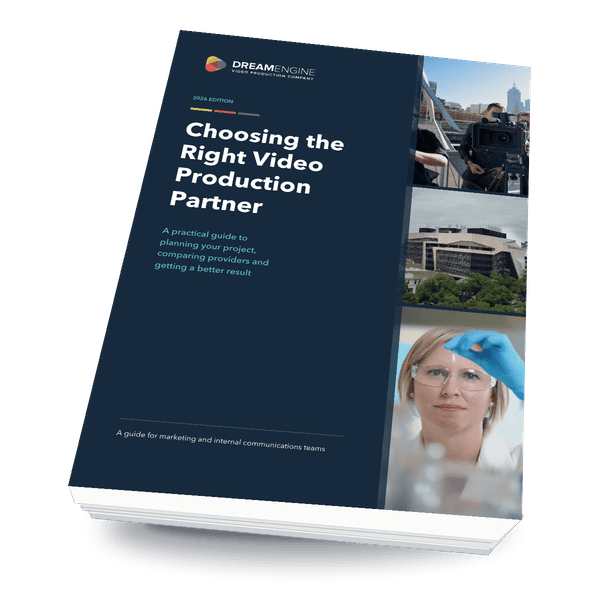
If you’re reading this post, there’s a good chance that you’re in the process of choosing a corporate video production company in Melbourne. This is an important decision. By not getting it right, it will be costly, both in the amount of time you invest, as well as your money, or the money of the company you’re representing. Making the wrong decision will impact on your reputation among the people you work with, and report to. And it will make it harder to achieve your goals. So, while there are no iron-clad guarantees, you can significantly reduce your level of risk by being aware of these factors when choosing a Melbourne corporate video production company:
Track Record
Find out which companies they’ve worked with, and view examples of the videos. Read testimonials and case studies. Ask the video production company how they’ve solved challenges for companies just like yours. Request contact details of current customers to find out directly what their experience has been. A video production company that regularly achieves successful results will have plenty of evidence to support their claims.
Insurance and Compliance
Does the video production company have all of the necessary insurance such as public liability insurance? Has their equipment been tested and tagged to conform to all safety requirements. While incidents arising from this are rare, it’s important for you to assure yourself that the company that you work with is prepared for contingencies, should they occur.
Backup and Archiving
Ask the production company you’re talking to how they safeguard your video material. If they don’t backup your video and keep a second copy offsite, there’s a risk factor: In the event of a drive failure, or fire, your video material that you have invested time and money into is unprotected.
Changes and additional work
Find out how many changes to the edit are included in the quote. It’s not unheard of for some video production companies to underquote to win the job, and then levy additional charges down the track.
Know who you will be dealing with
Find out who the project manager is. Make sure that the company is not simply booking the job, and then contracting it out to a third party. Your goal is to have the right video production delivered to you on time and budget. By choosing a corporate video production company in Melbourne that has strong safety procedures in place, you’ll be increasing the chances of a successful outcome.
Once production is underway, it also helps to recognise problems early. See the warning signs that you may be working with the wrong production company.
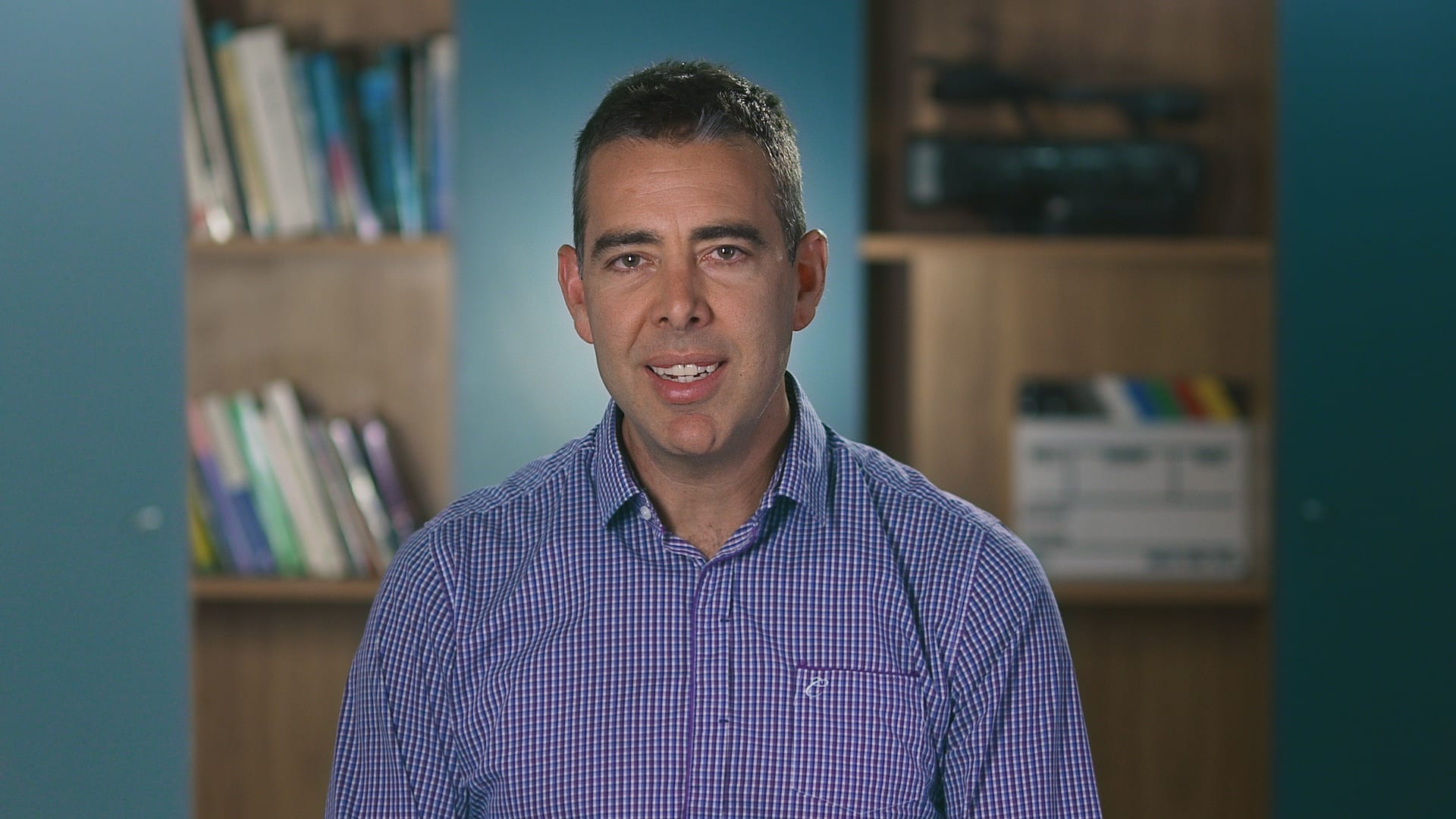
Ryan Spanger is the founder and managing director of Dream Engine, a Melbourne video production company established in 2002. Over the past two decades, he’s produced hundreds of videos for businesses, government departments, universities and healthcare organisations across Australia. Ryan specialises in helping organisations explain complex ideas through clear, engaging video content, with particular experience in corporate communications, training and education.