What is a corporate documentary?
A corporate documentary is a type of corporate video that tells an organisation’s story through interviews and footage of people at work. It can explore how the business began, a change it has been through or the people behind its work.
The people involved explain what happened and what it meant to them. Footage of the workplace gives viewers context for those accounts, showing the activities, locations and relationships being discussed.
Documentary showreel: A selection of our documentary work. Two complete founder documentaries follow later in this guide.
When a corporate documentary is useful
This style of video works well for organisations that want to:
- Introduce clients and stakeholders to the people behind the business
- Share their history or culture
- Record staff experiences and contributions
- Document a milestone or a period of change
When another format fits better
If your priority is a tightly timed announcement, a product demonstration or wording that must be delivered exactly, a scripted video may be a better fit. Choose the format around what the viewer needs to understand.
Why businesses choose corporate documentaries
The documentary approach gives you room to explain a subject through people’s experiences:
- First-hand accounts. Staff and clients can describe work they have been involved in and explain it with specific examples.
- Different perspectives. Interviews with people in different roles can show how they experienced the same project or change.
- Workplace detail. Filming people carrying out their work helps illustrate what they discuss in the interviews.
Studio1: connecting with entrepreneurs
Founder-led documentary. Two filming days across multiple locations.
Greg Merrilees’ main audience at Studio1 Web Design is entrepreneurs. His documentary tells the story of building his own business and the challenges he faced along the way. Prospective clients can recognise their own situation in his experience.
That shared experience gives Greg a way to connect with his audience. He understands the entrepreneurial journey because he has lived it himself. The film also puts Studio1’s website design service in context, as one part of helping an entrepreneur build a successful business.
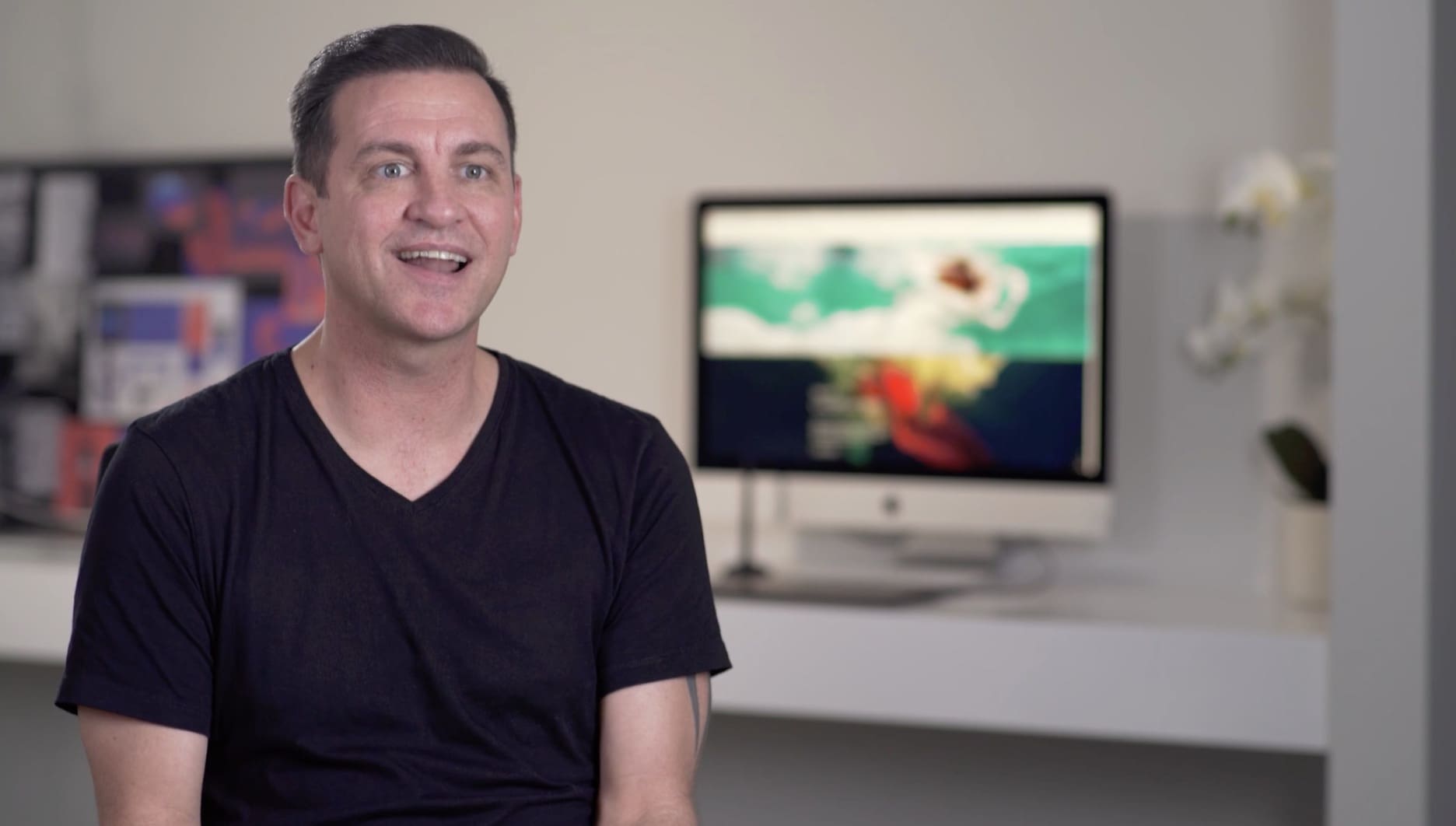
A moment to watch: 2:13. Greg connects the difficulties he faced in his own business with the challenges his clients face. The earlier account of borrowing money, supporting a family and keeping his designers employed gives that statement context. He has shown why he understands his audience before explaining how his service can help.
For your own film, start with what your audience is dealing with. Choose experiences that show why you understand those challenges, and let the relevance of your service follow from that story.
Watch the Studio1 documentary · 4 min 26 secNotice how Greg’s personal experience connects with the entrepreneurs he serves.
Read the Studio1 transcript
Design’s in my blood. So everywhere I go, I’m constantly looking. I just can’t help it. So if I notice signage on buses, on shop fronts, on billboards, that sort of thing, and it’s all part of, I guess, the culture of our business. All of our designers in our business do the same thing. So from that, we work out what’s working, what’s really current trend, and we just inject that into every design that we do.
I first started getting an interest in design when I was probably in year nine at school, and I realised I could draw, and that kind of evolved into airbrushing. I did an airbrushing course when I think I was in year 10, and then I started airbrushing people’s T-shirts and things like that at school. So we first started designing T-shirts for brands like Looney Tunes, Warner Brothers, and Disney, and all the Disney movies.
But then we started designing for fashion brands and surf wear brands. So because we had multiple levels of people that would give us feedback on our designs, it constantly taught us how to design on a commercial level to please those people. Once you see those designs printed on T-shirts and people wearing them in the street, it just gives you a sense of…
It’s quite humbling, really. The writing was on the wall because the whole clothing rag trade industry was going through a major shift, and that was that the retailers were going vertical and cutting out the middleman and the wholesaler. So now, at the time, I had an office full of full-time designers. We had a young family, and we had a mortgage, and we had bills, and I had to actually borrow money to stay in business, and it was quite a scary time.
I looked for a business coach that already had a successful online business. Then I just started learning everything I could from that business coach, and I learned about marketing funnels, and lead magnets, and conversions, and pretty much everything to do with growing an online business, growing a team, and all that sort of stuff. But this hasn’t been an easy journey for me in my business, so I understand the challenges that small businesses have, especially in the service industry.
And then gradually, we started getting known in the industry, and our name was spreading all around the world. And I realised that all of the marketing knowledge that I’d learnt over the years, we started applying to these websites, and people just started flocking to us because we married those two things together so well, marketing and really beautiful design. I was always an introvert and too scared to be on camera like this or too scared to be on stage.
And then the more I just pushed myself through that, raising my authority has attracted higher-level clients, and that in itself is so inspiring because we never thought we could reach that level of clients before. But now that we are, we’re seeing under the hood of their businesses, and we’re seeing their marketing funnels. And so that alone has given us even more ammunition to pour into every website that we design to get our clients a better result.
The problem I found with web design in general was that there were web designers out there that didn’t understand conversions or online marketing, and there seemed to be a big hole in the market, and that’s what a lot of clients say to us when they find us. It’s like, “Finally I found somebody that understands marketing and does really good-looking designs.” And now we’ve grown the team to over 20 people. I love the fact that we design for a lot of clients in the US and the UK and Europe, and pretty much everywhere in the world. And the whole reason for doing what we do is so that I can spend more time with my family, and that wouldn’t happen if we didn’t use our principles of website design, which is really leading with value, building trust, building your authority, having as much social proof on your website as possible, and attracting better quality businesses to you so that you essentially get leverage from your website, so you don’t have to do the hard sell ever. People are attracted to you like a magnet.
Sam Bashiry: choosing meaningful locations
Founder-led documentary. Two filming days across multiple locations.
In Sam Bashiry’s story, the locations help connect his personal history with the business he went on to build. We filmed at Broadband Solutions’ South Melbourne headquarters, in Melbourne’s CBD, where he began his working life, and in Parkville for sequences reflecting his early experiences in detention.
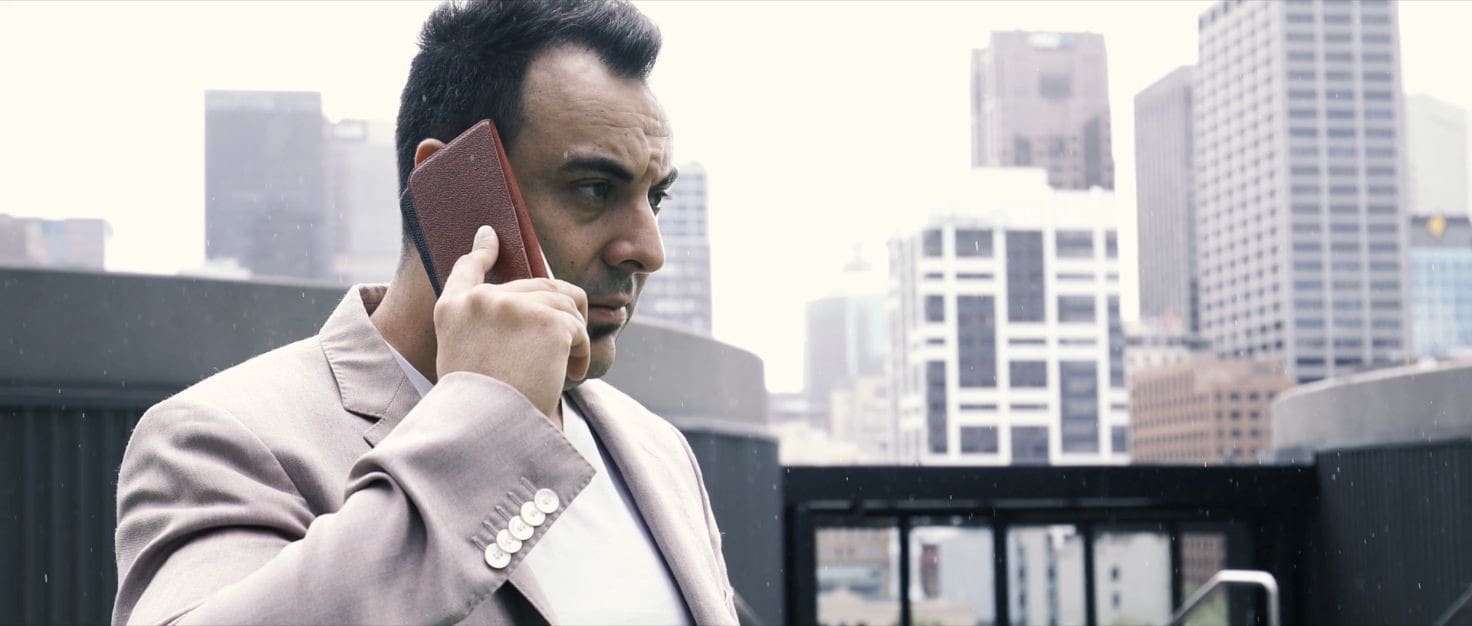
A moment to watch: 1:06. Sam remembers looking through fence after fence and wondering why freedom had to be so hard. That specific memory helps the viewer understand his experience. Choosing places connected to a story gives the filmmaker something meaningful to show alongside the interview.
For your documentary, consider which places help explain the story. A former workplace, a project site or somewhere connected to a turning point can give viewers context that a general office shot cannot.
Watch Against All Odds · 4 min 32 secNotice how the locations connect Sam’s personal history with his life in business.
Read the Sam Bashiry transcript
I remember my mum putting me to bed at night. I was around nine years old then. And then waking up to the loud sirens going off and seeing the fear in everybody else’s face. You could hear the missiles drop. And at that moment, you stop and think, “Thank God it wasn’t us this time.” I remember finally arriving to Australia, and I remember us being locked up in a detention centre and thinking, “Why? Why did it have to happen to us?”
I remember being outside and looking through fence, after fence, after fence, and thinking, “Why does freedom have to be so hard?” I remember going to school and being so different and not fitting in. And I remember going to university after and still struggling to work out what I wanted to do, not knowing where I wanted to be, what I wanted to really do.
And I remember being lost and just not being able to work out what it was that I was really passionate about. So I remember sitting in the car and thinking, “You know what? I’m actually going to do something about this. Enough is enough.” So I went and looked for a job, and I landed an interview in the city for a position in an IT company. And I remember it was only paying $7.50 an hour, but I didn’t care. It wasn’t about the money.
I was finally going to do something that I was passionate about. So after working there for a number of years, I thought, “You know what? There’s things that can be perhaps done better or in a different way.” But I had no say because I wasn’t in management. So I thought the only way I’m going to be able to do this is perhaps take a risk and do it on my own. I was fearful of having to step out of my comfort zone. That’s normal. We all are. But I thought, “You know what?
What have I got to lose?” Success is a funny thing. People see nice things and think, “You know what? It’s so easy.” But let me tell you, it’s not easy. I had to go through so many sleepless nights, so many long hours. When everybody finished work and went home, that’s when I started all over again at night. When you start to believe in yourself, you give out this energy, and people start to feel it.
And that’s when you know, “You know what? I think I’m going to be able to create something big.” People are fearful, fearful of change, fearful of doing something different. But at the end of the day, what’s there to be afraid of? It’s so easy to neglect yourself. We do everything for everybody else. The most important thing in life is investing in yourself, because if you invest in yourself, you become the best that you can become and learn to become fearless.
Time is one thing that you’re never, ever going to get back. So be wise, be smart, and do what you’re passionate about, because you’re never going to get that time back again. Your circumstances don’t define you. Your decisions and actions define you. Where you start doesn’t determine where you finish.
How we plan and film a corporate documentary
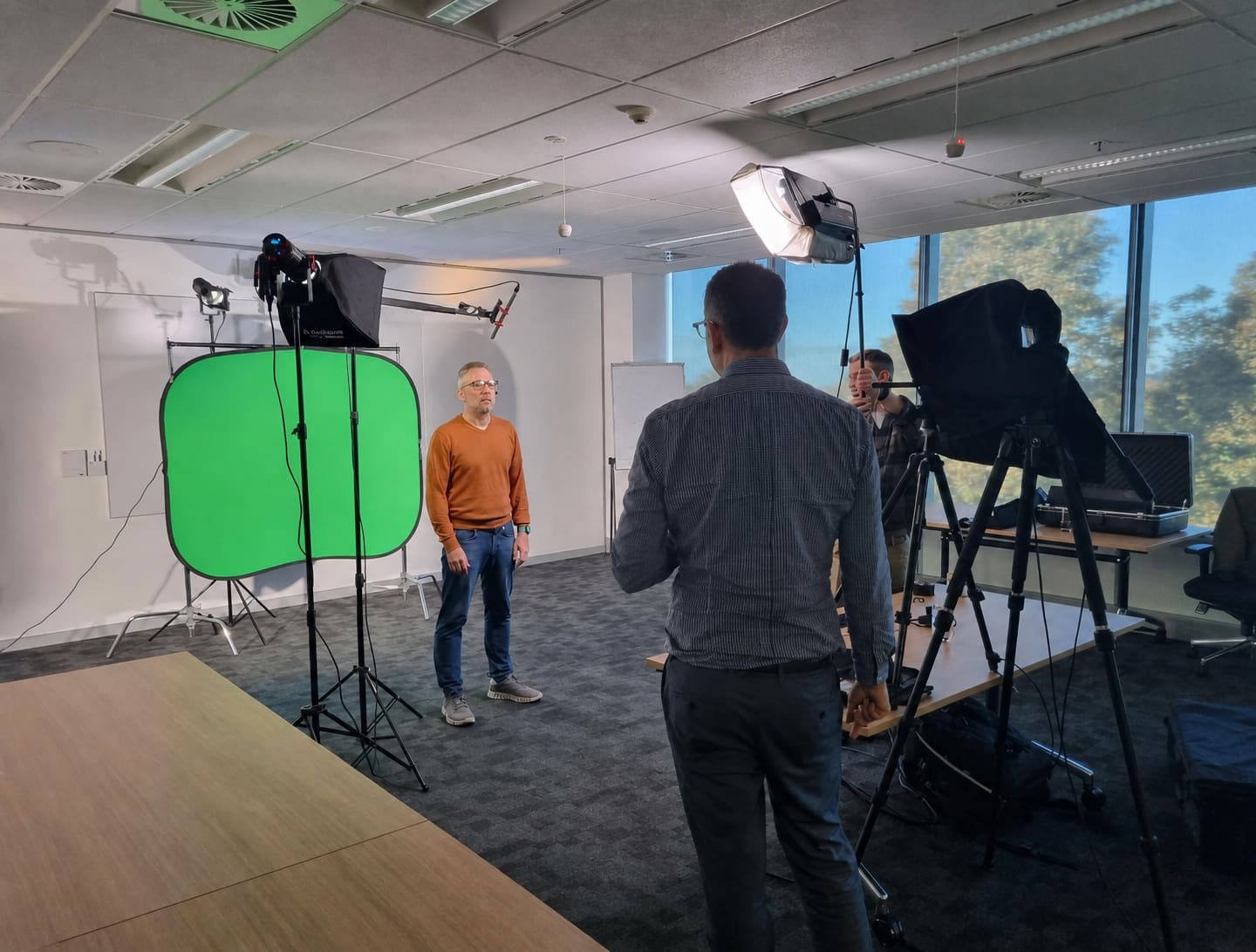
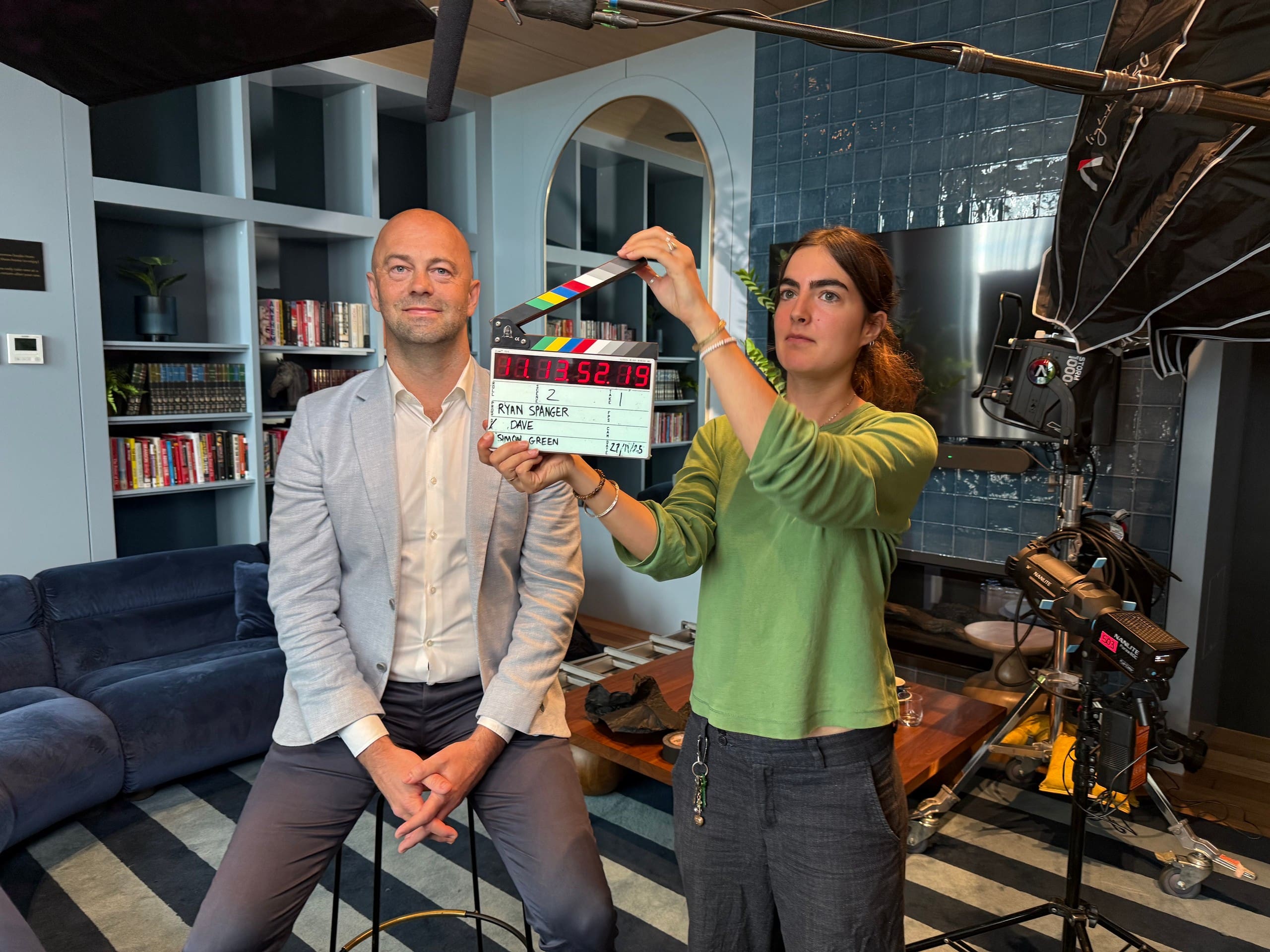
At Dream Engine, we begin by learning about your business, the audience and what you want the film to achieve. Our Melbourne video director helps shape the story, guides the interviews and works with the crew on the visual approach.
You can also read about Ryan Spanger, the filmmaker behind this guide and Dream Engine’s founder and managing director.
Choose a story you can show
Start with a particular milestone, change or important decision. Identify people who experienced it firsthand and can explain what happened. Then consider what we could film to support their accounts: work taking place, a project site or a location connected to the story.
This gives the interviews a focus and helps us plan useful footage. If the story covers events from the past, photographs or archive material you already hold may also help explain them.
Prepare for the interviews
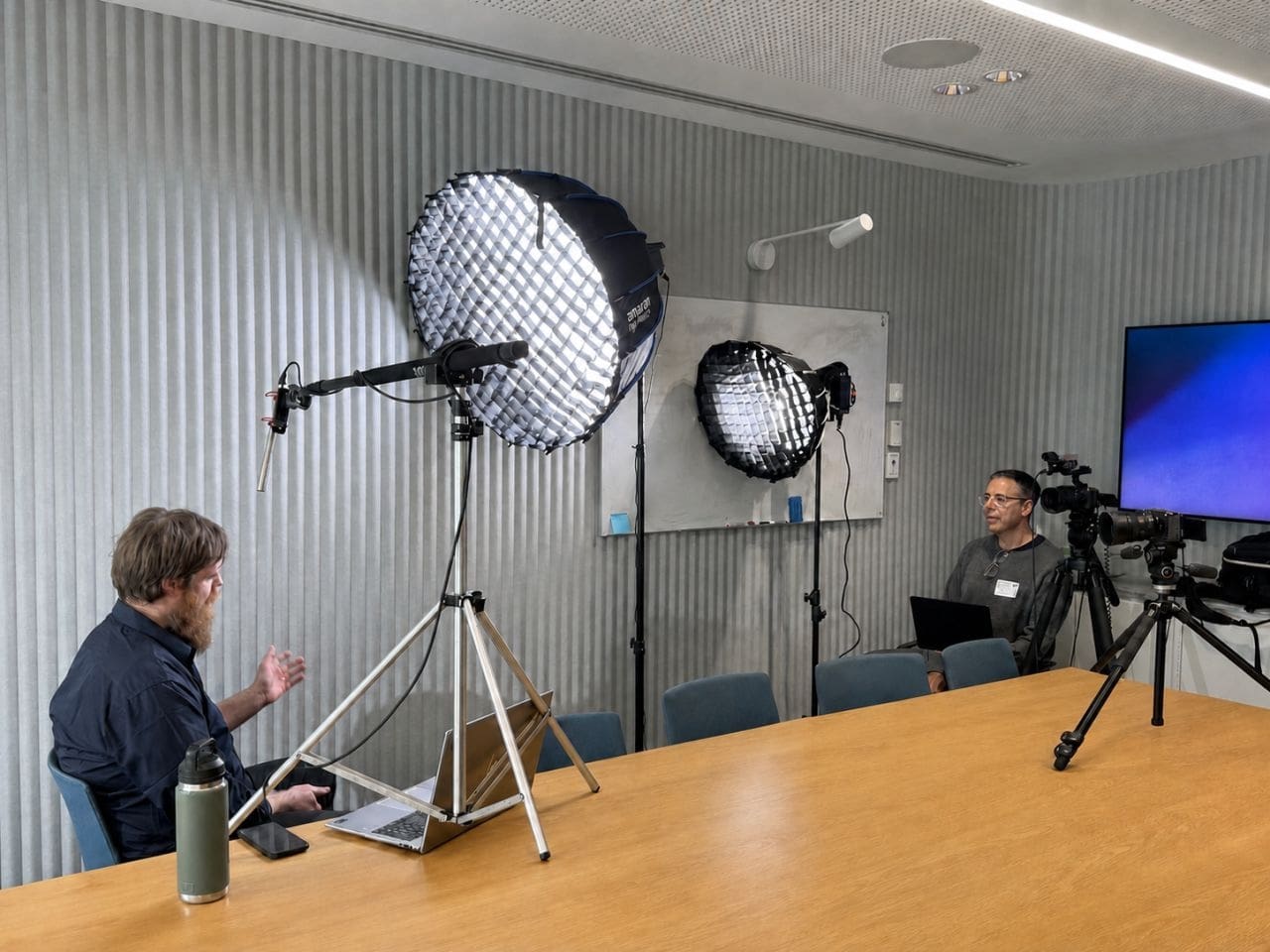
We plan the interview themes and questions together. Contributors can prepare ideas and examples without memorising answers. During filming, the interviewer follows up on useful points and gives people time to explain themselves.
We also capture relevant activity at your locations. In the edit, we bring the interviews and footage together so viewers can follow the story.
What you’ll receive
- An interview-driven story, filmed on location across Melbourne, regional Victoria or interstate
- Editing, colour grading and sound mixing
- Agreed versions for web, presentations or social media
A main film and shorter extracts can serve different audiences. Agree on the versions before filming so the interviews and footage cover what each version needs.
Budget and turnaround
For a corporate documentary like the examples here, budget AUD $8,000–$10,000 plus GST for planning, two filming days and editing. Allow 4–6 weeks from planning to delivery, including time for feedback and approvals.
The final quote depends on the locations, crew and agreed deliverables. Additional filming, travel or extra versions can change the cost. Discuss these requirements at the start so the scope and schedule are clear.
If you are exploring other storytelling formats, you may find our guide to case study videos helpful.
Where to start with your documentary
Greg and Sam’s films show how personal experience can help an audience understand the people behind a business. For your own documentary, start by thinking about who you want to reach, what you want them to understand and which experiences could help tell that story. Watch a few examples and note what feels right for your organisation. Then talk with a production company about your ideas, where you plan to use the film and your available budget. You don’t need a finished script to begin; that first conversation can help you work out what’s worth exploring and how to approach it.
Frequently asked questions
Corporate documentary Melbourne
Planning, interviews, filming and delivery.
How long should a corporate documentary be?
The two founder documentaries in this guide run for 4 minutes 26 seconds and 4 minutes 32 seconds. That gives you a useful reference for a focused personal story, rather than a fixed rule. Choose a working duration around the story, audience and where the film will be used, then refine it in the edit. A detailed company history may need longer, while a social media extract may be much shorter.
What is the difference between a corporate video and a documentary?
Corporate video is a broad category. A corporate documentary is usually interview-led and built around real people and observed footage. Other corporate videos may rely more on a script, presenter, animation or tightly controlled message.
Can you film across multiple locations?
Yes. Dream Engine regularly films across Melbourne and regional Victoria, and can plan interstate filming when the project requires it.
How long does production take?
Allow 4–6 weeks from planning to delivery for a documentary like the examples in this guide. Each involved two filming days, with additional time for preparation, editing and review. Contributor availability, access to locations and how quickly feedback is provided can affect the schedule. We agree on the milestones before production begins.
Who should appear in the documentary?
That depends on the story. A useful mix may include staff, leaders, clients or other stakeholders who can speak naturally and add a distinct point of view.
Do we need to prepare a script?
Usually not. We plan the interview themes and questions, then guide the conversation so people can answer in their own words. A written outline can still help everyone agree on the main messages.
How much involvement does our team need?
Your team normally helps with planning, approvals, interview availability and access to locations. Dream Engine manages the production and guides each stage.
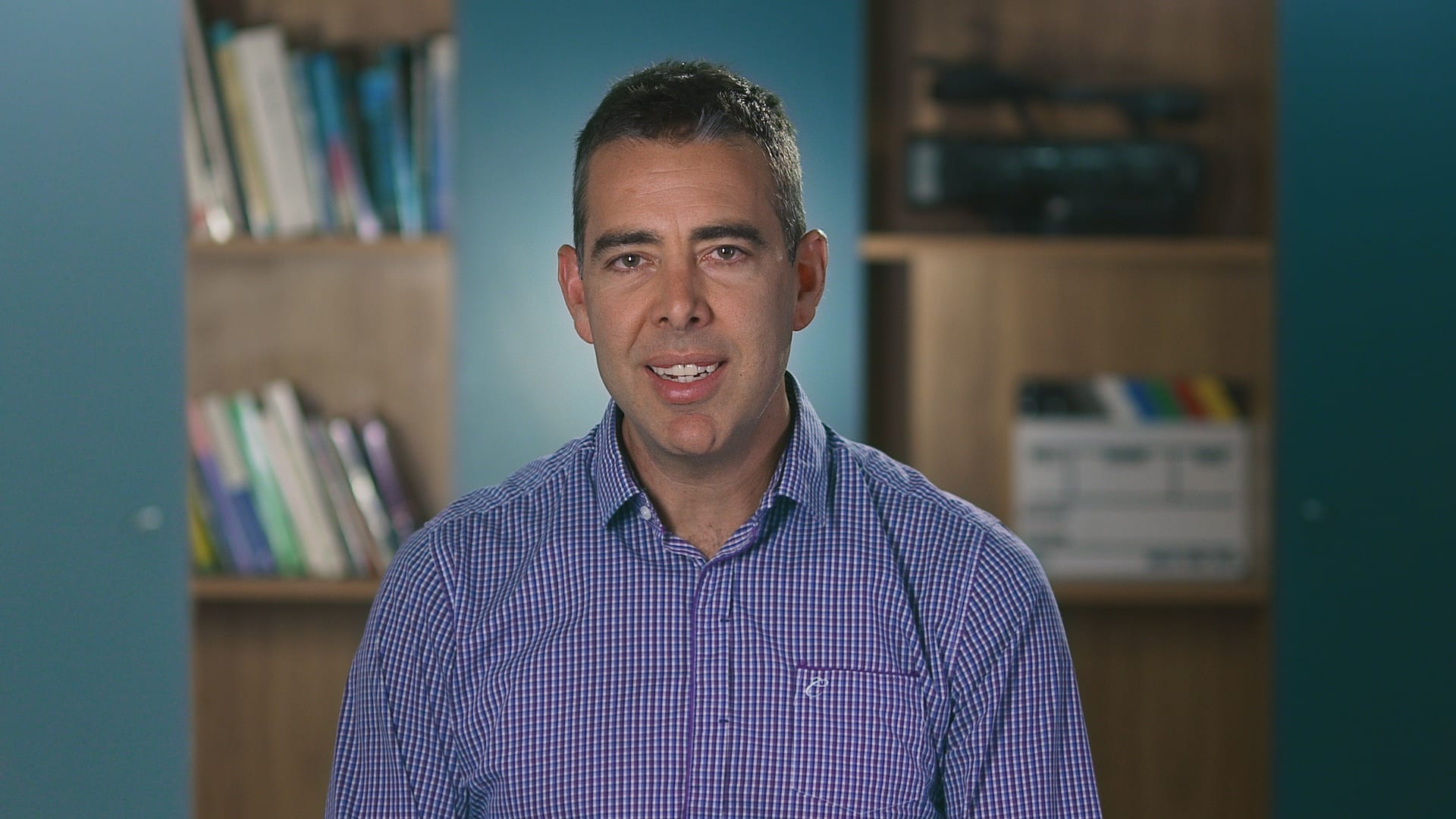
Ryan Spanger is the founder and managing director of Dream Engine, a Melbourne video production company established in 2002. Over the past two decades, he’s produced hundreds of videos for businesses, government departments, universities and healthcare organisations across Australia. Ryan specialises in helping organisations explain complex ideas through clear, engaging video content, with particular experience in corporate communications, training and education.