
Who will the audience listen to?
A customer may be most convincing in a case study. A subject expert may be right for training. A professional actor can make a scripted scene feel natural.
Video production company in Melbourne, Australia.
The person on screen has to feel right for the message and the audience. We help decide whether that should be an actor, presenter, staff member, customer or subject-matter expert, then handle the practical work of getting them ready to film.
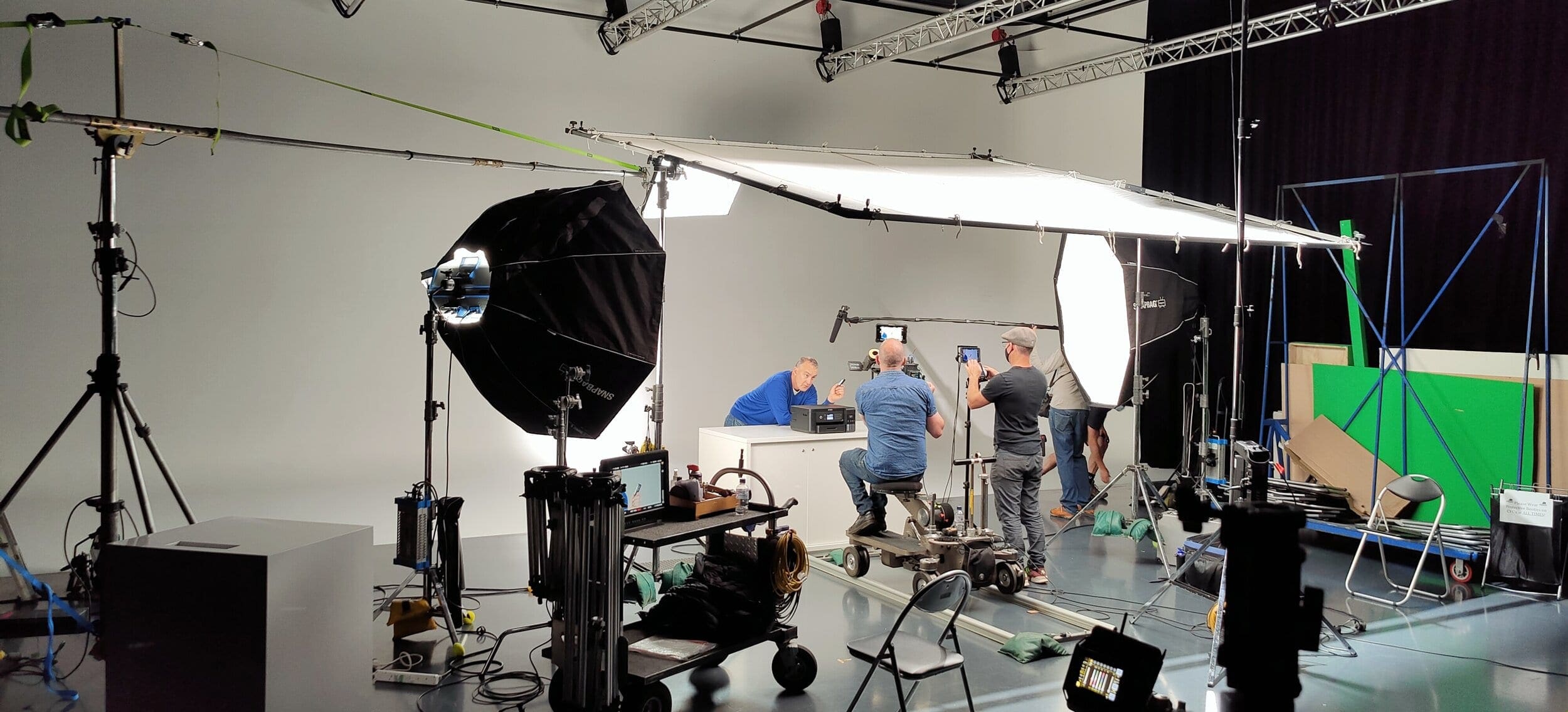
We consider what the person needs to do on camera, how well they know the subject and whether their delivery suits your audience.
Some projects need a professional actor who can deliver exact lines, repeat an action and take direction. Others work best with the people who know the subject first-hand, such as a staff member, customer or technical expert.
We help make that call early, because it affects the script, schedule, budget and way we prepare for filming.
The brief explains who the video is for, what the person needs to communicate and any performance or filming requirements.
A customer may be most convincing in a case study. A subject expert may be right for training. A professional actor can make a scripted scene feel natural.
Long scripted sections, technical demonstrations, comic timing and repeated action all place different demands on the person in front of the camera.
Appearance, tone, warmth, authority, energy and communication style all affect how the organisation comes across.
Availability, location, usage, wardrobe, script preparation and the time needed for filming are part of the casting decision too.
We consider whether the person will follow a script, demonstrate a task or speak from experience.
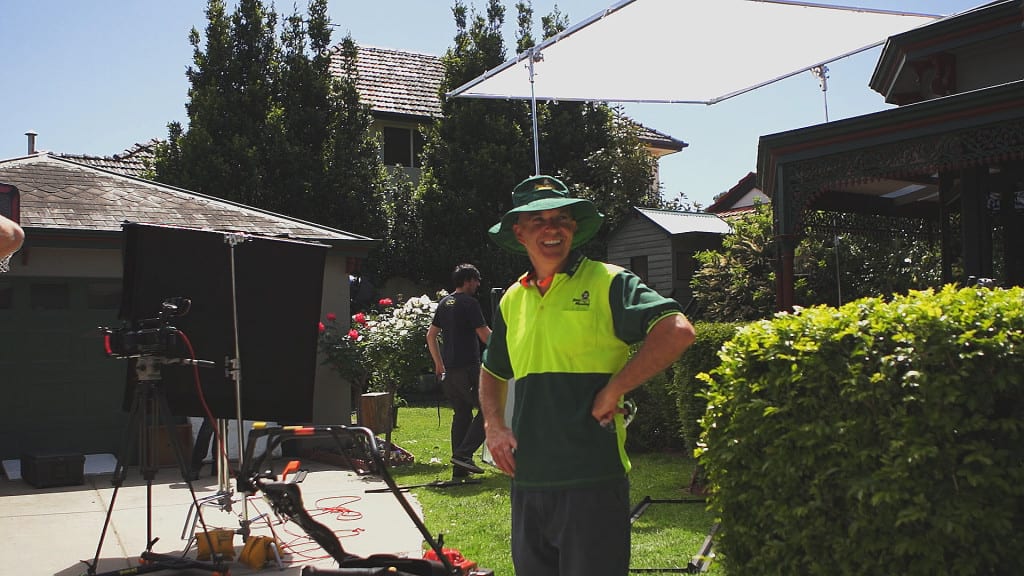
Professional talent is often useful when the wording and timing must be controlled, the person is playing a role, or the shoot involves repeated actions and multiple takes.
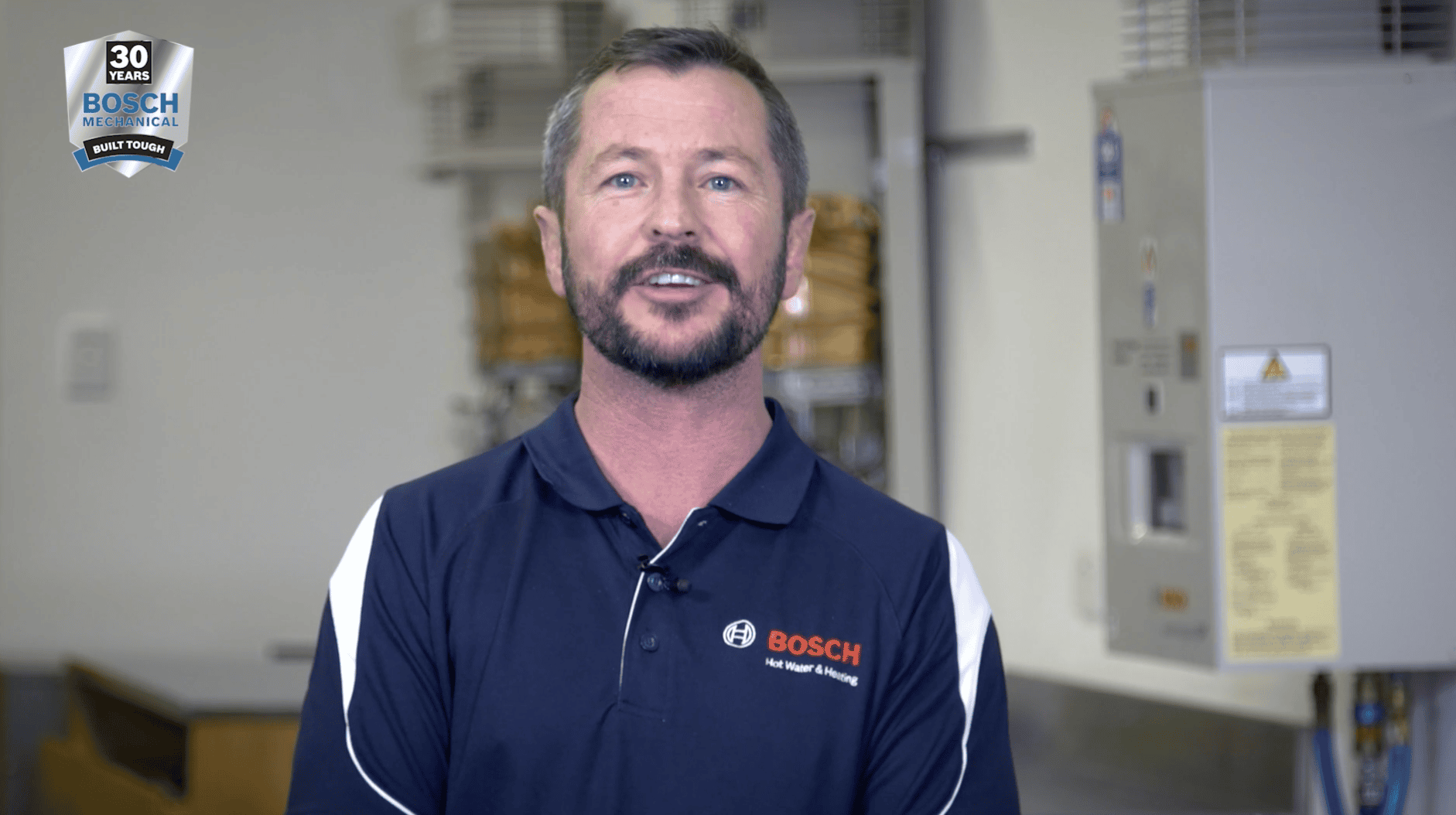
Staff, customers and subject experts can explain their work and experiences in their own words. They are well suited to interviews, case studies and technical demonstrations.
A major commercial may need agents, auditions and callbacks. For a corporate presenter, a shortlist and self-tape may be enough.
We agree on the role, what the person needs to communicate, the audience and tone, filming requirements and any essential skills.
Depending on the project, we approach talent agents, performers we know, specialist presenters or people within the client’s organisation.
We review showreels, photographs, availability, fees and relevant experience, then prepare a shortlist for you to review.
A self-tape, video call or in-person audition lets us assess delivery, screen presence, interpretation and how well the person takes direction.
You review the shortlist and audition material. We discuss each person’s suitability, availability and fees, then agree on the choice with you.
We confirm availability, rates, usage, wardrobe, script access, call times and anything else the performer needs before production.

For interviews and case studies, we look for someone who knows the subject first-hand and can explain it in their own words.
We help you identify someone with experience that’s relevant to your audience. We also check that they’re comfortable taking part, available for filming and able to speak openly about the topic.
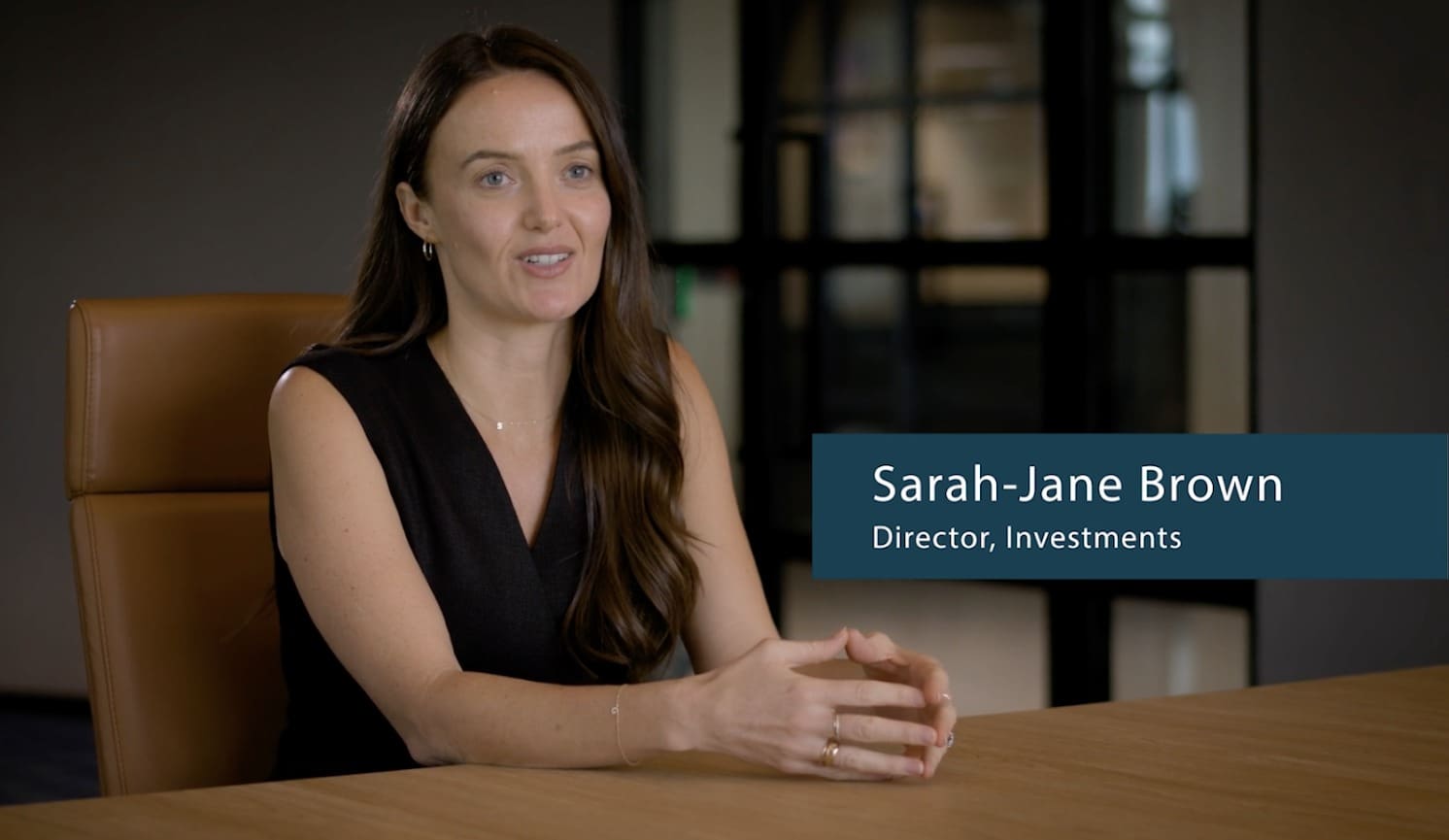
Once the cast is confirmed, we make sure everyone knows what will happen and what they need to prepare.
Actors and presenters receive the approved script or audition material in advance. For staff and customer interviews, we share the topics, explain how the conversation will work and encourage people to answer in their own words.
Not necessarily. Actors are useful for scripted scenes, exact dialogue and repeated action. Staff, customers and subject experts can speak from experience in interviews, case studies and technical videos. We’ll recommend an approach based on the role and the audience.
Yes. We can source actors and presenters through talent agents, professional networks and people we have worked with before. We prepare the brief, review suitable options and manage the shortlist, auditions and booking as part of the production.
We send shortlisted people a small section of the script with clear instructions. They record it and return the file, or perform it during a video call. This lets the client and production team compare delivery without organising an in-person audition.
Yes. Staff and customers can share their own knowledge and experience. We help you choose participants, explain what filming involves and prepare them for an interview or scripted role.
The final decision is made with the client. Dream Engine prepares and assesses the options, explains the strengths and practical considerations, and makes a recommendation. The client reviews the shortlist and audition material before anyone is booked.
Fees can depend on preparation and filming time, the performer’s experience, the type of role, where and how long the video will be used, and whether paid advertising is involved. We confirm the expected costs and usage before the person is booked.
Yes. The Dream Engine producer or director guides actors, presenters and interview participants through the filming. We help with pace, wording, eyeline, movement and repeated takes while keeping the set calm and giving people enough time to settle in.
Tell us what you are making and who needs to be on screen. We can help define the roles, find suitable people and manage casting as part of the production.
