
Interviews and participants
Availability, arrival times, preparation, interview length and the order that works best for senior stakeholders, staff, customers or talent.
Video production company in Melbourne, Australia.
We have a limited amount of time to film. A practical schedule makes the most of your investment by organising the work efficiently and respecting the time of everyone taking part.
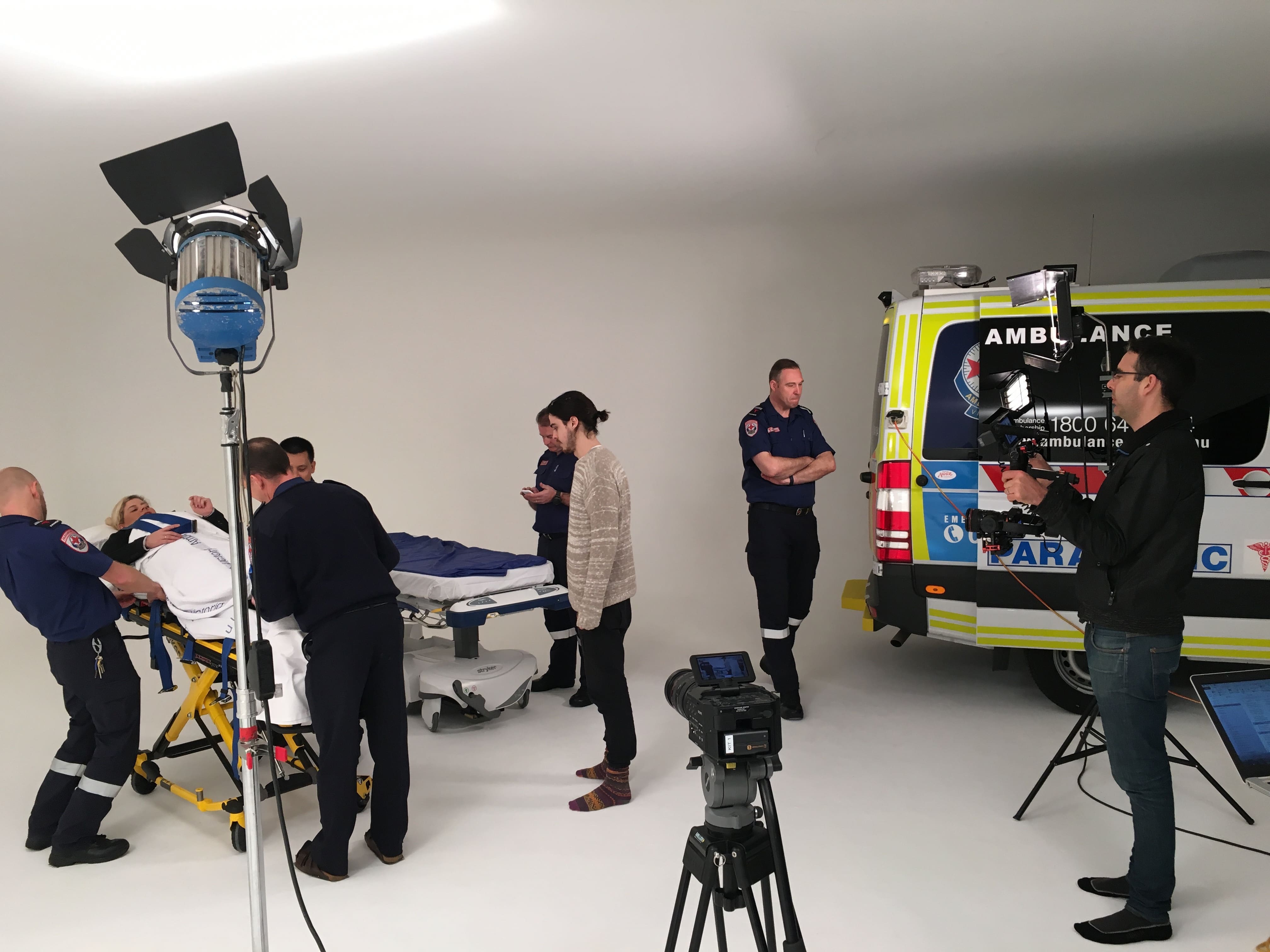
We group shots by location and setup, and plan around people’s availability, site access and the weather. This reduces unnecessary waiting and equipment moves, and helps the day flow smoothly.
The schedule allows time for setup, filming, pack-down, travel between locations, lunch and other breaks. We work through these timings during pre-production so the crew has enough time to do the job properly.
You’ll know who is needed, where they need to be and how the day will run. If plans change, we can see which timings need to be adjusted.
We work out what needs to be filmed from the approved brief, script or interview plan, storyboard and shot list.
Availability, arrival times, preparation, interview length and the order that works best for senior stakeholders, staff, customers or talent.
Parking, inductions, lifts, security and room availability, plus time to pack down, travel, unload and set up again.
The shots the edit needs, the order to film them and any activities that happen at a set time.
Time for lunch and rest breaks, quieter periods for recording sound, and room to adjust when weather or access changes.
We set up before the interviewee arrives so we can welcome them, explain what to expect and help them settle in.
For a carefully composed interview, we normally allow 45 to 60 minutes to set up the camera, lighting and sound.
We usually allow 30 to 45 minutes for the interview itself. Some are shorter; a detailed subject or a longer list of questions may need more time.
Unload, sign in, check the room and deal with any site requirements.
Compose the shot, set the lighting, position microphones and test the picture and sound.
Brief the interviewee, settle them into the space and record the conversation without rushing.
Film the person at work and capture supporting detail while they are still available.
The timings above are an example. We adjust them to suit the project, location and person being filmed.
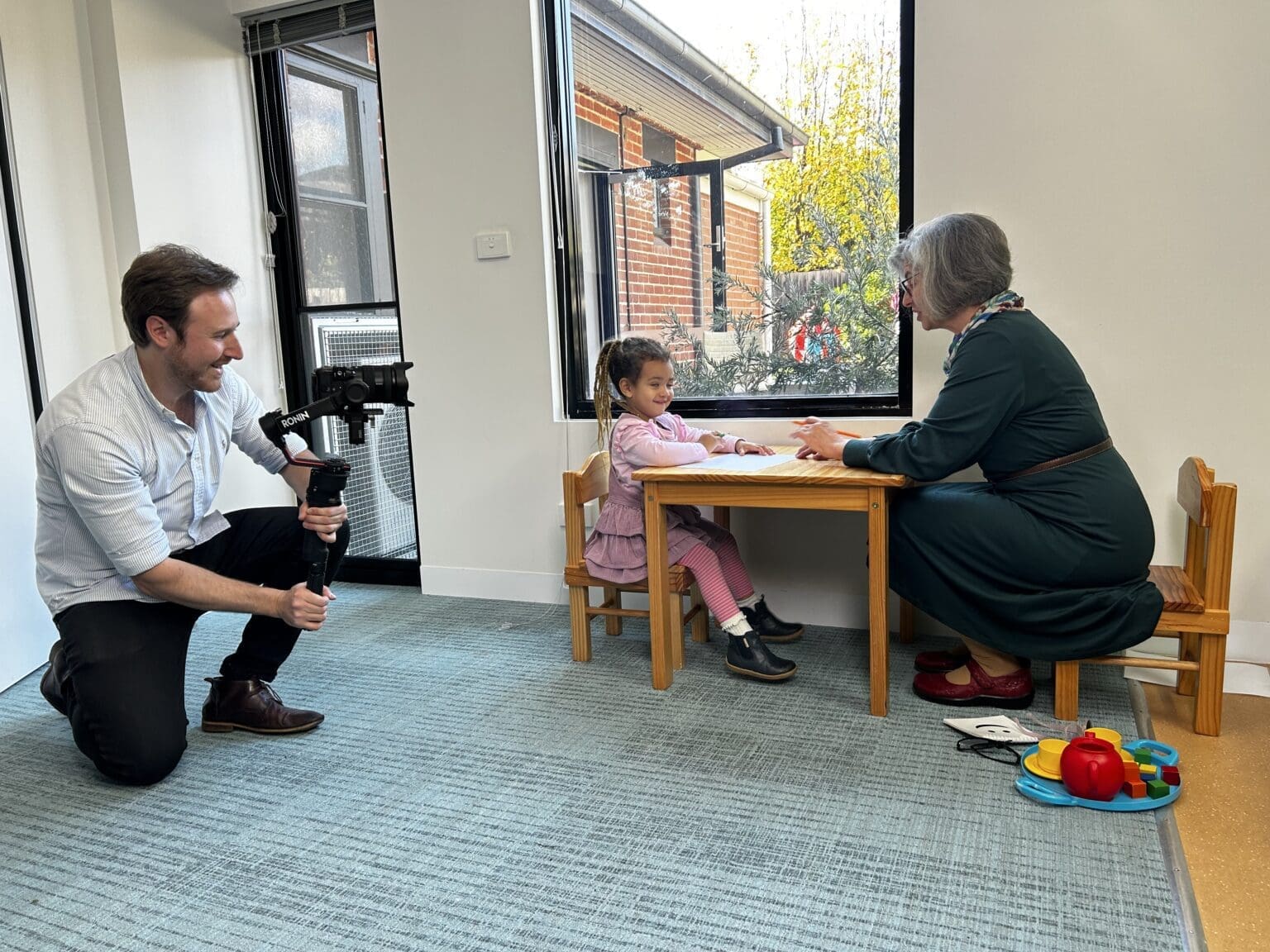
For most Dream Engine clients, the people in the video have another job to do. They may be executives, subject matter experts, staff, customers or members of the public.
We ask about availability early and group each person’s shots together where possible. This keeps waiting time down and helps participants return to their other commitments. Each person receives the timing, location and preparation details in advance.
We start with an outline and add detail as the filming approach, locations and participants are confirmed. You review a draft before we issue the final schedule.
We review the brief, concept, treatment, script, interview questions, storyboard and intended deliverables.
We list the interviews, action, locations, products and supporting shots needed to cover the script and complete the edit.
We check availability, rooms, site contacts, parking, inductions, safety needs and any time restrictions.
We group shots by location and setup, allow for activities with fixed start times and reduce unnecessary equipment moves.
You check the names, timings and site details. We make any adjustments before confirming the schedule.
We issue the final schedule or call sheet, brief the crew and make sure the key contacts know the plan.
Factories, construction sites, hospitals, campuses and public locations each have their own access and safety requirements.
We check whether the crew needs an escort, which areas are restricted and when work can be filmed. The schedule also allows for:
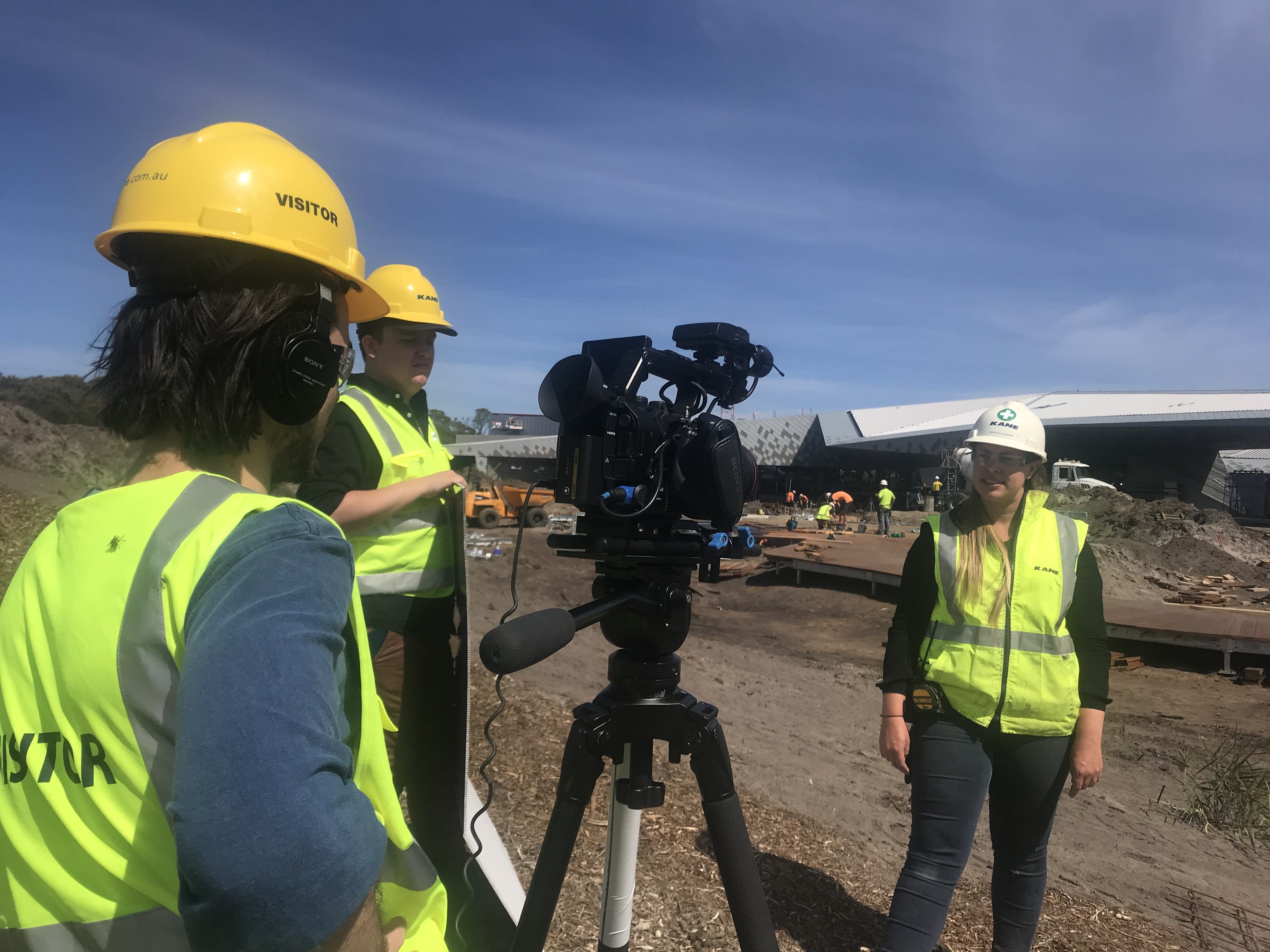
A call sheet brings together the schedule, arrival times, addresses and contact details for the filming day.
For a straightforward corporate shoot, the schedule and call sheet may be combined. A larger commercial production may have a more formal call sheet for each filming day.
It gives everyone a quick reference for:
Participants, crew and your project contact can check where they’re needed, what’s coming next and who to call with a question.
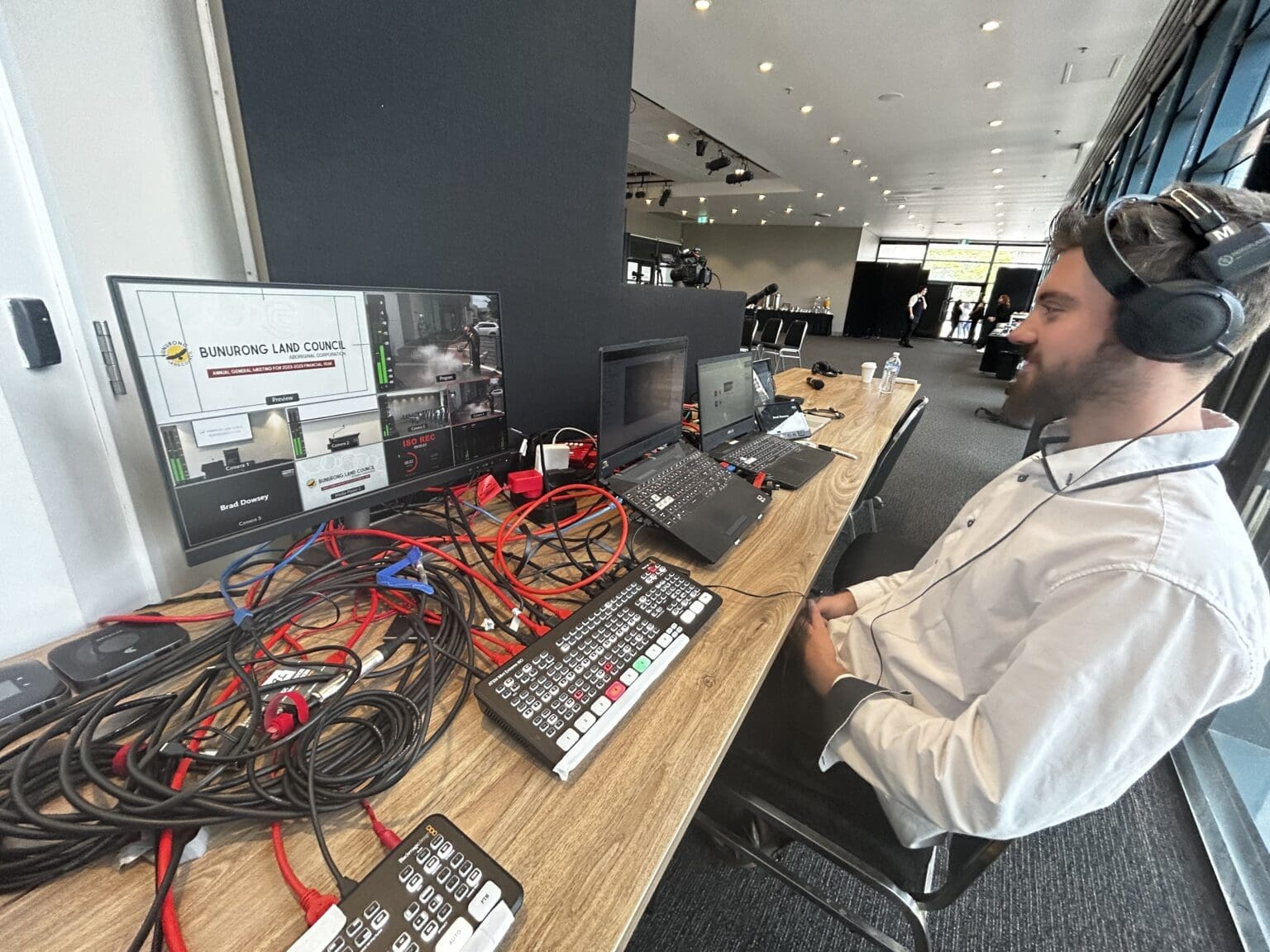
We tailor the schedule to the job, whether it involves an interview and b-roll, a television commercial, a case study across several locations or a live event.
The detail depends on the size of the crew, the number of locations and how closely filming needs to follow a set sequence.
Participant times, setup, interview order and relevant b-roll.
The timing of workplace activity, participant availability and room to follow events as they unfold.
Talent, departments, scenes, resets, props and a detailed shot order.
Travel, consistent setups and coordination across sites, cities or states.
We’ll send you the schedule before filming and keep you updated as arrangements are confirmed.
Let us know if someone’s availability changes or a location becomes unavailable. We’ll adjust the schedule and explain what this means for the rest of the shoot.
On the day, the producer tracks progress and lets you know what’s coming next. If filming runs behind, we prioritise the essential shots and discuss any changes with you.
Check names, locations, access details and timings with the people involved.
We make sure everyone knows which version of the schedule to use.
We explain the adjustment and what it means for the rest of the day.
We start during pre-production and add detail as the approach, locations, participants and shots are confirmed. You review a draft before we send out the final schedule.
For a carefully composed interview, we normally allow 45 to 60 minutes to set up the camera, lighting and sound before the person arrives. The interview itself is often scheduled for 30 to 45 minutes, although this varies with the subject and the questions.
Tell us who’s involved, when they’re available, where we can film, how much time we have on site and when you need the finished video. We’ll also ask about priority shots and any access or safety requirements, and help you work through details that are still undecided.
The production schedule is the working plan for what will be filmed, where and when. A call sheet is the final filming-day document that gives cast, crew and client contacts the practical information they need, including addresses, call times, contacts and special notes.
Yes. People run late, weather changes and workplaces get busy. The producer adjusts the order when needed, prioritises the essential shots and keeps you and the crew informed.
Yes. We regularly film in offices, factories, campuses and active workplaces. We plan around staff availability, quieter periods, access restrictions and important operations so the production causes as little disruption as practical.
We can send the relevant schedule or call details directly, or provide everything to your project contact to circulate internally. We agree on the simplest approach during pre-production so each person knows when and where they are needed.
Tell us what you’re planning to film, who needs to be involved and when you need the video. We’ll help you work out the filming schedule.
