
Executive and customer interviews
Useful when someone represents the organisation on camera, several interviews need a consistent finish or the recording will run for an extended period.
Video production company in Melbourne, Australia.
Dream Engine can arrange professional hair and makeup when the shoot needs it. We keep the look natural, make sure it suits the person and brand, and allow proper preparation time.
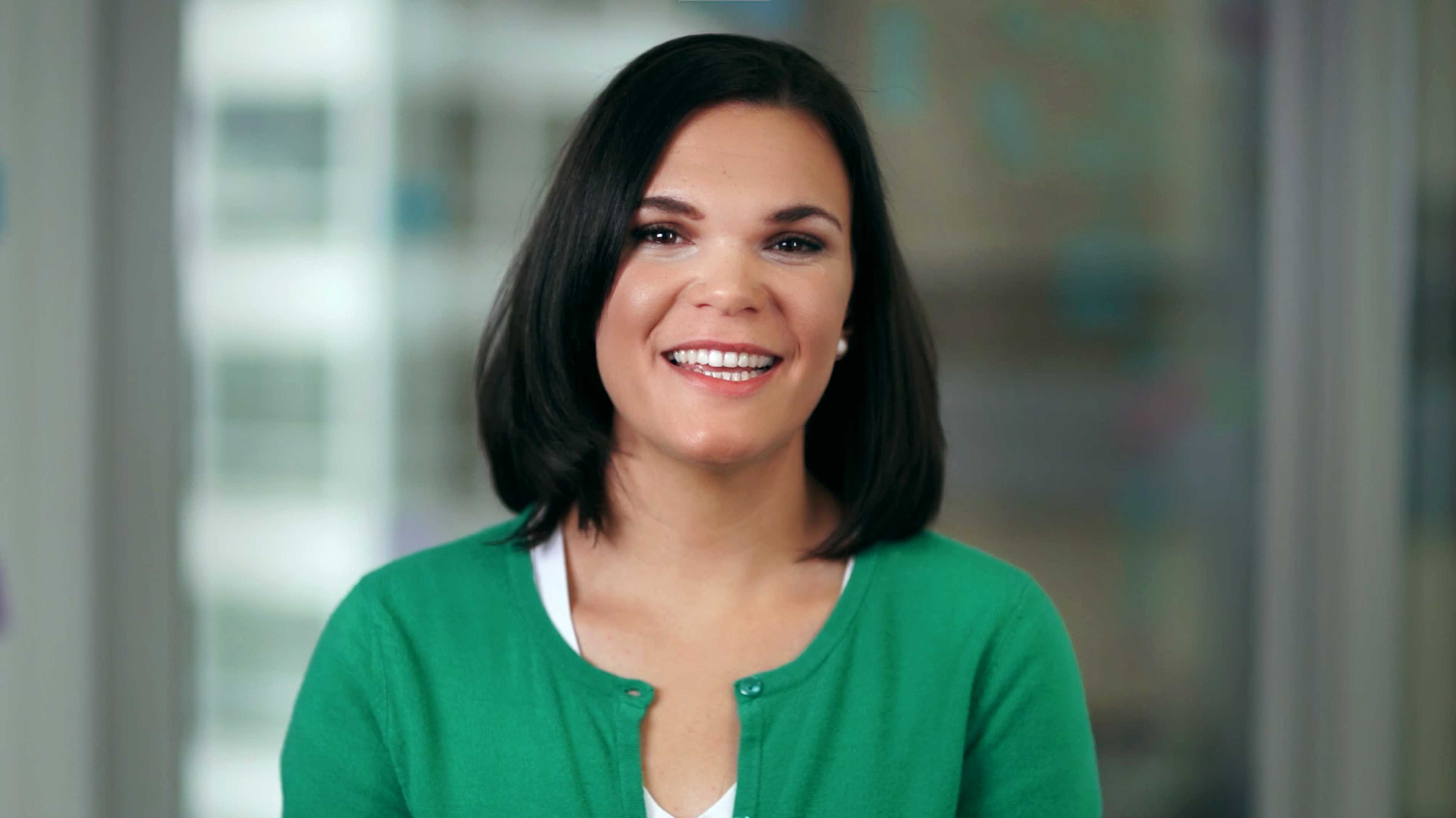
For most of our work, hair and makeup is about helping someone look like themselves under professional lighting and high-resolution cameras.
A good artist can manage shine, tidy flyaways, check small details and keep the person’s appearance consistent from one shot to the next. They also give people one less thing to think about before going on camera.
Sometimes that support makes a real difference, and sometimes it is not needed. We recommend it based on the project, the people involved and the look required.
Hair and makeup is most useful when appearance needs to stay controlled across a longer or more structured production. We discuss it during planning rather than adding it automatically.
Useful when someone represents the organisation on camera, several interviews need a consistent finish or the recording will run for an extended period.
A presenter is on screen for longer and may record many takes. An artist can prepare the look and make quick checks without disrupting the flow.
Television commercials and styled brand films often need an agreed look that works with wardrobe, lighting, casting and the visual treatment.
When many people appear, or filming continues across locations and days, the artist helps keep preparation efficient and continuity under control.
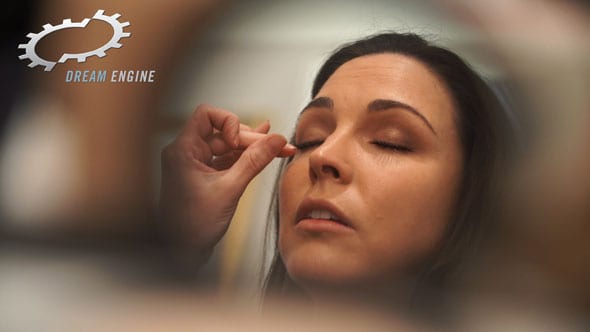
The artist looks at how the person appears on the production monitor, not only in a mirror.
Professional lighting can make shine, redness and flyaways more noticeable. Hair can move between takes. A collar, tie, piece of jewellery or strand of hair can also create a continuity problem if it changes halfway through a scene.
A short, straightforward interview can work perfectly well without a professional hair and makeup artist.
The person may be comfortable preparing themselves and prefer their normal everyday appearance. Documentary-style filming and active workplaces may also call for a more natural, lightly managed approach.
If a specialist is not required, we send simple preparation notes, allow time for a private final check and pause for personal touch-ups when needed. We explain whether an artist would help the filming, what support they would provide and how that affects the quote.
We will tell you what we think is worth paying for and what the project can do without.

Men may benefit from hair and makeup too. So may people who do not normally wear makeup and do not want to feel as though they are wearing it.
A professional artist knows how to work lightly. The aim may be as simple as reducing shine on the face or head, tidying hair and facial hair, and making sure the result stays consistent.
Suitable for interviews, training videos and business presenters.
The person can discuss what they are comfortable with before anything is applied.
The artist can see what the camera and lighting are actually showing.
Small checks between takes help the production keep moving.
You do not need to find an artist or work out the timing on your own. If the project needs professional support, the producer can handle it as part of pre-production.
We look at the video style, number of people, filming length, locations, wardrobe and how controlled the finished look needs to be.
We share the treatment, reference images, brand guidance, schedule and any specific hair, makeup or grooming requirements.
We use trusted professionals with on-set experience and choose someone whose approach suits the people and style of the production.
We ask about the person’s normal look, comfort, product sensitivities and anything the artist should know before filming day.
The artist advises how long the agreed work will take. We build that into the production schedule.
On a longer or more controlled shoot, the artist remains available for touch-ups and continuity rather than leaving after the first setup.

Hair and makeup should suit the person’s clothes, the location, the lighting and the organisation they represent.
We ask for the brand style guide and discuss the background before giving wardrobe advice. A commercial may have a tightly styled palette. A staff interview may simply need comfortable clothing that fits the person’s normal role.
A hair and makeup artist is not automatically a wardrobe stylist. If the production needs sourcing, fittings or full wardrobe management, we scope that separately.
Good hair and makeup support should reduce pressure, not create more of it.
We brief the artist on who is appearing and what the video is for. We also give the person a chance to explain what they normally wear, what they do not want and any sensitivities the artist needs to know about.
Where possible, preparation happens in a quiet private space away from the main set. The person can check the result and ask for changes before filming begins.
No surprise styling on the morning of the shoot.
Preparation is part of the schedule, not squeezed in while everyone waits.
Natural, discreet support that suits their role, identity and comfort.
Not always. We usually recommend it when several people are appearing, someone is presenting directly to camera, the filming day is long or the project needs a carefully controlled commercial look. For a straightforward interview, the person may be completely comfortable preparing themselves. We will give you an honest recommendation during planning.
For most corporate filming it is light, natural preparation. The artist may manage shine, even out skin tone, tidy hair and flyaways, check collars or small wardrobe details and provide touch-ups during filming. The aim is to help the person look like themselves on camera.
No, unless the creative brief calls for a specific styled look. For interviews and presenter videos, the usual approach is discreet and natural. We discuss the intended look before filming and make sure the person is comfortable with it.
It depends on the number of people, their hair and makeup needs and the look required. We ask the artist how much preparation time they need, then build that time into the production schedule so nobody is rushed.
Sometimes. The same practical checks apply to everyone. A light touch can manage shine, tidy hair, check facial hair and keep the person’s appearance consistent. It does not need to look or feel like makeup.
Yes. This is common on straightforward interview and documentary-style shoots. We provide simple preparation and wardrobe guidance, allow time for a final personal check and make sure the person can do their own touch-ups privately if needed.
Yes. We can recommend and book a trusted specialist, brief them on the project, confirm the people and look required and include the preparation time in the filming schedule. The cost is shown clearly in the quote.
Tell us who will be on camera and what you are filming. We will recommend the right level of support and include it clearly in the production plan.
