Show the real environment
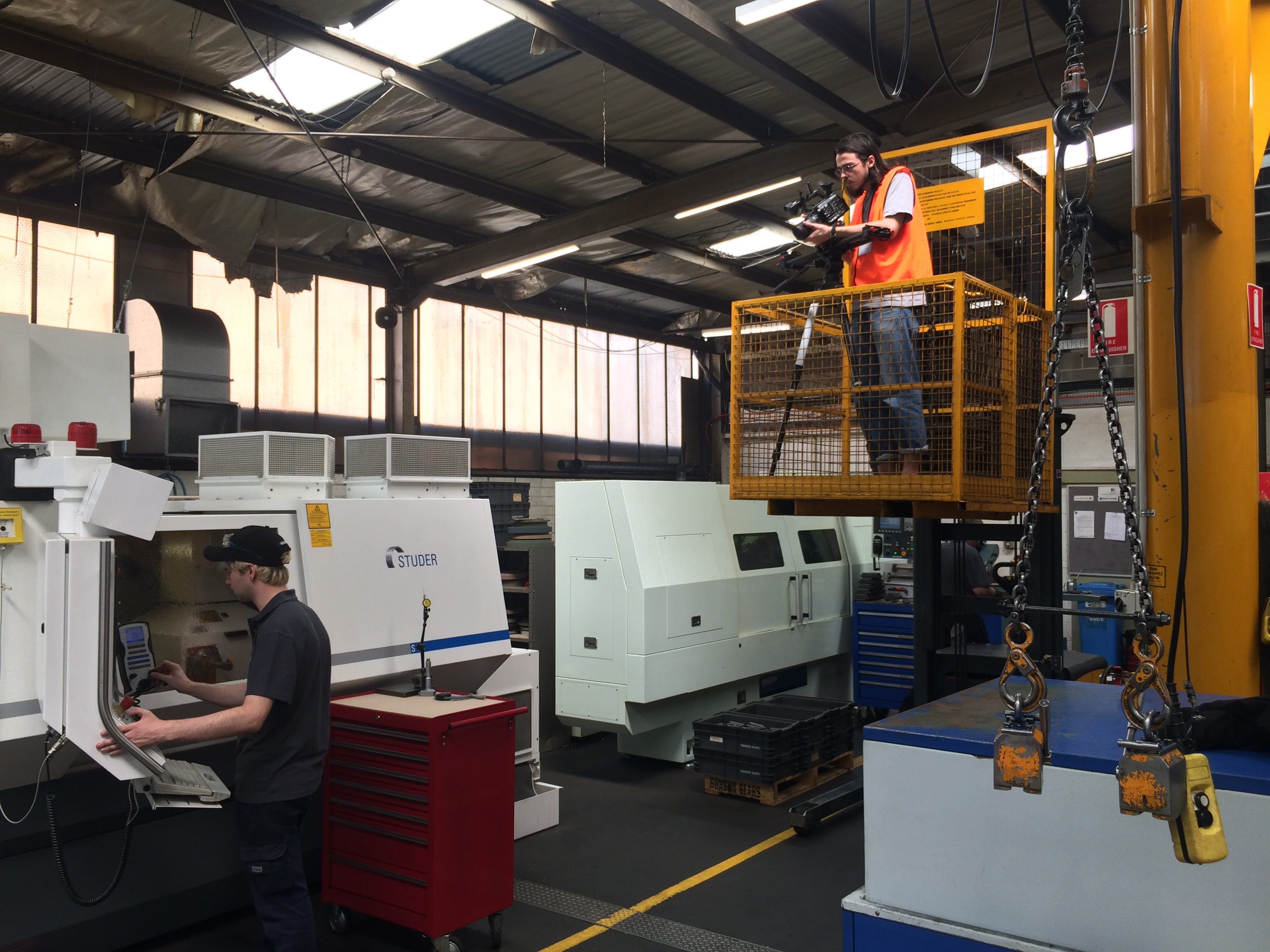
An office, factory, campus or worksite can make the video specific to your organisation and show viewers where the work actually happens.
Video production company in Melbourne, Australia.
The location affects how your video looks, sounds and runs on the day. We assess your workplace, a hired location or a studio before filming so the crew arrives with a practical plan.

The right place supports the story and gives us the conditions to film it properly.
We look at the background, light, sound, space and access. We also check the practical details that can slow a shoot down, from parking and lifts to permissions, weather and activity around the location.
You may already have the ideal place. If not, we can help identify and organise a suitable option as part of your video production.
The best choice is not always the most impressive room or view. It is the place that helps the audience understand the story and lets us capture the footage the video needs.
An office, factory, campus or worksite can make the video specific to your organisation and show viewers where the work actually happens.
We look for depth, visual interest and a setting that supports the speaker without distracting from what they are saying.
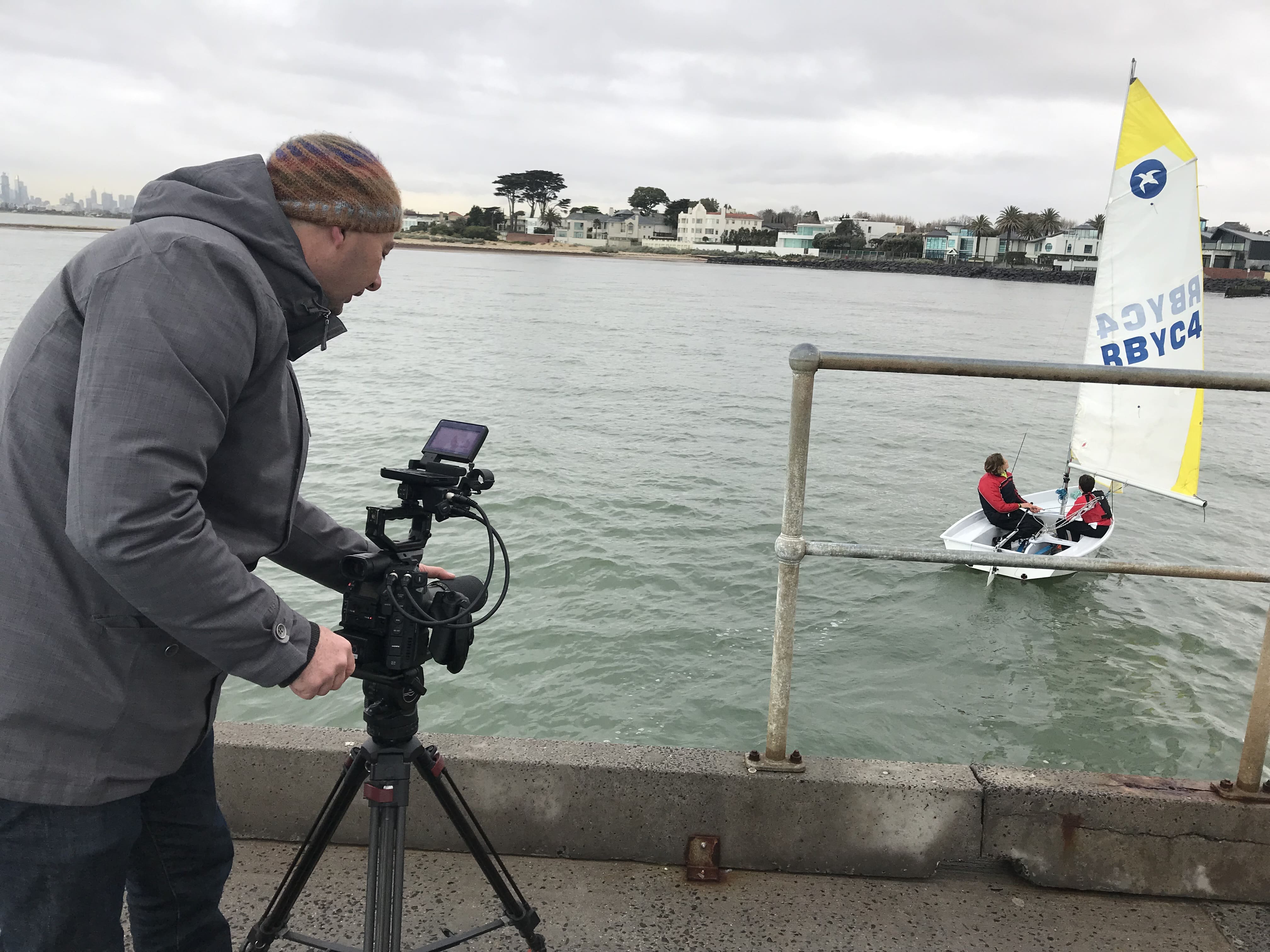
Demonstrations, processes and movement need enough room, safe camera positions and clear access to the people and equipment involved.
The location needs to be available, controllable and workable for the crew, while causing as little disruption as possible.
Filming where your team actually works can make the video feel credible and give it details that cannot be recreated in a generic room.
We look for a quiet enough area, useful camera angles and room to place lights and sound equipment. We also consider staff movement, confidential information, visible branding, machinery and the times when the location will be easiest to control.
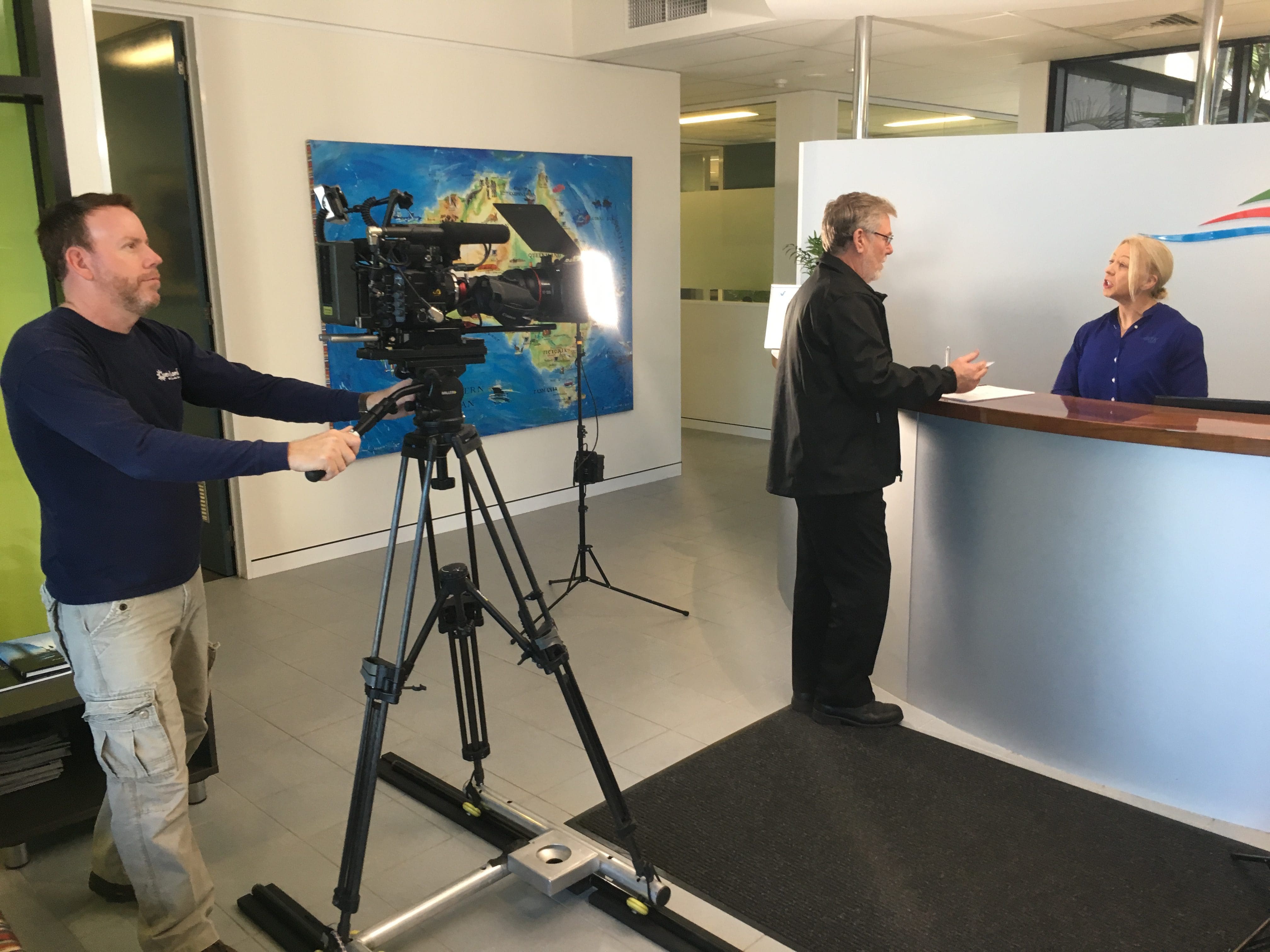
For a straightforward office or interview shoot, current photos, a phone walkthrough and a detailed conversation may be enough for the initial assessment. Our compact equipment helps us work efficiently without taking over the room.

Most corporate productions do not need an unusual location. They need a setting that suits the message and can be filmed well. Offices and studios are two of the options we assess most often.

We look beyond the boardroom. A reception area, open workspace, corridor or quieter office may give the video more depth and a stronger sense of place. We check which areas can be used without exposing private information or interrupting the working day.

A studio is useful when the production needs dependable sound and light, a built set, several camera positions or continuity across a long day. It can also be the right choice when a workplace is too small, noisy or difficult to control.
A recce is not about filling out paperwork. It is about finding the issues that could affect the footage while there is still time to solve them.
Camera angles, depth, colours, clutter, reflections, changing daylight and anything visible that should not appear in the video.
Traffic, air conditioning, machinery, lifts, nearby construction and conversations in adjoining areas.
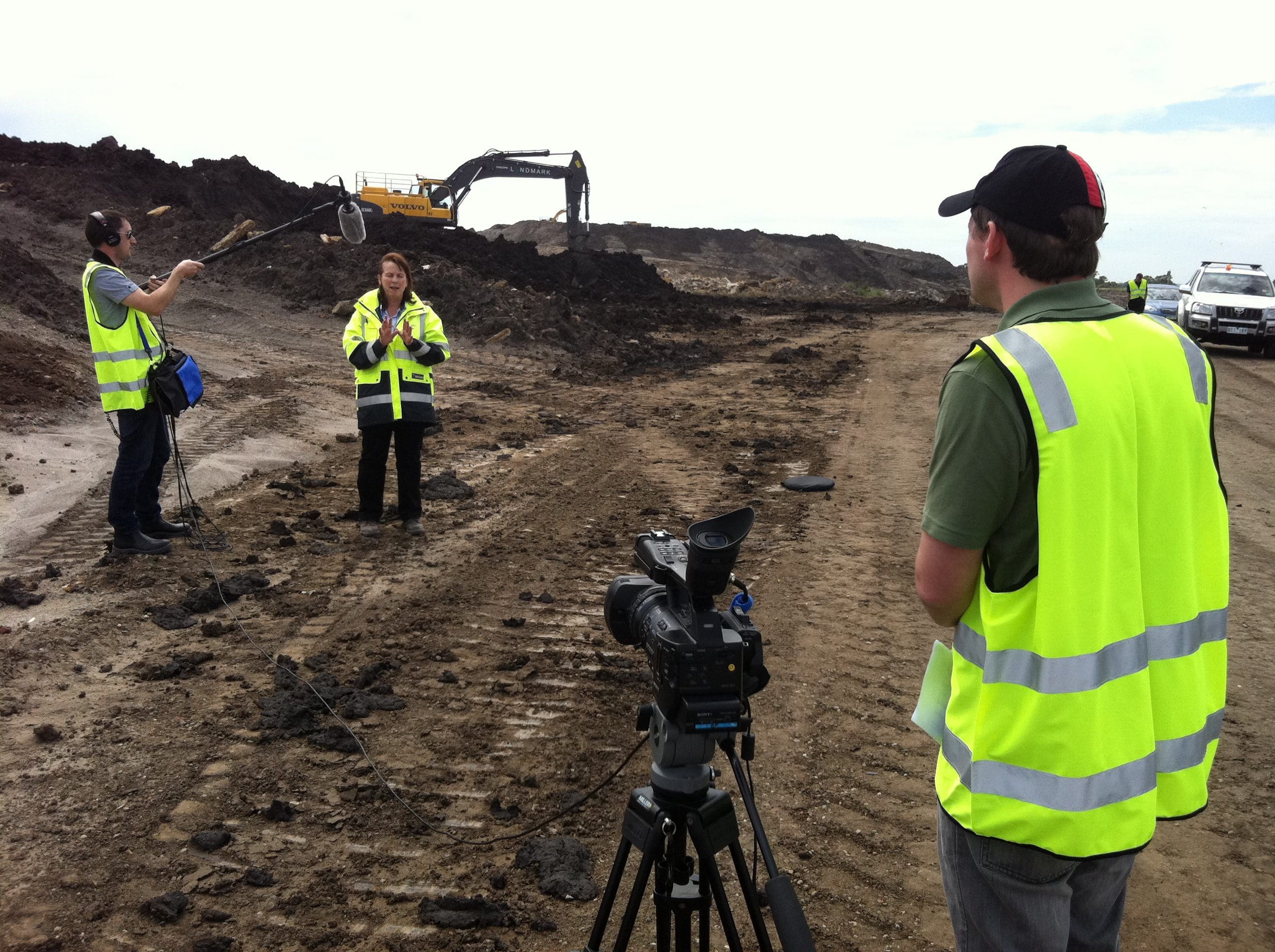
Safe positions for cameras, lighting and sound, plus enough space for contributors and the action we need to film.
Parking, loading, lifts, stairs, power, bathrooms, equipment storage, site contacts and arrival times.
Who controls the location, who may appear, permits, inductions, restricted areas, visible data and other site requirements.
How conditions change through the day and what we will do if wind, rain, noise, access or availability changes.

The amount of work depends on the project. A single office interview is different from a television commercial, an outdoor shoot or a production spread across several sites.

We identify who will appear, what needs to happen on camera and what the location must communicate.
We assess your workplace, a studio or other possible settings against the creative and practical requirements.
Current visual information lets us rule out obvious problems and decide whether a physical visit is worthwhile.
Where possible, we visit at a similar time to the shoot so we can check the real light, noise, activity and access.
We clarify approvals, restrictions, contacts, arrival details and any responsibilities that need to be assigned.
The findings shape the schedule, equipment, crew, camera positions, call sheet and contingency plan.
Not every project needs a separate scouting trip. We recommend one when seeing the location in person is likely to prevent a problem or change the way we plan the shoot.
A physical recce is particularly useful when the production involves:
Your Dream Engine producer shares the access details, contacts, room bookings, parking, equipment, noise windows, permissions and backup arrangements with the crew. The aim is simple: fewer surprises and more time spent filming useful material.
In many cases, yes. We assess the available rooms, sound, light, access and likely disruption before recommending the best filming area. If the location is not suitable, we explain why and discuss other options.
We can help identify, compare and organise suitable locations as part of a Dream Engine video production. For a complex project that requires extensive searching, road control or location management, we may bring in a specialist.
No. A straightforward shoot may be planned using current photos, a video walkthrough, floor plans and a detailed conversation. We usually recommend a physical recce when sound, access, light, weather, movement or safety could materially affect the filming day.
It depends on the framing, background and equipment, but more depth generally gives us better options. Send us photos or a short walkthrough of the available rooms and we can advise which one is likely to work best.
Permission is normally required from the person responsible for a private location. Public spaces and some council-managed areas may need a permit. Requirements vary, so we identify them early and help coordinate what the production needs.
We first look for a quieter room, a better time of day or a way to pause the noise. If it cannot be controlled well enough for clear sound, we may recommend another location or a different production approach.
We monitor the forecast and agree on a backup plan before filming. Depending on the project, that may be an indoor alternative, a second location, a reduced outdoor shot list or a change of filming date.
Send us some current photos or a phone walkthrough. We can tell you what looks promising, what needs checking and whether a site visit is worthwhile. If you need another option, we can help organise it as part of the production.