
Shot and priority
A clear description of what we are filming and whether the shot is essential or optional.
Video production company in Melbourne, Australia.
A shot list sets out the footage we plan to capture. It helps us prepare the crew, use the filming time well and capture the material the editor needs for every version of the video.
Dream Engine pre-production
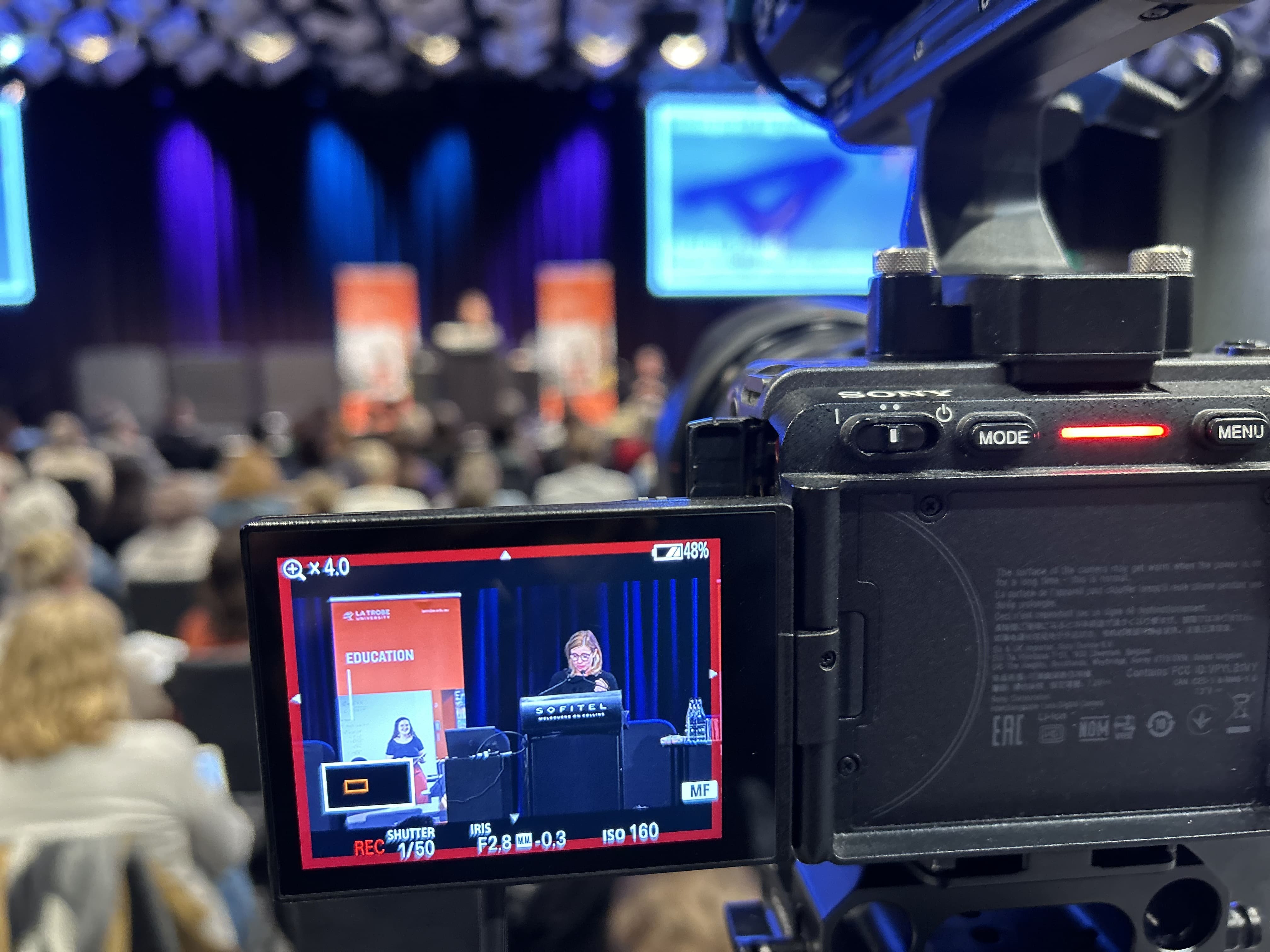
During pre-production, we work with you to confirm what the video will cover, who is involved, the locations and activities we need to show, and where the video will be used.
From there, we plan the interviews, scenes, actions and supporting footage. You do not need to write the list or know the camera terminology. We prepare it and talk through any decisions that need your input.
The level of detail depends on the production. An interview and workplace shoot may need a short list of must-have coverage. A TV commercial or carefully staged scene may need shot numbers, storyboards and detailed camera notes.
Planning for the edit
Each planned shot should help the edit. It might establish a location, show a process, pick up an important detail or provide cutaway footage over an interview.
For an interview-led video, we plan the contributors and topics, then identify the footage that can show what they are talking about. For a scripted production, the shots may follow the treatment, script or storyboard more closely.
A practical working document
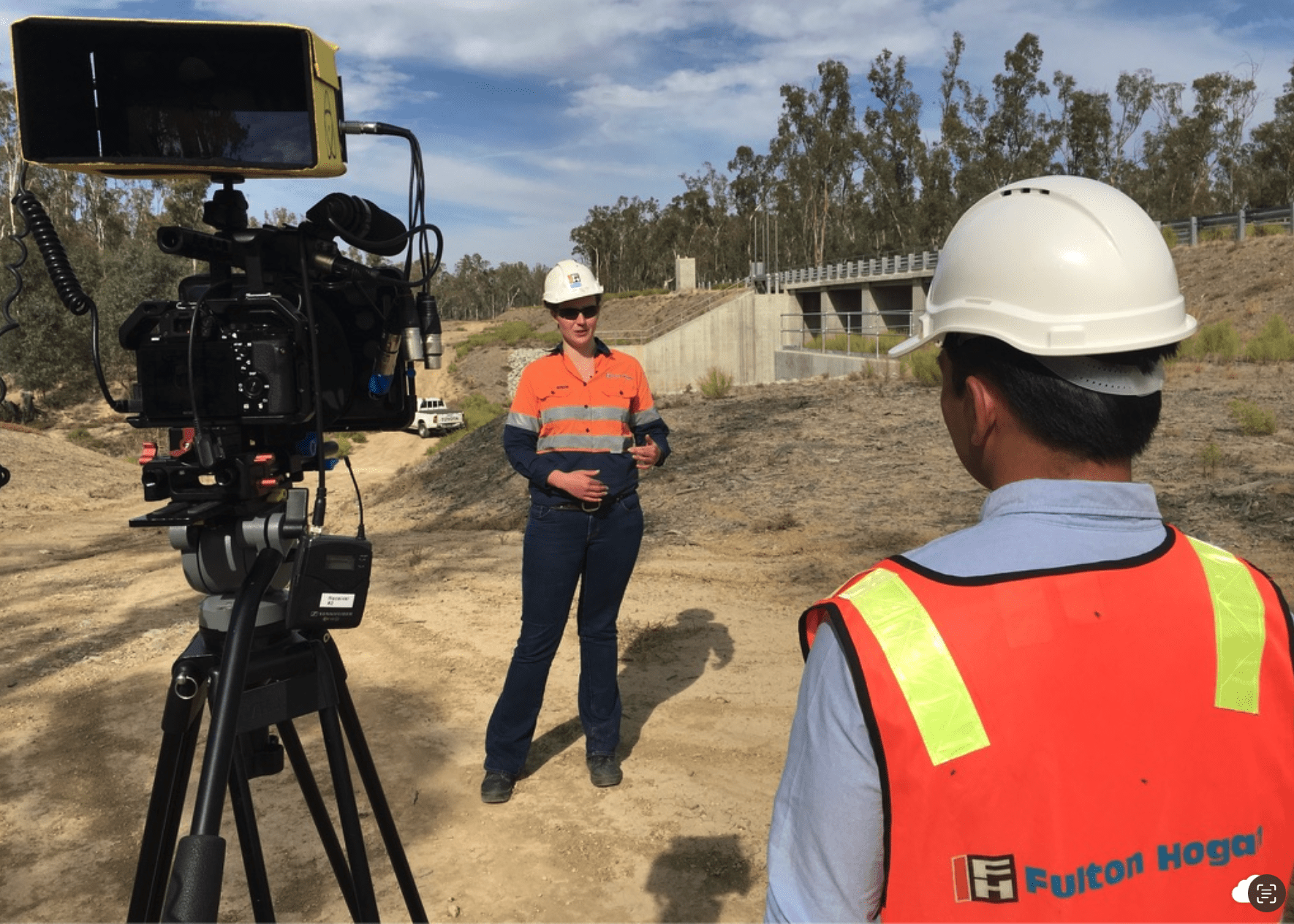
We include the information the crew needs to capture the footage efficiently, without loading the document with details that will not help on the day.
A clear description of what we are filming and whether the shot is essential or optional.
Who or what needs to appear, what happens in the shot and any products, props or equipment involved.
Wide, medium or close framing, camera angle and movement where those details matter.
Where the shot happens, when it can be filmed and any access, lighting or activity restrictions.
Dialogue or important natural sound, plus details that need to match between takes.
Slow motion, room for graphics, vertical framing, clean starts and finishes, or other requirements for the final versions.
The right level of detail
We use as much detail as the production needs. A flexible interview shoot and a tightly staged scene do not need the same template.
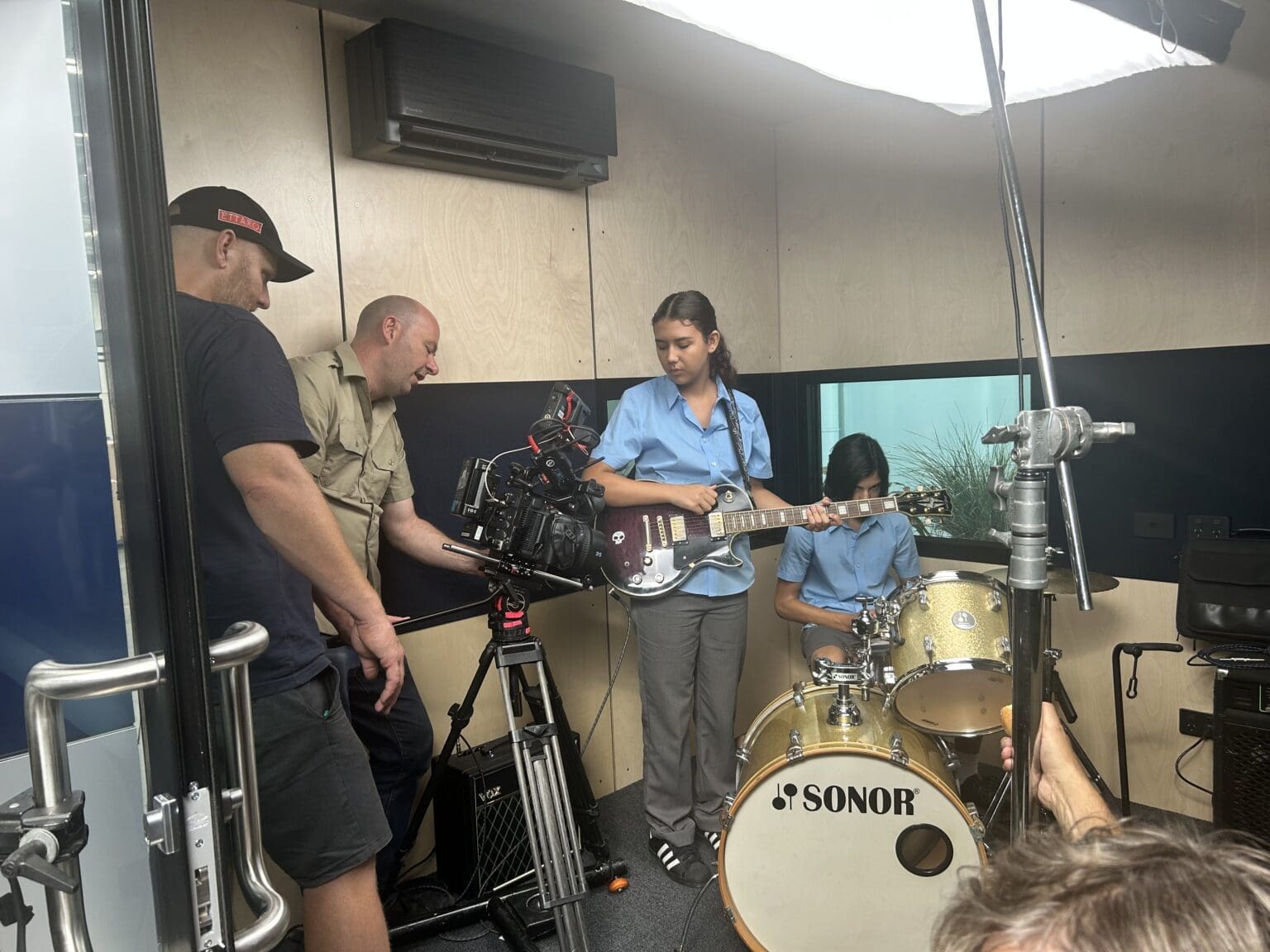
These productions usually need a more detailed plan because performance, action, props, demonstration steps and continuity need to match.

Interview answers are not scripted. We plan the people and topics, then build a flexible list of supporting footage around what they may discuss.
Coverage for the edit
Coverage means filming the angles and details the editor needs to put the sequence together. It does not mean filming as much as possible.
For a workplace process, that might mean a wide shot showing the area, medium shots of people doing the work and close details of hands, controls, equipment or products. We may also capture the beginning, middle and end of the action so it can be edited into a complete sequence.
The Dream Engine process
A shot list says what we need to film. The production schedule says when and in what order we will film it. We develop the two together so the plan works in practice.
We confirm what the video will cover, who is involved, the locations, key activities and the versions you need.
The producer and director plan the interviews, scenes, actions and supporting footage needed for the edit.
We group shots by location, camera setup, people, light and the best order for filming.
The crew checks off the essential shots while adapting to the location, weather and anything useful that comes up on the day.
Common questions
No. Dream Engine prepares the shot list during pre-production. We ask you to confirm the people, locations, activities and deliverables we need to plan, but you do not need to turn them into a technical filming document.
No. A commercial, scripted demonstration or carefully staged scene may need a detailed shot-by-shot breakdown. An interview and workplace shoot may only need a clear list of contributors, activities and essential coverage. We make it as detailed as the production needs.
A storyboard shows key moments as pictures. A shot list is the practical record of what the crew needs to capture, including the people, action, framing, location and other filming notes. Some projects use both and some only need one.
B-roll is the supporting footage used over interviews. We look at the interview topics and work out what viewers will need to see, then plan the people, places, actions, products and details that can support what is being said.
Yes. The list keeps the must-have shots clear, but the director can adapt it to the location, weather, performance or an unexpected opportunity. This gives the crew flexibility without losing essential coverage.
Tell us what you have in mind. We can talk through the options, answer your questions and explain what would be involved.
