
Difficult to access
A satellite view, specialist environment or location we can’t safely or practically reach.
Video production company in Melbourne, Australia.
Stock footage
We usually recommend filming your own people, workplace and products. We use licensed stock footage when a shot we need can’t reasonably be filmed, such as historical material or a location we can’t access.
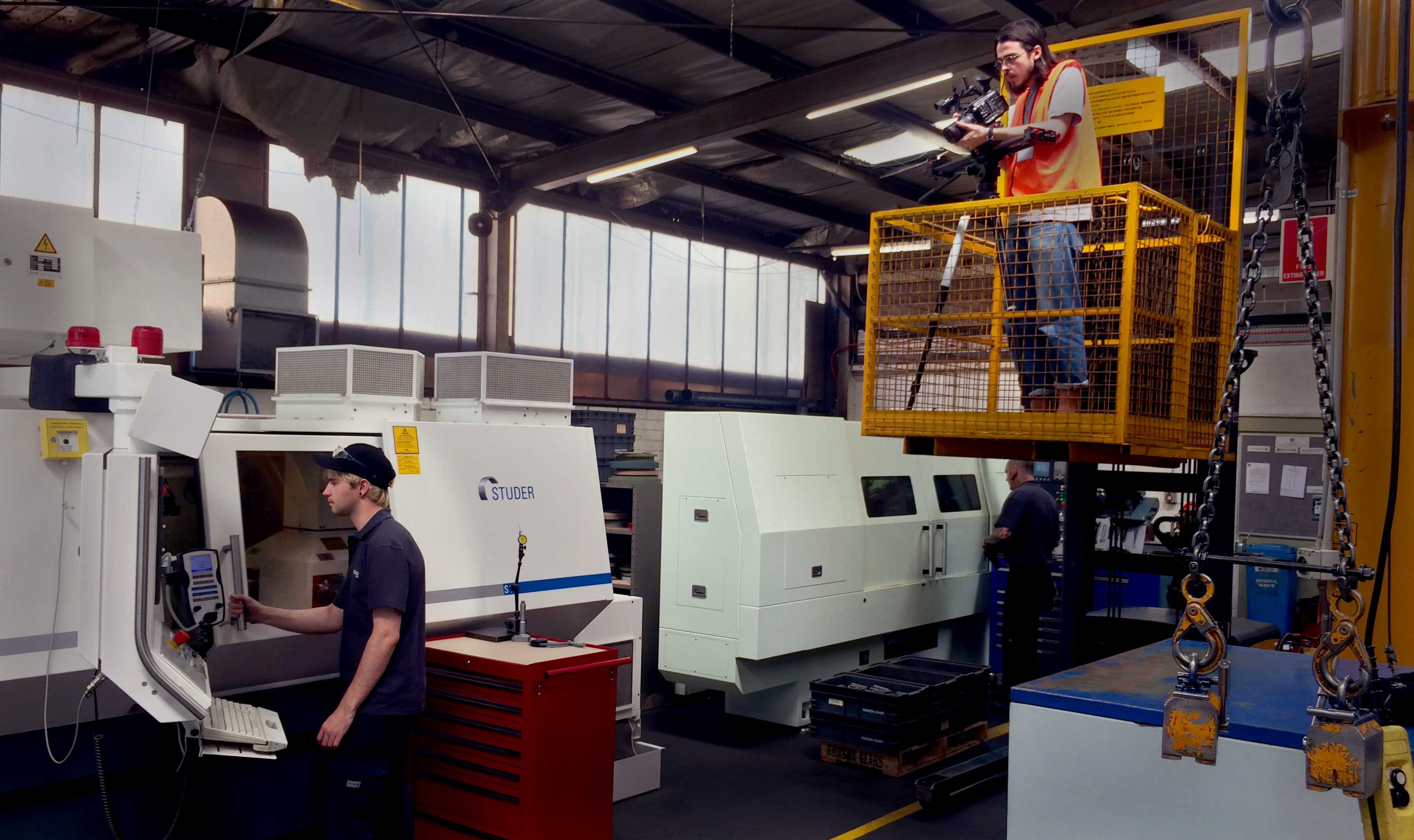
Original footage lets viewers see who you are and how you work.
For a customer story, that means filming the customer. For a workplace or product video, it means showing your facilities, staff and how the work is done. Stock footage may not accurately represent your organisation.
We plan the shot list around the people, places and processes you need to show. We then consider stock footage for shots we can’t reasonably capture on the filming day.
Stock footage can show a location, event or activity we haven’t been able to film. Here are some situations where it can help.
A satellite view, specialist environment or location we can’t safely or practically reach.
Archive footage can show what a place looked like or what happened at an earlier event.
A short shot may not justify an interstate trip, specialist crew or complex filming setup.
A city view or weather shot can establish where a scene takes place or help connect two parts of the video.
Seasonal activity, a process or a location may not have been available to film when the crew was there.
We work out what the video needs to say and what we’ll film, then search for any additional shots the edit needs.
The concept, treatment or video script tells us what the audience needs to see.
We identify which shots need original filming and which could come from a stock library.
We describe the subject, action, location, time of day and mood, along with the framing, camera movement, duration and technical requirements.
We compare shortlisted clips with the script and the footage from your shoot.
You review watermarked previews or links to the shortlisted clips before we license them.
We check the licence for your planned use, keep a copy, download the master file and add it to the edit.
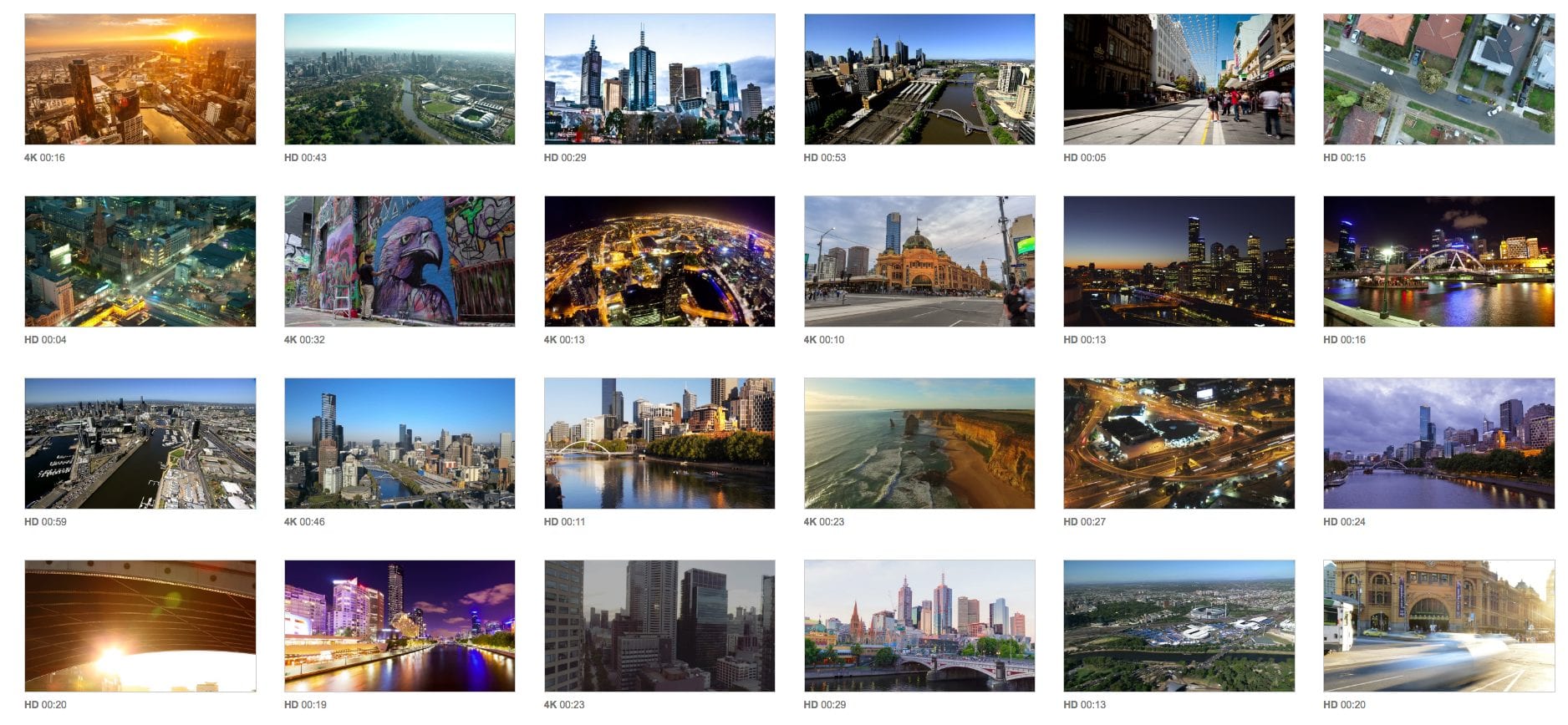
We look for clips that match the setting and filming style of your video.
We compare each option with the agreed style and the footage from your shoot, checking the details below. If we can’t find a suitable match, we’ll discuss another way to cover that part of the video.
We normally send you watermarked previews or links to a shortlist so you can check the subject, tone and accuracy.
You may spot an incorrect location, an outdated process or a detail that could mislead viewers. Let us know so we can find an alternative before buying the clip and building the edit around it.
We’ll confirm your choice before licensing it, unless we’ve agreed on a different approval process for a tight deadline.
Usage rights vary between clips. We check the licence against your plans for the video and explain any restrictions before you choose.
If we need several stock shots, we look for footage from the same contributor, location or shoot. A wide shot, close-up and aerial view can give us enough coverage to build a short sequence with consistent lighting and camera style.
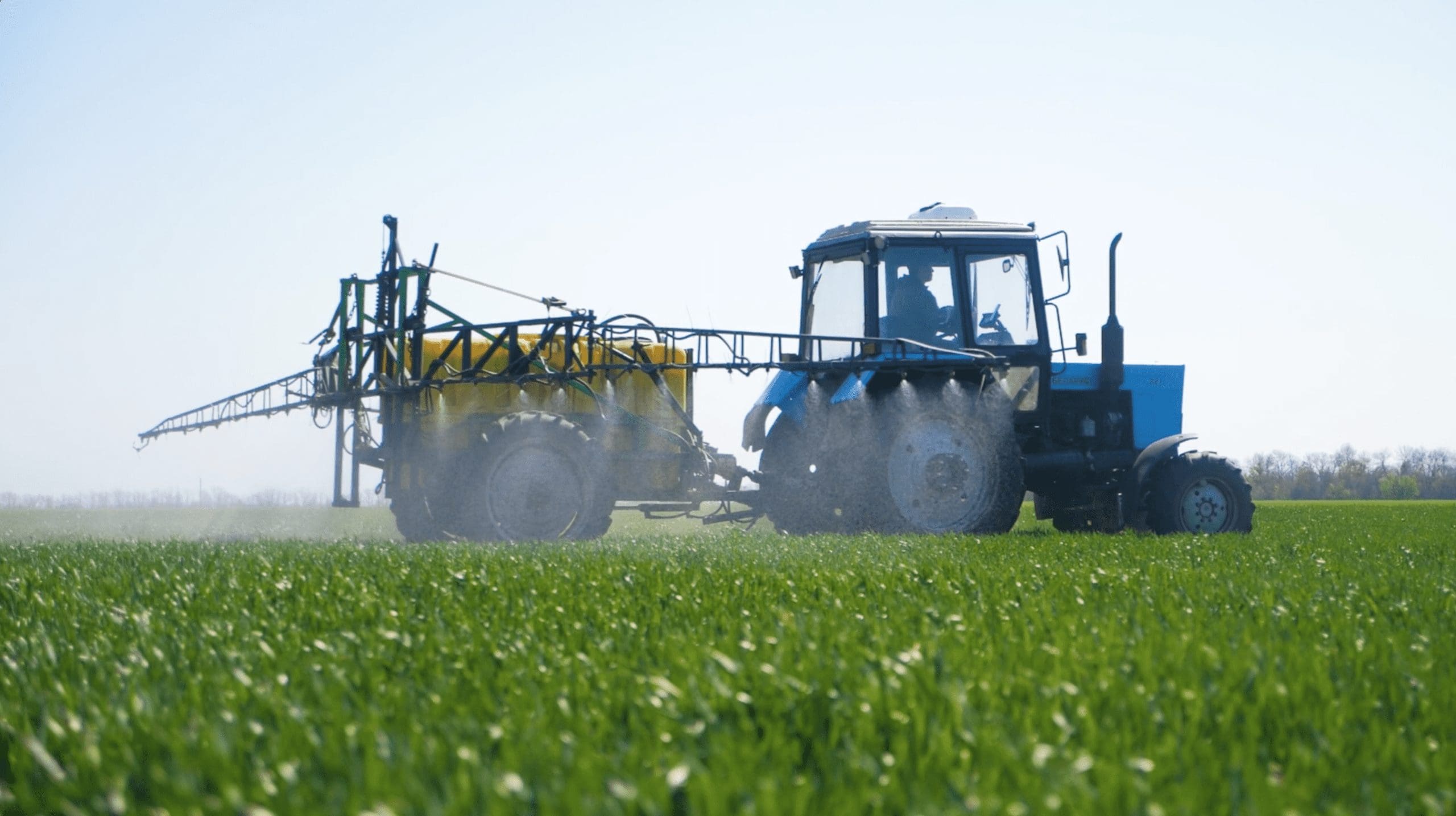
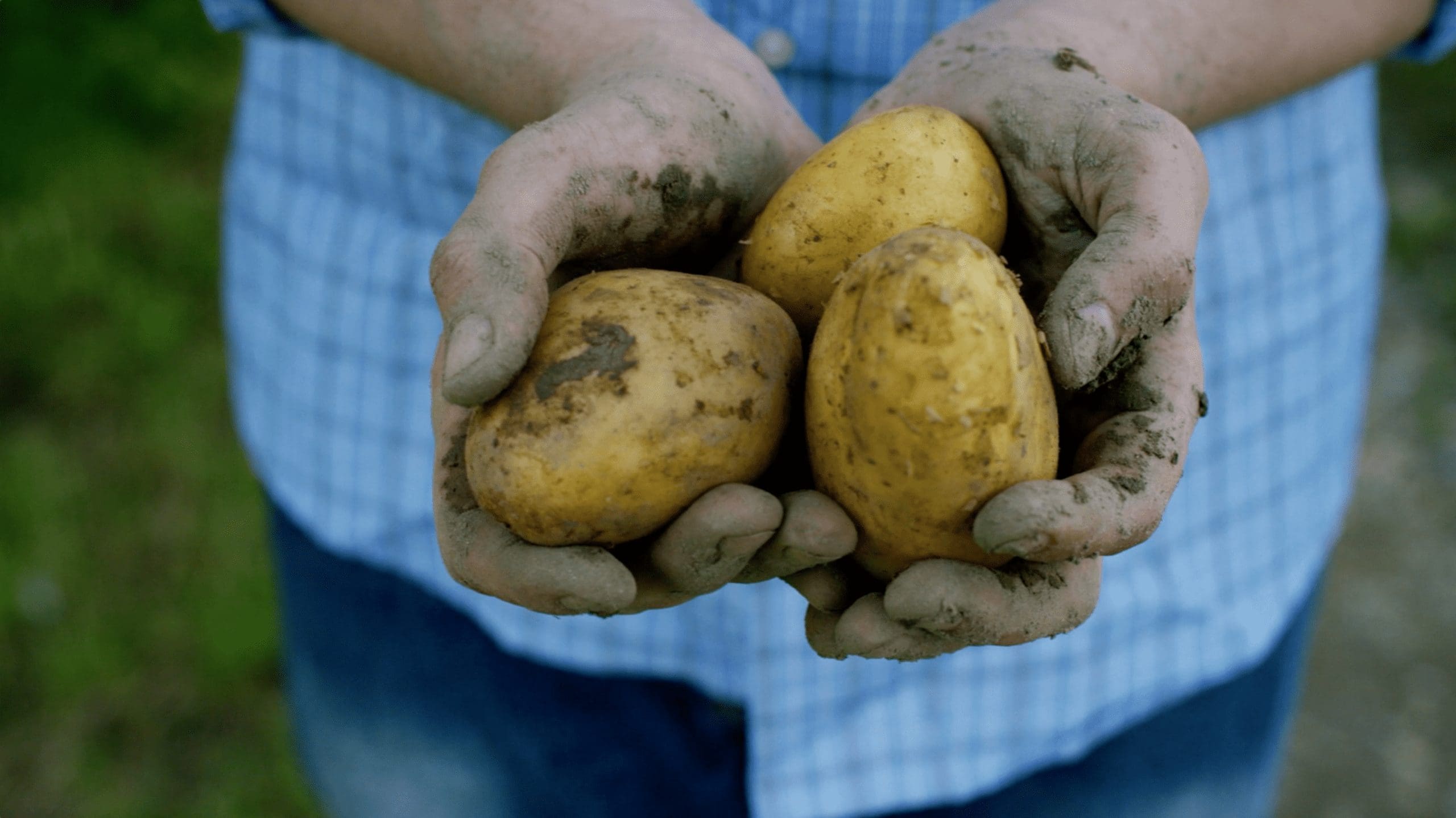
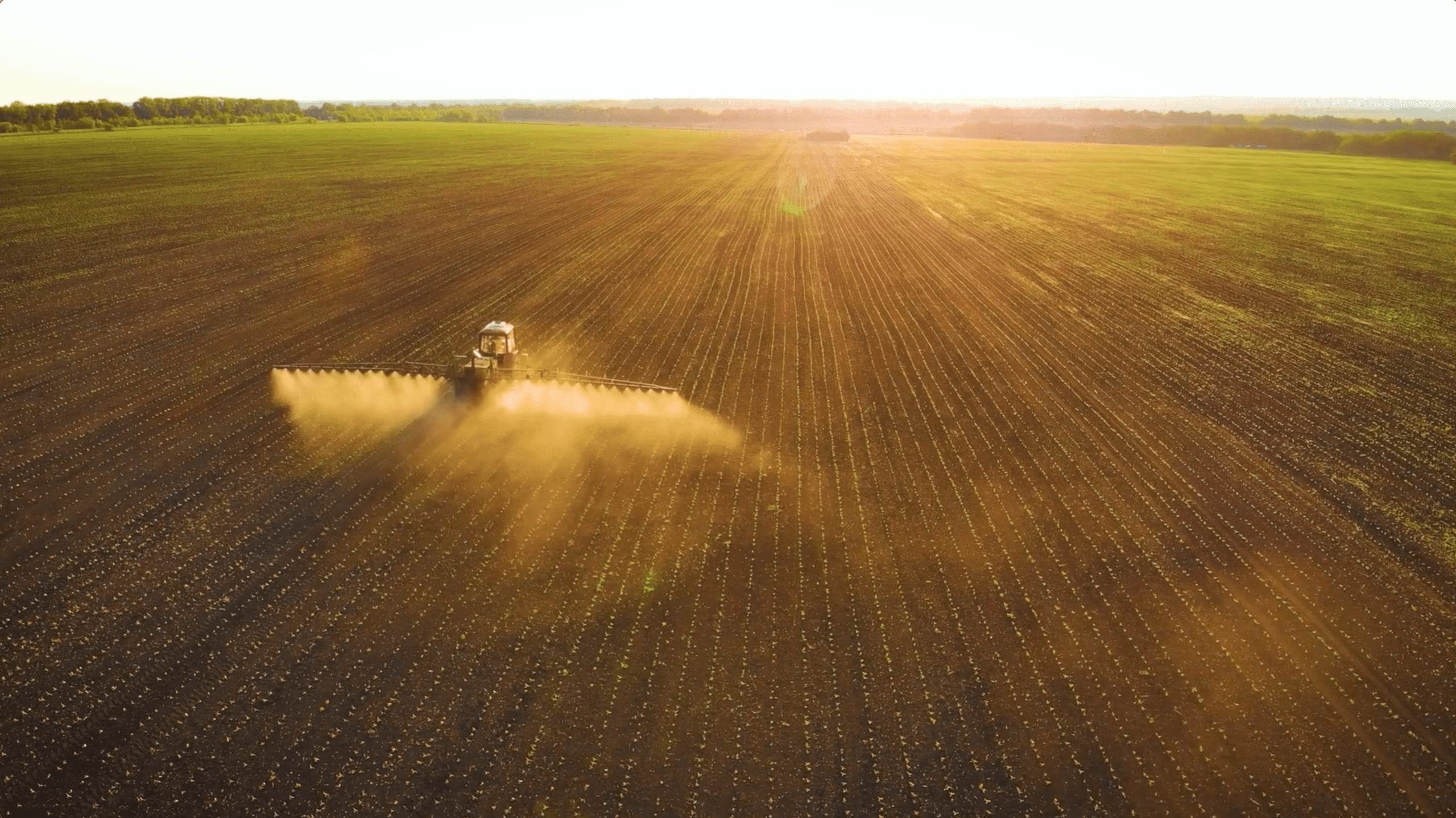
These farming shots show how a ground-level view, a close-up and an aerial can be combined in a short sequence.
The video edit brings together your original footage, stock clips, graphics, music and sound.
We adjust timing, framing and colour, and use sound or graphics to smooth transitions. These changes can help clips sit together, though differences in the location or the activity shown may still be obvious.
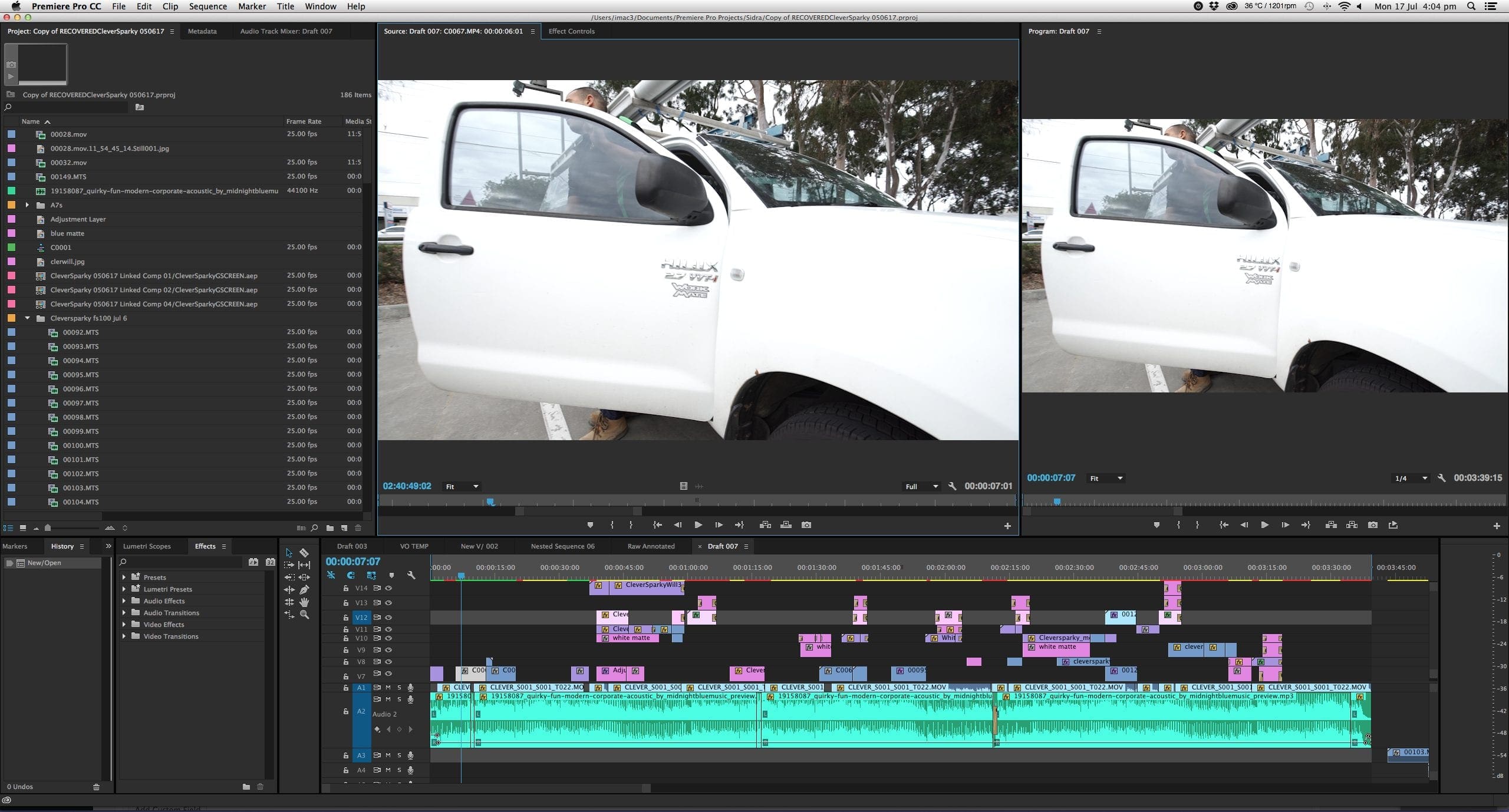
We can handle the search, shortlist, licensing and edit. We’ll ask you to check the clips for details we might miss about your industry or organisation.
These decisions are easiest to make during script planning and pre-production, before the edit is underway.
Stock footage is existing video footage licensed for use in another production. Libraries contain clips of places, people and activities, as well as archive material and aerial views. We use it when a shot can’t reasonably be filmed or a short clip would help establish a location or connect scenes.
It shows your own people, workplace, products and processes. Viewers can see what you’re describing, and you can be confident the footage represents your organisation accurately. That’s why we usually recommend original filming.
We may recommend it for a location we can’t access, historical material, a shot that would be too costly to film or something unavailable on the filming day. A short stock clip can also establish a setting or connect scenes. We check that it accurately represents what the video is describing.
Yes. We normally send watermarked previews or links to a shortlist for you to review. We’ll confirm your choice before licensing it, unless we’ve agreed on a different approval process for a tight deadline.
We check the licence offered for the planned use, including commercial or editorial restrictions, distribution, territory, duration, paid advertising or broadcast use where relevant, and any stated release limitations. We keep the source and licence record with the project.
We compare subject, setting, camera movement, lens perspective, lighting, weather, frame rate, resolution and colour before selecting a clip. We then adjust timing, framing and colour in the edit to help the clips sit together.
Yes. For example, a video could combine interviews filmed at your workplace with a stock aerial view of the city and graphics explaining a process. We match the footage through editing and colour grading, then add music, sound and graphics to complete the video.
Tell us what your video needs to show and where you’ll use it. We can recommend what to film and where stock footage might help.
