Usually storyboarded
Animation is built shot by shot, so we normally agree the flow, action and visual treatment first. A simple motion-graphics piece may only need a script and style frames.
Video production company in Melbourne, Australia.
A storyboard lets us agree the sequence, framing, action and graphics before time is spent on filming or animation. Dream Engine uses it where pre-visualising the work reduces risk, but it is not a compulsory step for every project.

A storyboard turns a script or concept into a visual sequence that the client, producer and creative team can discuss before production begins.
It can expose a missing shot, an unclear transition, an impractical action or a graphics decision that has not yet been resolved. Fixing those things on paper is faster than discovering them on set or after animation is underway.
We recommend the level of detail the project needs. Sometimes that is a fully illustrated board. Sometimes a shot list, style frames or a simpler visual plan will do the job.
We recommend a storyboard when important visual decisions need to be agreed before filming, illustration or animation begins.
Animation is built shot by shot, so we normally agree the flow, action and visual treatment first. A simple motion-graphics piece may only need a script and style frames.
A TVC needs every second to work. The board coordinates performance, product shots, props, timing, graphics and approvals, whether Dream Engine creates it or works from agency creative.
When the content will emerge from real interviews or events, a brief, interview plan, run sheet and shot list can be more useful than pretending every moment is known in advance.
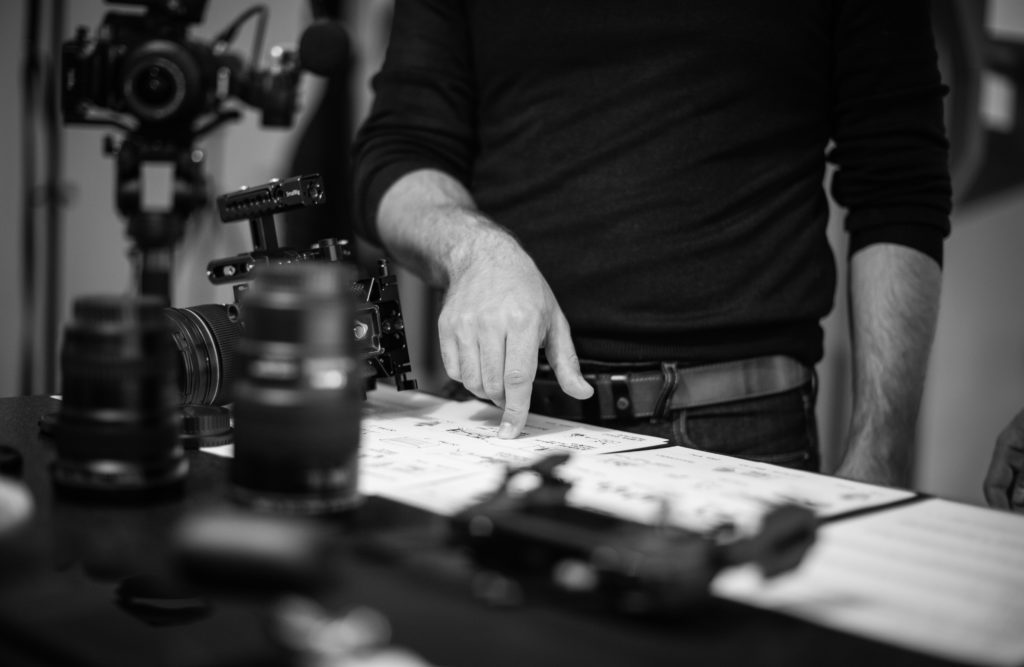
A Dream Engine storyboard is not artwork for its own sake. It is a working production document that makes the intended video easier to understand, review and produce.
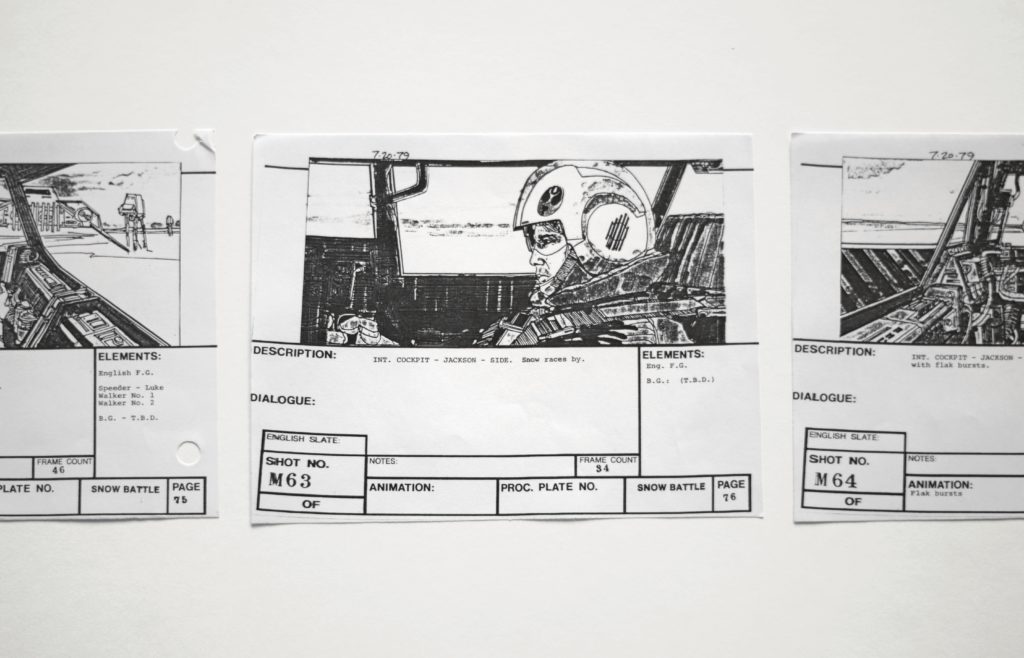
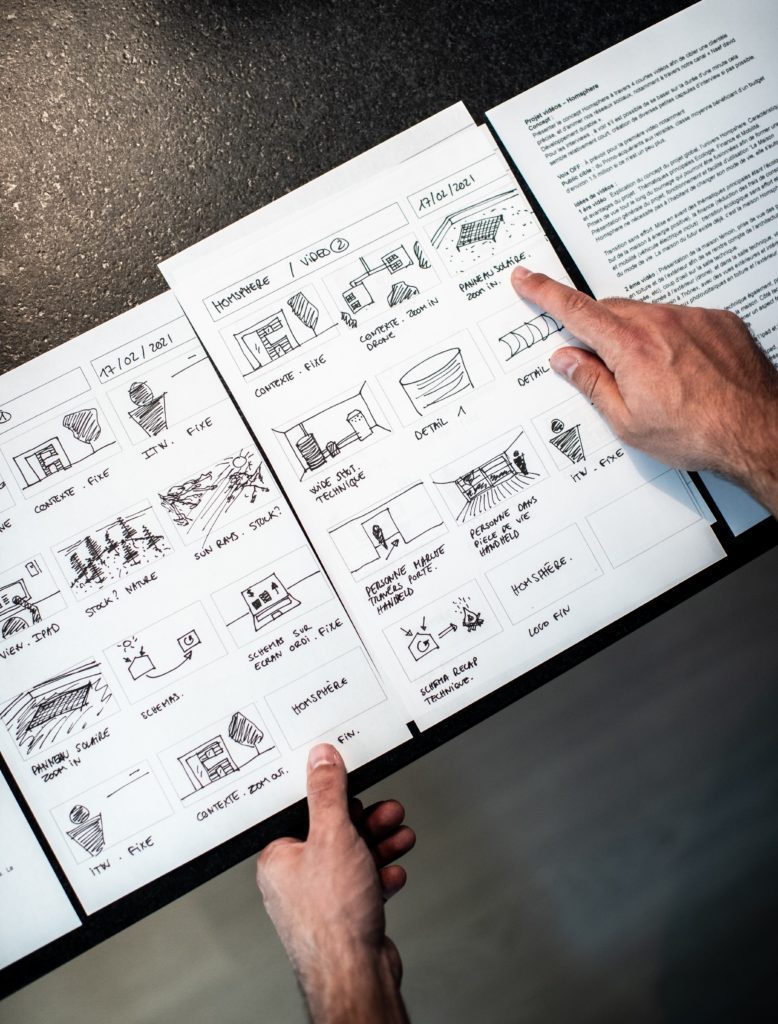
The amount of information varies with the project, but each frame should help somebody make or approve a production decision. It may combine rough drawings, reference images, photographs, graphic layouts or more polished illustration.
A board for a technically precise commercial may include many annotated frames. An animation might use cleaner illustrated panels so the client can approve flow and action. A training video may combine photographs, diagrams and written notes to identify close-ups and sequence.
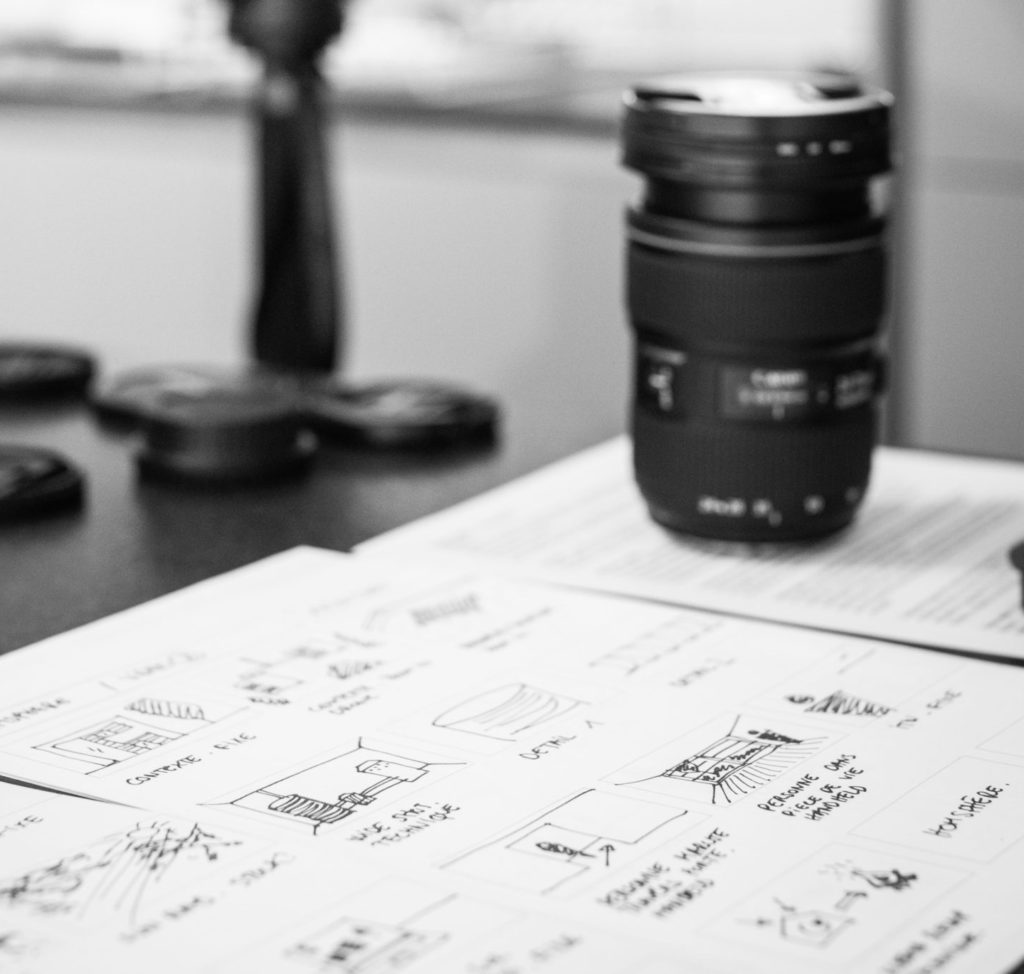
Early drafts can remain deliberately rough. The goal is to resolve the structure before polishing the presentation. Once the sequence is working, the board can be refined to the level the production team and approval process require.

The board develops from the communication objective and script. We do not start drawing until the purpose, audience and central message are understood.
Clarify what the viewer should understand, feel or do after watching.
Establish the spoken content, action and information the sequence must carry.
Agree references, style, framing and the right level of storyboard detail.
Map the sequence and add the notes needed for production decisions.
Collect one clear round of feedback and resolve questions while changes are easy.
Use the agreed board to inform the shot list, schedule, crew, art and animation work.
For the Epson EcoTank television commercials, the storyboards translated comic ideas into precise production sequences before filming. The “Tank” and “Savings/Freedom” boards mapped Jimeoin’s performance, product placement, props, camera reveals, animation, supers, dialogue and sound cues.
That detail mattered because the commercials depended on timing and visual payoffs. It gave the producer, director, camera crew, art department, graphics team and client a common reference before the studio day.


Not every piece of content in the campaign needed the same process. The television commercials were scripted and storyboarded because every shot and claim had to be controlled. The shorter social pieces left more room for improvisation.
Animation videos are usually storyboarded because each scene has to be designed and built. The board gives you a practical way to approve the message, sequence and action while changes are still relatively simple.
It also helps the animator understand what must happen within each shot and how one scene leads into the next. For a simple piece, the storyboard may be minimal. For character animation or a complex narrative, it becomes a more detailed blueprint.

For Bosch technical training modules, Dream Engine created shot-by-shot boards to plan the demonstration sequence, close-ups and supporting graphics. The storyboard reduced guesswork on set and helped ensure every instructional detail was captured.


Your producer recommends the simplest planning tool that gives the project enough certainty. These documents overlap, but they answer different questions.
An illustrated sequence showing what happens from shot to shot and how picture relates to script or action.
A written list of the shots the crew must capture. Useful when visual drawings would not add enough value.
Polished examples of the visual design. They approve how an animation or graphic looks rather than the full sequence.
Storyboard frames edited to rough timing, often with temporary voice-over or music, to test pace before production.
No. Dream Engine recommends a storyboard when visual sequence, action, timing, graphics or product details need to be agreed before production. A straightforward interview or documentary-led video may only need a brief, interview plan, run sheet and shot list.
Usually. A storyboard lets the client approve the flow and action before time is invested in illustration and animation. A simple motion-graphics video may sometimes be planned with a script and style frames instead.
Yes. Television commercials need close control over timing, performance, product shots, graphics and claims. Dream Engine can develop the storyboard or work from creative supplied by your agency. The board can also support pre-production review and approval.
The producer first defines what the board needs to communicate. Depending on the project, frames may then be created by a storyboard artist, illustrator, designer, animator or the production team using drawings, photographs and reference images.
Detailed enough to make the next decision. Some projects need rough frames that test structure. Others need polished panels with camera, performance, graphics and audio notes so several departments can work from the same plan.
Yes. Review and revision are part of the process. The aim is to resolve the sequence before filming or animation starts. Changes can still be made later, but they may affect the schedule or cost once production work is underway.
Tell us what the video needs to achieve. We will recommend whether a storyboard, shot list or simpler plan will be most useful.