
Send your brief or RFQ
If you’ve already got a brief, email it to info@dreamengine.com.au. We’ll read it, ask any follow-up questions and flag the decisions we need before we quote.
Video production company in Melbourne, Australia.
You don’t need a polished document to get started. Just tell us what you want the video to do, who needs to see it and where it’ll be used. You can write the brief yourself, or we’ll work through it with you.
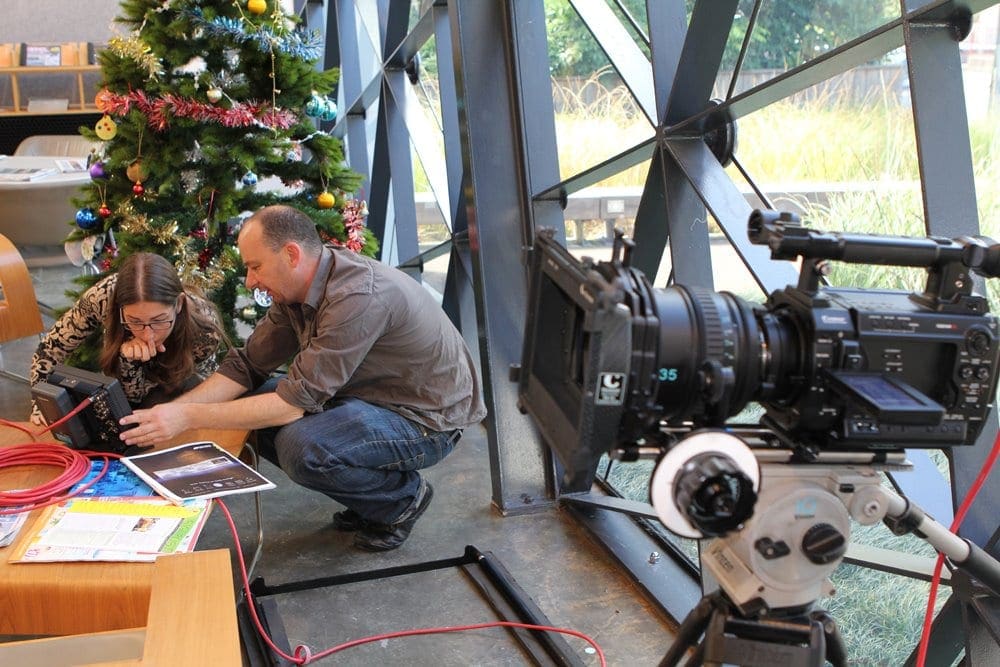
A video production brief sets out the purpose, audience and requirements for a video.
Our Melbourne production team uses it to recommend an approach, prepare a quote and plan the work with you.
Use the video brief template below to gather your notes, including any decisions you still need help with.
Some clients come with a detailed procurement document. Others have a rough idea and a deadline. Either is fine.
If you’ve already got a brief, email it to info@dreamengine.com.au. We’ll read it, ask any follow-up questions and flag the decisions we need before we quote.
Our Get a Quote form covers the basics: audience, content, message, budget, timing and any examples you like.
If you’re still working things out, we’ll talk through the options and turn your answers into a practical brief. Contact us to arrange a call.
You can fill in the detail later. These answers give us a direction and help us ask the right follow-up questions.
What should change after someone watches it? They might understand a process, trust a service, choose a product, learn a task or feel better about a change.
Be as specific as you can. Tell us who they are, what they already know, what matters to them and what might stop them taking the next step.
Where people watch the video affects its length, structure and format. A website, training portal, presentation, event, LinkedIn campaign or internal channel will each need something slightly different.
You don’t need perfect answers. Tell us what’s fixed, what you’d prefer and where you want our advice.
Start with why you’re making the video. A video for new customers has a different job from a training module, an internal update, a recruitment film or a government information campaign.
Then tell us who you need to reach. Try not to say “everyone” unless that’s really true. What your audience knows, cares about and thinks of your organisation will shape the language, examples, pace and people we put on screen.
What’s the one thing the viewer should remember? A clear main message helps us decide what belongs in the video and what doesn’t.
Tell us about any supporting messages, approved wording or facts that have to be included. Also tell us what you want the viewer to do next, even if it’s simply to understand, feel reassured or talk to someone else.
Tell us what you expect to see in the video. It might include interviews, a presenter, a customer story, a demonstration, workplace footage, an event, animation, archive material or a mix of these.
Tell us who might appear, where we could film and when people and locations are available. Include any site inductions, restricted access or limits on filming during working hours. We’ll use this information to plan the filming schedule.
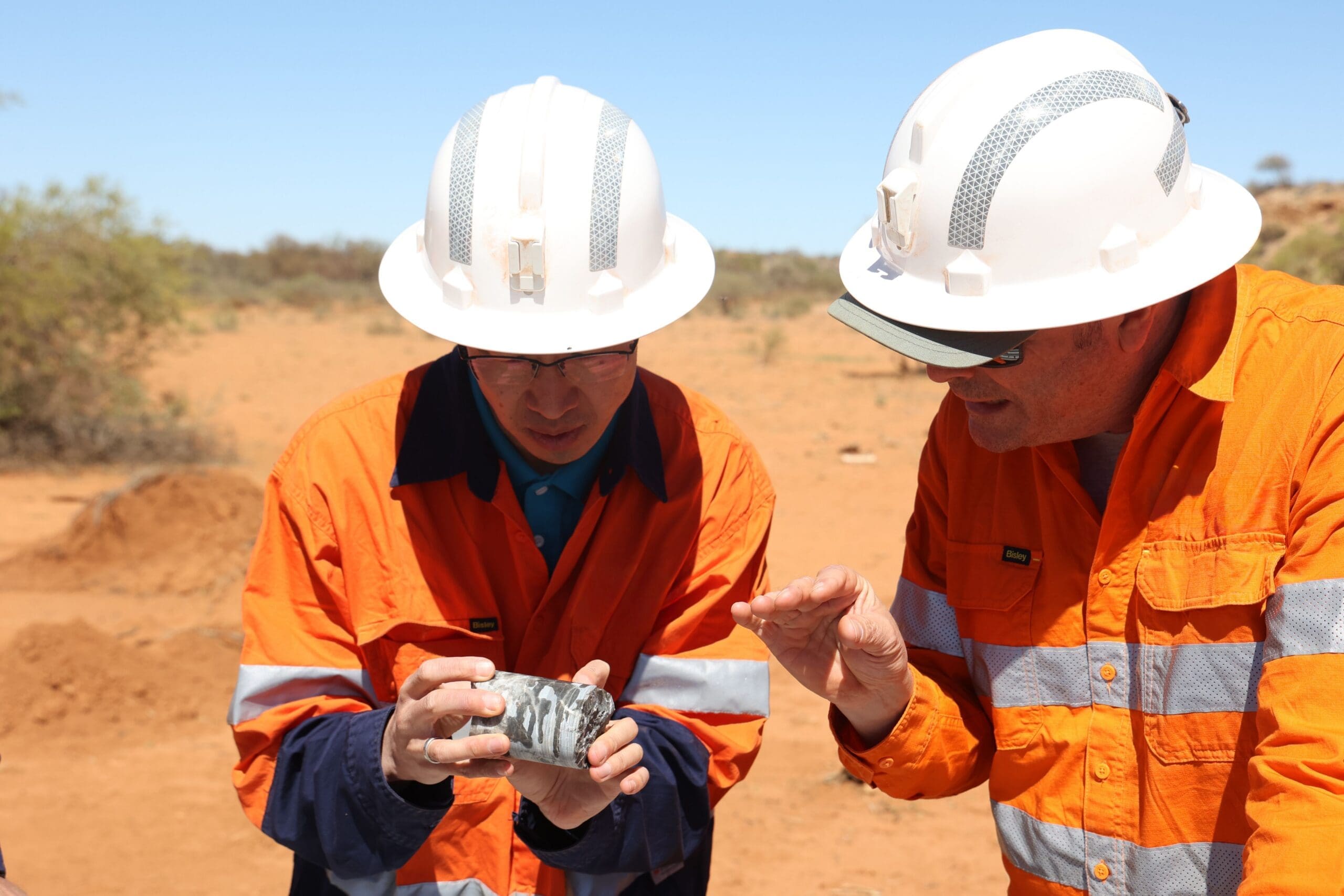
Tell us everywhere the finished video needs to work. It’ll affect the length, framing, captions, graphics, calls to action and the versions we include in the quote.
If you’ll need a main website video, shorter social edits and vertical versions, tell us before filming. That way, we can frame the shots properly, capture enough supporting footage and make sure text will be readable in every format.
Give us the launch or delivery date, along with any internal review dates. We’ll check whether the schedule allows enough time for planning, filming, editing and approvals.
A budget range helps us work out how much filming, editing and animation the project can include. Tell us if it’s a fixed limit. If you haven’t set a budget, we can explain the options and what each would involve.
If the scope and budget don’t match, we’ll say so. Then we’ll help you decide what to simplify, stage or prioritise.
Tell us who’ll provide information, review the creative work and give final approval. It’s fine to have several stakeholders, but agree on who’ll combine their feedback and who’ll make the final call if people disagree.
Send us any brand guidelines, campaign material, legal wording, accessibility requirements or agency specifications the video needs to follow. Seeing these early helps us avoid unnecessary changes later.
Tell us what you know about the audience, your organisation and any practical limits. We’ll recommend how to film and edit the video within the agreed budget.
If an agency or broadcaster has supplied a technical specification, send it to us. Otherwise, tell us where the videos will be used and we’ll recommend the right formats.
Copy these questions into an email or document and answer them in your own words. Short answers are fine. If you don’t know something yet, write “open to advice”.
Send a completed brief to info@dreamengine.com.au, or answer the core questions through our online form.
What’s the project, and why now?
What should the video achieve, and what should viewers understand, feel or do next?
Who needs to watch it and what matters to them?
What’s the one thing they should remember?
What topics, actions or stories belong in the video, who might appear and where could filming happen?
Where will people watch it, and what main video, shorter edits or alternate versions may be needed?
When is the delivery date and when are internal approvals due?
What range, limit or spending approval are we working within?
Who contributes information, reviews the work and gives final approval?
What rules, files or existing material should we see? For examples, tell us what you like or dislike about each one.
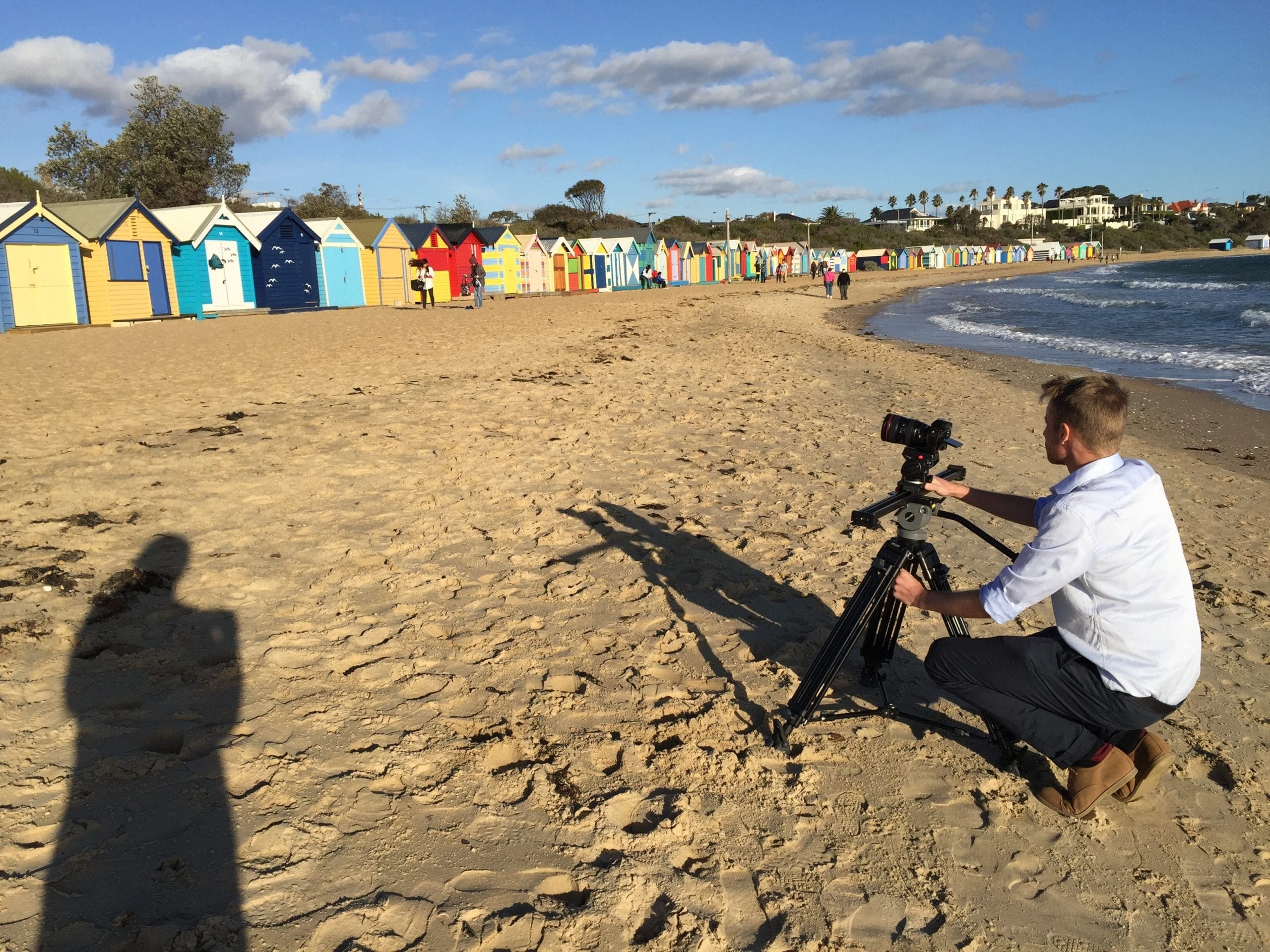
We’ll review your brief, clarify any gaps and set out the work in a proposal for approval.
We check what the video should do, who it’s for and where it’ll be used.
We clarify the details that affect the approach or quote.
We set out the deliverables, responsibilities, timing and cost.
Once you approve the scope, we’ll prepare the script, interview questions, storyboard, schedule or shot list the project actually needs.
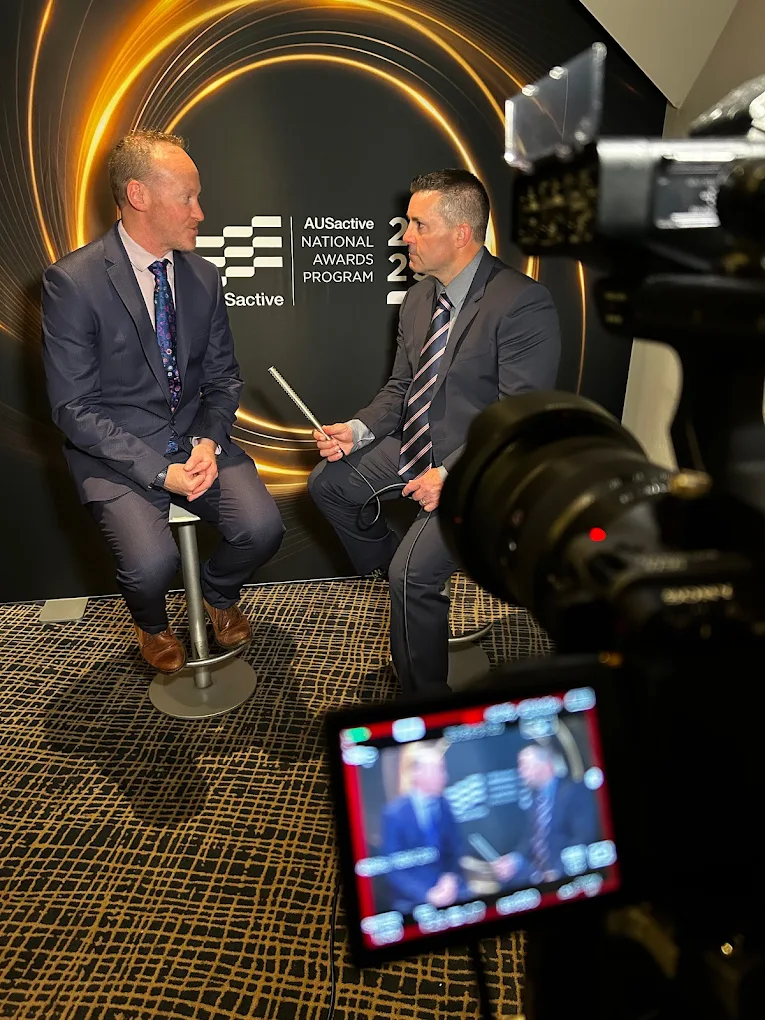
Mosaic Private needed an end-of-year film featuring senior staff and board members, plus shorter videos for later release. We planned both uses before the filming day.
We grouped the interview questions by topic, including the Sydney office and borrowers. Each answer needed enough context to work in a short edit as well as the main film.
One filming day gave Mosaic a 3-minute 16-second end-of-year film and material for follow-up content, without bringing the contributors back for each new video.
No. You can come to us with a finished document, an RFQ, answers in our quote form or just an idea of what the video needs to do. We’ll help you fill in the gaps.
Start with a one-page summary of the purpose, audience, content, intended use, timing, budget and approvals. Attach supporting material such as brand guidelines, reference videos or technical specifications. Larger projects may need more detail, which we can work through with you.
Yes, if you have a range or fixed limit. It helps us recommend a realistic approach and explain where the budget will make the biggest difference. If you don’t know the budget yet, say so and we’ll talk through the options.
No. Bring them if they already exist, but you don’t need them to brief us. Once the objective, audience and approach are clear, we’ll work out which planning documents the project needs.
List everyone who needs to contribute, review or approve the work. We’ll agree on the review stages and ask for one combined set of comments each time, with one person making the final call.
Tell us what the video needs to do, who needs to see it and when you need it. We’ll work out the production details and put together a clear plan.
