
Who is it for?
We look at what the audience knows, what matters to them and what may stop them from listening or taking the next step.
Video production company in Melbourne, Australia.
Before we start writing, we work out what the video needs to do, who it needs to reach and the best way to tell the story. You can bring us a finished brief, a folder of source material or simply the subject you need to explain.
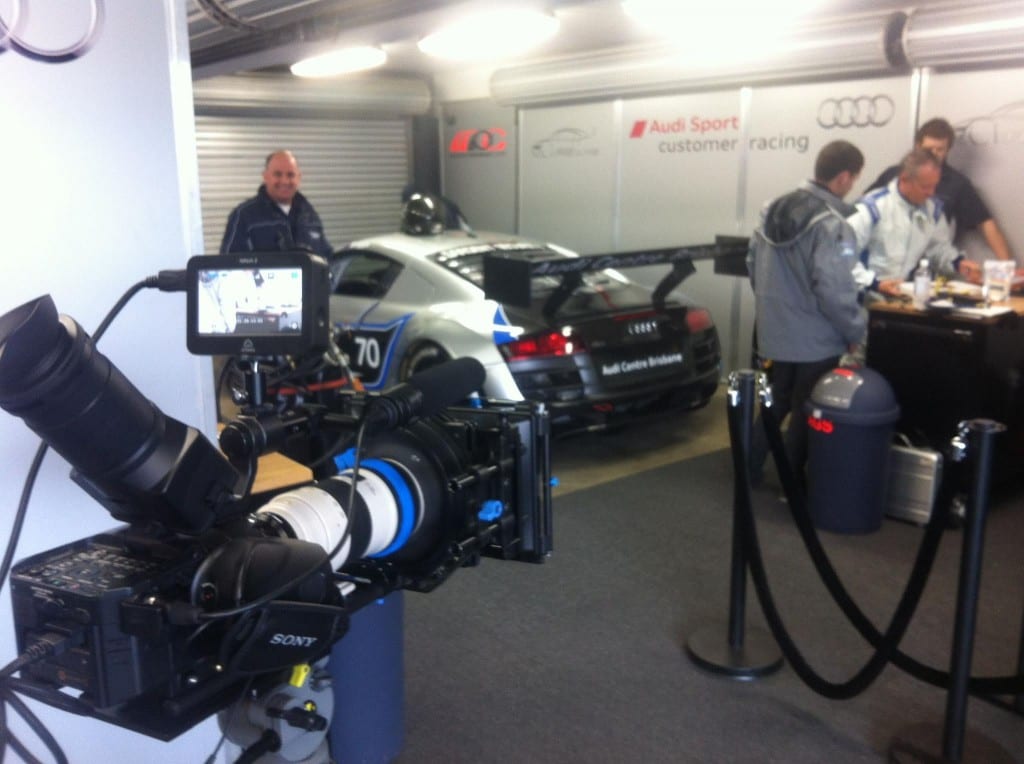
The planning stage gives the script a job to do. It also gives you a chance to agree on the direction before time is spent writing detailed words.
We gather the facts, understand the audience, choose the right format and work out the central idea. The amount of planning changes from project to project, but we do not skip the thinking.
These are the decisions that keep the script relevant. They help us choose what to include, what to leave out and how much detail the project actually needs.
We look at what the audience knows, what matters to them and what may stop them from listening or taking the next step.
Should viewers understand a service, choose a product, learn a task, support a change or feel confident enough to make contact?
A website, presentation, training portal, event or social feed can call for a different length, pace, shape and amount of context.
We identify the main point and the supporting facts. If everything is treated as equally important, the script quickly becomes crowded.
You know your organisation, product or service. Our job is to understand it well enough to explain it clearly to the people who need the video.
We may review your website, decks, reports, existing videos and background documents. We look at who uses the product or service, how they use it and what questions they commonly have.
We can also speak with the people closest to the subject. That might include sales staff, technical experts, service teams, presenters, customers or senior stakeholders. Their input helps us find what is important, accurate and useful.
Where it helps, we review similar videos to see what audiences will already be familiar with, what feels overused and where your video can be clearer.
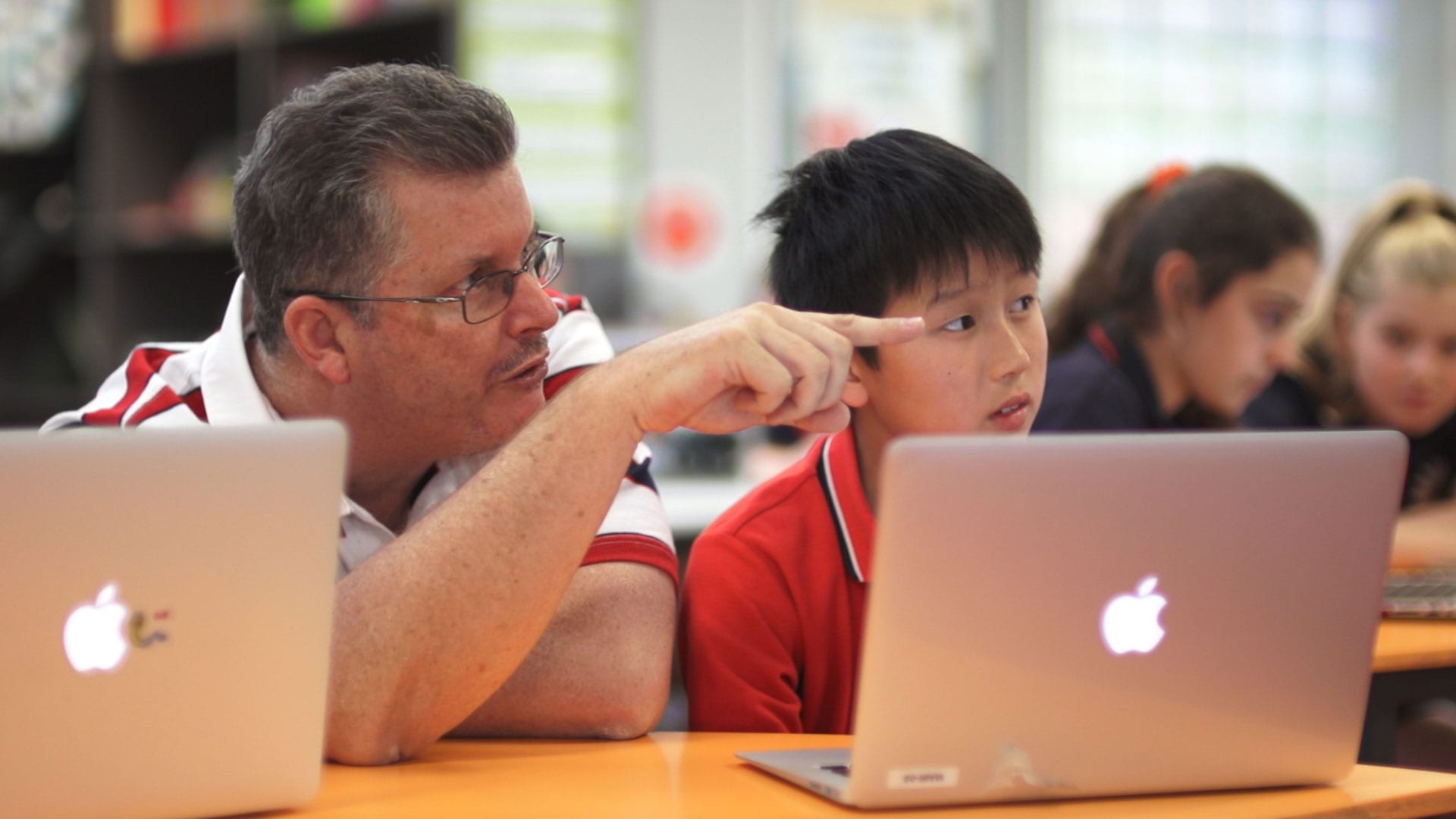
The right document depends on the type of video, the people appearing in it and how tightly the message needs to be controlled.
Animation, voiceover, television commercials, training, presenter-led and autocue videos usually need detailed wording. We also plan what appears on screen alongside it.
For interviews, we usually agree on the themes, contributors and questions rather than scripting the answers. This gives us the material we need while keeping responses natural.
A video may combine an approved introduction, authentic interviews, voiceover, demonstrations and graphics. We decide which parts need exact wording and which need a clear guide.
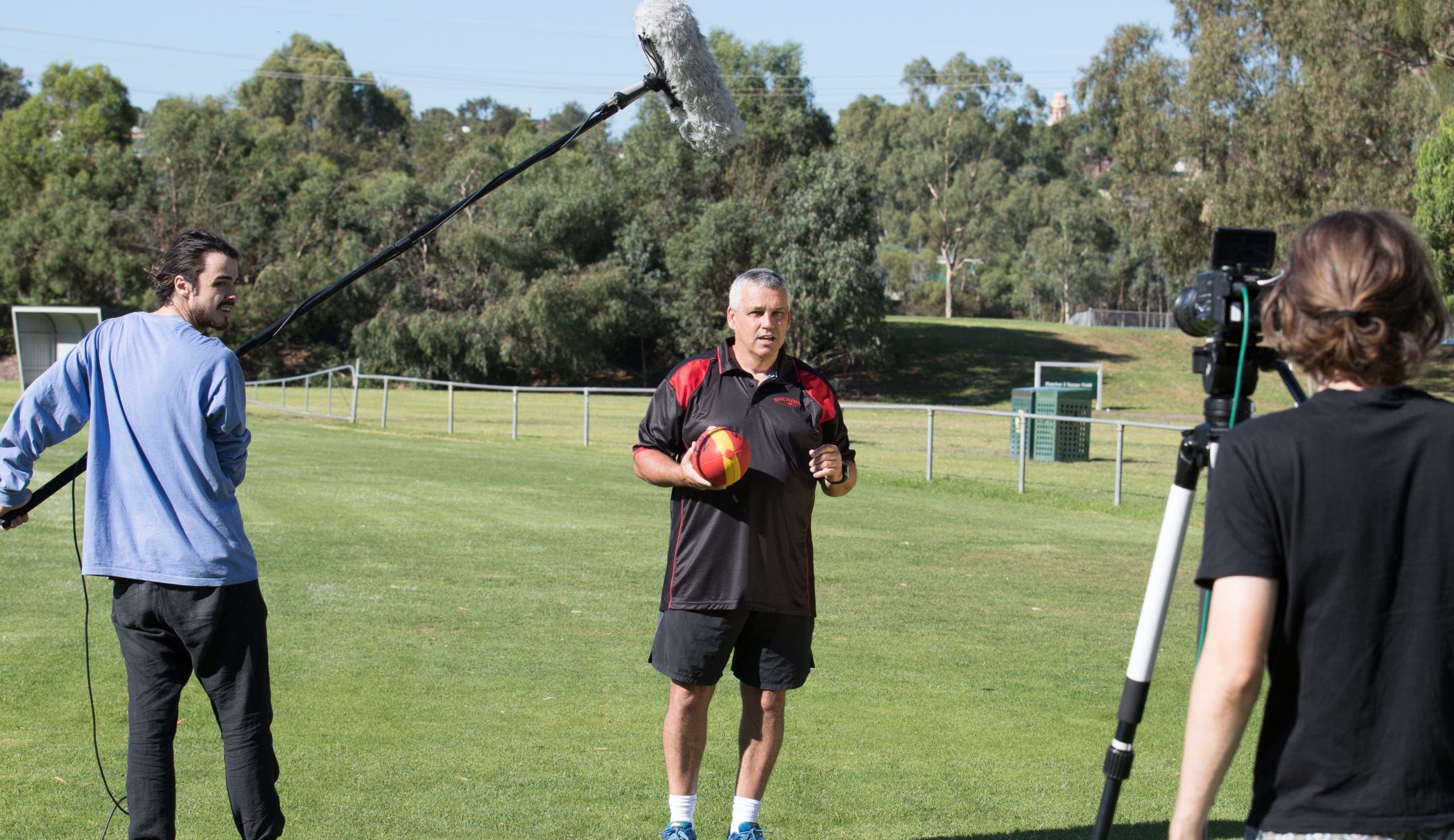
Before an interview shoot, we work out what the finished video needs to cover and who is best placed to speak about each point.
We prepare questions that encourage useful, complete answers. On the day, the producer listens closely and asks follow-up questions when an answer needs more detail or a clearer example.
For projects that need a developed creative approach, we move through these stages in order. You see the direction and give feedback before we add the next level of detail.
The concept explains what the video is, who it is for and the main idea behind it. It is short enough to review quickly and clear enough to show whether we are heading in the right direction.
The treatment develops the structure, tone, style and visual approach. It may cover presenters, interviews, locations, animation, graphics, music and the way the story will unfold.
Once the direction is agreed, we can write the spoken words and describe the key visuals, graphics or on-screen action. Our next process page explains this writing stage in detail.
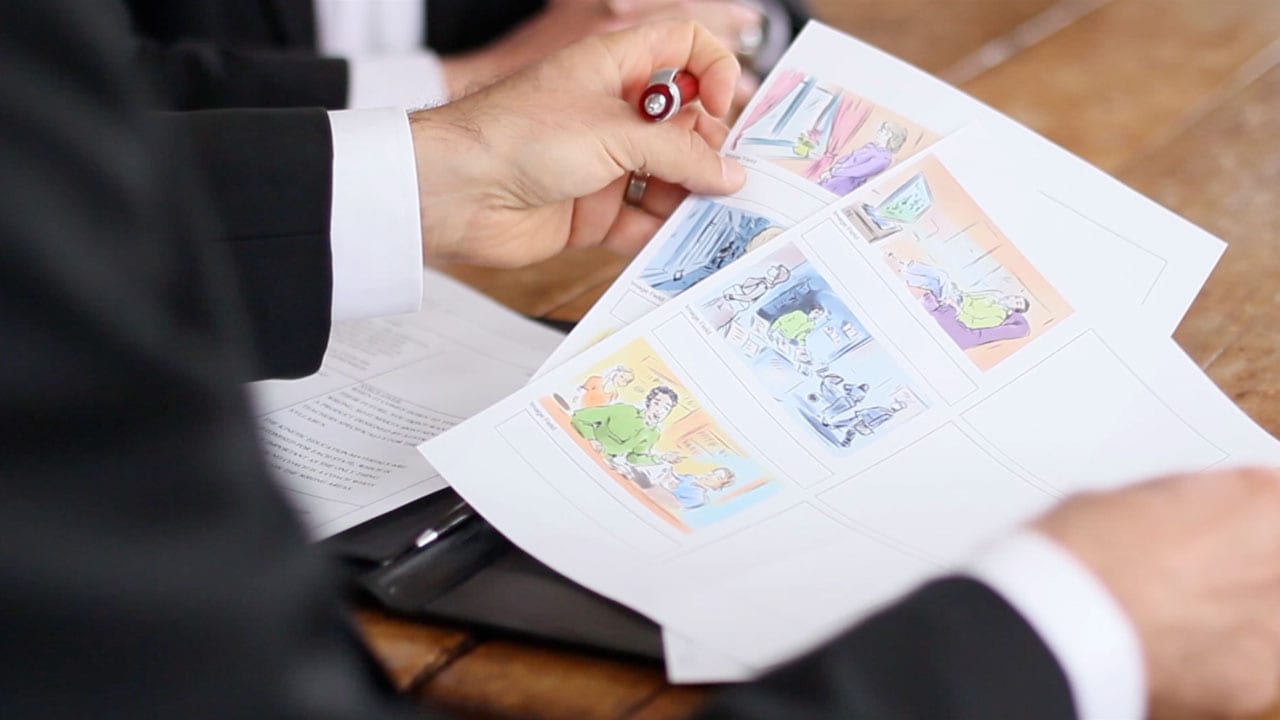
We send the concept, treatment or outline to you before moving on. This gives your team a practical point to comment on and helps us correct the direction early.
Not every project needs three separate documents. For a straightforward interview video, the plan may be a short outline and question list. For an animation or television commercial, the stages are usually more detailed.
Video is visual. If an idea can be shown clearly, the script does not need to explain it again. Planning the audio and pictures together makes the finished video easier to follow and more interesting to watch.
Narration, presenter wording, interview themes, questions, calls to action and any approved claims.
People at work, product use, demonstrations, locations, archive material, graphics, titles and animation.
Examples, customer experience, statistics, processes and visual proof that support the main message.
Contributors, props, access, locations, filming time and specialist material that must be organised early.
We want to know how the finished material will be used before the script and shot plan are locked. This avoids discovering after the shoot that an important version needs different framing, wording or supporting footage.
Website, presentation, event, training portal, internal communication or paid campaign.
How much time viewers will realistically give the video and how much context they already have.
Shorter cutdowns, vertical or square framing, captions and openings that make sense without the main video.
Style guides, approved language, captions, translations and any accessibility or compliance requirements.
The output is scaled to the project. The aim is not to create paperwork. It is to give the writer, client and production team a clear shared direction.
Key information, references, claims, examples and any points that still need to be checked.
A concept, treatment or outline that shows the main message, tone, structure and visual approach.
A full script plan, interview question set, narration outline, run sheet or a combination of these.
The people responsible for facts, brand, compliance and final approval, plus how feedback will be combined.
Once the plan is agreed, we can move into the scriptwriting process with fewer assumptions and a much better chance of getting the first draft right.
No. Animation, voiceover, television commercials, presenter-led and autocue videos usually need detailed scripts. Interview-led videos are often better planned with themes, questions and a clear story outline so the answers remain natural.
The brief explains what the project needs to achieve. The concept is the central idea. The treatment shows how that idea will work as a video. The script contains the detailed spoken words and important on-screen action.
Yes. We can review your existing material, research the product, service and audience, look at comparable videos and speak with relevant stakeholders. The amount of research is matched to the project and agreed before we begin.
Yes. Send us what you have, even if it is rough or written for another purpose. We can identify the useful material, find any gaps and turn it into a video plan that is clear for the intended audience.
We agree on the audience, purpose and story, then decide who can speak to each part. We prepare themes and questions, plan the supporting footage and leave room for honest answers and useful follow-up questions during filming.
For a developed creative project, you can review the concept, treatment or outline before detailed writing begins. Smaller projects may combine these stages. We agree on the review points and approvers at the start.
Ideally, yes. If we know you need shorter, vertical or square versions, we can plan the structure, shot framing, captions and supporting footage so every version works properly.
Send us what you have. We can research the gaps, ask the right questions and turn the material into a clear plan for your video.
