
Melbourne Video Producer
What Does a Video Producer Do?
A video producer’s role is to manage the pre-production, production, and post-production process of a video. Below we outline our approach as a Melbourne video producer for a successful corporate video production.
What Are Video Producers?
A video producer acts as the project manager on corporate and branded videos. They help oversee everything from script to screen, ensuring clients objectives and needs are met. Working with the client, they will help realise what video the client wants and lay out the process to achieve this.
They are also the main point of contact throughout the production process. They ensure the client is always kept updated regarding the progress of the video and will answer any questions they have during the process.

Why Do I Need a Producer?
Their aim is to simplify the seemingly complex process of creating a successful corporate video. Having a video producer on your video project means you will have more time to focus on other activities in your business.
You won’t have to worry about missing steps, how best to get a good answer for your interview or what copy you need in your script. They will take care of everything for you and you can focus on getting the best video.
Dream Engine’s Video Producer is based in Melbourne, and works on projects Australia-wide, as well as internationally.
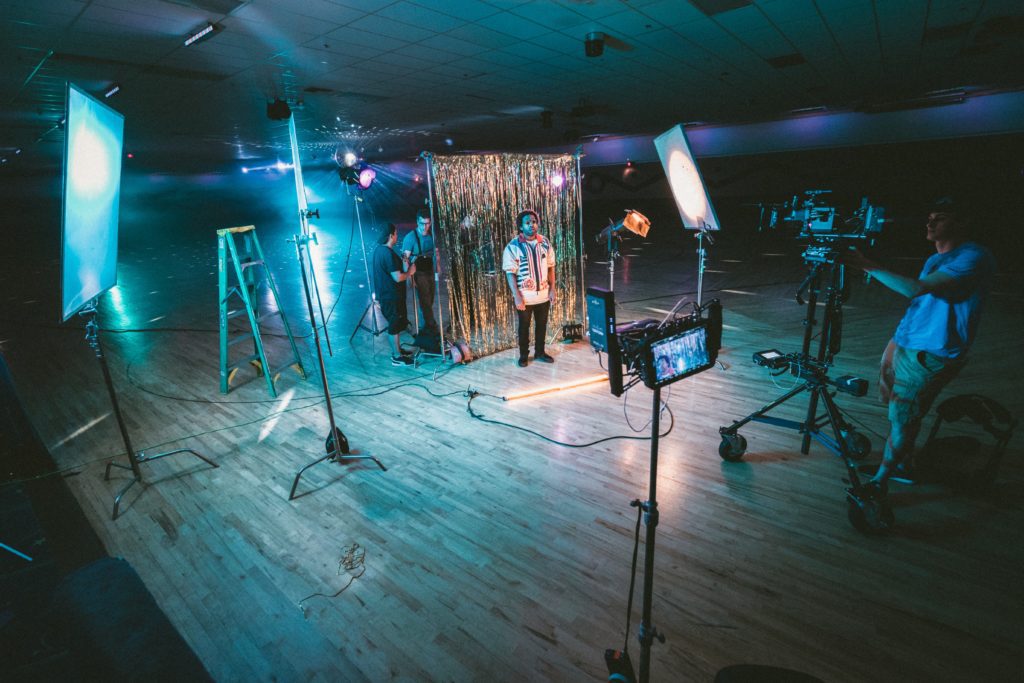
Video Pre-Production
Breaking Down The Process
A video producer helps to define each step needed in a solid video production strategy. Pre-Production is essentially the bones of your video production strategy. They are experts in breaking down the required steps needed to create a successful corporate video.
Managing The Video Brief
Thanks to their thorough understanding of the production process, they help clients manage their video brief, ensuring it is met and understood. From there, they will source any required talent, find locations, obtain permissions, build a suitable crew and build production schedules.
Help Create The Script
Once they’ve interpreted the client’s video brief. A video producer will help them plan and write a script. They will help articulate the client’s key message and describe how best to show this in their video. Once this is finished they will help create a plan for the shoot by building a shot list.

Video Production
Plan The Day
The video producer is in charge of ensuring the day goes to plan. Thanks to their work in pre-production, the shoot will have been meticulously planned. If for any unforeseeable reason, the day doesn’t go as planned, the producer makes alternative arrangements to get things back on track. In turn, this allows everyone to focus on shooting the best content they can.
They Set Shoot Expectations
If the crew is large, they help set the tone for the start of the day by ensuring the whole crew knows what is expected of them. They also make sure anyone who will be appearing on camera is relaxed and looks good for the camera. More importantly, on the day, they work with the client to film what is agreed on in the brief and script.
Video Producer/Director
On most projects, they will also act as the director. For example, on a corporate video, the producer will be the one asking questions in an interview format. This ensures they work with the interviewee to get the best possible content for the client. After the shoot, the video producer also ensures all video content is secure, backed up and readied for editing.
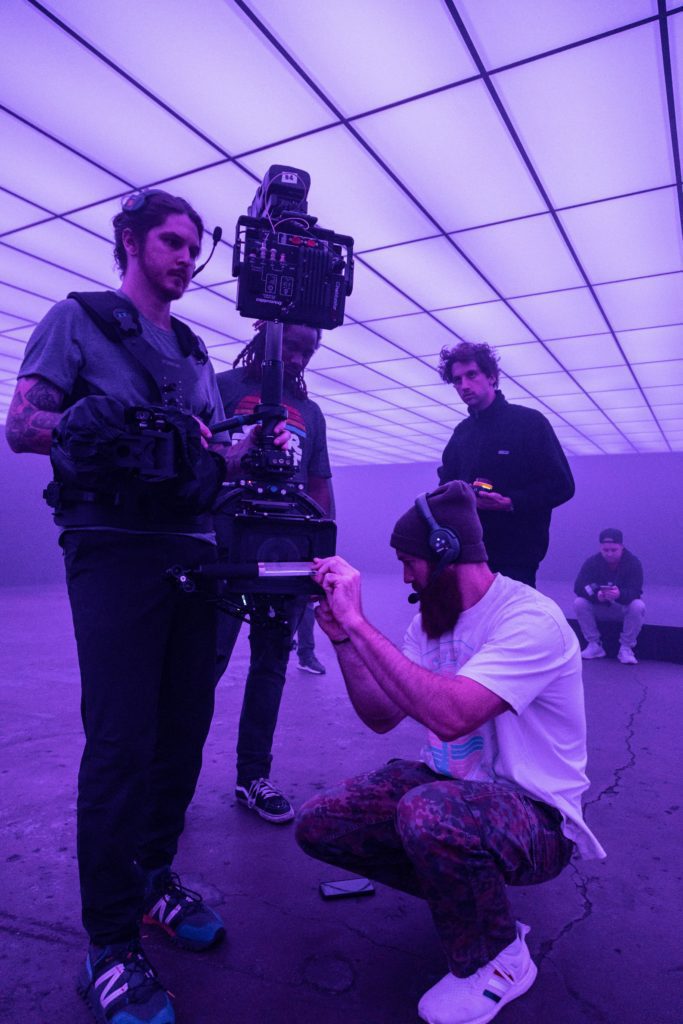
Video Post-Production
There are two main things a video producer does in the post-production stage. The first is delivering your video on time and the second, having a high attention to detail. They will supervise the editing stage, ensuring the client’s vision and brief is met.
Managing the Feedback Process
During the feedback stage, a they will work with the client and editing team to help manage the process. They will help implement any required changes, and any additions the clients may want for their finished video.
Delivering Your Video
Once the client is happy with the final video, the producer will work with the editor to place in graphics, titles and music to give the video a final finesse. If your video is a TV Commercial, they will also despatch your TVC to broadcast, helping prepare legal documents and submission.

Need a Video Producer?
Need a Melbourne video producer for your next corporate video? Contact us and we’ll help walk through where we think a producer can help you. In our next article, we’ll talk about what a video director does and how they can help you. Explore the video production process.
Frequently Asked Questions
What does a video producer do?
The producer plans and manages the filming process. This includes coordinating schedules, confirming locations, preparing talent, supervising the shoot, and ensuring everything runs smoothly on the day.
Do you work directly with our team?
Yes. We work closely with your marketing, communications or events team to make sure everyone is prepared and understands what will happen before and during the shoot.
Can you manage multiple filming locations?
Yes. We can organise filming across offices, sites or external locations across Melbourne. We plan the day so travel and setup are efficient.
Do you handle scheduling?
Yes. We create a clear filming schedule that makes efficient use of time, minimises disruption and ensures everyone involved knows when they are needed.
How do you keep the filming day on track?
We guide the process calmly and clearly. We manage time, coordinate contributors, and make adjustments when needed so the day stays organised.
Are you comfortable working with senior stakeholders?
Yes. We regularly work with executives, board members and public-facing professionals. We understand the importance of preparation, clarity and respect for their time.
Can you work within our brand guidelines?
Yes. If you have brand requirements for tone, messaging or visual presentation, we ensure the production aligns with them.
Can you coordinate additional crew if needed?
Yes. We can bring in camera operators, assistants, sound recordists, drone operators or specialized technicians depending on the scale of the project.
