Set the visual approach
Develop the treatment, visual references, script, storyboard or shot plan so the client and crew can see how the video will work.
Video production company in Melbourne, Australia.
The director turns an agreed brief into the visual style, performances and footage the final video needs. At Dream Engine, that direction begins well before the camera rolls and continues through filming and the edit.

Direction at Dream Engine
Good direction gives the client, performers and crew a shared understanding of what they are making and why each choice belongs in the video.
Dream Engine has been creating videos for businesses, government departments and educational organisations since 2002. We bring that practical experience to corporate videos, brand films, animations and TV commercials without making the production more complicated than it needs to be.
The work changes as the project moves forward. Before filming, the director makes the creative approach visible. On set, they turn it into shots and performances. In post-production, they help shape those elements into one coherent film.
Develop the treatment, visual references, script, storyboard or shot plan so the client and crew can see how the video will work.
Guide performers and interviewees, work with the camera and lighting teams, assess each take and adapt without losing the intent.
Help shape the performance, pacing, music, graphics and visual choices so the finished video matches the approach everyone approved.
A video director turns the purpose of the video into clear creative choices and helps everyone involved work towards the same result.
The director is responsible for how the story is expressed on screen. They interpret the brief, establish the tone and visual approach, guide the people appearing on camera and decide whether the material being captured will work together in the edit.
Sometimes a client or agency arrives with a developed creative concept. In that situation, our role is to understand it thoroughly and realise it with the available people, locations, schedule and budget. On other projects, Dream Engine helps develop the approach from the initial communication objective.
Direction is a series of connected decisions rather than one dramatic instruction on set. Framing, movement, performance, pace, sound and edit all need to feel as though they belong to the same video.
Not every production needs a separate person whose only role is directing. On many interview-led corporate videos, testimonials and straightforward communications projects, an experienced producer can also direct the interviews and work with the camera crew.
A dedicated director becomes more valuable when the creative demands closer attention: a TV commercial with a performer, a scripted brand film, precise blocking or camera movement, a product sequence with several departments, or a shoot that needs many visual elements to match.
We recommend the team the project genuinely needs. The decision is based on complexity, performance, creative risk and the amount of coordination required, not on adding another title to the crew list.
The director first needs to understand the audience, message and intended response. From there, the creative approach can be developed into references that the client and production team can evaluate before the filming day.

A storyboard is particularly useful for TV commercials, animation and sequences with precise action, but it is not compulsory for every project. The preparation should be detailed enough to align the team without creating work that the video does not need.
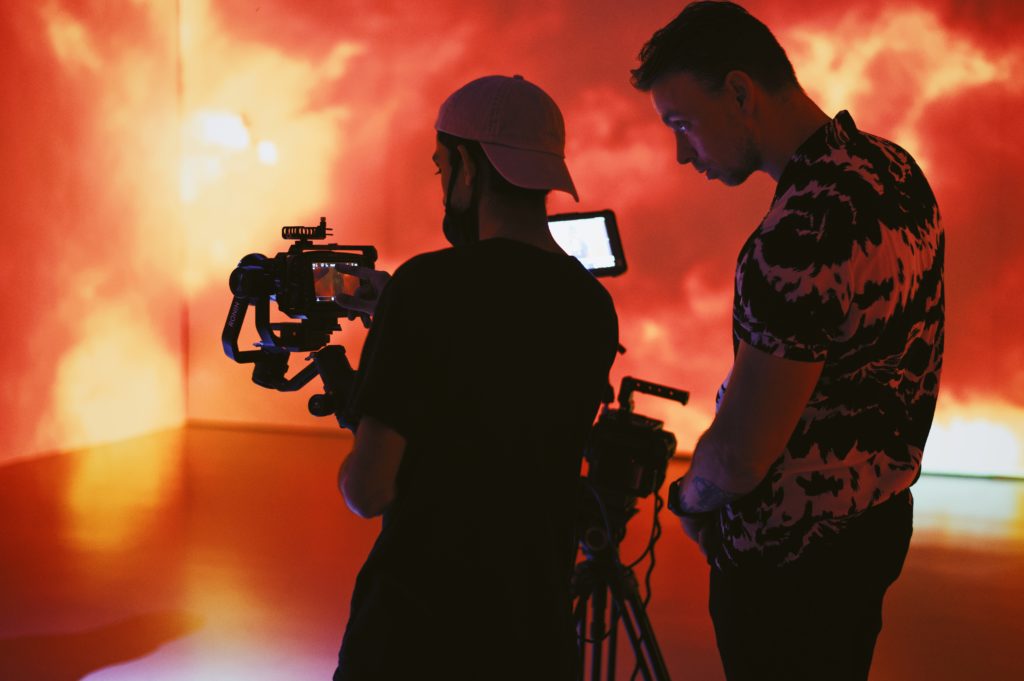
On the filming day, the director creates the conditions for the best possible performance while keeping the crew focused on the agreed visual approach. With actors or presenters, that may mean adjusting delivery, movement, timing or emphasis. With real employees and clients, it is often about making the situation feel less like a performance.
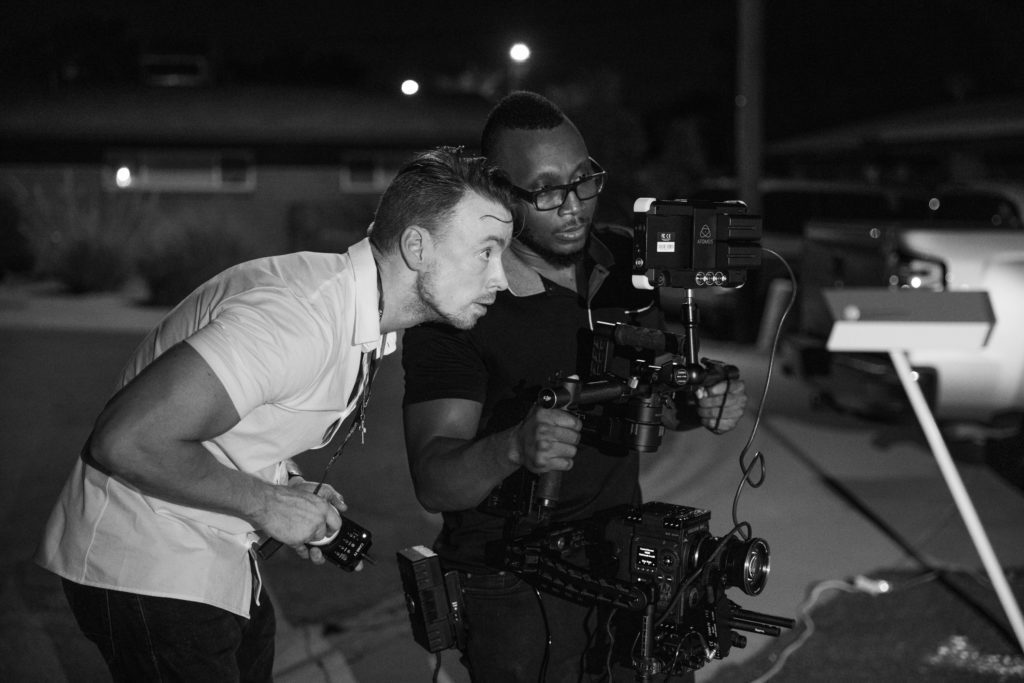
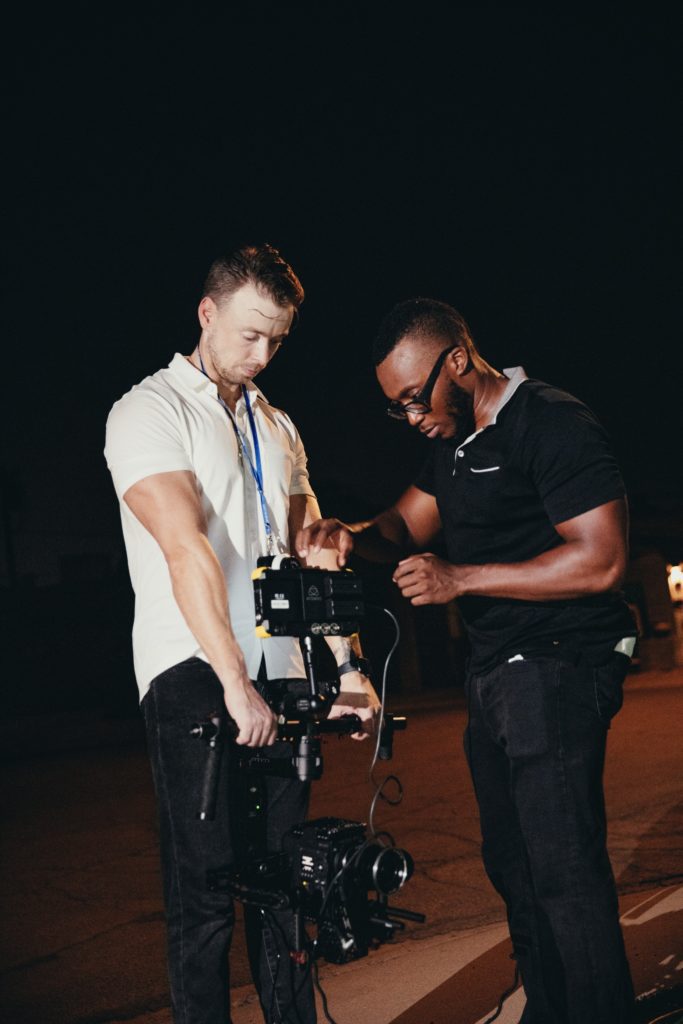
The director works closely with the cinematographer and camera crew on framing, movement and coverage. They also collaborate with lighting, sound, art department, wardrobe and makeup where those roles are part of the production.

After each take, the director decides whether the story point is clear and whether the performance and technical execution are working together. If something unexpected produces a better result, the plan can change, but only when it improves the video.

Most people appearing in a corporate video are not actors. They may know the subject extremely well but still feel self-conscious when lights and cameras are pointed at them.
For an interview-led video, direction starts by explaining the process and building rapport. During the conversation, the director listens closely, asks open questions and follows useful answers rather than rushing through a fixed list. They also keep track of what the edit will need, so a relaxed interview still produces focused material.

The aim is not to feed somebody a polished line. It is to help them express what they genuinely know in a way that is clear, natural and useful. When exact approved wording is required, the director can instead coach the speaker through a scripted delivery using an autocue.
An animated video still needs creative direction even though there may be no set, camera crew or performer. The director helps establish the narrative structure, visual style, tone and pace, then works through the script, storyboard, style frames, voiceover and animation stages with the client and creative team.
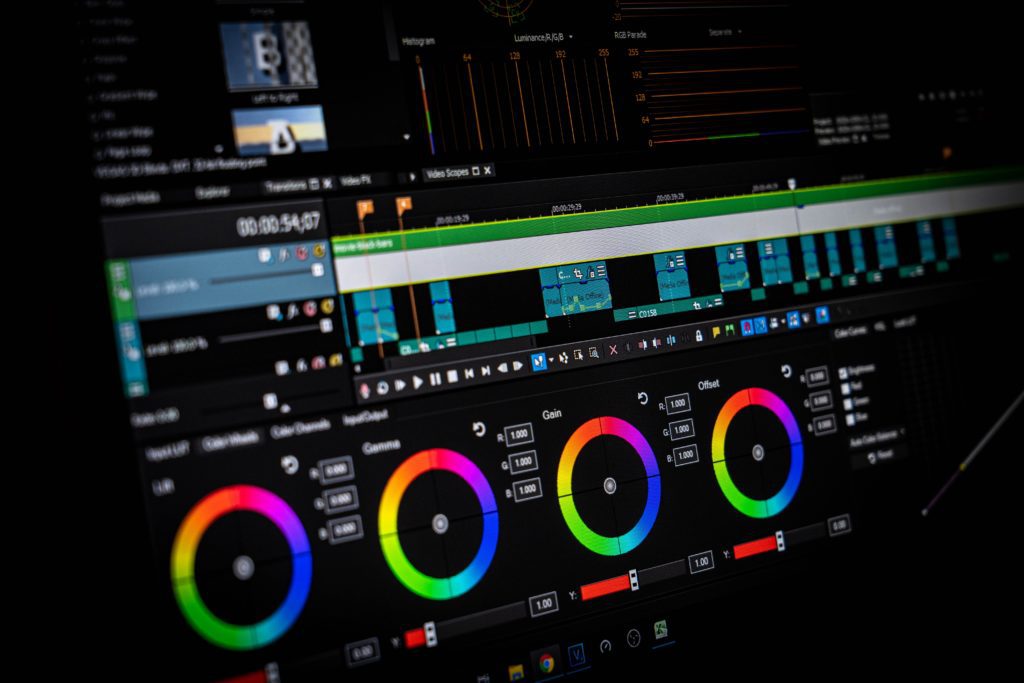
For live-action projects, direction continues into post-production. The strongest takes are selected, the pace is refined and the relationship between pictures, dialogue, music, sound and graphics is shaped. The director keeps the edit aligned with the agreed approach while making the best use of the footage.
Dream Engine used this kind of visual development to turn complex energy-market reform information into an accessible story for the AEMO NEM Reform animation.
The producer keeps the whole project workable. The director shapes what the audience will see, hear and feel. The cinematographer then translates that direction into camera, lens and lighting choices. On smaller projects, some of these roles can overlap.
Dream Engine project examples
The right directing approach depends on the people, format and creative challenge. These Dream Engine projects show how that changes across a TV commercial, an interview-led case study and animation.
Scripted performance, deliberate minimalist art direction and carefully planned coverage kept Jimeoin and the printer at the centre of the idea while the agency and client joined the shoot remotely. See how the commercials were made.
Open-ended interview questions helped the Phoria team give natural answers. Workplace footage and product demonstrations were then shaped around the strongest human story. See the Innercode project.
Complex information about energy-market reform was translated into a clear visual narrative through the script, illustration and animation process. See the AEMO animation.
A video director turns the brief into the creative choices seen and heard in the finished video. They develop the visual approach, guide people on camera, work with the production crew, assess the material being captured and help carry the intended tone and story through the edit.
No. On many interview-led corporate videos, the producer can also direct the interviews and work with the camera crew. A dedicated director is more useful for TV commercials, scripted brand films, complex visual sequences or projects requiring close performance direction.
The producer takes responsibility for the scope, budget, schedule, logistics, client communication and delivery. The director takes responsibility for the creative interpretation, performances, visual storytelling and tone. On smaller productions, one experienced person may cover both roles.
On many corporate projects, the producer also directs the interviews. They prepare the interviewee, lead the conversation, listen for useful answers and make sure the material needed for the story has been covered. The exact roles are agreed when we scope the production.
We explain the process, allow time for people to settle and give clear, practical guidance. Interviews are kept conversational. For scripted presentations, we can rehearse in manageable sections and use an autocue where exact wording is important.
Animation needs creative direction even though it may not need a separate on-set director. The narrative, visual style, storyboard, voiceover, pace and animation all need to support the same communication goal.
Yes. Dream Engine is based in Prahran and directs corporate videos, brand films, animations and TV commercials in Melbourne. We can also coordinate productions elsewhere in Victoria and across Australia when required.
Tell us what you need the video to achieve and how far the idea has been developed. We will recommend whether the producer can direct the project or whether it needs a dedicated director.