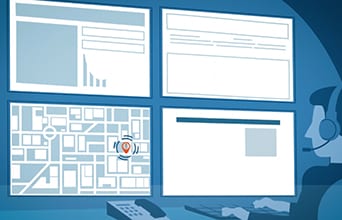
Animation can help staff understand workplace processes, systems and technical concepts. It’s useful for onboarding, induction, compliance and product training, particularly when the subject is difficult to film or needs a visual explanation.
An animated training video gives employees a consistent explanation they can revisit. The script, visuals and examples can be tailored to the work they do.
Why Animation Works So Well for Staff Training
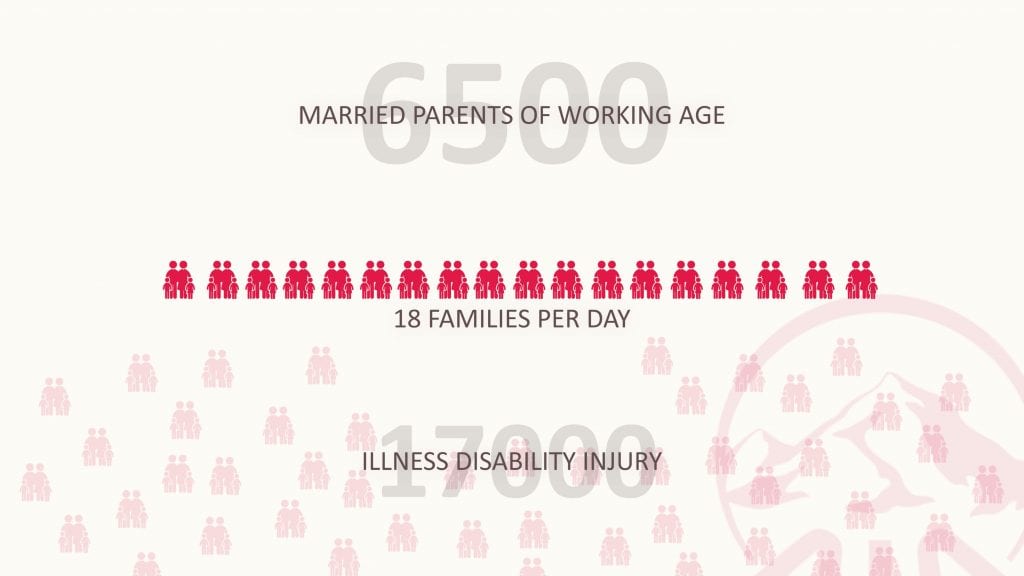
Animation combines movement, graphics, voiceover and on-screen text to explain a subject. You can show how parts of a system connect, highlight an important detail or demonstrate a sequence of steps.
Because the visuals are created for the video, you can leave out distracting detail and focus on what staff need to understand.
Customised to Your People and Your Workplace
Using animation in videos for staff training lets you tailor the tone, visuals, examples and scenarios to your workplace, systems and everyday tasks.
For teams with different roles or experience levels, use examples that reflect the situations each group is likely to encounter.
Training That Does Not Depend on the Presenter
The script, voiceover and visuals are reviewed before the animation is finished. This gives trainers a prepared explanation they can use in each session.
Labels, icons and repeated steps can draw attention to key information. Trainers can pause the video to answer questions or discuss how a process applies to their team.
Ideal for Organisations with Multiple Locations
A shared training video can help organisations explain procedures consistently across offices, retail stores and worksites.
Whether staff work in Melbourne, Sydney, Perth or from home, they can access the same information. When the training changes, make sure each location has the current version.
Explaining Complex Ideas Clearly
Animation can help explain software workflows, workplace systems, manufacturing processes, laboratory procedures, work health and safety (WHS) requirements, compliance obligations and product knowledge. It can show processes hidden from view and break a technical concept into steps.
This is particularly helpful for onboarding, compliance and procedural training where misunderstandings can lead to rework, safety risks or inconsistent delivery.
Accessible, Repeatable Training
Training animations can be shared through an intranet, learning management system (LMS), Teams, SharePoint or internal knowledge base. Staff can revisit them for a refresher, and new starters can watch them before a scheduled training session.
Short animations can also form part of an eLearning program alongside quizzes and knowledge checks.
Cost-Effective Over the Long Term
Animation has an upfront production cost. Its value depends partly on how often the training will be used and how long the information will remain current.
Reusing a video across departments, locations and future intakes can reduce time spent presenting the same information. Allow for future updates in the budget. Individual sections can often be revised without recreating the entire program.
How to Get Training Animation Right
Start by deciding what staff need to understand or do after watching. Use the policy or procedure as source material, then write a script that explains the task in plain language.
- Keep one clear objective per video. If the topic is large, break it into a short series.
- Use plain language. Write for how people actually speak and work.
- Show relevant scenarios. Use situations staff are likely to encounter at work.
- Allow time to follow each step. Give viewers time to read labels and understand the demonstration.
- Plan for where people will watch. Consider captions, screen size and the training platform.
When Live Action Is a Better Choice
Live action may be a better fit when staff need to see real equipment, workplace environments, physical techniques or customer interactions.
For example, manual handling, workplace walkthroughs and practical demonstrations often benefit from real footage. In many cases, the best approach is a blend of live action and animation, using real footage for context and animated graphics to highlight key steps, risks or instructions.
Need Training Animation for Your Organisation?
Tell us what the training needs to cover, who will watch it and when you need it. We can help you choose an animation style and develop the script and storyboard.
See our animation production service for examples of our work.
Animation for Staff Training – Frequently Asked Questions
What types of staff training work best as animation?
Animation can work well for onboarding, induction, internal processes, compliance explainers, system walkthroughs and product knowledge. It is particularly useful when a process or concept needs a visual explanation and does not require footage of the actual workplace.
How long should an animated training video be?
Keep each video focused on one objective. Two to five minutes may be enough, depending on the topic. For a larger subject, consider a short series so staff can work through one topic at a time.
Do you help write the script?
Yes. We help turn your training material into a script and storyboard. You review both before animation begins.
Can we match the animation to our brand?
Yes. We can align colours, typography, tone and visual style to your brand guidelines. We can also build a reusable style so future training videos stay consistent.
Who can provide the voiceover?
You can use a professional voiceover artist or a member of your team. We can help you choose an approach that suits the subject and audience.
How much does training animation cost?
Cost depends on length, complexity and style. A simple icon-based motion graphics video will usually cost less than detailed character animation or a longer eLearning series. If you share your topic and audience, we can recommend an approach that fits your budget and timeline.
Can you update the animation later if our process changes?
Yes. We plan for future updates and can revise sections when your processes change.
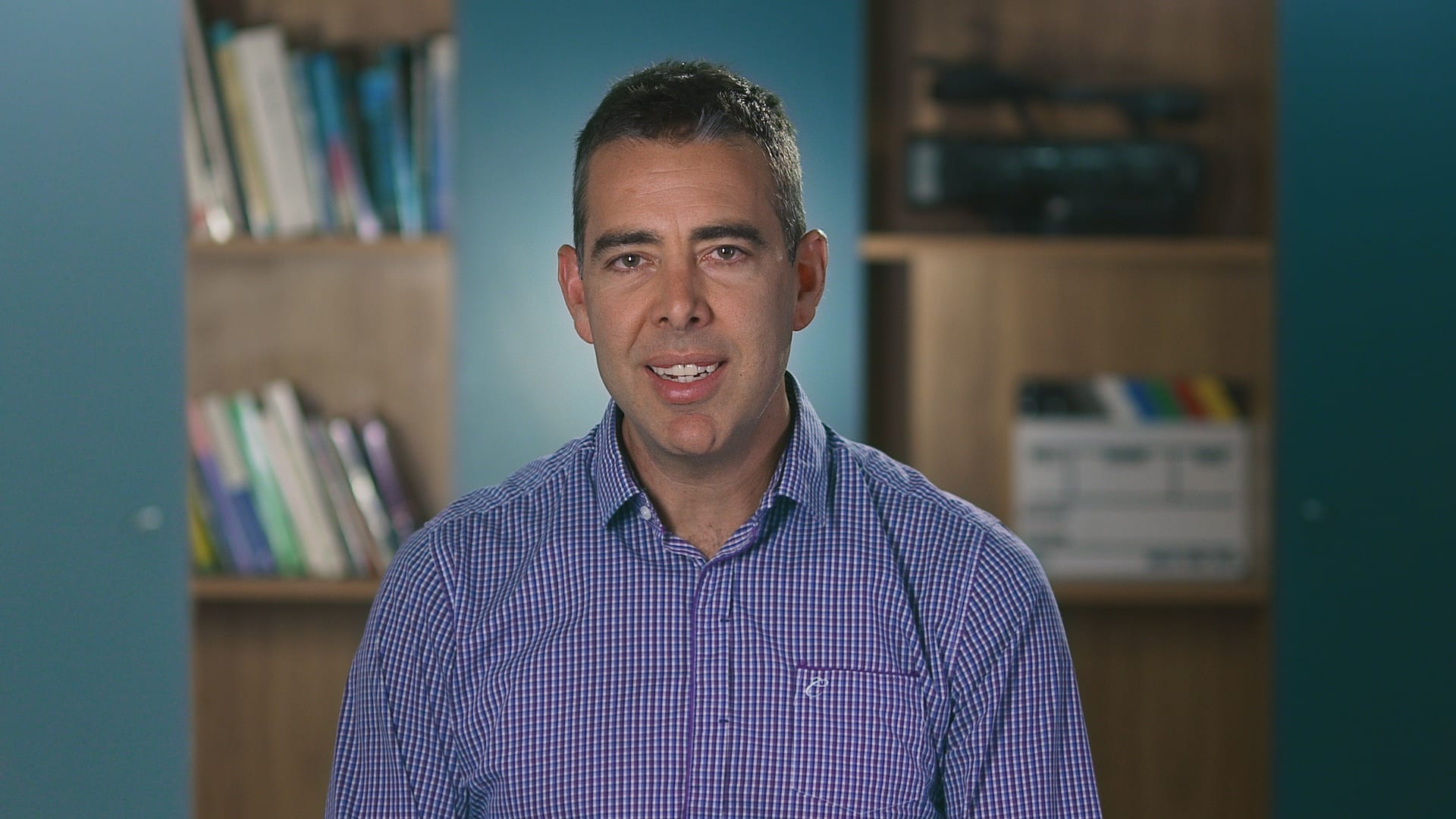
Ryan Spanger is the founder and managing director of Dream Engine, a Melbourne video production company established in 2002. Over the past two decades, he’s produced hundreds of videos for businesses, government departments, universities and healthcare organisations across Australia. Ryan specialises in helping organisations explain complex ideas through clear, engaging video content, with particular experience in corporate communications, training and education.