Animation has become one of the most effective ways to train staff because it gives every employee the same explanation, presented clearly and consistently, every time.
Whether you’re onboarding new employees, introducing a new system, explaining compliance requirements or teaching workplace procedures, animated training videos help standardise training and make information easier to understand and remember.
If you’ve ever introduced a new process only to find that different teams are doing it differently a few weeks later, you’ll understand the problem. A well-produced training animation gives everyone one clear version of the information, without relying on individual managers to explain it in their own way.
Why Animation Works So Well for Staff Training
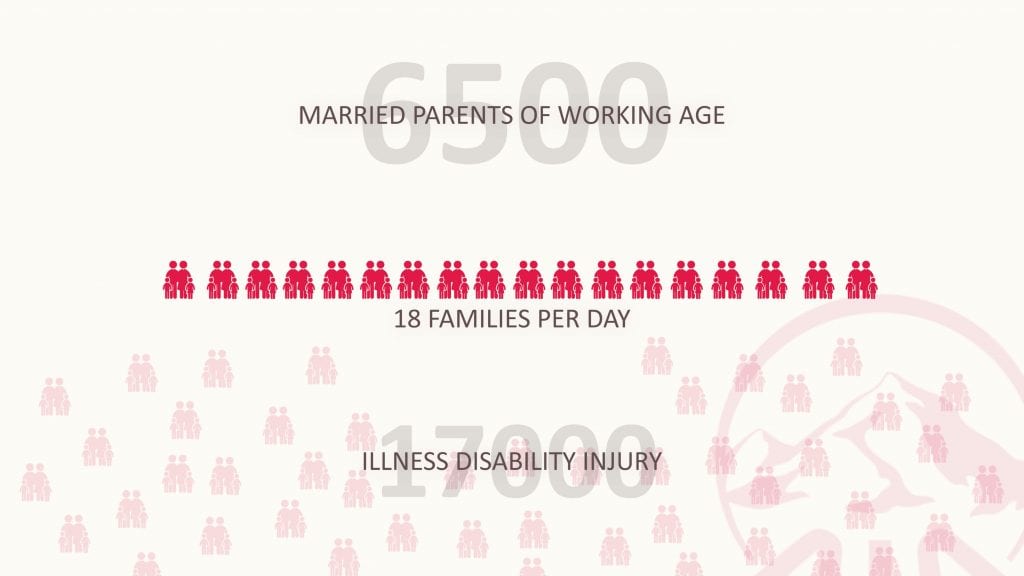
Training videos are only valuable if people understand them and remember what they’ve learned. Animation combines movement, graphics, voiceover and on-screen text to explain information in a way that’s easier to follow than lengthy documents or slide presentations.
Because the visuals are designed specifically around the message, you can simplify complex ideas, highlight important information and guide people through a process one step at a time. That makes animation particularly effective for onboarding videos, compliance training videos, induction videos, systems training and internal communications.
Customised to Your People and Your Workplace
One of the biggest advantages of animation in videos for staff training is control. You can tailor the tone, visuals, examples and scenarios to match your workplace, your systems and the situations your team actually faces.
This is especially useful when you have a mix of roles, locations or experience levels. The core message stays consistent while still feeling relevant to the people watching.
Training That Does Not Depend on the Presenter
Traditional training often depends on the presenter. Some people are great communicators. Others are stretched, rushed or simply not confident speaking to a room.
Animation removes that variable. It creates an engaging training resource that does not depend on who is delivering it on the day. You can also build in visual cues that help learning stick, such as repeated steps, icons, labels and clear summaries.
Ideal for Organisations with Multiple Locations
For organisations operating across multiple offices, retail stores or worksites, maintaining common training standards can be difficult. Different managers naturally explain things in different ways, which can lead to variations in processes and expectations.
Animated training provides a single source of truth. Whether someone watches the video in Melbourne, Sydney, Perth or from home, they receive the same information, examples and expectations.
Explaining Complex Ideas Clearly
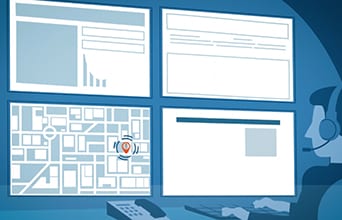
Animation is ideal when you need to explain software workflows, workplace systems, manufacturing processes, laboratory procedures, WHS requirements, compliance obligations, product knowledge or technical concepts. Instead of relying on long documents or dense slides, animation lets you show how something works in a visual, step-by-step way.
This is particularly helpful for onboarding, compliance and procedural training where misunderstandings can lead to rework, safety risks or inconsistent delivery.
Accessible, Repeatable Training
Animation works well for modern workplace learning because it can live where your team already learns: on an intranet, LMS, Teams, SharePoint or internal knowledge base. Staff can revisit it when they need a refresher, and new starters can be onboarded without waiting for the next scheduled training session.
It also works well as part of eLearning programs, where short animated modules can support quizzes, knowledge checks and structured learning pathways.
Cost-Effective Over the Long Term
While animation requires an upfront investment, it often reduces training costs over time. Instead of delivering the same presentation repeatedly, you create a training resource that can be used across departments, locations and future intakes.
It can reduce the need for repeated workshops, shorten onboarding time and free up experienced staff who would otherwise spend time delivering the same information to every new employee. When processes change, individual sections can often be updated without recreating the entire training program.
How to Get Training Animation Right
Most training animations fail for one simple reason: they try to squeeze a policy document into a video. If you want your training to land, treat it like communication, not compliance paperwork.
- Keep one clear objective per video. If the topic is large, break it into a short series.
- Use plain language. Write for how people actually speak and work.
- Show real scenarios. People learn faster when they recognise the situation.
- Make the pacing deliberate. Training needs room to breathe. Fast is rarely better.
- Design for your platform. Consider captions, mobile viewing and where the video will live.
When Live Action Is a Better Choice
Animation is powerful, but it is not the answer for every training problem. If you need people to see real equipment, workplace environments, physical techniques or customer interactions, live action may be a better fit.
For example, manual handling, workplace walkthroughs and practical demonstrations often benefit from real footage. In many cases, the best approach is a blend of live action and animation, using real footage for context and animated graphics to highlight key steps, risks or instructions.
Need Training Animation for Your Organisation?
Successful training animation starts with a clear objective. Rather than trying to explain everything at once, the best projects focus on what people should understand, remember or do differently after watching.
If you’re considering animated training videos, we can help you choose the right style, develop the script and produce content that’s engaging, practical and easy to update.
Learn more about our Animation Video Melbourne service, or contact us to discuss your project.
Animation for Staff Training – Frequently Asked Questions
What types of staff training work best as animation?
Animation is ideal for onboarding, induction videos, internal processes, compliance explainers, system walkthroughs, product knowledge and any topic where clearly explaining a process or concept is more important than showing a real-world environment.
How long should an animated training video be?
Most training animations perform best when they are short and focused. In many cases, 2 to 5 minutes is enough for one objective. If the topic is larger, a short series is usually more effective than one long video.
Do you help write the script?
Yes. We help shape the training content into a clear script that fits video, then build a storyboard so you can review structure and messaging before animation begins.
Can we match the animation to our brand?
Yes. We can align colours, typography, tone and visual style to your brand guidelines. We can also build a reusable style so future training videos stay consistent.
Is voiceover included, and can we use our own staff?
Voiceover can be provided by professional talent, or you can use your own staff if you want a more internal tone. We can guide you on what works best for your audience.
How much does training animation cost?
Cost depends on length, complexity and style. A simple icon-based motion graphics video will usually cost less than detailed character animation or a longer eLearning series. If you share your topic and audience, we can recommend an approach that fits your budget and timeline.
Can you update the animation later if our process changes?
Yes. We build projects with updates in mind, and we can revise sections as processes evolve. This is one of the reasons animation can be a strong long-term training asset.
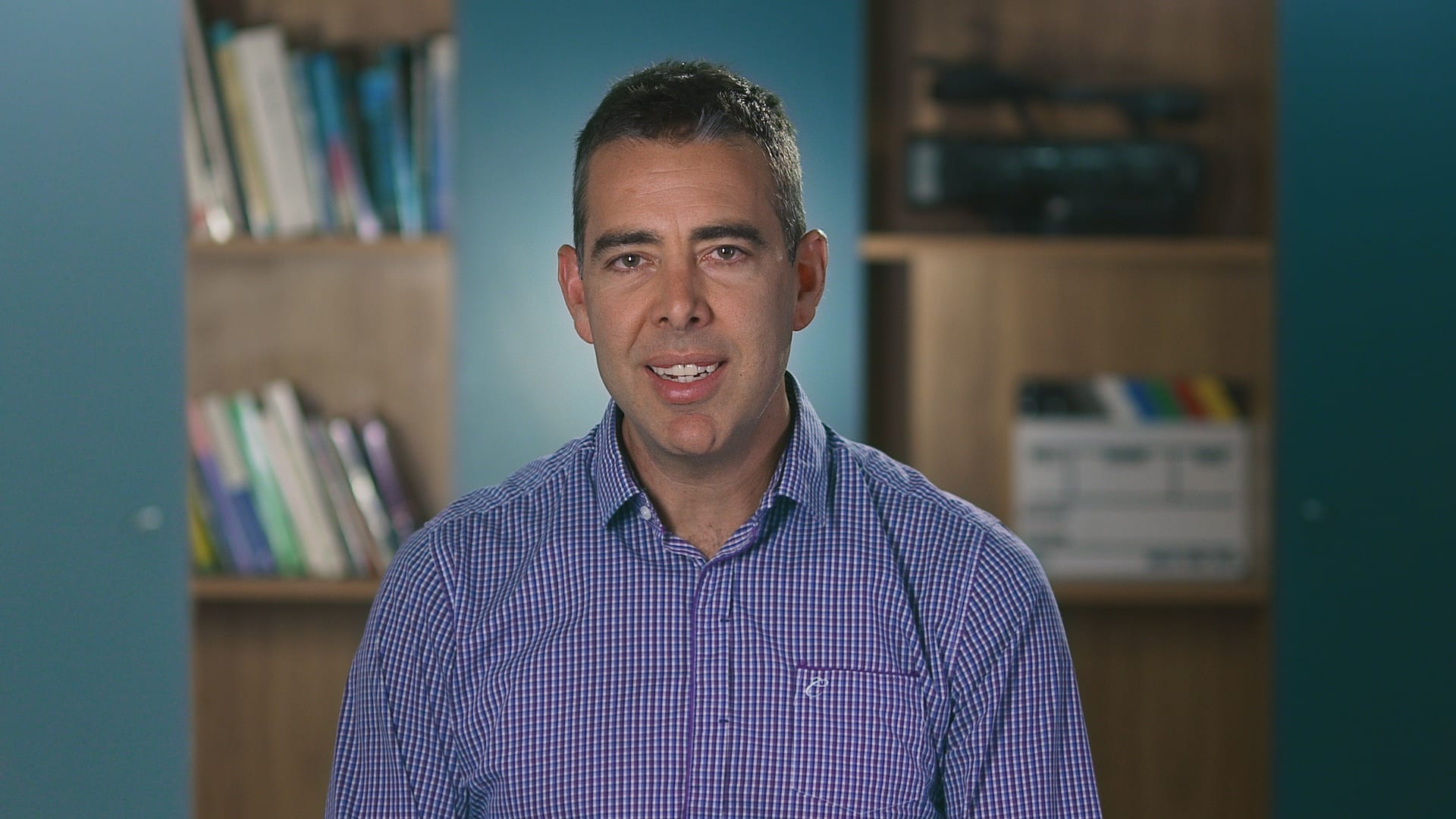
Ryan Spanger is the founder and managing director of Dream Engine, a Melbourne video production company established in 2002. Over the past two decades, he’s produced hundreds of videos for businesses, government departments, universities and healthcare organisations across Australia. Ryan specialises in helping organisations explain complex ideas through clear, engaging video content, with particular experience in corporate communications, training and education.