The most popular styles of animation for corporate video
If you’re planning an animated corporate video but you are not sure which style fits your message, you’re not alone. The style you choose affects everything, including tone, clarity, budget, and how quickly the video can be produced.
Below are five of the most common animation styles used in corporate video, with a practical explanation of what each is best suited to.
2D vector animation
2D vector animation uses clean, flat shapes and illustrations to tell a story or explain an idea. It is a popular choice when you want something modern, clear, and cost-effective.
Because vector artwork can be built efficiently and reused across scenes, this style often suits projects with tighter timelines or simpler messaging. It is also a strong option for internal communications, onboarding, and straightforward explainers.
3D animation
3D animation (sometimes referred to as CGI) is used when you want a more dimensional, cinematic look or when you need to visualise objects, environments, or processes that are difficult to film.
It is generally more time-consuming than 2D animation because assets are modelled, textured, lit, and animated. That added production depth can be worth it when realism matters, such as product visualisation, technical demonstrations, or high-end brand content.
If your corporate video needs to show something that does not exist yet, cannot be accessed, or would be expensive to capture on camera, 3D can be the right fit.
Typography animation
Typography animation (also known as kinetic type) is built around animated text. It works well when the message itself is the hero and you want clarity, pace, and emphasis without relying heavily on characters or complex visuals.
This style is often used for short explainers, punchy brand messaging, internal announcements, and adding energy to scripts that would otherwise feel static. It can also be an effective way to make subtitles and on-screen messaging feel intentional rather than purely functional.
Whiteboard animation
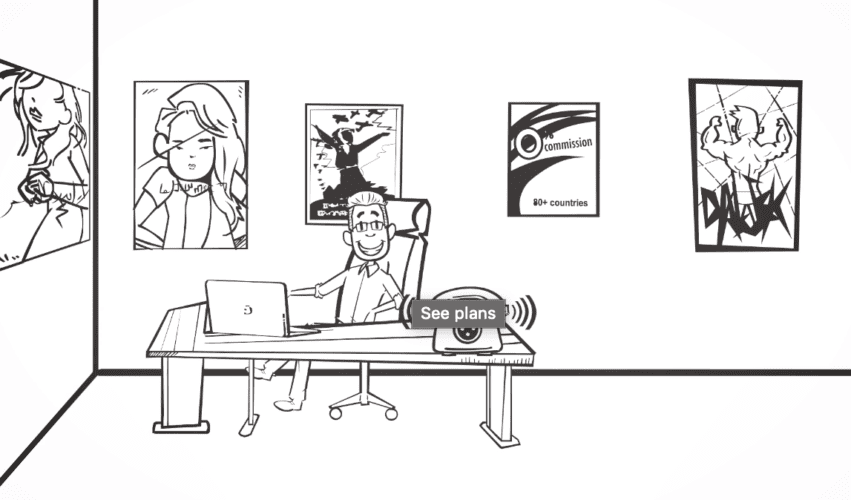
Whiteboard animation uses illustrated elements that appear to be drawn on screen as the story unfolds. When done well, it can be engaging and easy to follow, particularly for educational content and training.
Because the style relies on illustration and clear visual sequencing, it is important that the artwork and timing are handled properly. If the illustration is weak or the pacing is off, the style can feel dated quickly. When executed well, it remains a strong choice for instructional storytelling.
Motion graphics
Motion graphics is a broad category that often blends elements of the styles above. It combines text, icons, illustration, charts, imagery, and transitions in a way that keeps the message moving and visually clear.
This style is particularly effective for corporate videos that need to communicate complex ideas, data, or processes in a simple way. If your video includes steps, systems, numbers, or layered information, motion graphics is often the most practical choice.
It is also flexible. You can keep it minimal and clean, or you can push it into something more expressive depending on the brand and the audience.
How to choose the right style
The right animation style depends on what you need the video to achieve. A good starting point is to clarify three things: the audience, the message, and the complexity of what you need to show.
- If clarity and speed matter most, 2D vector or simpler motion graphics are often ideal.
- If realism or product detail matters, 3D animation may be worth the added production time.
- If the script is the hero, typography-led animation can be a strong fit.
- If you are teaching or training, whiteboard or instructional motion graphics can work well.
Selecting the right animation approach is one of the biggest factors in whether a corporate video feels clear and professional. If you plan the style early, the scripting and storyboarding process becomes far easier, and the end result is more likely to land with the people it is intended for.
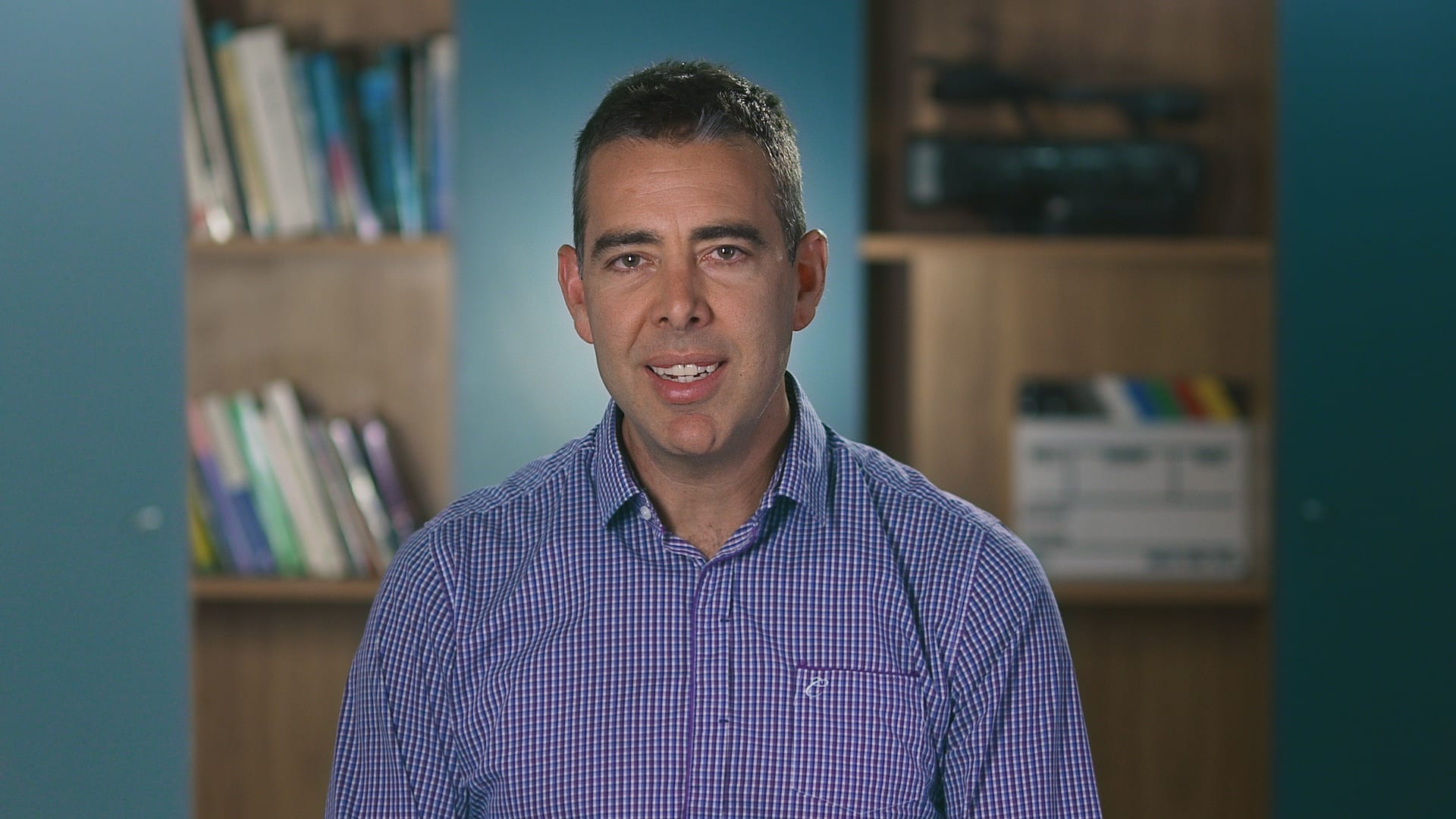
Ryan Spanger is the founder and managing director of Dream Engine, a Melbourne-based video production company established in 2002. With more than two decades of experience, Ryan has helped leading Australian businesses, government departments, and non-profits communicate their message with clarity and impact through video. He’s known for his strategic approach, reliable process, and commitment to producing videos that deliver measurable results.