At a glance
Live streaming can connect a distributed audience for staff updates, customer webinars, training, conferences and awards nights. Choose the format around audience size, privacy and how people need to participate, then plan any recordings for later use. For a small session where everyone needs an equal say, a standard online meeting may be enough.
In this guide
Live streaming has become a practical way for organisations to reach people who cannot be in the room. It is now used for staff updates, customer webinars, training sessions, conferences, awards nights, public announcements and hybrid events.
Many organisations first encounter live streaming when they need to connect people across different locations, but its applications extend far beyond simply broadcasting an event online. A livestream can give remote viewers access to the event and provide a recording for later use. Plan captions, participation and follow-up edits around what those viewers need.
This article explores the most common business uses for live streaming and where it can add the most value.
Internal Communications and Town Halls
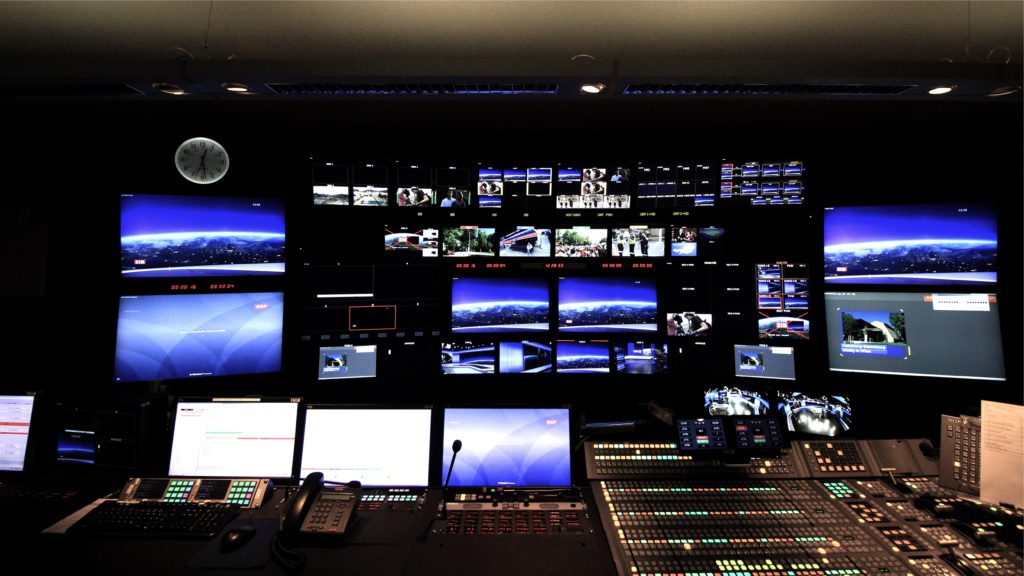
One of the most common business uses for live streaming is internal communication. Organisations with multiple offices, remote teams or distributed workforces often use livestreaming for CEO updates, leadership briefings, staff town halls and important organisational announcements.
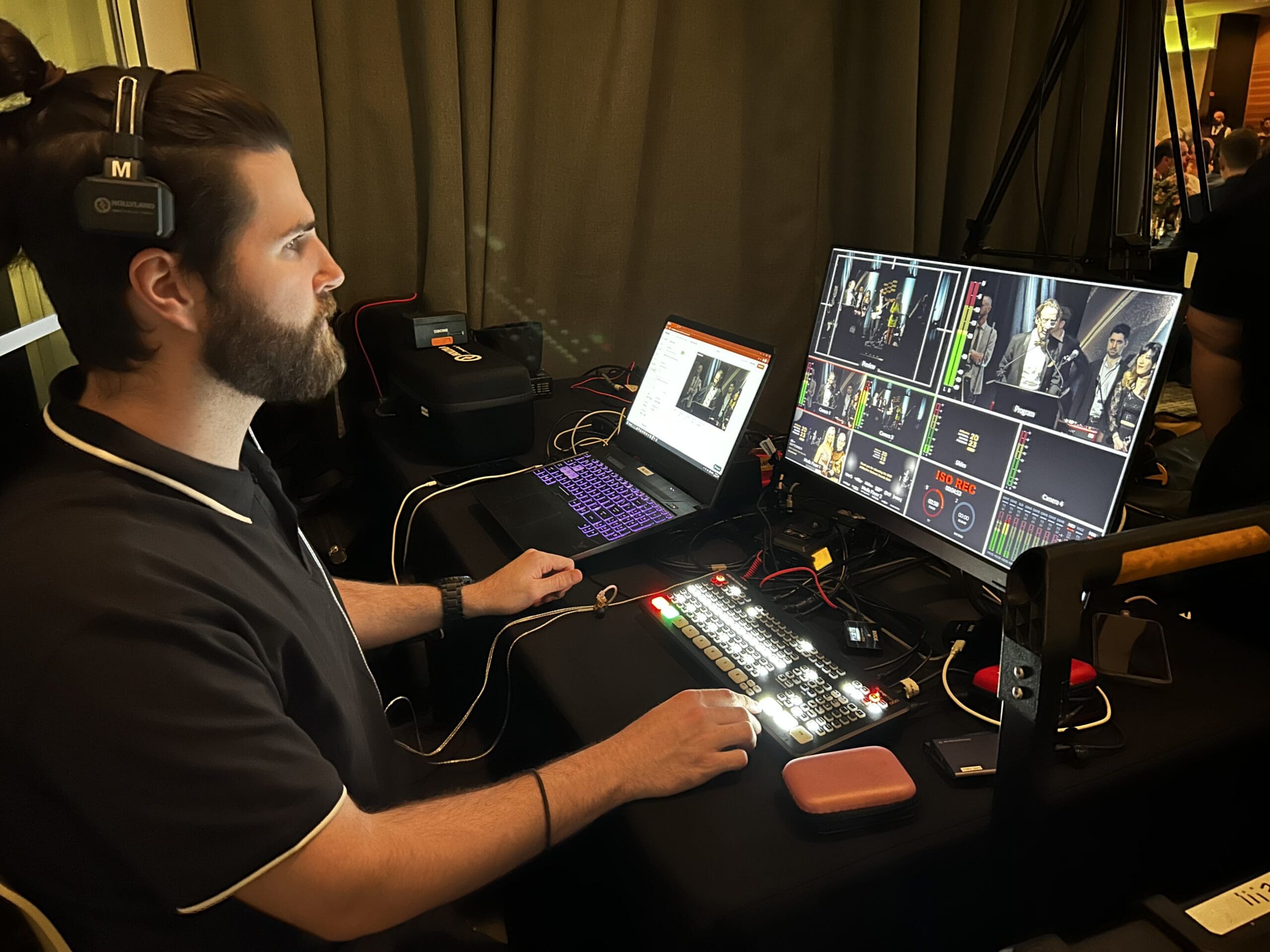
These events are often high-profile because they involve senior leaders and messages that need to reach a large audience at the same time. Production support is useful when someone needs to manage cameras, slides, remote speakers and questions while the presenters concentrate on the update.
Internal livestreams may be delivered through platforms such as Microsoft Teams, Zoom, Vimeo or a private viewing page, depending on the organisation’s IT requirements and audience. The right platform depends on factors such as audience size, security requirements and the level of interaction required. Our guide to choosing the right livestream platform explains the differences in more detail.
Conferences and Industry Events
Conferences are one of the most common uses for professional live streaming. A livestream allows people to watch keynote presentations, panel discussions and breakout sessions even if they cannot attend in person.
This is useful for professional associations, industry bodies, universities, government organisations and businesses running large events. It can also increase the value of the event by providing recordings that attendees can access after the conference has finished.
Conference live streaming often involves more than simply placing a camera at the back of the room. Audio, slides, presenter changes, audience questions, internet testing and recording all need to be planned properly. For a closer look at the preparation involved, read our guide to what happens before a live stream.
Customer Webinars
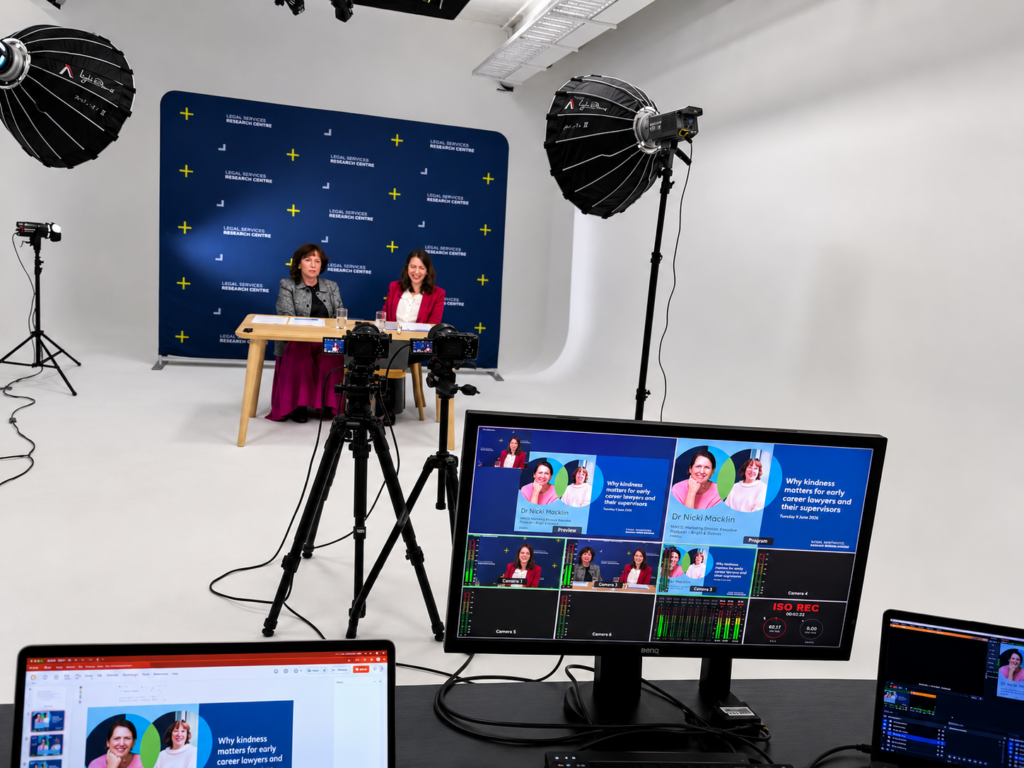
Webinars are useful for educating customers, explaining services, launching new initiatives and sharing specialist knowledge. They are commonly used by professional services firms, software companies, education providers, membership organisations and B2B businesses.
For organisations that need a more polished and managed broadcast, our webinar production services cover the technical production, presenter support and audience experience.
A webinar can be simple and interactive, or it can be produced more like a broadcast with multiple speakers, graphics, slides and a managed audience experience. The right approach depends on the size of the audience, the importance of the message and how polished the presentation needs to feel.
An appropriate Zoom product can support audience interaction, and a production team can work with that platform to manage cameras, audio, graphics and recording. Choose the platform and production support as separate, related decisions. Our article on live streaming versus Zoom explains the difference in more detail.
Training and Education
Live streaming can be useful for training sessions, professional development, compliance updates, product education and internal learning programs. It allows people in different locations to receive the same information at the same time while creating a recording that can be reused later.
This can be especially valuable when the training involves subject matter experts, senior staff or external presenters who cannot travel to every location. A livestream brings the session to the audience rather than requiring everyone to be in the same room.
Depending on the format, organisations may choose Teams, Zoom, Vimeo or a dedicated webinar platform. The platform should support the goals of the session rather than dictate how it is delivered.
Hybrid Events
A hybrid event combines an in-person audience with an online audience. This approach is increasingly common for conferences, forums, awards nights, leadership events and public presentations.
The challenge is ensuring the online audience receives a meaningful experience rather than simply watching from the sidelines. This usually requires careful planning around audio, camera coverage, slides, moderation, audience interaction and recording.
Hybrid events often require more planning than a straightforward livestream because there are effectively two audiences being served at the same time. You can learn more in our guide to hybrid event video production.
Awards Nights and Recognition Events
Awards nights, staff recognition events and industry ceremonies can also work well as livestreams. This allows people who cannot attend in person to watch the announcements, hear the speeches and participate remotely.
These events are often emotionally important for the people involved, which makes production quality particularly important. Clear audio, thoughtful camera coverage, clean graphics and reliable delivery all contribute to a better viewing experience.
Livestreaming can also extend the reach of the event beyond the people in the room. Winner announcements, speeches and highlight moments can be edited into useful content after the event has finished.
Turn One Livestream Into Ongoing Content
One of the biggest advantages of live streaming is that the value does not end when the event finishes. The recording can often be repurposed into highlight reels, social media clips, speaker presentations, internal communications, training videos and promotional content.
This is particularly valuable for conferences, webinars and leadership events where a large amount of useful material is captured in a single session. With some planning, one livestream can generate weeks or months of content for different channels.
If you want to get more value from your event recording, our article on the livestream content engine explains how a single stream can be repurposed into a broader content library.

What Does Live Streaming Cost?
Live streaming costs vary because events vary. A short internal presentation with one speaker requires a different setup from a full-day conference with multiple presenters, audience questions, graphics, recordings and post-event editing.
The main cost factors usually include event duration, crew size, camera count, audio requirements, platform choice, rehearsal time, internet backup, graphics and post-production requirements. Comparing quotes can be difficult unless you understand what each supplier has included.
If you are planning a budget, our guide to live streaming costs explains the main factors that influence pricing.
Is Live Streaming Right for Your Event?
Live streaming is usually worth considering when your audience is spread across different locations, when the event involves important communication, when venue capacity is limited or when you want to create a recording that can be used after the event.
It may not be necessary for every meeting or workshop. If the audience is small, everyone needs to participate equally and one host can manage the session, a standard online meeting may be enough.
The decision usually comes down to the importance of the event, the size and type of audience, and the consequences if the experience is poor. The more public, visible or high-profile the event is, the more important it becomes to plan the livestream properly.
Need Help With Live Streaming?
If you are planning an upcoming livestream, webinar, conference or hybrid event and are looking for a production partner, visit our Live Streaming Melbourne service page to learn more about our production process, technical capabilities and event support services.
FAQ
Using live streaming
Questions about business uses, production requirements and preparation.
What are the most common business uses for live streaming?
Common business uses include conferences, internal town halls, customer webinars, training sessions, hybrid events, awards nights, product launches and public announcements.
Do we need professional crew and equipment to live stream?
Not always. Some streams can be done with a simple setup, but professional support becomes important for an important announcement, when there are multiple speakers, when audio needs to be clean, or when technical problems would affect the event.
What does a high-quality live stream need?
A good live stream needs clear audio and camera coverage, a stable internet connection, good lighting and proper preparation. Run sheets, speaker preparation and rehearsals can also reduce risk and improve the viewer experience.
Can live streaming be used for internal communications?
Yes. Live streaming works well for leadership updates, town halls, staff briefings, training and announcements, especially when teams are spread across different locations.
Should we record the live stream as well?
Usually, yes. A recording gives you an on-demand version for staff, customers or stakeholders who could not attend live. It can also be edited into highlights, social media clips or internal communications content.
How do we reduce the risk of technical problems during a live stream?
Planning and backup systems are important. This can include testing the internet connection, using a wired connection where possible, preparing backup audio and power options, rehearsing key moments and assigning clear roles for moderation and technical control.
Browse our live streaming planning guides for related advice.
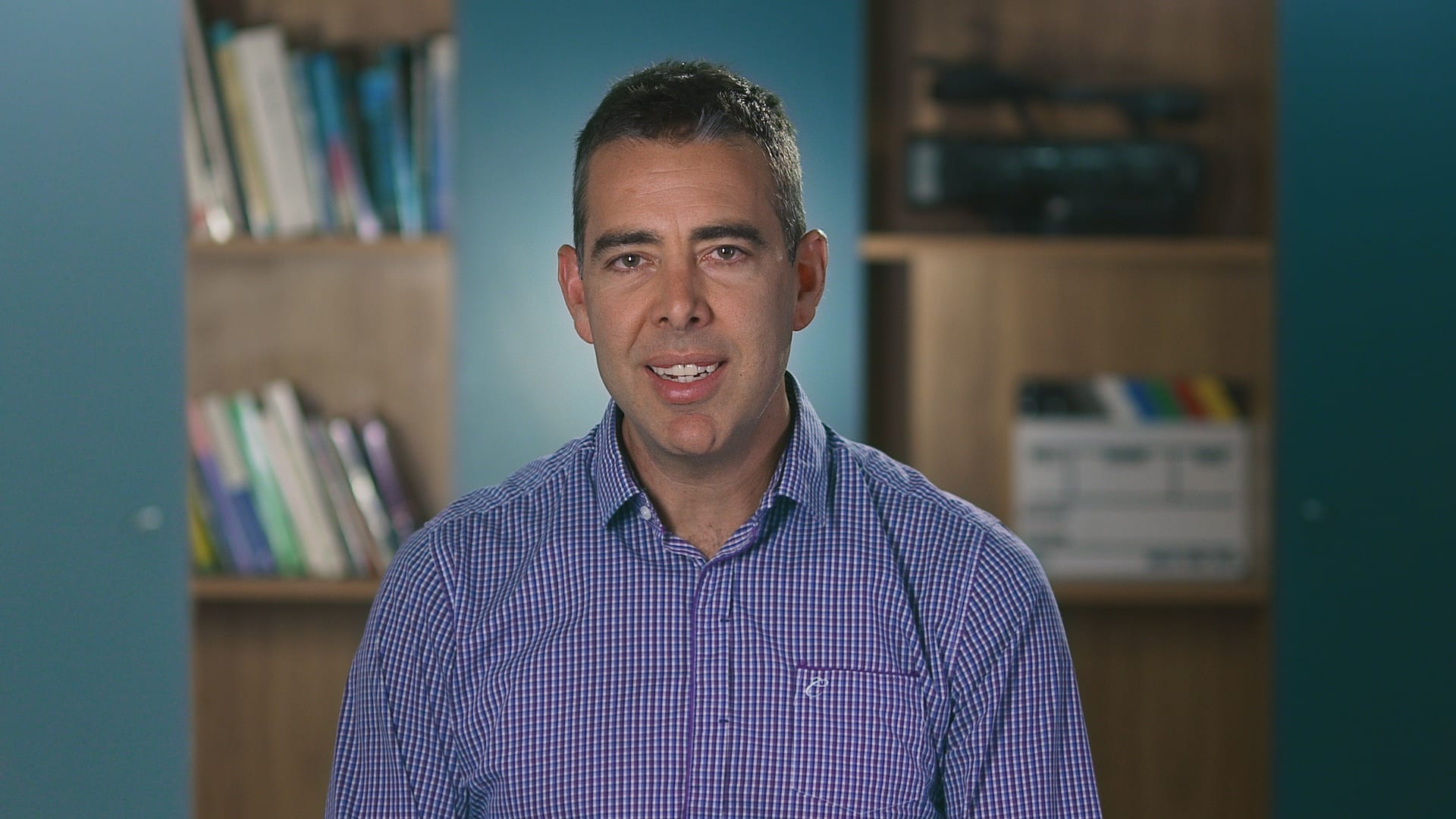
Ryan Spanger is the founder and managing director of Dream Engine, a Melbourne video production company established in 2002. Over the past two decades, he’s produced hundreds of videos for businesses, government departments, universities and healthcare organisations across Australia. Ryan specialises in helping organisations explain complex ideas through clear, engaging video content, with particular experience in corporate communications, training and education.