In this guide
Start with what the viewer needs to see. Animation can help explain a hidden process, a digital service or something that does not yet exist. Filming often works better when people, places and real evidence are central to the story.
Choosing a video format involves more than deciding how it should look. Marketing and communications teams also need to balance budget, timelines, stakeholder expectations and brand guidelines, while explaining the subject to a busy audience.
There are many ways to make a video. You can film interviews, work with actors, have a presenter speak to camera, use text and graphics, or include AI-generated visuals. Each option has strengths, but each also has limits.
Animated video content can be useful when you need to show something that’s difficult to capture on camera. It lets you explain processes, digital services and ideas visually.
Animation can make a process clearer than real footage
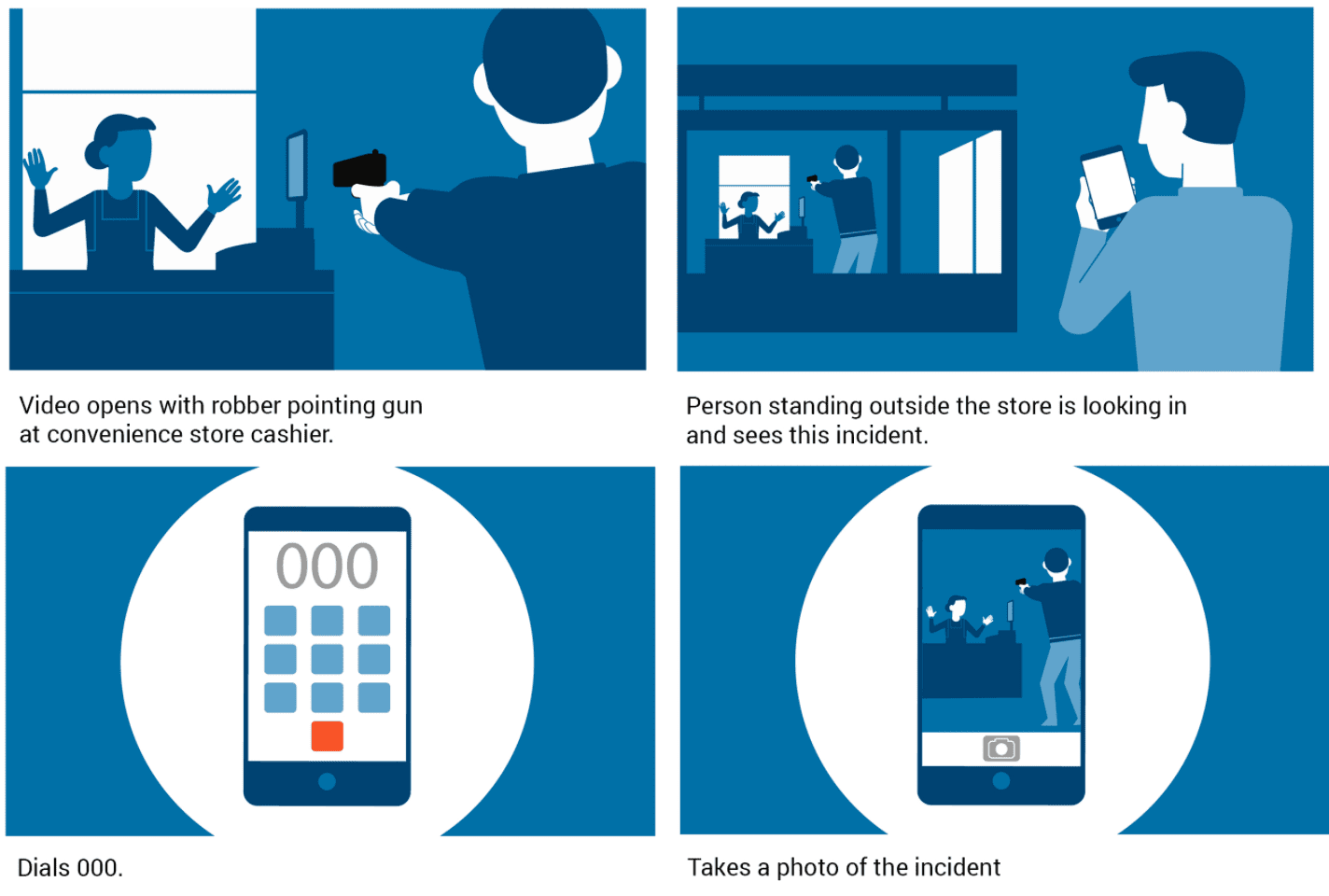
Animation is particularly useful for explaining processes. When a video needs to explain how something works, animation lets you control the structure and pacing. Complex ideas can be broken down visually, step by step, without relying on dense language or long explanations.
Animation is worth considering when:
- Your audience is unfamiliar with the topic
- Your service or platform is abstract or digital
- You need to control the order and speed of information
- The message needs to be understood quickly
Example: Digitary (now Parchment)
We created an explainer animation for Digitary, now Parchment. The platform helps people access and share digitally certified records online with employers, education providers, governments, and other third parties.
Live footage alone would have made that process difficult to show. Animation allowed us to show how records are issued, shared and verified, and why recipients can trust them. Viewers could follow each step and see how the system worked.
This is a typical 2D explainer video brief: show what a service does, who it’s for and how people use it.
When filming the real thing is impractical or costly
Some subjects are simply difficult to film well. Industrial environments, restricted sites, or technical products can introduce challenges around access, safety, scheduling, and cost. Even when filming is possible, the result may still be visually confusing for the viewer. Animation can avoid many of those filming constraints. It lets you show the details people need to see, without being limited by what is physically available on the day.
Example: Bradford Windmaster Ventilators
We produced an animation for Bradford Windmaster Ventilators. Showing how the product works on camera would have required complex setups, and the airflow would still have been difficult to see.
Animation let us show the airflow and explain the product’s function, including details that would be difficult to capture clearly on camera. For other approaches, see our 2D and 3D animation examples.
When you need to explain features and benefits
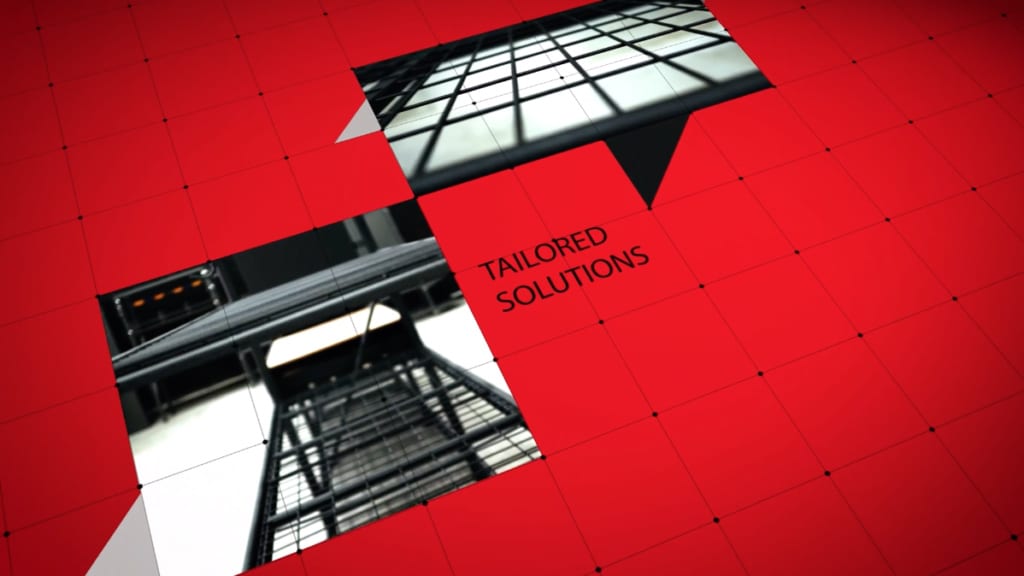
Animation is particularly effective for product and service videos where the goal is clarity. When a video needs to cover several features or uses, it is easy to give viewers too much information at once. Animation helps because you can isolate ideas and guide attention. You can introduce features one at a time, reinforce benefits visually, and reduce complexity without losing accuracy.
This is especially useful for:
- SaaS platforms and digital tools
- Technical products that are hard to demonstrate on camera
- Services that happen behind the scenes
- Workflows with multiple steps or stakeholders
When you need a neutral, inclusive approach
Animation gives you choices about how people are represented. Stylised characters can represent a range of ages, backgrounds and abilities, while diagrams or symbolic visuals can explain a process without using characters at all.
This can be a strong choice for:
- Internal communications
- Training and compliance
- Government and public sector messaging
- Organisations communicating to diverse audiences
Animation still needs thoughtful design. Character choices, language and accessibility all affect how people relate to the video.
For public sector briefs, our guide to animation for Australian government agencies covers audience representation, accessibility and review stages.
When the subject does not physically exist yet
Animation can show a product, platform or process while it is still being developed. It gives viewers a way to see how a proposed idea would work.
This is often useful for:
- New platforms or services
- Policy or process changes
- Strategic initiatives
- Before-and-after scenarios
For marketing and communications teams, this can be a practical way to build understanding early and reduce confusion later. When the brief needs a detailed 3D environment or virtual camera movement, our guide to videography with Unreal Engine explains one production option.
Longevity, consistency, and easier updates
A live action video may need updating when a presenter leaves, a location changes or branding is refreshed. Animation can be less dependent on those details, although its design and information can still date.
It can also be easier to update. If your message changes, you may be able to revise sections without reshooting an entire video. This can save work for organisations managing large content libraries, onboarding materials, or versions for different audiences.
Using animation and live action together
You can combine animation and live action in the same video. Live action can let viewers see and hear the people involved. Animation can clarify concepts, reinforce structure, and illustrate scenarios that are hard to film.
Example: Office of Public Prosecutions training series
We produced a series of training videos for the Office of Public Prosecutions that combined a presenter speaking to camera with explainer animation about communication skills for staff. The animation illustrated the ideas as the presenter explained them.
Some of the topics covered included:
- Managing grief
- Managing anger
- Managing silence and disengagement
- Delivering bad news
- Managing triggers and re-traumatisation
- Communicating with someone with special needs
- Conferencing when language is a barrier
- Managing the conference
Using animation alongside the presenter gave us a way to explain sensitive situations without staging them with actors.
See more about our Melbourne training video production service
When animation might not be the best choice
Live action may be the better starting point when viewers need to hear directly from someone or see evidence of their work.
Animation may be less suitable when:
- You need audiences to connect with real people and real emotion
- Your credibility relies on showing real environments, facilities, or outcomes
- Unscripted moments are an important part of the story
Animation can still support these videos, especially when you need to explain an idea, label a product or add a diagram.
How to decide quickly
If you’re weighing up animation and live action, start with what the viewer needs to see. Can you film the people, place or process directly? Or would diagrams, graphics and animation show something that a camera can’t capture?
In many business videos, a mix of animation and live action can work well. Compare the work needed for each approach, including scripting, design, filming and approvals. Our animation cost guide gives planning ranges and explains what affects a quote.
For help with styles, scripting and the production process, browse our animation and explainer video guides.
Frequently asked questions
Choosing animation for a business video
Practical answers about format, cost and where animation fits.
Is animation better than live action for explainer videos?
Animation can be a good choice when you need to show a process, platform or idea that is difficult to film. It gives you control over what appears on screen and when. Live action can work well when the explanation depends on a real person, product or demonstration.
Is animation more expensive than filming?
It depends on the brief. Animation can be cost-effective when filming would require multiple locations, complex setups, specialist equipment, or significant coordination. For simple shoots, live action may be cheaper. The best comparison is based on the complexity of what you need to show, not the format alone.
How long should an animated business video be?
For a short marketing or explainer video, 60 to 120 seconds can be a useful starting point. The right length depends on what the viewer needs to learn. Training videos may need longer, or several shorter sections.
What types of businesses benefit most from animation?
Software companies, technical product businesses and organisations explaining policies or processes often have subjects that suit animation. It is particularly useful when the process is digital, happens out of sight or would be difficult to film.
Can animation be combined with presenter to camera?
Yes. A presenter can explain the subject directly to viewers, while animation shows examples, diagrams or processes alongside them. This combination can work well for training and internal communications.
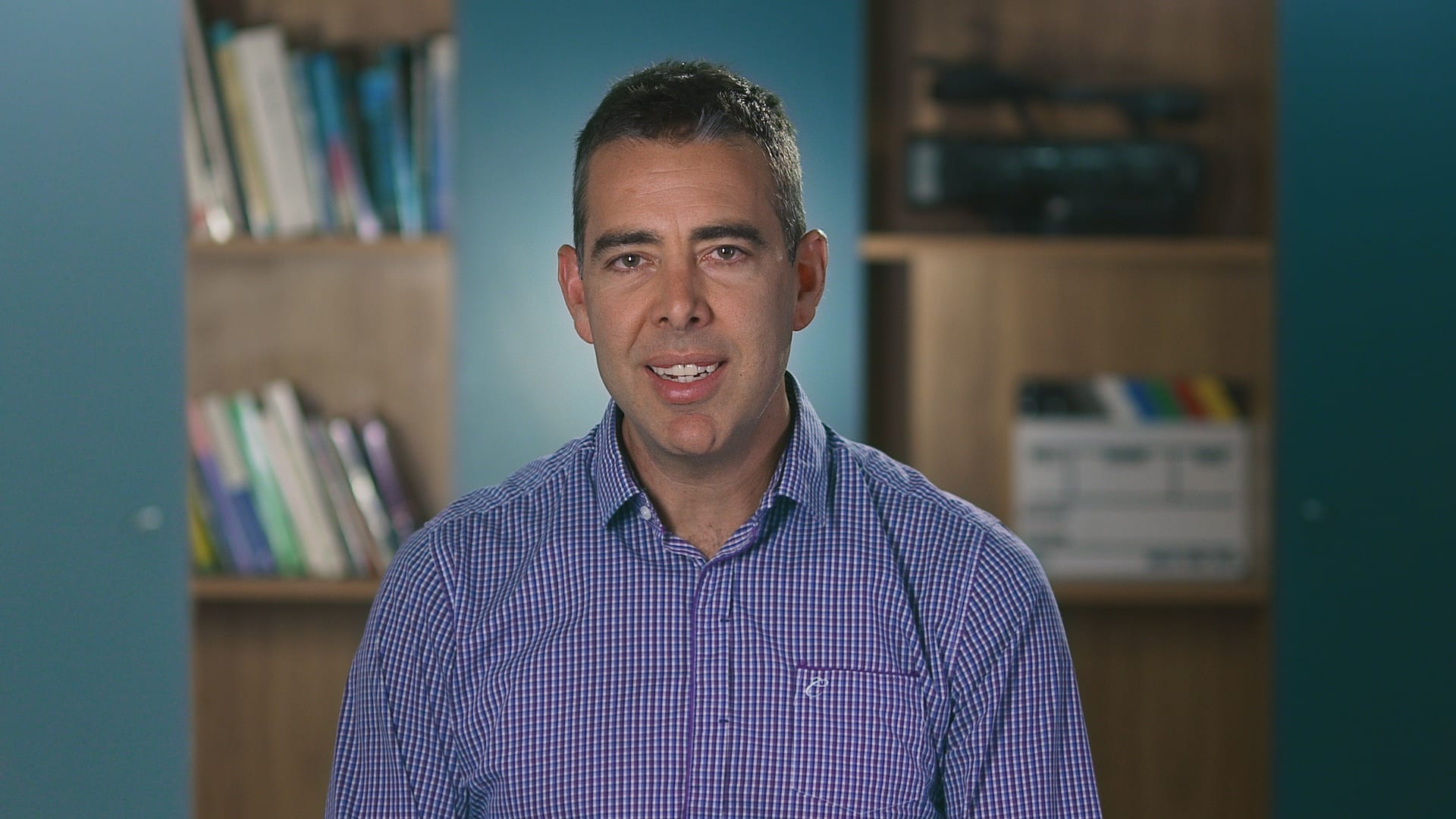
Ryan Spanger is the founder and managing director of Dream Engine, a Melbourne video production company established in 2002. Over the past two decades, he’s produced hundreds of videos for businesses, government departments, universities and healthcare organisations across Australia. Ryan specialises in helping organisations explain complex ideas through clear, engaging video content, with particular experience in corporate communications, training and education.