What is an annual report or end-of-year video?
An annual report or end-of-year video is a short, carefully planned piece of content that sits alongside formal reporting. Its role is to explain outcomes, progress, and priorities in a way that is easier to understand and easier to absorb.
These videos are often used by organisations that need to communicate clearly with:
- Boards and senior stakeholders
- Funding bodies and partners
- Members, staff, or the broader community
- Clients, investors, or industry groups
The tone is typically calm, factual, and considered. This is not marketing content. It is about clarity, accountability, and trust.
When does an annual report video make sense?
Annual reports and end-of-year videos work particularly well for organisations that need to balance transparency with accessibility.
Dream Engine most often makes Annual Report Videos for:
- Government departments and local councils
- Not-for-profits and funded organisations
- Healthcare and community services
- Education institutions
- Industry bodies and member-based organisations
- Private companies with a strong focus on people, impact, or governance
In each case, the goal is similar. Help people understand what was achieved over the year without asking them to wade through a large document to get there.
Using video to communicate impact and outcomes
For many organisations, particularly not-for-profits and funded entities, annual reporting is about more than numbers. It is about demonstrating impact and showing how work on the ground connects back to strategy and funding.
This annual reporting video that we produced for PACT focused on clearly communicating outcomes, values, and the real-world effect of the organisation’s work.
- Explaining impact in plain language
- Balancing accountability with human stories
- Maintaining a respectful, professional tone
- Supporting formal reporting rather than competing with it
End-of-year video for private organisations and stakeholders
Private organisations often use end-of-year videos to speak directly to stakeholders, staff, and partners. These videos help leadership reflect on the year, acknowledge challenges, and reinforce direction without overstatement.
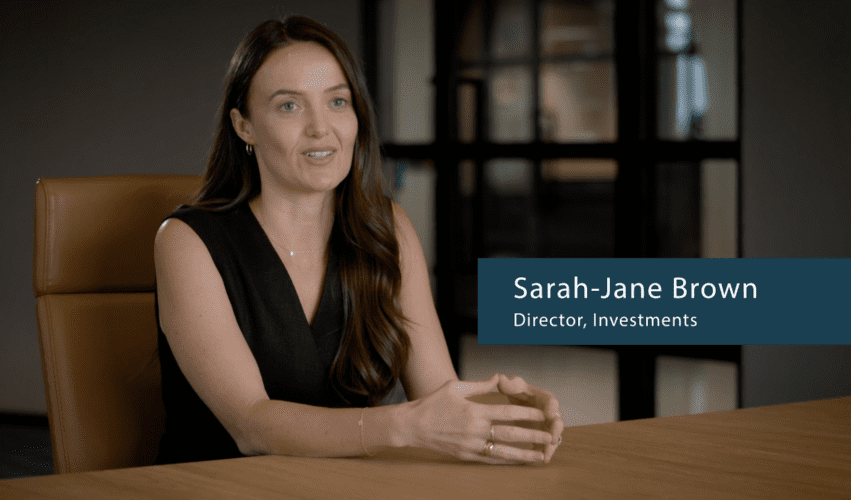
For Mosaic Private, the end-of-year video that Dream Engine made focused on trust, continuity, and clear communication with a professional audience.
- A composed leadership message
- Clear reflection on the year that was
- A tone aligned with a private, high-trust organisation
- A format suitable for both internal and external use
Member and industry reporting at scale
Industry bodies and member-based organisations face a different challenge. Their audiences are broad, diverse, and time-poor. Annual reporting needs to show value delivered while remaining accessible to a wide range of members.
This reporting video we filmed for Incolink was designed to clearly explain services delivered, outcomes achieved, and the ongoing value provided to members.
- Clear explanation of benefits and services
- Language that works across a broad audience
- A structure that supports both viewing and sharing
- Consistency with formal annual reporting
Annual Report Photography
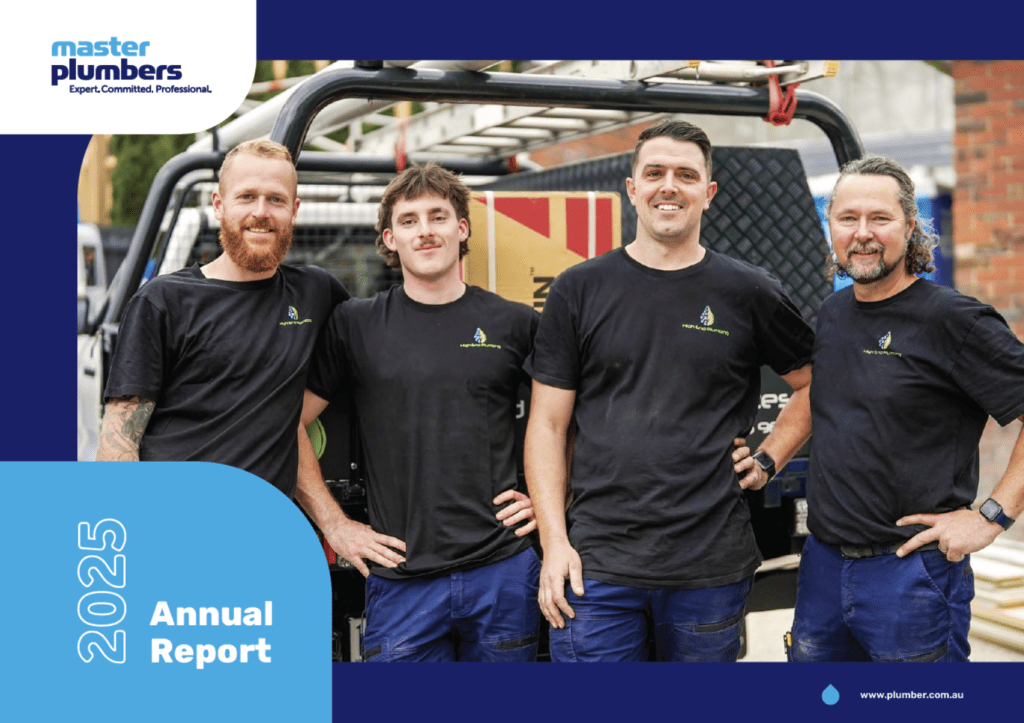
For their Annual Report, we worked with Master Plumbers to produce a targeted photography shoot that complemented the video content. The focus was on people and real environments, capturing members, leadership, and on-site activity that reflected the organisation as it actually operates. Used alongside the Annual Report front cover, the photography added depth and credibility, helping the report feel cohesive, human, and considered rather than purely corporate.
How organisations actually use these videos
Annual Report and end-of-year videos are rarely used in isolation. They are typically embedded or shared across multiple touchpoints.
- Embedded within digital annual reports
- Placed on corporate or organisation websites
- Used in board or stakeholder briefings
- Internal comms video shared with staff and teams
- Repurposed for LinkedIn or email summaries
This flexibility is one of the key reasons organisations invest in them.
Planning considerations
The most common issue with annual report videos is timing. These projects often sit at the end of a long reporting process and are left too late.
Successful projects usually involve:
- Early planning and alignment with reporting timelines
- Clear agreement on key messages
- Efficient filming schedules
- Comfort with review and approvals
- Accessibility considerations such as captions
When planned properly, these videos do not need to be complex or disruptive.
Why organisations struggle with annual report videos
The challenges are rarely technical. They are usually about clarity and confidence.
- Trying to include too much information
- Fear of oversimplifying important work
- Multiple stakeholders with competing priorities
- Starting the process too late in the year
A calm, structured approach helps keep the project focused and manageable.
Our approach at Dream Engine
At Dream Engine, we focus on:
- Clear messaging that supports the written report
- A professional, understated visual style
- Efficient filming that respects busy teams
- A smooth process with no surprises
The result is a video that feels considered, credible, and easy to use across multiple channels.
Frequently Asked Questions
Frequently Asked Questions
How long should an annual report video be?
Most annual report or end-of-year videos sit between two and four minutes. The goal is to provide a clear overview, not cover every detail.
Can these videos include data or financial results?
Yes. Data can be included when it is explained clearly and used to support key messages. Video works best when it simplifies, not overwhelms.
Do we need more than one version?
Sometimes. Some organisations create a primary version and shorter cut-downs for internal use or social channels.
When should we start planning?
Ideally several months before the end of the reporting period. Early planning allows the video to align properly with the annual report process.
Planning ahead
If your organisation produces an annual report or formal end-of-year update, video can be a practical way to improve understanding and engagement.
Early conversations make these projects far easier to deliver. If you are planning ahead for your next reporting cycle, we are always happy to talk through options and timing.
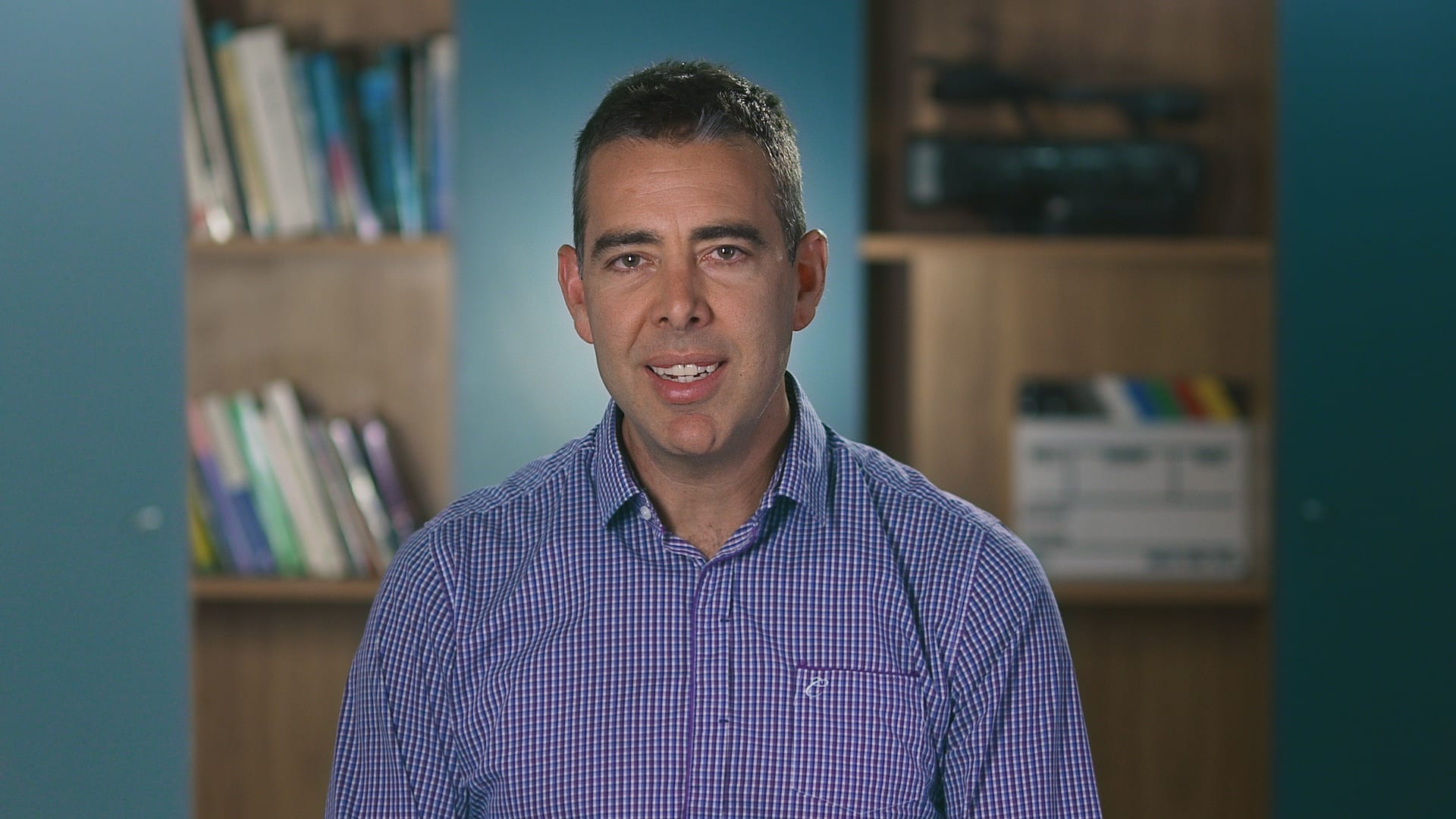
Ryan Spanger is the founder and managing director of Dream Engine, a Melbourne-based video production company established in 2002. With more than two decades of experience, Ryan has helped leading Australian businesses, government departments, and non-profits communicate their message with clarity and impact through video. He’s known for his strategic approach, reliable process, and commitment to producing videos that deliver measurable results.