
Across Melbourne, councils are responsible for a wide range of services that affect people’s daily lives. Planning, health, safety, community programs, infrastructure and internal operations all rely on clear communication. Government video production is an ideal way to communicate.
Much of this work happens quietly. Residents often only notice outcomes, not the process behind them. That gap is where video is increasingly used, not as promotion, but as a practical communication tool.
In our experience working with councils and government organisations, video is most effective when it helps people understand what is happening, why it matters, and what they need to do next.
This article looks at how council video production is actually used in Melbourne, based on real projects rather than theory.
What councils in Melbourne use video for
Most council video work falls into a few consistent categories. These are not campaign videos. They are clarity tools.
Explaining services and processes
Melbourne Councils manage complex systems that are unfamiliar to many residents. Written information often struggles to cut through, particularly when the topic is technical or emotionally sensitive.
Video allows councils to explain processes visually and in plain language. Showing examples, locations and outcomes helps people understand how a service works and how it applies to them.
Supporting community wellbeing
Many council services deal with sensitive areas such as health, family support and wellbeing. Video is often used to reassure, normalise and make services feel approachable.
When handled carefully, people sharing their own experiences can help others feel comfortable engaging with support services.
Clarifying planning and regulatory information
Planning controls, permits and overlays are a frequent source of confusion. Video is well-suited to myth-busting and explanation because it allows councils to slow the conversation down and show real examples.
This type of content can reduce misunderstanding and follow-up enquiries while improving public understanding.
Internal communication and training
Councils operate large teams across multiple sites. Internal videos are commonly used for induction, training, safety and operational consistency.
Video helps ensure the same message is delivered clearly, regardless of location or role.
Why video works in a local government context
Video is not used because it is fashionable. It is used because it solves practical problems.
In council environments, video helps by:
- Reducing misinterpretation of written information
- Making complex topics easier to follow
- Reaching audiences with different literacy levels
- Supporting accessibility through captions and transcripts
- Creating consistency across departments and teams
The strongest government videos are calm, clear and neutral. They are designed to inform rather than persuade.
Case study: City of Boroondara community wellbeing video
The City of Boroondara approached us at an early idea stage to explore a short video focused on maternal and child health services.
The audience was the local community, particularly people who had already used these services or were considering engaging with them. The subject matter was sensitive, centred on mental health and wellbeing. If you’re planning a council or community engagement video, this is the approach we typically recommend.
The concept was simple. Three community members speaking about their experiences with maternal and child health services such as facilitated playgroups, appointments and programs.
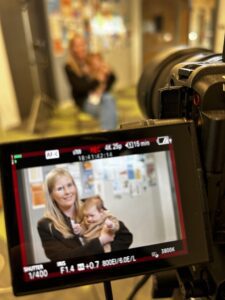
What mattered most was tone. The video needed to feel respectful, reassuring and genuine. There was no need for dramatic storytelling or promotional language.
From the outset, accessibility was a requirement. Captioning and transcripts were essential so the content could be shared widely and inclusively.
This type of healthcare video reflects how councils in Melbourne use video to build understanding and confidence around services that support people at vulnerable points in their lives.
Case study: Moonee Valley City Council heritage overlay video
Moonee Valley City Council needed to address widespread misunderstanding about heritage overlays and what they mean for property owners.
There were several persistent myths. That you cannot renovate. That newer homes cannot be included. That a heritage listing forces restoration. That property values will be affected.
Rather than issuing another written explanation, the council chose a video approach that addressed each myth clearly and calmly.
The structure was deliberate. Each misconception was explained in plain language, supported by visuals of real heritage properties across different timeframes. Renovated homes were shown to demonstrate what is possible within a heritage overlay.
The video focused on process rather than enforcement. It explained when permits may be required, what a heritage overlay does and does not mean, and where residents could get further advice.
This kind of explanatory video is a common and effective use of council video production in Melbourne. It reduces anxiety, improves understanding and supports more informed conversations between councils and the community.
Case Study: City of Port Phillip Sustainable Transport Video
We produced a community-focused video for City of Port Phillip promoting sustainable transport and the everyday benefits of walking and cycling. Shown as part of Walk to Work Day, the video highlighted how small changes in daily travel can improve health, reduce congestion, and support a more liveable city, speaking directly to residents in a clear, practical, and relatable way.
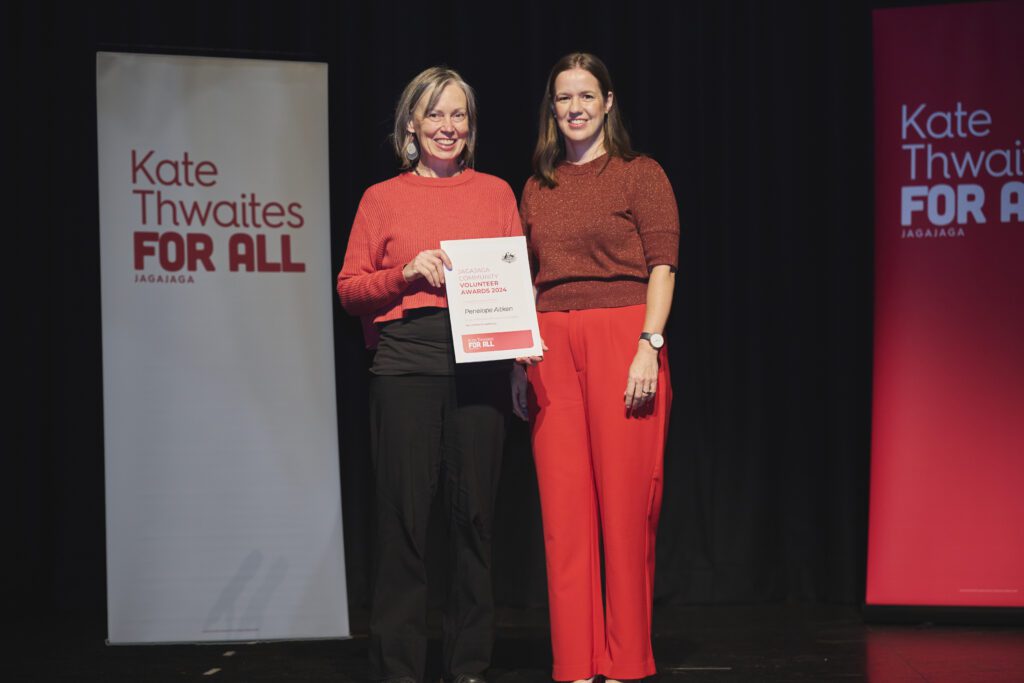
Case Study: Jaga Jaga Community Volunteer Awards – Video & Photography for Kate Thwaites MP
We provided event video and photography for the Jaga Jaga Community Volunteer Awards, capturing the stories and impact of local volunteers who make a real difference. Delivered in collaboration with Kate Thwaites MP, the content was designed to feel warm, respectful, and community-first, creating lasting assets that celebrate contribution and recognise people at the heart of the electorate.
Common mistakes councils make with video
From what we see across Melbourne, a few issues come up repeatedly.
- Trying to cover too much in one video
- Using internal language that residents do not understand
- Adding captions and transcripts at the end instead of planning them from the start
- Treating video as a one-off asset rather than planning for reuse
- Overloading the video with text instead of showing real examples
Our approach to council video production in Melbourne
When working with councils, we start by understanding the purpose of the communication and the constraints around it.
We help teams clarify the message before filming begins, plan accessibility from the start and design content that can be reused across channels.
Our work covers community information, training, internal communication and public-facing government video projects across Melbourne.
If you are exploring council or government video production and need a practical, experienced partner, you can learn more on our Government Video Melbourne page or get in touch to discuss your project.
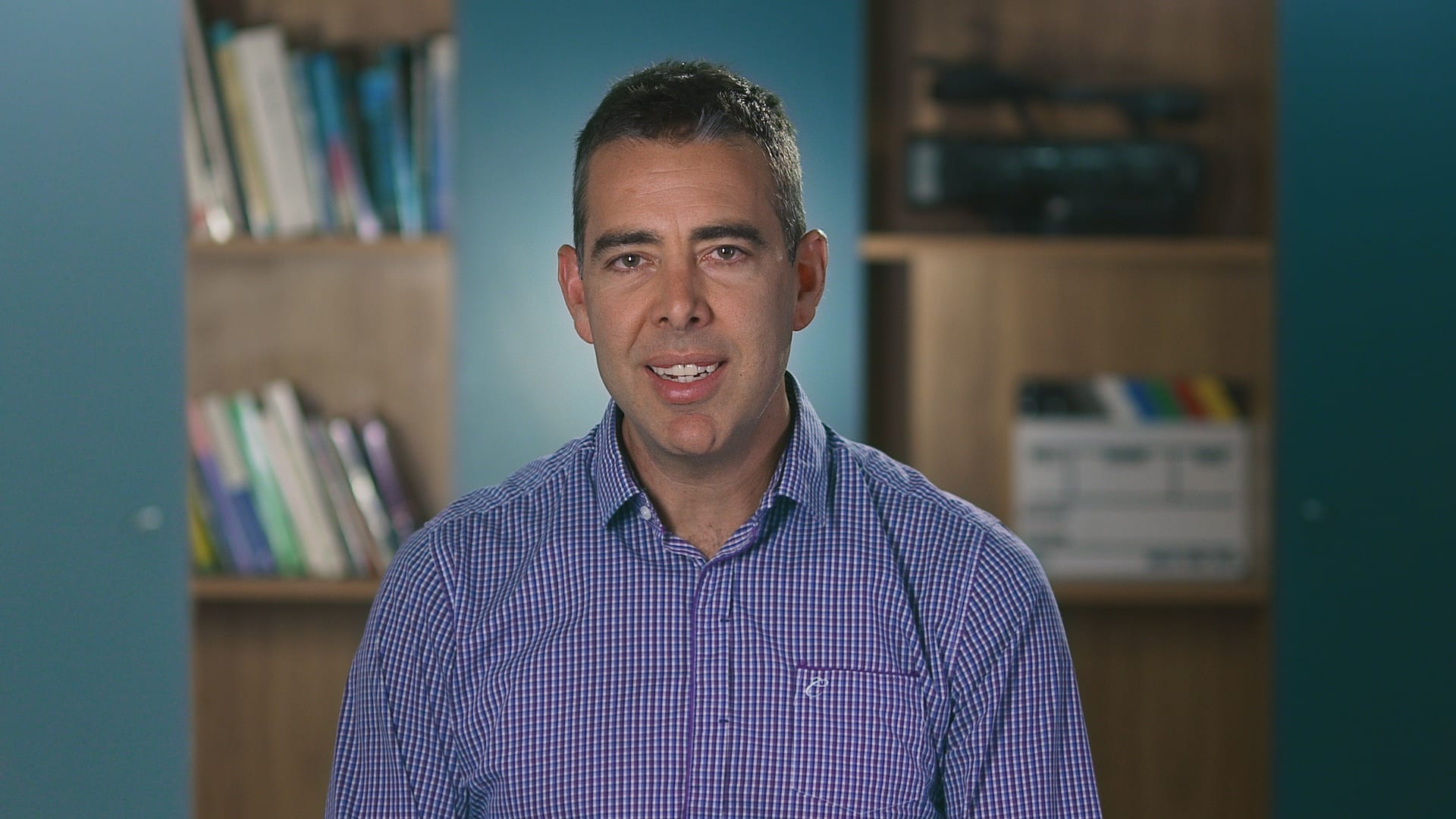
Ryan Spanger is the founder and managing director of Dream Engine, a Melbourne-based video production company established in 2002. With more than two decades of experience, Ryan has helped leading Australian businesses, government departments, and non-profits communicate their message with clarity and impact through video. He’s known for his strategic approach, reliable process, and commitment to producing videos that deliver measurable results.