In this guide
Brand voice is the way your organisation sounds when it communicates. In video marketing, it guides the wording, delivery and visual style of your videos.
Many organisations know what they stand for, but struggle to translate that into a consistent approach for video. This article explains how to define a brand voice for video content that sounds natural and reflects how your business actually operates.

How Brand Voice Affects Your Video
Brand voice is the tone, attitude, and personality that runs through your communication. In video, it shows up in more ways than words alone. It includes pacing, visuals, music, framing, editing style, and how people appear on screen.
Consistent terminology, delivery and visual cues can make a series easier to recognise. Check that these choices suit each subject and do not get in the way of explaining it.
Start with your core values
A useful brand voice reflects how your organisation actually behaves, not how it wants to sound on paper. Before planning video content, it helps to step back and define a few fundamentals.
- What do we want to be known for?
- What qualities do clients consistently value?
- What do people rely on us for?
- How do we normally communicate when we are at our best?
The answers guide tone and style. A business known for precision and reliability will usually benefit from a calm, measured approach. A people-focused organisation may lean towards warmth and conversation. Use examples from your existing communication to agree on what fits.
Decide how you want to sound
Once your values are clear, you can define how they translate into language and delivery. This applies to scripts, narration, interviews, and direct-to-camera pieces.
- Language: simple or technical, conversational or instructional
- Pacing: steady and considered, or faster and energetic
- Formality: relaxed, neutral, or structured
- Point of view: first person, third person, or a mix
Read a sample script aloud. Replace phrases your team would not normally use and check that the wording suits the people watching.
Use visual style to reinforce your voice
Lighting, framing and editing also affect the tone. Discuss visual references alongside the script so the team understands the approach.
- Clean lighting and steady framing support a professional, confident voice
- Faster cuts and bolder colour can signal energy and momentum
- Natural light and observational footage often suit people-led organisations
Animation, music, and graphics should support the message rather than compete with it. When these elements are consistent across videos, the content feels connected even when the subject matter changes.
Match your voice to your audience
Use a clear audience definition before deciding how to deliver the message. A strong brand voice always considers who is watching. A technical audience may expect precise language and detail. A broader audience may need simpler explanations and a slower pace.
- Who is this video for?
- What do they already understand?
- What tone will feel most appropriate to them?
A well-defined voice can adapt without losing its identity. The core remains consistent, even as the delivery adjusts to suit different contexts.
Apply your voice across all video content
Once your voice is clear, it should carry through everything you produce. This includes brand videos, case studies, internal communications, recruitment content, and social clips.
Document the agreed approach, including preferred wording, examples of delivery, visual references and any phrases to avoid. Give these guidelines to everyone who writes or reviews the videos.
How Dream Engine helps clients define their voice
When we work with organisations on video, we start by understanding how they operate, who they serve, and how they communicate day to day. From there, we help define a tone and visual approach that fits the organisation and the intended audience.
The agreed examples give writers, presenters and reviewers a reference to use on later videos.
If you want support shaping a clear and consistent voice for your video content, talk to Dream Engine about planning, scripting and producing videos that reflect who you are and how you work.
Brand voice in video
Brand voice: frequently asked questions
Agree on a practical reference for the next video.
What is a brand voice in video?
Brand voice in video is the consistent tone, style, and personality expressed through language, visuals, pacing, and overall presentation.
How does brand voice affect video marketing?
A consistent voice makes your videos easier to recognise and understand. It helps viewers build familiarity and confidence in your organisation.
How do we define our brand voice for video?
Start with your values, audience, and how you naturally communicate. From there, decide on tone, pacing, and visual style that feel authentic.
Should our brand voice change across different videos?
The tone can adapt to the content, but the core personality should remain consistent so the brand feels familiar.
Can Dream Engine help us clarify our brand voice?
Yes. We help organisations translate their values and communication style into video content that feels clear, natural, and consistent.
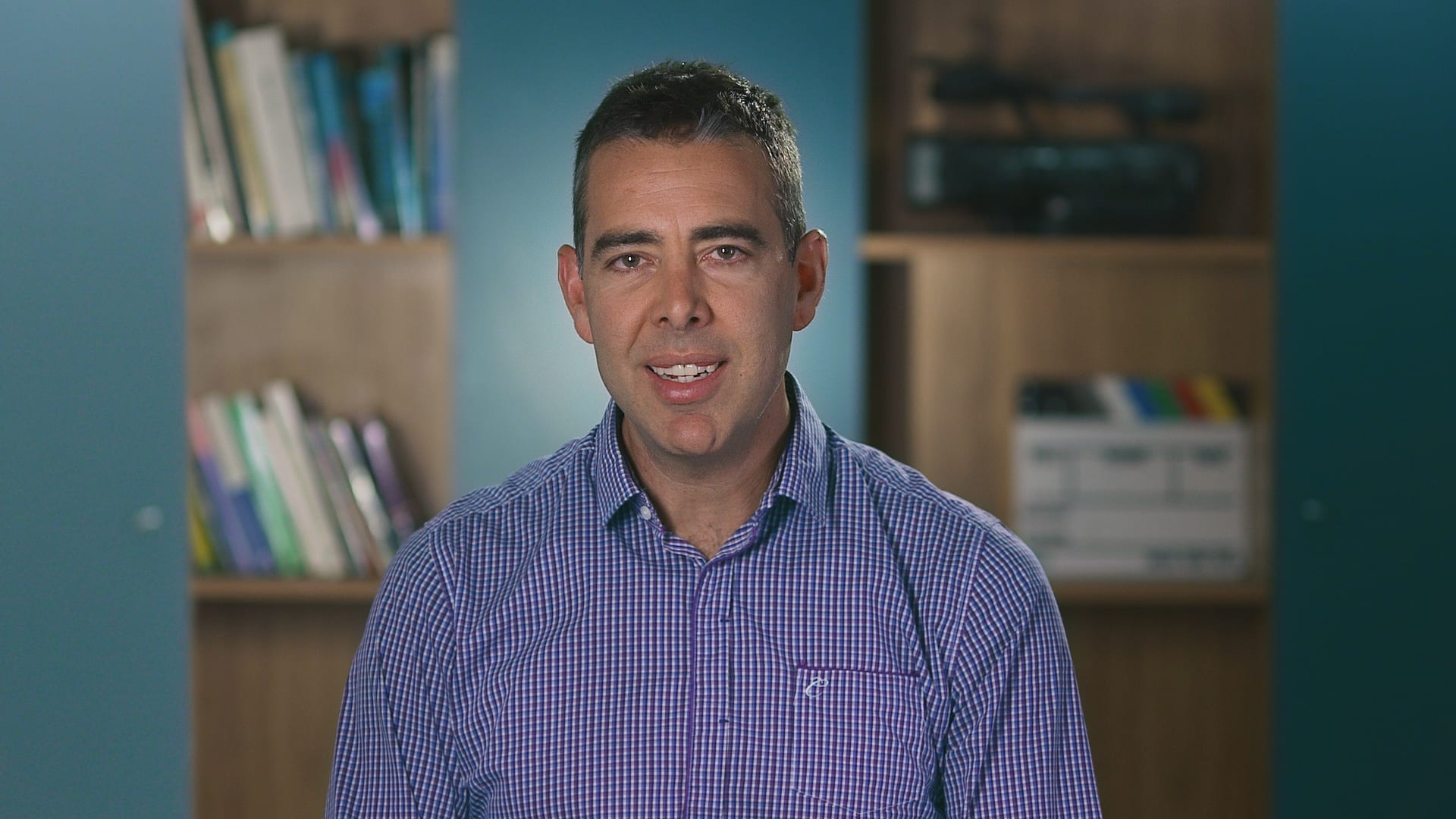
Ryan Spanger is the founder and managing director of Dream Engine, a Melbourne video production company established in 2002. Over the past two decades, he’s produced hundreds of videos for businesses, government departments, universities and healthcare organisations across Australia. Ryan specialises in helping organisations explain complex ideas through clear, engaging video content, with particular experience in corporate communications, training and education.