If you need an industrial video or a construction video in Melbourne, the biggest risk is not the camera work. It’s what happens when filming interrupts a live site, misses a critical process, or creates safety issues.
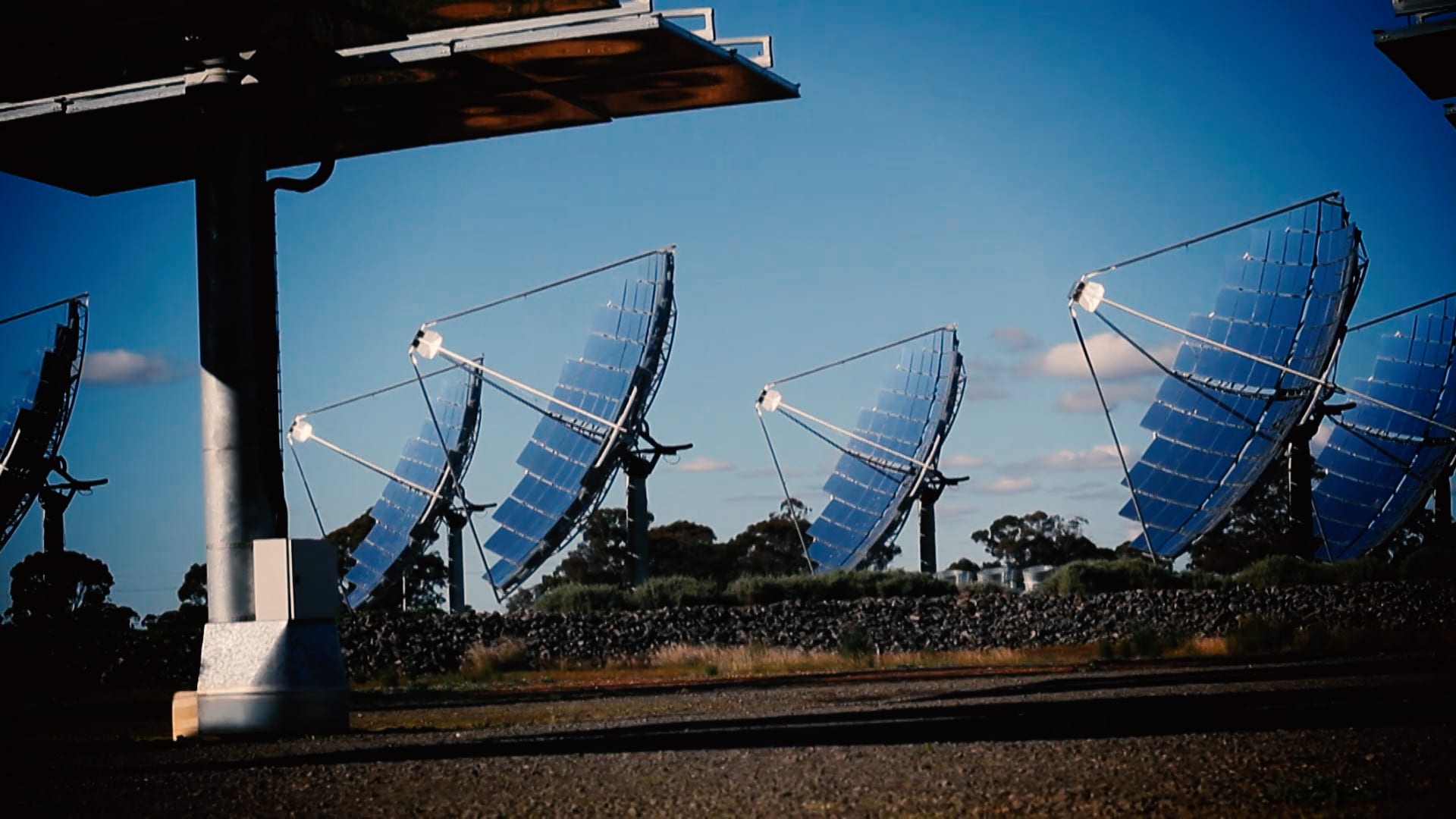
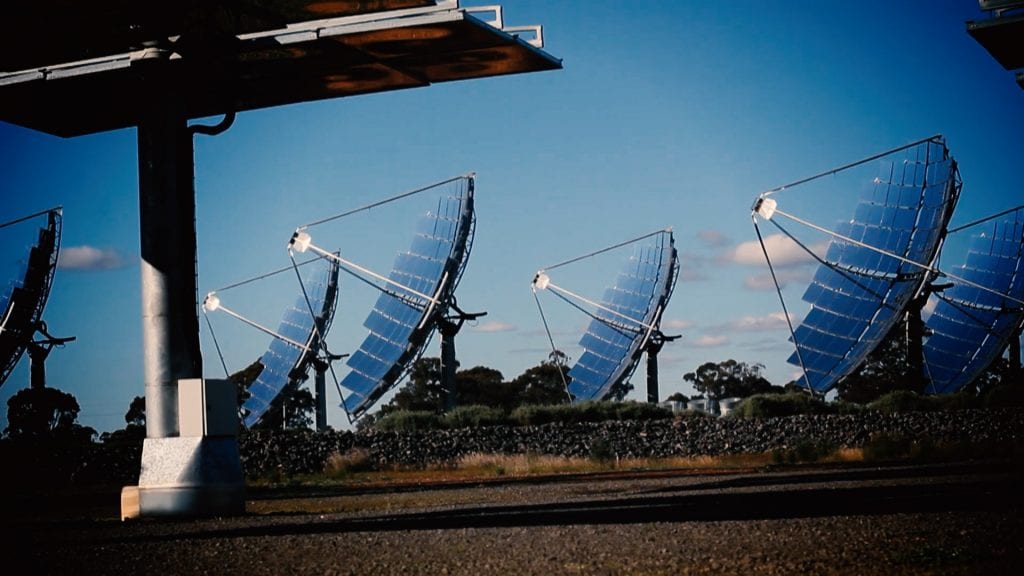
At Dream Engine, we film on active sites all over Australia, including factories, workshops, warehouses, and construction environments, like this video we produced for Clevertronics. Our approach is simple: keep the site safe, work efficiently, and capture the story of what actually happens.
What industrial and construction videos are used for
Most industrial and construction clients come to us because they need footage that does a job. Common uses include:
- Capability and tender videos that show capacity, scale, and professionalism
- Project progress videos for stakeholders, boards, and internal updates
- Safety and induction content that supports consistent messaging
- Recruitment videos that show real work and real people
- Customer and partner communication that explains how things are made or delivered
Safety first, every time
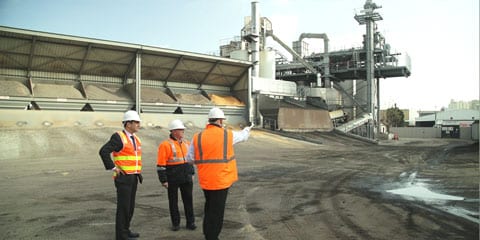
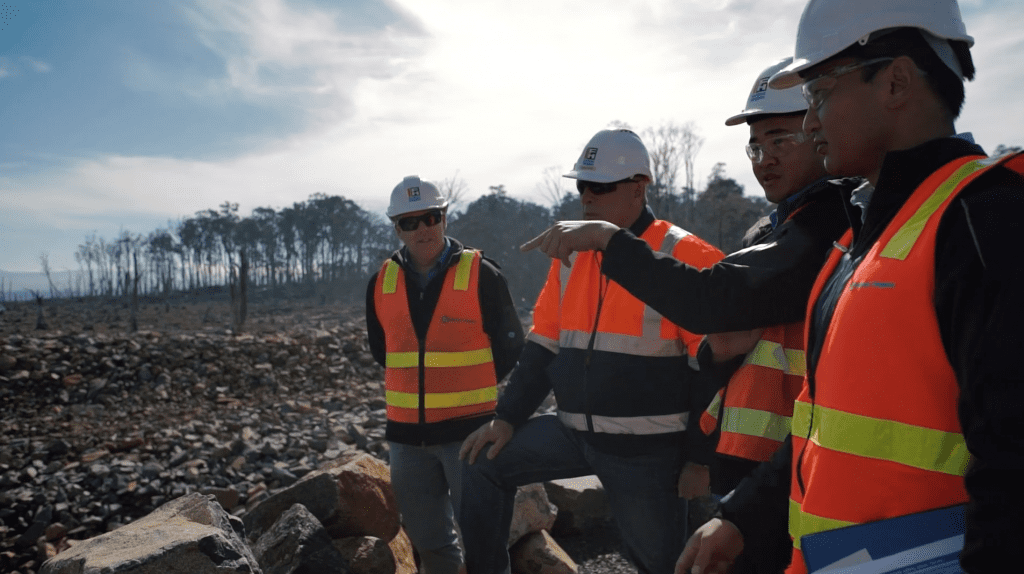
When we film a construction video in Melbourne, safety is the first priority. Before every shoot, we complete a risk assessment to identify hazards, understand the workflow, and confirm the PPE requirements.
Depending on the site, this may include high-vis, hard hats, steel-capped boots, gloves, and hearing protection. We complete inductions, confirm exclusion zones, note emergency procedures, and clarify who our point of contact is on the day.
This preparation protects the crew and the site. It also saves time, because we are not guessing once cameras are rolling.
Understanding the site before we start filming
Industrial and construction environments are complex. The best footage usually comes from understanding the operation first, then planning around real work rather than forcing the site to perform for the camera.
Before the shoot, we speak with the people who know the process best. We identify:
- What must be captured (key steps, machinery, people, milestones)
- When it happens (timing, bottlenecks, shift changes, access windows)
- Where the best visuals are (vantage points, movement, scale, detail)
- What we should avoid (sensitive areas, safety constraints, downtime)
Filming on active sites without getting in the way
Active sites require a small footprint. We keep the kit practical so we can move quickly, stay out of the way, and avoid slowing down operations.
When movement helps tell the story, we use controlled camera motion to capture machinery, vehicles, and activity safely. Where permitted, aerial footage can show site scale, layout, and progress in a way ground cameras cannot.
Capturing both detail and scale
Industrial work is visual for a reason. There is scale, motion, precision, and craftsmanship. The strongest edits usually combine:
- Wide shots to show size, layout, and context
- Mid shots to place people and processes in the environment
- Close-ups to highlight detail, quality, and control
For specific viewpoints, we can use compact cameras mounted on vehicles or equipment where it is safe and appropriate. Time-lapse can also be useful for long processes such as installations, builds, and staged work.
How we work with your team
On industrial and construction projects, our aim is to be easy to deal with. That usually means:
- Clear communication before the day so the site is not surprised
- A tight schedule that respects access windows and site priorities
- Self-sufficient crew that does not require hand-holding
- Respect for supervisors and quick adjustments when conditions change
After filming, we bring everything back to our studio and build a clear narrative in the edit. The final delivery is produced to suit its purpose, whether it is marketing, recruitment, training, stakeholder updates, or project documentation.
Ready to film your site or project?
If you need an industrial or construction video that presents your organisation with clarity and confidence, get in contact with Dream Engine.
Industrial & Construction Video – Frequently Asked Questions
How do you keep filming safe on active construction or industrial sites?
We complete a risk assessment before the shoot, follow site inductions, wear the required PPE, confirm exclusion zones, and work to the site supervisor’s instructions. Safety comes before shot selection.
Will filming disrupt our operations?
It should not. We plan around your workflow, keep a compact kit, and move efficiently. Most shoots are scheduled to capture key processes without slowing work down.
What should we prepare before an industrial or construction video shoot?
A point of contact on site, access requirements, PPE expectations, any induction paperwork, and a simple list of what you want the video to achieve. If there are sensitive areas or restricted processes, we flag those early.
Can you capture drone footage and time-lapse?
Yes, where it is permitted and safe. Drone footage can show site scale and layout, and time-lapse is useful for long processes or project stages. We will confirm what is feasible during planning.
What deliverables do you typically provide?
Most clients need a main edit for website or presentations, plus shorter cut-downs for LinkedIn and internal updates. We can also supply captions and platform-ready versions where required.
How long does an industrial or construction video take to produce?
Many projects take two to six weeks from planning to final delivery, depending on filming access, number of locations, and how many versions you need. We confirm a clear schedule before filming.
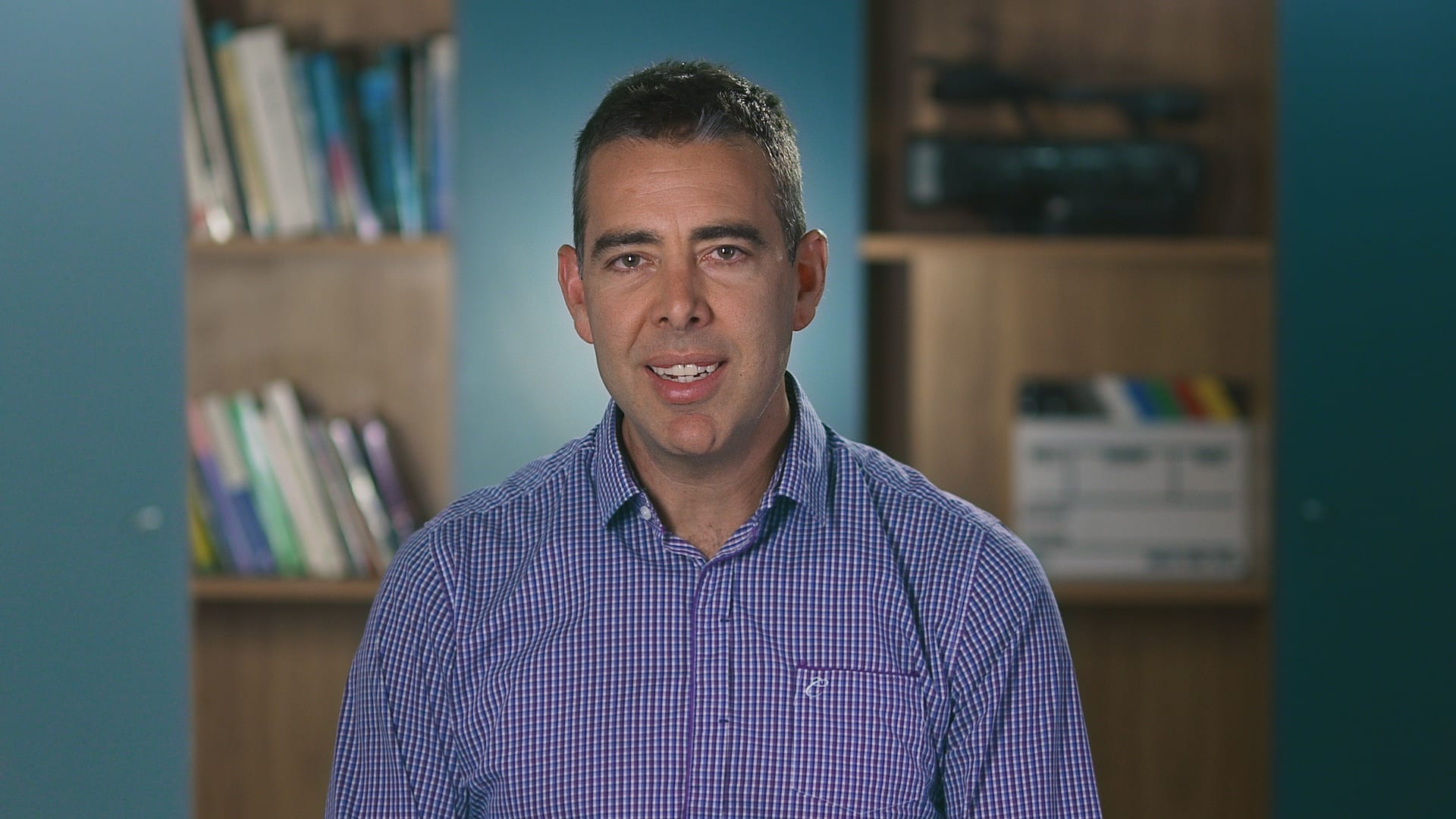
Ryan Spanger is the founder and managing director of Dream Engine, a Melbourne video production company established in 2002. Over the past two decades, he’s produced hundreds of videos for businesses, government departments, universities and healthcare organisations across Australia. Ryan specialises in helping organisations explain complex ideas through clear, engaging video content, with particular experience in corporate communications, training and education.