Corporate video production is a collaborative process. Writers, producers, crew, editors, and clients all contribute to the final outcome. When that collaboration works well, projects move efficiently, and the end result is strong. When it breaks down, timelines stretch, costs increase, and the message becomes diluted.
One of the most common pressure points is feedback. Giving feedback on a video can feel difficult, especially if video production is not your day-to-day role. The good news is that effective feedback is not about technical expertise. It is about clarity, structure, and shared expectations.
This guide outlines how experienced teams approach feedback in a way that keeps projects on track and outcomes aligned.
Start with a clear brief
Feedback is almost impossible to give well if there is no agreed destination.
Before production begins, you should work with your video team to establish a clear brief. This does not need to be overly detailed, but it does need to answer a few essential questions:
- What is the core message of the video?
- Who is the audience?
- Where will the video be used?
- What action should the viewer take?
It is also helpful to clarify tone and style. Is the video formal or conversational? Informational or emotive? Straightforward or more conceptual?
If you are unsure about any of these elements, a good production partner will help you work through options and show examples that suit your organisation. The goal is not perfection at this stage, but alignment.
Set realistic timelines and revision limits
Clear timelines create momentum. Even approximate deadlines give structure to the process and help everyone prioritise decisions.
It is also important to agree on how many rounds of revisions are included. A typical structure might look like this:
- An initial cut to assess structure, content, and tone
- A second cut to refine messaging, pacing, and inclusions
- A final polish covering graphics, colour, sound, and finishing details
Without defined revision stages, projects can drift into a cycle of small, incremental changes that add time but reduce impact. Clear limits protect both the schedule and the quality of the final video.
Provide clear and consolidated feedback
One of the fastest ways to slow a project down is fragmented feedback.
In corporate environments, it is common for multiple stakeholders to have input. That input should be gathered internally, discussed, and consolidated before being passed to the video team.
Designating a single point of contact avoids conflicting instructions and keeps communication efficient.
When giving feedback, be as specific as possible. Use timestamps, reference exact moments, and explain what is not working and why. For example, noting that a shot should be removed at a particular timecode is far more useful than saying something feels off.
Clear feedback leads to better decisions and faster turnaround.
Respond promptly at each stage
Timely feedback matters.
Editors and producers schedule work around review cycles. When feedback is delayed, momentum is lost, and projects stall. Prompt responses keep the production moving and reduce the likelihood of rushed decisions later in the process.
Efficient feedback benefits everyone. It shortens timelines and improves outcomes.
Trust the expertise of your production team
Corporate video production works best when there is mutual trust.
An experienced video team will sometimes push back or suggest alternatives. This is not resistance. It is part of protecting the brief and ensuring the video works in context.
Production teams bring perspective from many projects across different organisations. Trusting that experience allows collaboration to function as intended.
Feedback is a two-way process. When clients and production teams work together openly, the result is stronger, clearer communication.
How Dream Engine approaches feedback
At Dream Engine, we place a strong emphasis on structure and communication throughout the production process.
We help clients establish clear briefs, guide feedback at each stage, and ensure decisions are made efficiently. This approach reduces uncertainty, protects timelines, and leads to videos that serve their intended purpose.
If you are looking for a corporate video production partner that values clarity, professionalism, and collaboration, you can get in touch with Dream Engine here.
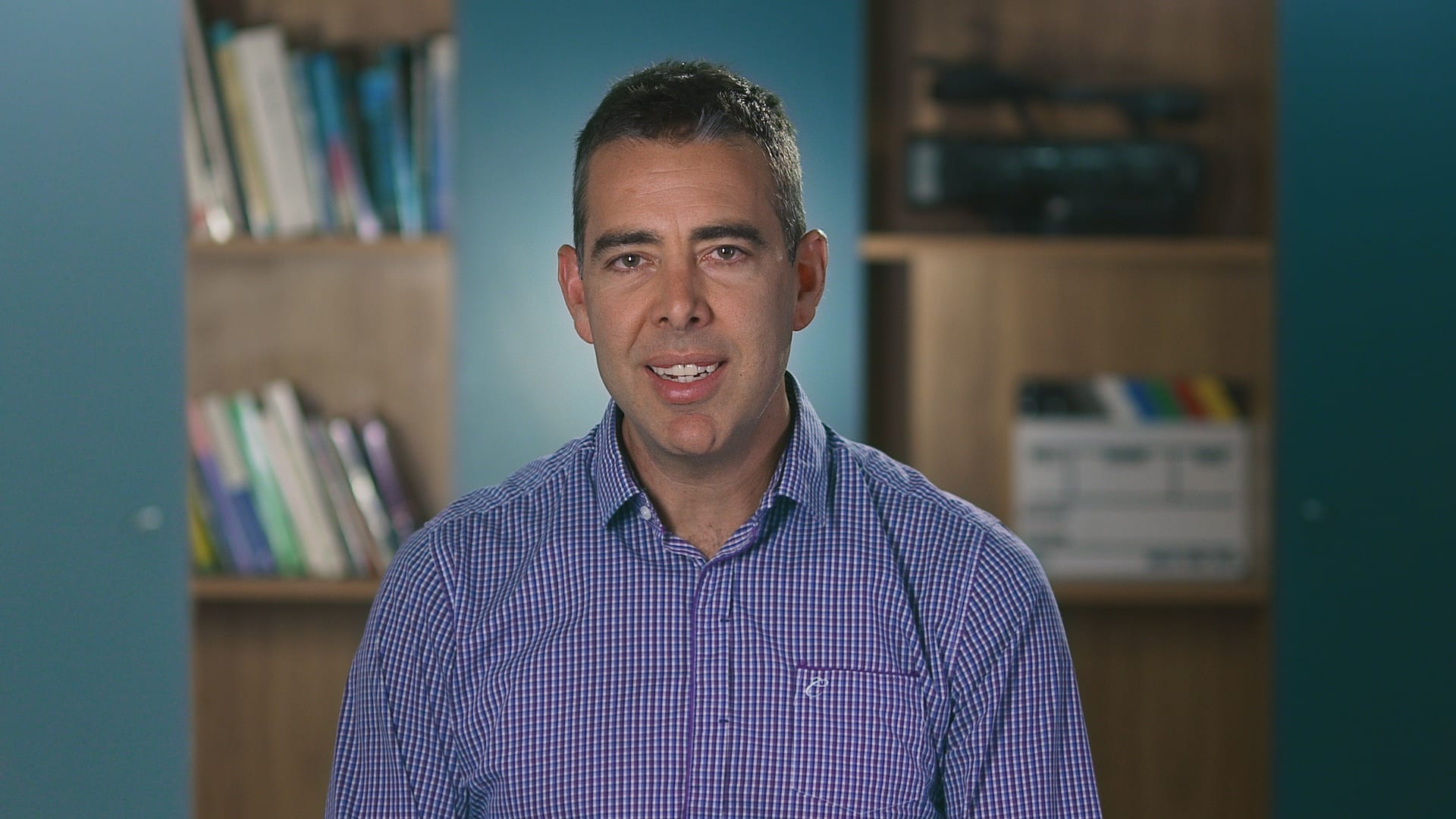
Ryan Spanger is the founder and managing director of Dream Engine, a Melbourne-based video production company established in 2002. With more than two decades of experience, Ryan has helped leading Australian businesses, government departments, and non-profits communicate their message with clarity and impact through video. He’s known for his strategic approach, reliable process, and commitment to producing videos that deliver measurable results.