Stock footage has become a reliable way for a video editor to enhance corporate videos when time, budget or logistics make it difficult to capture everything yourself. When it is used well, it blends naturally into your project and supports the story. When it is used poorly, it can distract the viewer and reduce the overall quality of the video.
Before deciding whether to use stock footage, it is important to understand where it fits, how to choose the right clips and how to match the look of your project.
What Stock Footage Is
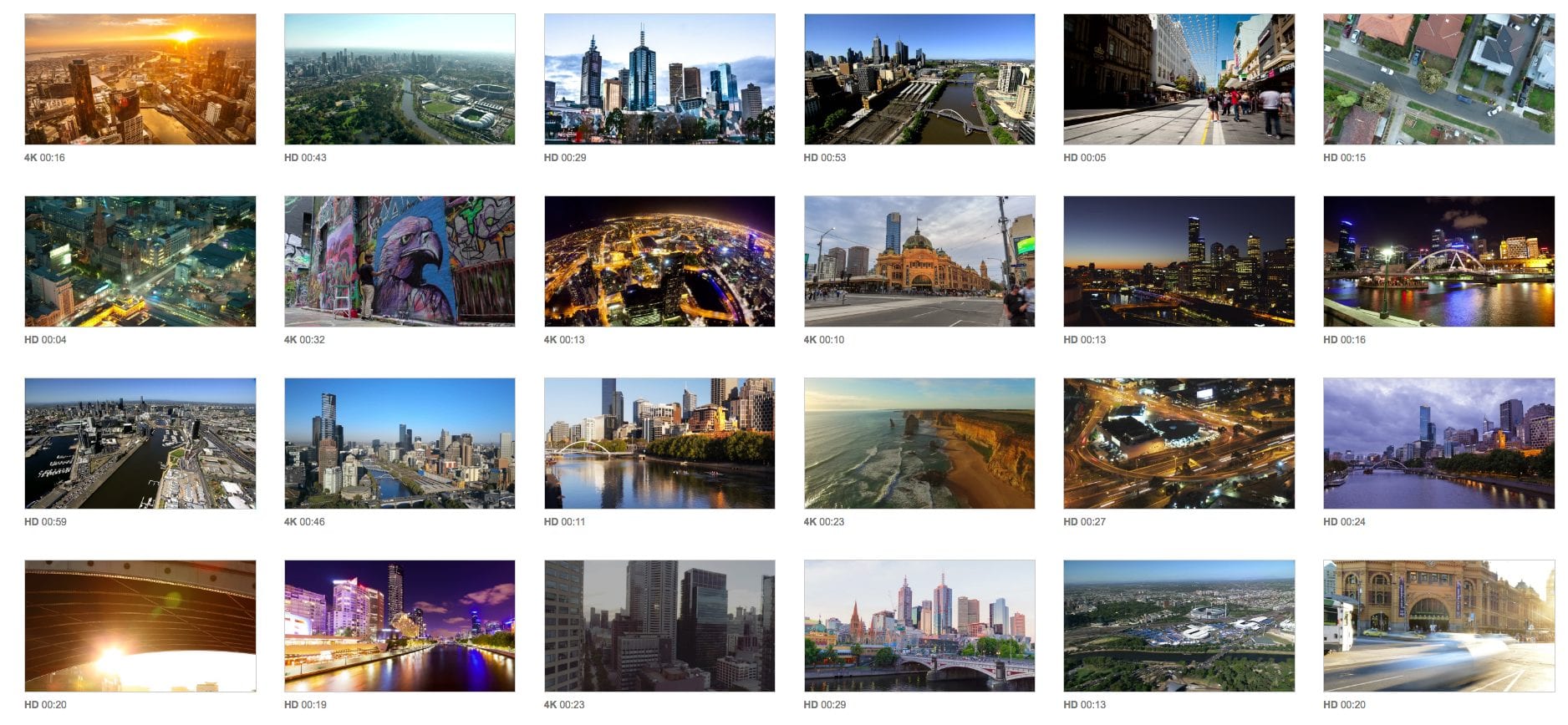
Stock footage is a library of pre-recorded video clips that cover almost any subject you can imagine. Cities, landscapes, workplaces, nature, transport and abstract textures are all common categories. It exists so you can add visual elements to your project without staging every shot yourself.
When Stock Footage Works Well
Stock footage strengthens a video when it solves a practical problem. It can help you:
- Show a location that is difficult or costly to access.
- Add visual variety to a corporate message or interview.
- Support a point with a simple cutaway that does not require a full production setup.
- Fill gaps in a story when schedules or conditions limit filming.
For example, if your video takes place in Melbourne and you want a clean establishing shot, you could spend hours organising permits, scouting locations and waiting for the right weather. Or you could use a high-quality stock clip filmed by an experienced cinematographer and put your time into the content that matters most.
How to Save Time
Stock footage can remove a significant amount of production time. Planning a drone shoot or sunrise landscape shot might take half a day, yet the clip may only appear on screen for two seconds. In these cases, well-chosen stock footage allows you to stay focused on the main message rather than the logistics of a complex shot.

How to Save Money
The cost of purchasing a high-quality clip is often far less than staging the shot yourself. A 4K aerial clip from a reputable site may cost around $200, while an HD version might be closer to $80. For many corporate videos, this represents excellent value, especially when compared with arranging a helicopter, pilot, operator and insurance.
For social media content, you may not need the highest resolution, which can further reduce costs.
How to Use Stock Footage Effectively
If you decide that your project can benefit from stock footage, the next step is choosing clips that match the visual language of your video. The goal is seamless integration. The viewer should not notice the difference between what you filmed and what you licensed.
- Match the resolution. Do not mix 4K and HD unless the HD clips are intentionally stylised or used briefly.
- Match the colour and contrast. Stock clips can be graded to match your original footage. Aim for consistency rather than perfection.
- Match the style. Handheld footage should sit with handheld footage. Smooth, polished clips should sit with smooth, polished clips. Sudden style changes draw attention.
- Support the story. Every clip should have a clear purpose. Stock footage is not filler. It is a visual tool used to reinforce meaning.
Need a wide shot of a plane flying overhead. Need a city skyline. Need a visual reference to a global location. Stock sites often provide an option within minutes that would take hours to create yourself.
stock footage
Where to Source Stock Footage
The most common stock libraries include Shutterstock, iStock and Getty Images. These operate on a per-clip licensing model. You purchase the exact shot you want and receive a license that determines how you can use it.
Other platforms, such as Storyblocks, use a subscription model. You pay a yearly fee and gain access to an extensive library of footage. While the selection may be more limited than in premium libraries, a subscription can be cost-effective if you plan to license many clips.
Before downloading, check the license type to make sure it matches your project. Some clips cannot be used in paid advertising. Others may require extended licensing for corporate or commercial work.
When to Avoid Stock Footage
There are moments when stock footage weakens the message. If the clip is too generic, feels staged, or does not reflect your brand’s tone, it can reduce credibility. Corporate viewers are highly attuned to visual cues. If something looks out of place, they notice it instantly.
As a rule, only reach for stock when it improves clarity, reduces cost or solves a problem. Original footage still carries more authenticity and trust, especially when filming people, workplaces or company-specific processes.
Conclusion
Used with care and a clear purpose, stock footage can streamline production, reduce cost and add visual depth to your corporate videos. The key is choosing clips that match your project and support your message. When stock footage is blended with original footage, you can create a polished, cohesive result without unnecessary production time.
If you want help creating a corporate video with strong visuals and clear storytelling, get in touch with Dream Engine today.
Ryan Spanger is the founder and managing director of Dream Engine, a Melbourne-based video production company established in 2002. With more than two decades of experience, Ryan has helped leading Australian businesses, government departments, and non-profits communicate their message with clarity and impact through video. He’s known for his strategic approach, reliable process, and commitment to producing videos that deliver measurable results.