Updated August 2026
A smooth video production starts with clear decisions before filming. You do not need to arrive with a finished script or know exactly how the production should work. That is what your producer is there to help with. But it does help to know why you are making the video, who needs to be involved and what will happen to the finished content.
The following preparation will help your team avoid delays, reduce unnecessary revisions and make the filming day easier for everyone.
Agree on the Objective
Before discussing cameras, locations or creative ideas, agree on the purpose of the video.
Ask:
- Who needs to watch it?
- What do they need to understand?
- What would you like them to do after watching?
- Where will they see the video?
- Is there a deadline connected to a campaign, event or internal launch?
Try to identify one main audience and one main objective. A video that tries to explain everything to everyone usually becomes too long and difficult to follow.
You do not need to solve the creative approach yourself. Dream Engine can help your team clarify the message, decide who should appear and choose a format that suits the audience. A clear video brief gives the production team the business context, audience and constraints. Share the business context early, including any concerns, constraints or previous content that did not work.
For larger projects, our corporate video production service covers planning, filming, editing and delivery.
Decide What Needs to Be Delivered
Think about the finished videos before filming is planned. The intended channels affect how we frame shots, structure interviews and allow time for additional material.
You may need:
- A main video for your website or presentation
- Shorter edits for LinkedIn or other social channels
- Horizontal, square or vertical versions
- Captions or subtitle files
- Different versions for internal and public audiences
- A clean version without captions or graphics
- A thumbnail or selected still images
Tell the production team where each version will be used and whether the platform has a required length or file specification. It is much easier to plan for these versions before filming than to discover afterwards that an important shot cannot be cropped properly.
If you need raw footage, project files or long-term storage, raise that before the quote is finalised. These items require separate preparation, storage and handover.
Bring the Right People in Early
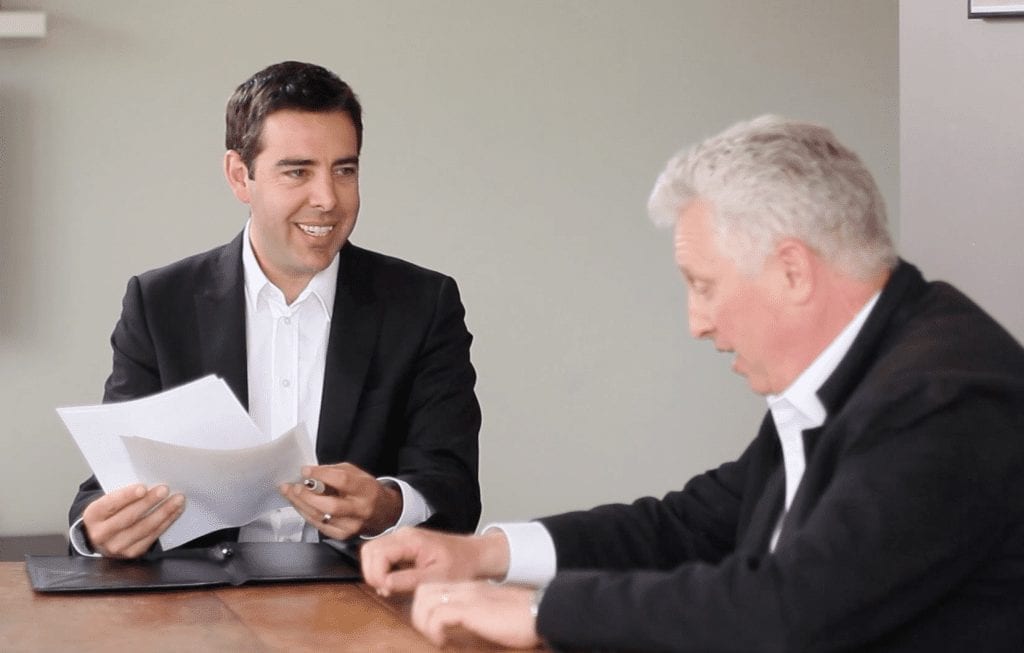
Work out who needs to contribute and who needs to approve the project.
Depending on the organisation, this may include a project owner, subject matter expert, marketing or communications representative, brand team, legal or compliance reviewer and final decision-maker. They do not all need to attend every meeting, but their requirements should be known before filming.
Agree on:
- The key messages
- Who will appear on camera
- The script, interview topics or story structure
- Brand and compliance requirements
- What can and cannot be shown
- Who gives final approval
Late changes to a key message can require an interview to be filmed again or an edit to be substantially rebuilt. Early approval does not remove flexibility. It gives the production team a reliable basis for the shoot.
Nominate one person to coordinate the project from your side. They can gather information, confirm decisions and make sure the right people respond when an approval is needed.
Prepare the People and Location
Most people appearing in corporate videos are not professional presenters. They do not need to memorise polished answers. For an interview-led video, it is usually more helpful to explain the purpose of the video, the general topics and what the filming experience will be like.
Confirm each person’s:
- Name, role and preferred on-screen title
- Availability and contact details
- Clothing or uniform requirements
- Accessibility or practical needs
- Concerns about appearing on camera
Let the producer know if someone is nervous or has limited time. The filming schedule and interview approach can often be adjusted to make the experience more comfortable.
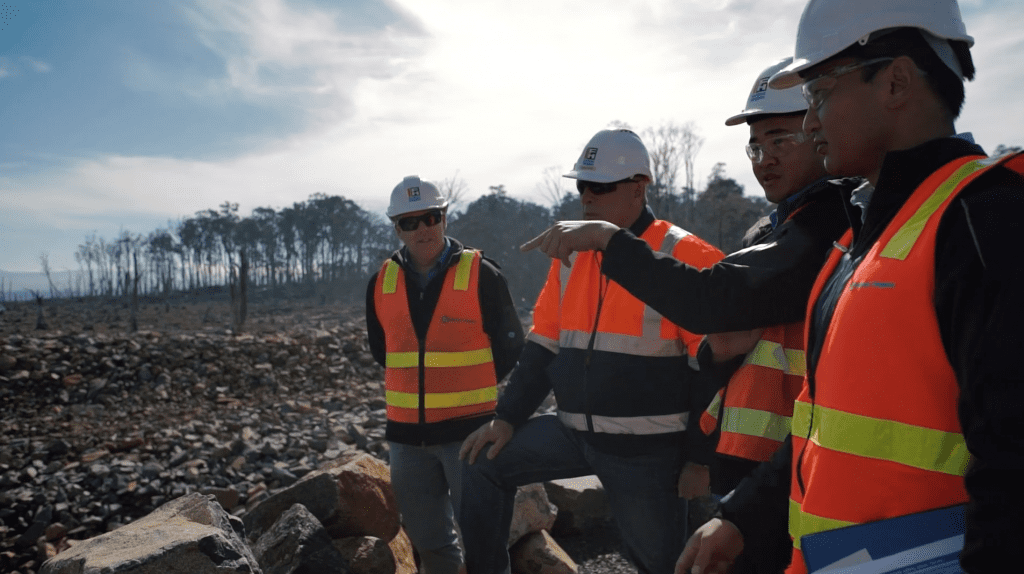
The location also needs preparation. For more complex shoots, location scouting helps confirm access, noise, space and practical requirements before filming. Check access times, parking or loading arrangements, available rooms, noise, power, internet requirements and permission to film. Operational sites may require inductions, permits, personal protective equipment or a staff escort. Sensitive documents, computer screens, whiteboards and customer information may need to be removed or covered.
If filming will interrupt normal work, decide what can pause and what must continue. A quiet office may become noisy at lunch, while a factory process may only run at a particular time. Details like these affect the schedule and should be shared early.
Agree on the Plan, Then Work Collaboratively
Before filming, your producer should confirm the schedule, locations, contributors, approved content and planned deliverables. This gives everyone clear approval points and reduces uncertainty on the day.
Once that plan is agreed, the production team can manage the camera, lighting, sound, interviews and shot coverage. Your team still has an important role. You can confirm that the content is accurate, identify anything that should not be filmed and help the crew work within your organisation.
Conditions sometimes change on the day. A room becomes unavailable, a contributor is delayed or unexpected noise affects an interview. An experienced crew will adjust the setup or schedule and explain any decision that affects the content, timing or scope.
The best working relationship is collaborative. The client provides the context and approvals, while the production team handles the creative and technical decisions needed to deliver the agreed brief.
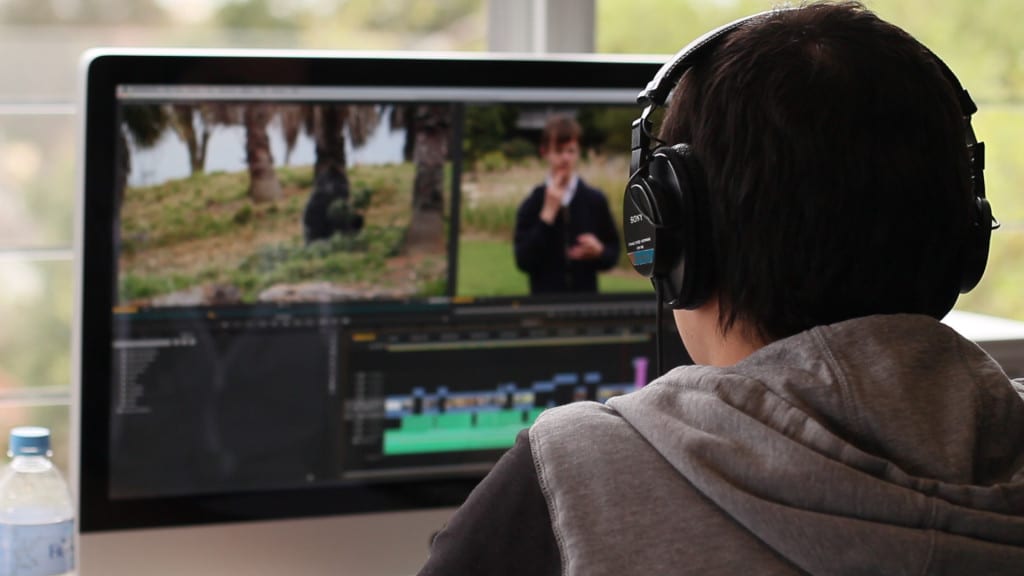
Keep Feedback Clear During Editing
The editing stage becomes difficult when reviewers send separate or conflicting instructions. Nominate one person to collect the team’s comments and send one consolidated response for each review round.
Good feedback is specific. Instead of saying that a section “does not feel right”, explain whether the message is inaccurate, too long, unclear or aimed at the wrong audience. Timecoded comments make it easier to identify the exact shot, line or graphic being discussed.
Review the larger decisions first:
- Is the story accurate and in the right order?
- Are the key messages clear?
- Is anything important missing?
- Is the length suitable for its intended use?
- Are the names, job titles, logos and factual details correct?
Fine changes to graphics, music and shot selection are easier once the content and structure have been approved.
Before sending feedback, resolve disagreements within your team. If a requested change alters the agreed brief or adds a new deliverable, the producer should explain any effect on the schedule or budget before the work continues.
Plan the Release Before Delivery
Decide who will publish the video, where it will be hosted and when it needs to go live. Confirm whether you need captions, a transcript, a thumbnail, supporting copy or versions for different platforms.
It also helps to decide how you will judge whether the video has done its job. The useful measure depends on its purpose. It could be completed training, event registrations, enquiries, staff engagement or whether the right people watched and understood the message.
Planning the release early means the final files can be prepared for their real use, rather than delivered as one general version that someone must adapt later.
A Smooth Production Is a Shared Effort
A good video production process should feel organised, clear and manageable. Your team should know what is needed and when, without having to oversee every production detail.
If you are planning a video and would like help shaping the brief, preparing contributors and organising the production, contact Dream Engine to start a conversation.

Ryan Spanger is the founder and managing director of Dream Engine, a Melbourne video production company established in 2002. Over the past two decades, he’s produced hundreds of videos for businesses, government departments, universities and healthcare organisations across Australia. Ryan specialises in helping organisations explain complex ideas through clear, engaging video content, with particular experience in corporate communications, training and education.