
If you want to make a video for your website, a strong script is one of your most valuable tools. It helps you communicate clearly, sound natural on camera and give viewers a useful next step. A weak script can make a capable speaker sound stiff or bury the main point under too much information.
Face-to-camera videos work because they stand in for a real conversation. The script should support that feeling, not get in the way. This formula is designed for a short web video built around one clear idea. More complex formats may need a different structure.
Dream Engine can also help with the planning and production of videos for your website.
Plan the Message Before You Write
Before writing, answer four questions:
- Who is the video for?
- What problem or question are they bringing to it?
- What is the one result they should understand?
- What should they do next?
A short web video usually works best when it makes one main point. If the subject is too large, split it into a series rather than trying to fit everything into one script.
For a more detailed planning process, use Dream Engine’s guide to writing a compelling video script.
Write the Middle First
Start by identifying the three to five most useful points. These form the middle of the video. Expand each point enough to make it clear, then write the introduction and conclusion.
This makes the opening easier because you already know exactly what follows. It also makes it easier to remove background information that does not help the viewer.
The Six-Step Web Video Script Formula
Step 1: Summarise the Topic and Benefit
Use one or two sentences to explain what the video covers, what the viewer will learn and why it matters. Get to the point quickly. The opening should give people a clear reason to continue.
Step 2: Name the Audience’s Challenge
State the specific problem or question the video addresses. This shows that you understand the audience’s situation and gives the information that follows a clear purpose.
Step 3: Establish Relevant Credibility
Briefly explain why your advice is worth considering. This might be a concise statement of experience or a short example of solving a similar problem. Avoid turning this section into a long company introduction.
Step 4: Give the Most Useful Points
Share the three to five actions, insights or ideas that will help the viewer. Your job is not to recite everything you know. It is to select the information that will make the biggest practical difference.
Step 5: Explain the Likely Result
Help the viewer understand what can improve if they apply the advice. Keep the outcome realistic and specific. Do not make guarantees that the video cannot support.
Step 6: Give One Clear Next Action
Tell the viewer what to do next. That may be watching another video, downloading a relevant resource or contacting your team. One clear next step is more useful than several competing calls to action.
Make the Script Sound Natural on Camera
A script can be accurate and still sound wrong when spoken. Use these checks before filming:
- Show genuine interest in the topic. Viewers can tell when the speaker is engaged.
- Write from the audience’s point of view. Focus on what they need to understand.
- Use shorter sentences and plain language.
- Imagine you are speaking to one person rather than addressing a crowd.
- Read the script aloud, preferably to another person. Remove words you would not naturally say.
- Leave room for pauses and emphasis instead of packing every second with information.
A word-for-word script is useful when wording needs to be precise. Bullet prompts can work better when the speaker knows the subject and needs a more conversational delivery. Whichever method you choose, allow time to rehearse and make the language your own. Dream Engine’s guide to feeling comfortable on camera has more practical preparation advice.
Episode 18 provenance note: This article incorporates the most useful advice from the Web Video Marketing Show’s Episode 18 discussion, published on 25 June 2013. Ryan Spanger, co-host Nicko and Dream Engine editor and content producer Nathan Grant discussed simpler language, audience value, writing the middle first and reading a script aloud. Nathan’s closing advice still captures the point: “Keep it simple. The simpler the better.” The complete original transcript remains retained in Dream Engine’s unpublished source record.
Web Video Scriptwriting Questions
How long should a web video script be?
Most face-to-camera scripts work best at one to two minutes. Focus on one idea and keep the language simple.
Should I memorise my script?
It helps to know your main points, but you do not need to memorise every line. Speak naturally and use prompts if needed.
Is it better to write word-for-word or use bullet points?
Both approaches work. A word-for-word script helps with precision. Bullet points help you sound more natural.
What is the biggest scriptwriting mistake?
Writing in a formal tone that does not translate well to spoken delivery. Always read your script out loud.
How do I avoid sounding stiff on camera?
Use conversational language, relax your pacing, and imagine you are speaking to one person rather than a crowd.
Can you help me write my script?
Yes. Dream Engine helps businesses plan, structure, and script their videos so they connect with viewers and deliver real value.
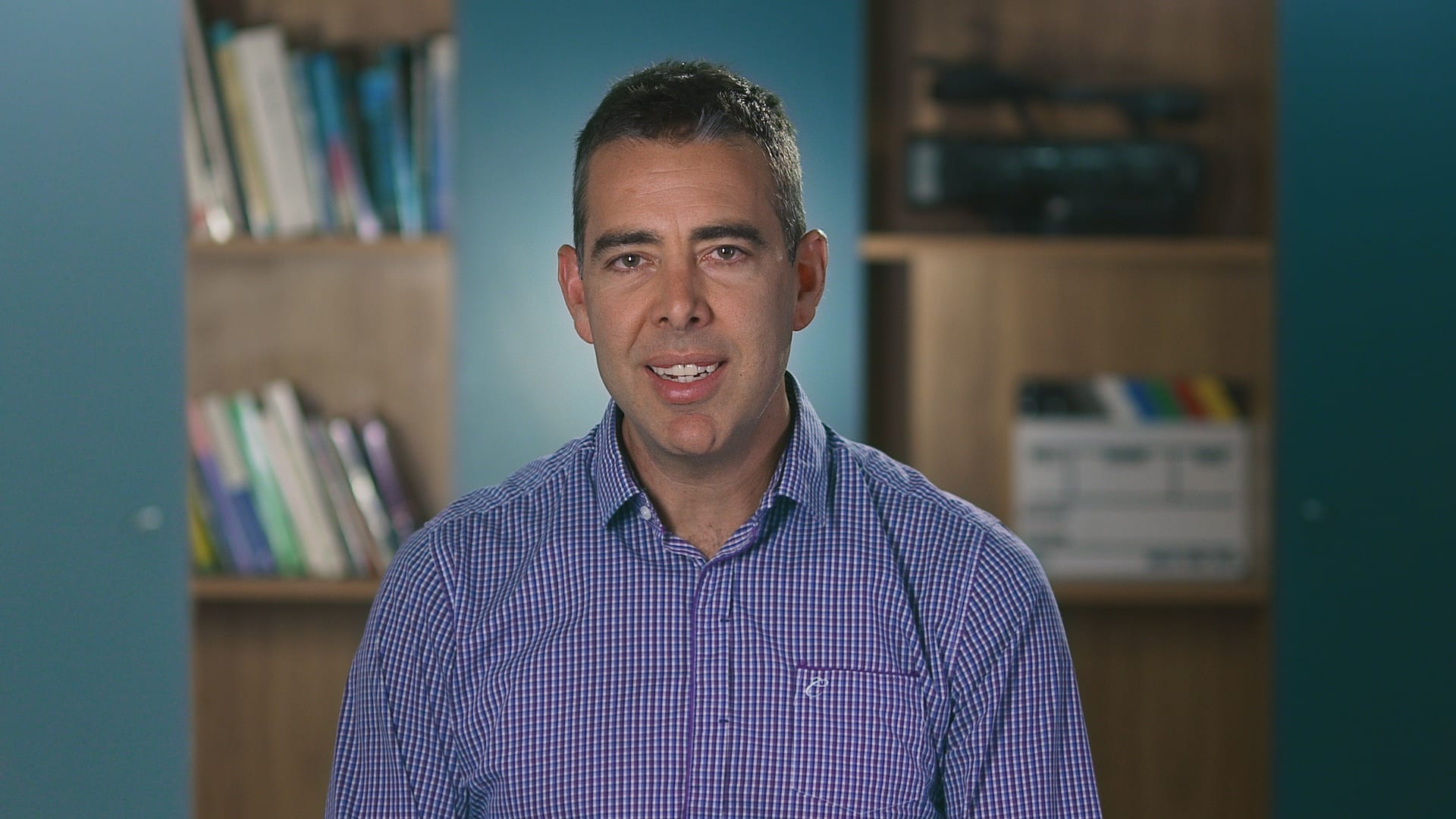
Ryan Spanger is the founder and managing director of Dream Engine, a Melbourne video production company established in 2002. Over the past two decades, he’s produced hundreds of videos for businesses, government departments, universities and healthcare organisations across Australia. Ryan specialises in helping organisations explain complex ideas through clear, engaging video content, with particular experience in corporate communications, training and education.