Video production for manufacturing businesses helps organisations show how products are made, how systems operate, and why their processes can be trusted.
These videos are often used to support sales, explain capability, attract staff, or communicate progress and innovation to stakeholders. When done well, they make complex operations easier to understand and give viewers confidence in how the work is carried out.
Dream Engine works with Melbourne-based production and industrial businesses that want to clearly show what happens on the factory floor, without interrupting day-to-day operations.
We film real environments, real people, and real processes, with a focus on accuracy, flow, and visual clarity.
Why manufacturing process videos work
Factory, production facility, and industrial operations are difficult to explain with words alone. Processes are technical, fast-moving, and often unfamiliar to customers, investors, or new staff.
A well-made video helps you:
- Show the systems, processes, and people behind the operation
- Demonstrate efficiency, safety, and quality control
- Reduce friction in sales conversations by answering common questions
- Support recruitment by helping candidates understand the role and environment before they apply
- Communicate internally to show innovation, automation, or continuous improvement initiatives
For many manufacturers, these videos become long-term assets used across websites, presentations, tenders, inductions, and social channels.
Manufacturing industry video examples
Ronson Gears – manufacturing capability and precision
Ronson Gears is a Melbourne-based precision manufacturer supplying gears and components to demanding industrial sectors.
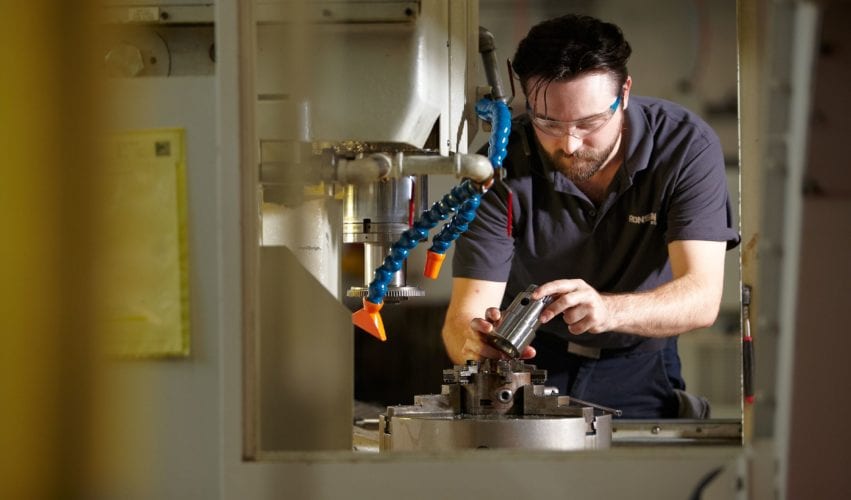
Dream Engine produced a video to help Ronson clearly explain their capability to website visitors and prospective customers. The video focuses on the flow of work through the facility, the accuracy of machining processes, and the care taken at each stage of production.
Rather than relying on heavy narration, the video uses strong visuals of machinery, materials, and skilled operators to communicate quality and control. This allows viewers to quickly understand how Ronson works and why their processes are trusted. Read the full Ronson Gears case study here.
Client Feedback: “Ronson Gears had a very worthwhile experience with Ryan and the team at Dream Engine. They were very accommodating with our requests to ensure we got the best outcome for our business and our customers.” – Gavin New, General Manager, Ronson Gears
Joyce Foam Products – efficiency and scale on the factory floor
Joyce Foam Products required a video that showcased their manufacturing facility, production capability, and operational efficiency.
The focus of this project was on scale, consistency, and process flow. By filming across the factory floor and capturing production in motion, the video gives viewers a clear sense of how materials move through the operation and how precision is maintained at speed.
This type of manufacturing process video is commonly used for sales support, capability presentations, and onboarding, where clarity and realism matter more than marketing polish.
PACT – automation, AI, and robotics in manufacturing
PACT commissioned a short-form manufacturing video designed for social media, highlighting developments in automation, robotics, and AI within their manufacturing processes.
Visuals of robotic systems and automated workflows are used to communicate how technology is being applied on the factory floor. Interviews help to explain the process in clear, conversational language
These shorter manufacturing videos are often used to support employer branding, industry leadership messaging, and internal communications around innovation and change.
Tomra x Simplot case study
We worked with Tomra to produce a manufacturing case study at Simplot’s potato processing facility, documenting a major turnkey optical sorting and automation installation. The video combines on-site interviews with footage of the production line to explain how Tomra’s sorting technology integrates with existing systems, increases sorting capacity, and enables precise quality targets across multiple product types. The focus was on showing the real operating environment, the scale of the facility, and how advanced automation supports consistent, high-volume food production.
How Dream Engine approaches manufacturing videos
Filming inside active manufacturing environments requires experience and planning.
Our process is designed to capture what matters without slowing production or getting in the way.
- Pre-production planning to understand workflows, safety requirements, and access limitations
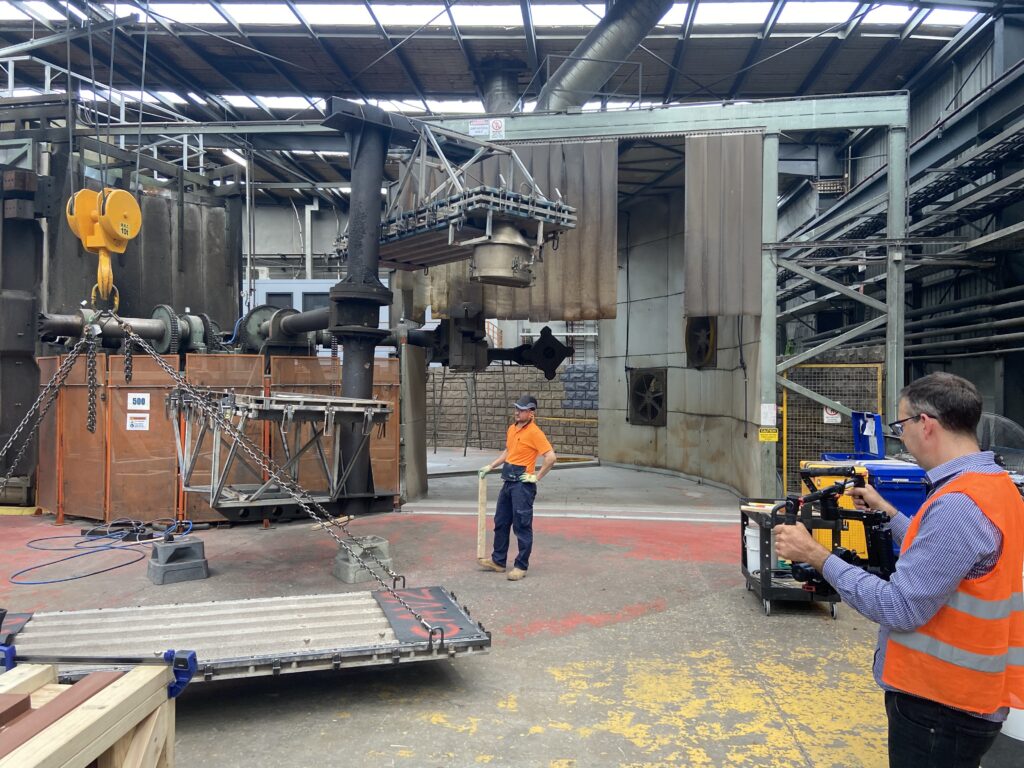
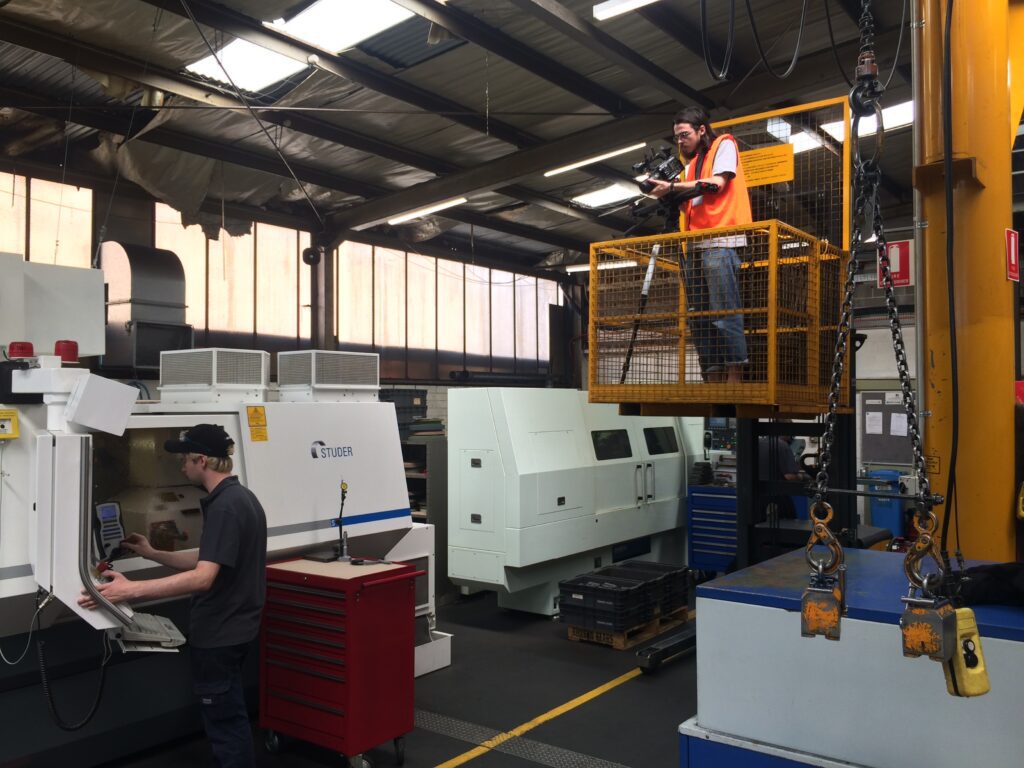
- Efficient filming using compact crews and minimal disruption
- Accurate representation of processes, machinery, and people
- Clear visual storytelling that prioritises understanding over hype
- Flexible delivery for use across websites, presentations, and social channels
We work closely with operations, marketing, and safety teams to ensure the video reflects reality and serves a practical purpose.
Who these videos are for
Manufacturing process videos are commonly commissioned by:
- Manufacturing and operations teams
- Marketing and business development teams
- Engineering-led organisations explaining complex processes
- Manufacturers introducing automation or new systems
- Organisations recruiting skilled technical staff
If your process is central to your value, it should be shown clearly and accurately.
Manufacturing process video production in Melbourne
Dream Engine has extensive experience filming in manufacturing, industrial, and technical environments across Melbourne.
If you’re considering a manufacturing process video and want to explore the right approach, we’re happy to talk through your objectives and constraints.
How long does a manufacturing process video take to produce?
Most manufacturing process videos involve one or two filming days, followed by editing and review. Timelines depend on access to the site, internal approvals, and how many processes or stages need to be captured.
Can you film while production is running?
Yes. We regularly film in live manufacturing environments. Shoots are planned carefully to minimise disruption while following all safety and operational requirements.
Do manufacturing process videos need interviews?
Not always. Many manufacturing process videos rely entirely on visuals to explain how systems and workflows operate. Interviews are only used when they add useful context or explanation.
Where are manufacturing process videos typically used?
They are commonly used on websites, in sales and capability presentations, tender submissions, onboarding, and internal communications. Shorter versions may also be created for social media.
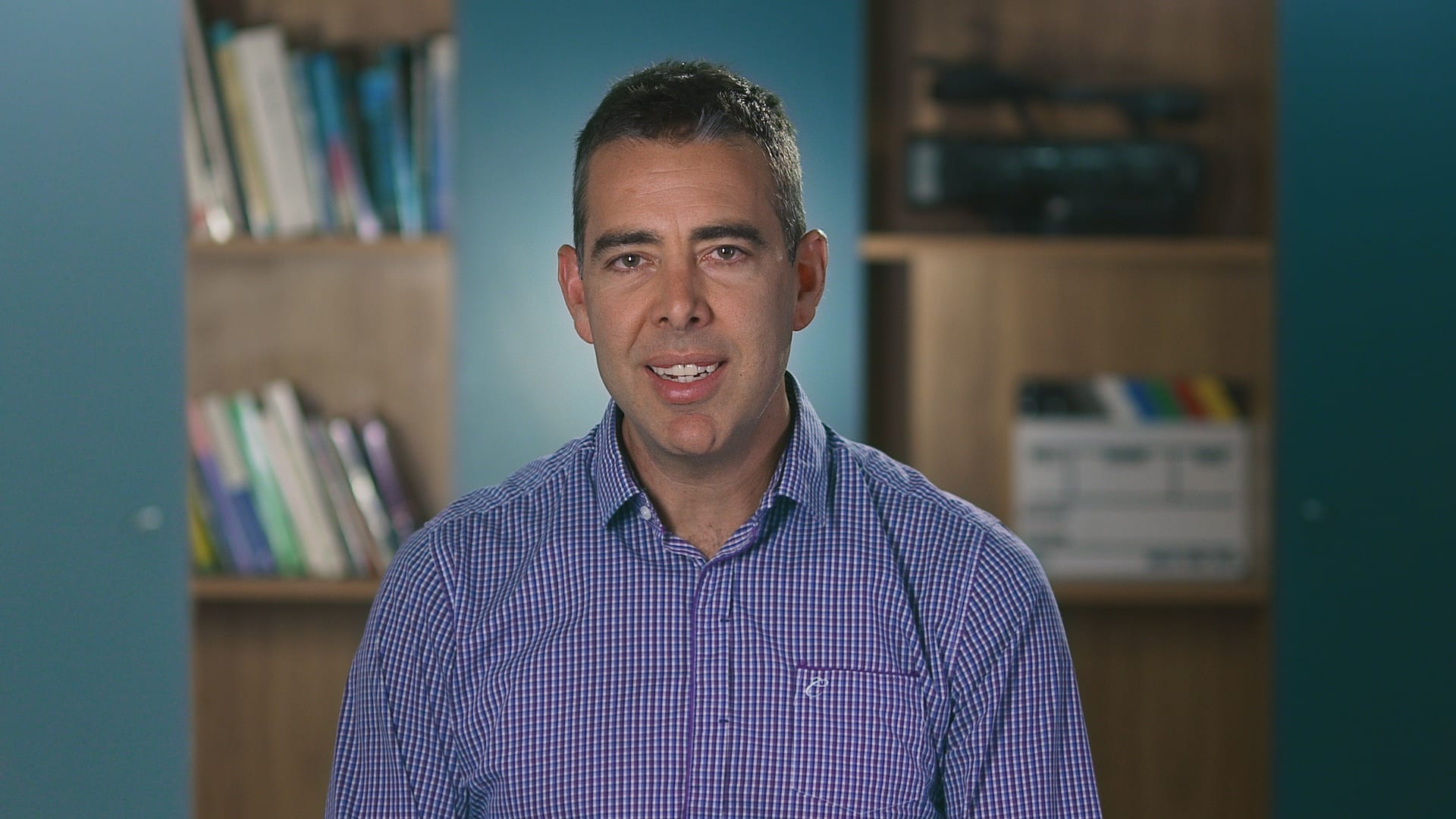
Ryan Spanger is the founder and managing director of Dream Engine, a Melbourne-based video production company established in 2002. With more than two decades of experience, Ryan has helped leading Australian businesses, government departments, and non-profits communicate their message with clarity and impact through video. He’s known for his strategic approach, reliable process, and commitment to producing videos that deliver measurable results.