Dream Engine provides NDIS video production in Melbourne for participant stories, supported accommodation, provider introductions and recruitment. We help NDIS providers show how their services work, introduce the people delivering them and give participants and families information they can use.
People choosing an NDIS provider need to understand the service and how it might fit their daily life. Video can show the setting, introduce staff and let participants describe their own experiences and goals. Our work with participants, providers and support teams informs how we plan and film these stories.
As part of our video content in Melbourne for healthcare organisations, we produce videos for websites, referrals, staff recruitment and ongoing communication. Enquire about NDIS video production if you would like to discuss your service and audience.
What NDIS providers need to explain
Participants and families want to know how support works day to day, what the environment is like and how the service supports independence. Showing a particular activity, place or experience can help them understand something that is difficult to picture from a written description.
Support coordinators need accurate information about what you offer and who the service is for. Prospective staff need to understand the workplace, the roles and what is expected of them. Growing providers may need several videos to answer these different questions consistently.
Start with the viewer’s question: A participant exploring a new service and a practitioner considering a job need different information. Decide who the main video is for before choosing the interviews and footage.
Types of NDIS videos we produce
Participant experience and outcome videos
Participant stories focus on the person’s interests, goals and experience of support. Specific examples help viewers understand what has changed for that person. Plan what they want to share and avoid presenting one person’s outcome as a promise to everyone who uses the service.
Supported accommodation (SIL / SDA) videos
Profile-led videos can show a resident’s experience, the design of a home and the support they receive. Specialist disability accommodation (SDA) refers to specially designed housing, while supported independent living (SIL) concerns assistance with daily tasks. The video should distinguish the accommodation from the support services so viewers understand what the provider offers. The NDIS explanation of home and living supports sets out these different support types.
For SIL and SDA providers, useful footage can show how a home supports daily living, how residents use its features and how support workers assist with particular activities. Agree which areas of the home and aspects of daily life are appropriate to film.
Provider overview and homepage videos
Introduce your organisation, the services you provide and how someone can make an enquiry. A short overview can answer the first questions participants and families have, with more detailed videos available for individual services or locations.
Recruitment and culture videos
Help potential staff understand the workplace, the people and the expectations of the role. Staff interviews and footage of the working environment give candidates more to consider than a list of values or benefits.
Staff profile and practitioner videos
Introduce team members across different roles or disciplines. Profiles can help participants and families get to know the people they may work with, while also supporting recruitment and onboarding. Separate staff training videos can explain processes in more detail.
NDIS video examples
These three projects show different uses for NDIS video: explaining a resident’s experience, introducing a person through their own story, and helping a provider communicate with prospective staff and participants.
InPlace Living: supported accommodation in practice
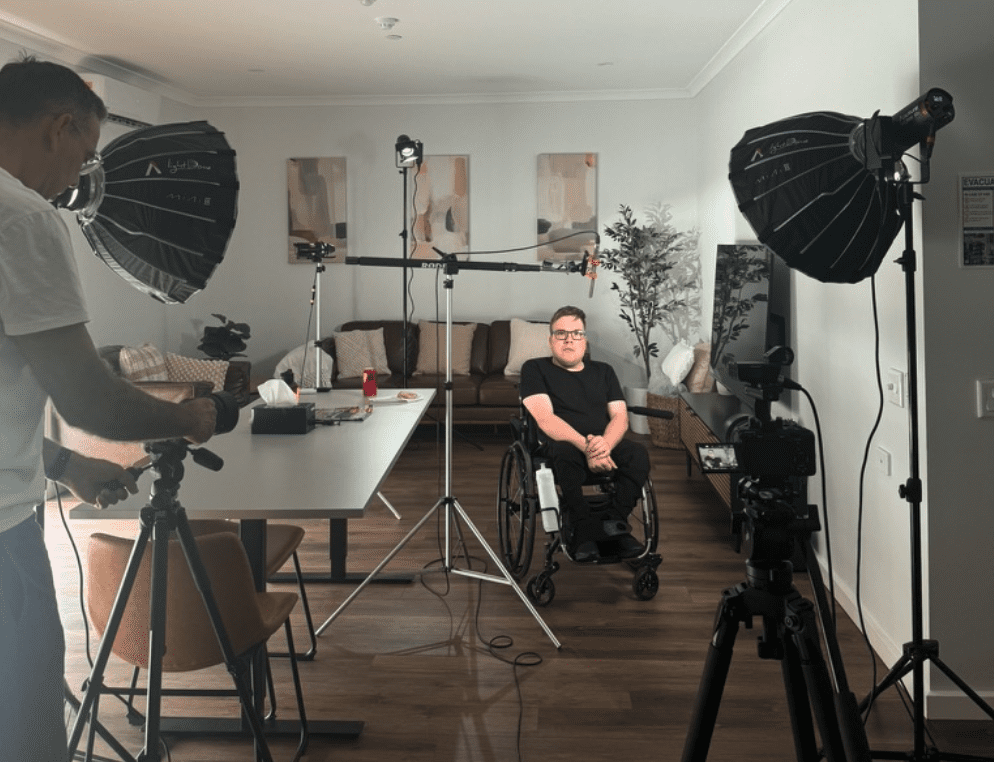
For InPlace Living, we created a resident profile following Ben. The film explores how features of his home and day-to-day support from carers contribute to his independence.
The useful production choice is to connect the person’s account with the place they are describing. Viewers can see the home as they hear about living there. For a provider planning an accommodation video, that gives the filming a purpose beyond a tour of empty rooms.
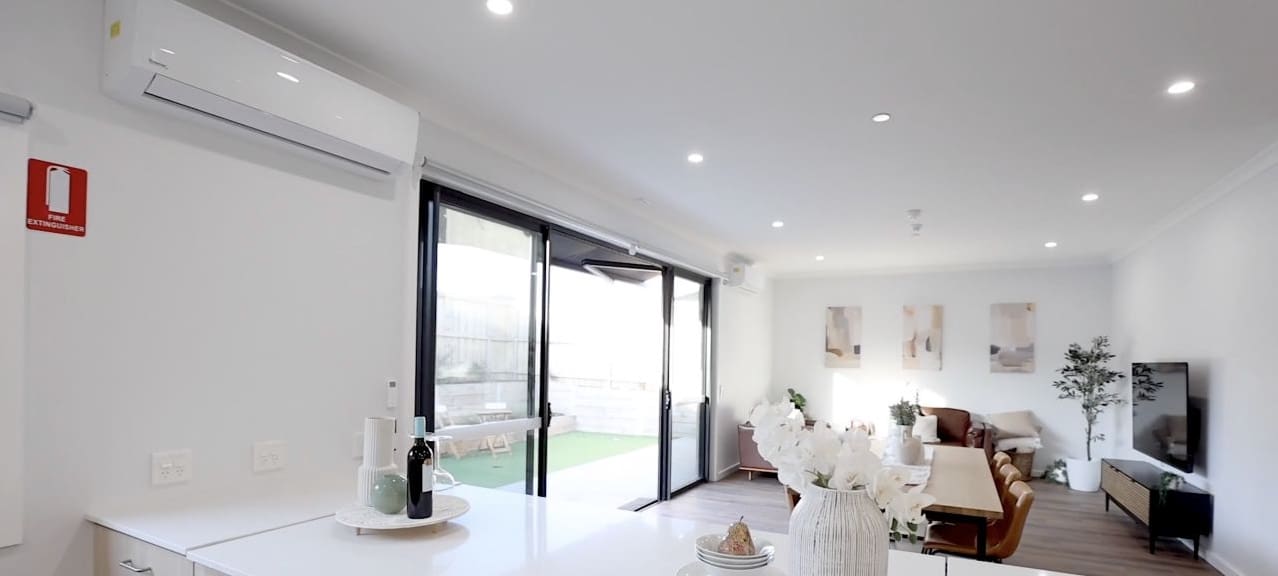
Used for: Website, stakeholder engagement, participant and family understanding.
Watch the InPlace Living resident story · 4 min 4 sec
“Working with the team at Dream Engine has been a pleasure from start to finish. The pre-production planning was seamless, Ryan really listened and understood our needs. The team were extremely professional, responsive and prompt throughout the whole process. Dream Engine were incredible to work with and delivered above and beyond what we had envisioned. Highly recommended!”
Marketing Coordinator, InPlace Living
OnSide: supporting independence
For NDIS Support Coordination provider OnSide, we produced a participant-led film focused on the individual’s identity, goals and independence. OnSide’s support is explained through the person’s experience.
This approach gives participants and families a person’s story to follow, with the service placed in context. When planning your own participant video, consider which experiences the contributor wants to describe and what footage would help viewers understand them.
Used for: Website, referrals, participant and family engagement.
Watch the OnSide participant story · 6 min 24 sec
Connect2Care: recruitment and provider communication
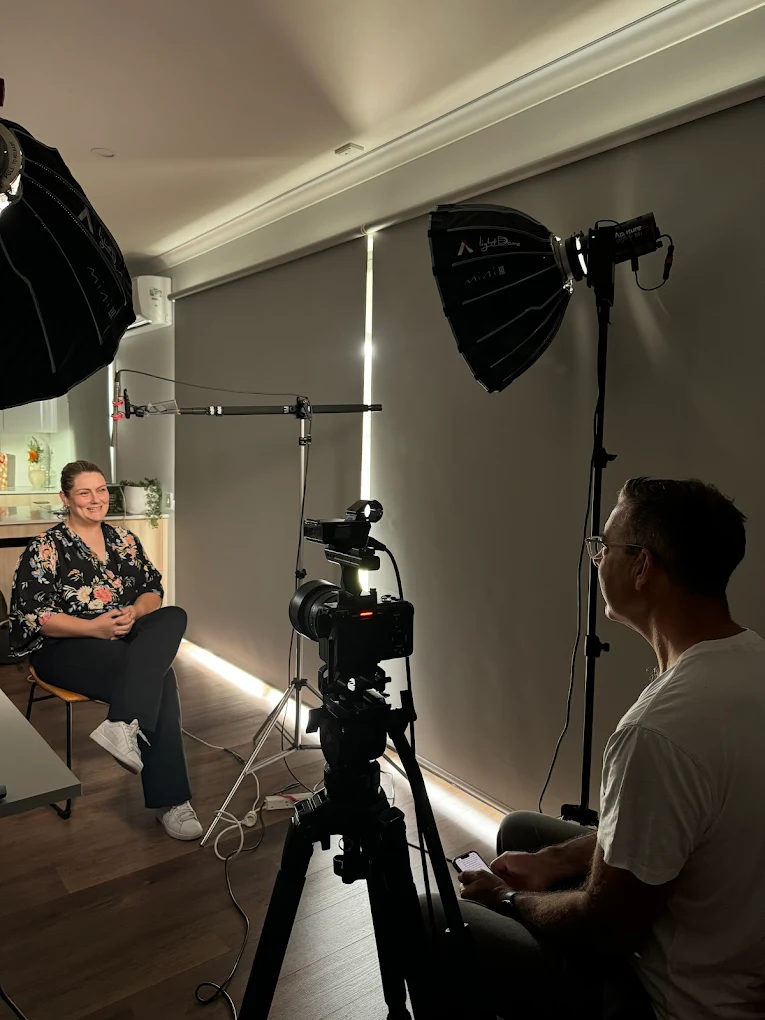
Connect2Care provides allied health and therapeutic services. When we worked with the organisation, it was growing and needed to attract staff while introducing its services to participants and families.
We produced a recruitment video showing the workplace, team and culture, a homepage video introducing the organisation, and practitioner profiles across different disciplines. Each format gave a particular audience a way to learn about the people and work.
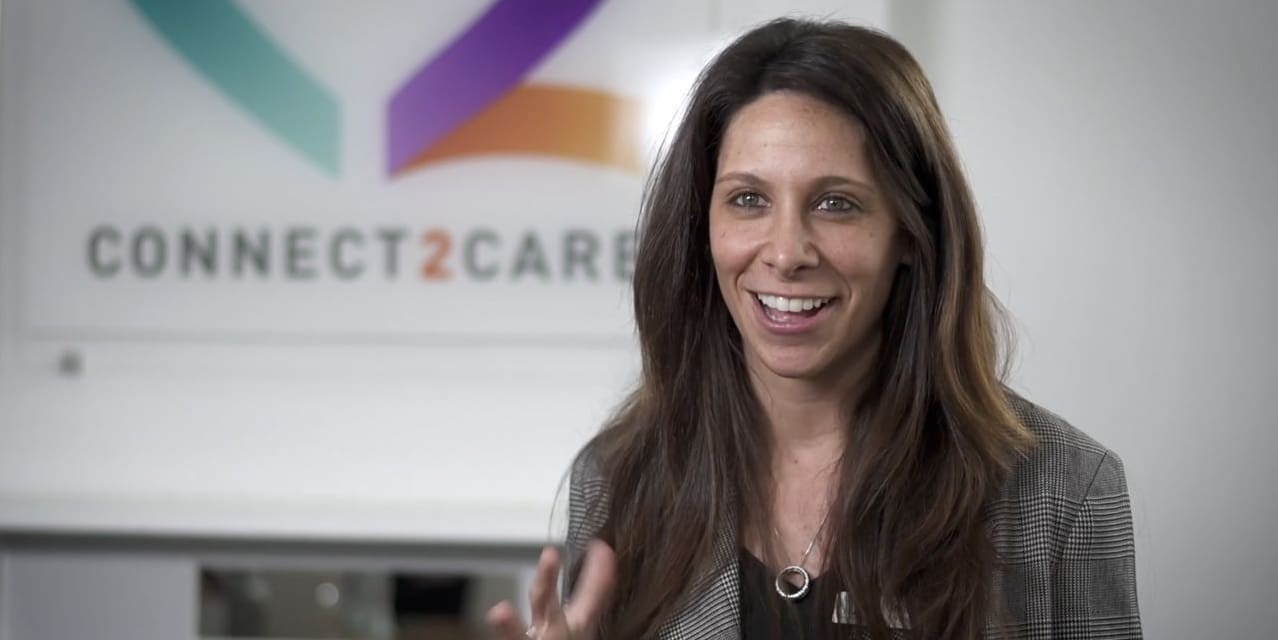
For a provider with several communication needs, it is useful to plan the full set of videos before filming. That helps identify which interviews and scenes can support more than one edit, and which need a separate approach.
Used for: Recruitment, website and ongoing growth communications.
Watch the Connect2Care example · 4 min 24 sec
Our approach to NDIS video production in Melbourne
We begin by discussing the service, the audience and where the video will appear. Together, we identify the people who could contribute, the questions to cover and the activities or locations that would help explain the service. For filming across Melbourne, we plan travel between locations alongside participant availability and the time needed at each setting.
Plan consent, comfort and filming boundaries
We work with your organisation to follow its consent process and discuss what each contributor is comfortable sharing. Explain the purpose of the video, where it is intended to appear and who will review it before filming begins. Confirm any support or communication needs with the people taking part.
The filming plan should identify which spaces and activities can be shown, who will be present and what needs to remain private. In homes and service settings, allow time to arrange the equipment and interview without disrupting the support people receive.
Build the filming day around the people taking part: Discuss suitable times, breaks, communication preferences and whether someone would like a familiar support person present. Confirm these arrangements before the crew arrives.
Make the information accessible
We can provide captions and advise on language, pacing and structure. Discuss access requirements at the briefing stage so the quote and production plan cover the versions your audience needs. Captions alone will not meet every viewer’s needs.
Keep essential service information available as page text alongside the film. Where a video depends on visual details, discuss how those details will be explained for viewers who cannot see them. Check names, specialist terms and caption timing before publishing.
Review the edit and agree the deliverables
Plan who will check service descriptions, names and participant representation, then gather feedback through an agreed contact. Confirm the main film, any shorter edits, captions and delivery formats before filming so the footage covers those uses.
Planning your NDIS video budget and timing
The cost depends on the number of videos, locations and interviews, the filming time required, and the editing and accessibility work involved. A staff profile and a set of participant stories across several locations need different production plans.
Allow time for participant availability, consent arrangements, location access and review as well as filming and editing. Share any launch date early so we can discuss a schedule around those requirements. We will recommend an approach and prepare a quote for your NDIS video production in Melbourne, based on the agreed scope.
For an initial discussion, bring: A short description of your service, the audience you want to reach, where you will use the videos, possible contributors and locations, and your budget or deadline if known. You do not need a finished script.
Working with Dream Engine in Melbourne
Dream Engine is a Melbourne-based video production company working with NDIS providers, disability support organisations, healthcare providers and community service organisations. The examples above show our experience with participant stories, supported accommodation, recruitment and provider communication.
A useful NDIS video starts with what the viewer needs to understand and what the people taking part want to share. Consider the questions you hear from participants, families, support coordinators or job applicants, then review examples with that audience in mind. We can help turn those questions into a filming and editing plan suited to your service.
Talk to Dream Engine about NDIS video or learn more about our healthcare and disability video production services.
Frequently asked questions
NDIS video production
Experience, consent, video formats and accessibility.
Do you have experience working with NDIS providers?
Yes. Our NDIS video production work includes participant stories, supported accommodation, recruitment, provider introductions and practitioner profiles. The InPlace Living, OnSide and Connect2Care videos on this page show examples of that work.
How do you handle consent and privacy?
We work with your organisation to follow its consent process and agree filming boundaries. Before filming, we discuss what contributors are comfortable sharing, where the video will be used, any support or communication needs and who will review it. We plan the filming around those arrangements.
Can NDIS videos be used for both participants and recruitment?
Yes, some interviews and footage can support more than one video. Participants and prospective staff may need different information, so we plan the audience and purpose of each edit before filming. Agree the versions you need as part of the brief.
Do you provide captions and accessibility support?
Yes. We can provide captions and advise on pacing, language and structure. We discuss the intended audience and any specific access requirements before production, so the brief identifies which versions and features are needed. Captions alone will not meet every viewer’s needs.
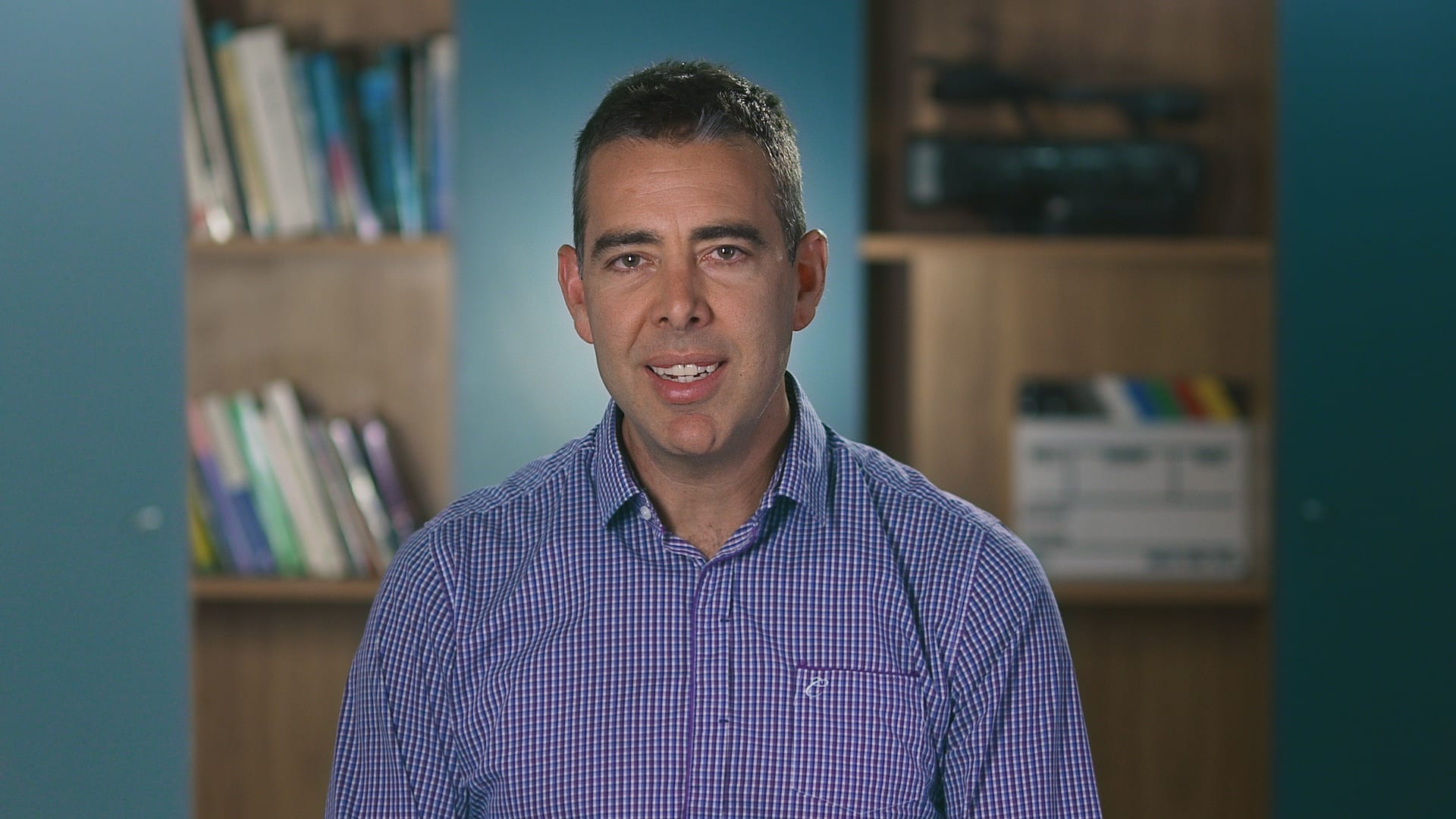
Ryan Spanger is the founder and managing director of Dream Engine, a Melbourne video production company established in 2002. Over the past two decades, he’s produced hundreds of videos for businesses, government departments, universities and healthcare organisations across Australia. Ryan specialises in helping organisations explain complex ideas through clear, engaging video content, with particular experience in corporate communications, training and education.