Use motion graphics or animation when viewers need to see something that is difficult to film, such as a process inside a machine, a flow of data or a proposed design. Animated text and diagrams can also explain parts of a live-action video.
This guide covers the main styles, when to use them and what to consider when comparing animation with filming.
If you are considering animation video production in Melbourne, this will help you make an informed decision.
What are motion graphics and animation?
Animation creates movement from still images or graphic elements. Motion graphics are a type of animation:
- Motion graphics focus on animated text, shapes, icons, charts, and graphic elements.
- Other animation styles can include illustrated characters, environments and stories created in 2D or 3D.
Both approaches are commonly used in corporate videos, training videos, explainers, and internal communications.
When animation is useful
1. Explaining complex or abstract ideas
If your message involves systems, processes, data flows, or concepts that cannot be easily filmed, animation can simplify the explanation. A diagram can show how parts connect, while an animated sequence can take viewers through each stage.
This is common in:
- Technology and software products
- Engineering and infrastructure projects
- Healthcare and research organisations
- Financial and professional services
2. When filming is impractical or inefficient
Animation is an option when a location is unavailable, a process cannot be filmed safely or the subject does not yet exist. Compare the work needed to create the animation with the access, crew and time needed for filming.
For example, instead of filming multiple sites or manufacturing processes, animation can clearly show the complete system in a consistent visual style.
If filming is an option, we often help clients compare animation against live-action filming to choose the most practical approach.
3. Creating consistency across multiple videos
Reusing approved illustrations, titles and layouts can keep a series consistent and save some design work. Each new video still needs its own script, animation and review. This approach can suit training, onboarding or internal communications series.
Animation styles for business videos
Motion graphics
Motion graphics can be used for:
- Explainer videos
- Data visualisation
- Process walkthroughs
- Brand-led corporate videos
They work especially well when combined with voiceover and live-action footage.
Opening titles and lower thirds
Opening titles introduce the video. Lower thirds are text placed near the bottom of the frame, often showing a speaker’s name and role. Keep them readable and on screen long enough to take in.
2D animation
2D animation is often used to:
- Tell short visual stories
- Present long-term strategies or outcomes
- Communicate ideas that evolve over time
This style works well when you need a simple explanation with a carefully chosen tone.
Animation or filming: which should you choose?
There is no universal answer. The right choice depends on your message, audience, timeline, and budget.
As a general guide:
- Choose animation when viewers need to see a process, concept or subject that is difficult to capture on camera.
- Choose filming when viewers need to see real people and places.
You can also combine them, for example by adding an animated diagram to an interview.
What affects animation costs?
Animation budgets vary depending on style, length, and complexity. Simple motion graphics may sit at the lower end, while custom-illustrated animation requires more development time.
Agree on the script, visual style and review stages before animation begins. Changes to approved scenes can add work. Our guide to animation costs explains the main budget considerations.
A motion graphics example
This example uses motion graphics to support the explanation.

Discuss an animation project
Tell us what you need to explain, who will watch and where you’ll use the video. Explore our animation services for examples and information about working with Dream Engine.
Frequently Asked Questions
Is animation better than filming for corporate videos?
Choose animation when you need to show a process, concept or subject that is difficult to film. Filming is useful when viewers need to see the actual people, place or work. Some projects combine both.
How long should an animated business video be?
Base the length on what viewers need to understand and where the video will be used. A short introduction needs less time than a detailed walkthrough. Review the script and storyboard before setting the final duration.
Can motion graphics be added to existing footage?
Yes. Motion graphics are often added to live-action footage to introduce speakers, highlight key points, or visualise data.
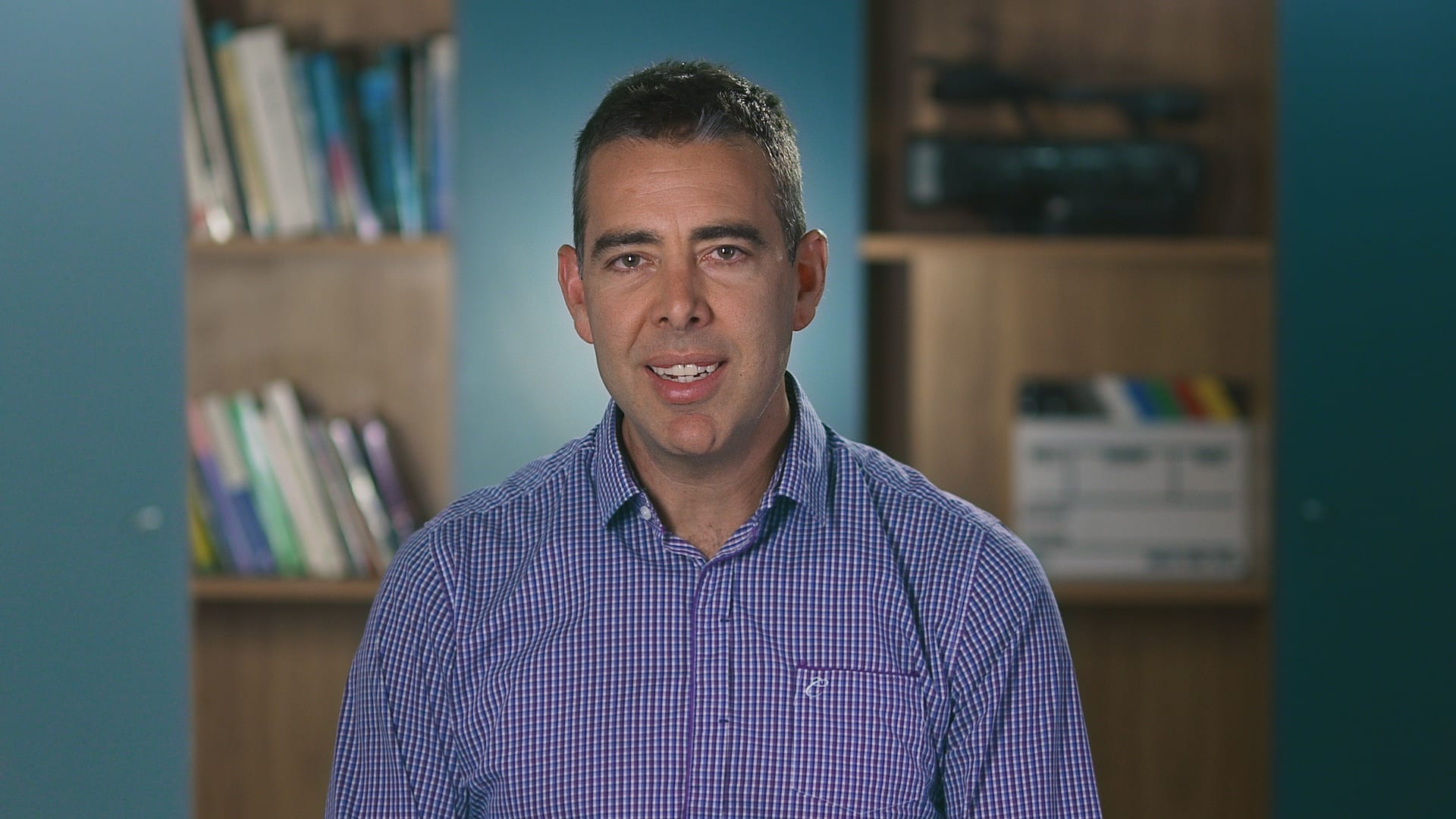
Ryan Spanger is the founder and managing director of Dream Engine, a Melbourne video production company established in 2002. Over the past two decades, he’s produced hundreds of videos for businesses, government departments, universities and healthcare organisations across Australia. Ryan specialises in helping organisations explain complex ideas through clear, engaging video content, with particular experience in corporate communications, training and education.