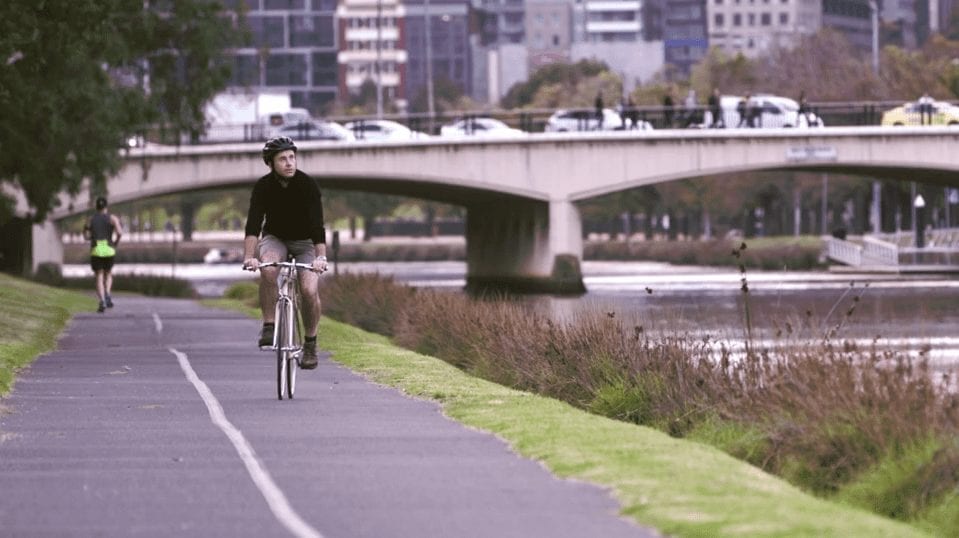
If you’re planning on shooting a video in Melbourne and you’re coming from overseas or interstate, a little local knowledge will save you time, money, and stress.
Melbourne is a great city to film in, but it has a few quirks: fast-changing weather, wide travel distances between suburbs, and location logistics that can catch visitors off guard. This guide covers the practical things we plan for on most shoots.
Melbourne weather
If you’re filming outdoors, or you need establishing shots, Melbourne weather matters. You can start the day with blue sky and end up with wind and cloud by lunchtime.
Check the Bureau of Meteorology forecast in the days leading up to the shoot, and again the afternoon before.
In summer, plan for heat. If it’s forecast to push into the mid-30s, consider earlier call times and aim to wrap exteriors before the hottest part of the day. Bring water, sunscreen, and hats for anyone spending time outside.
Getting from A to B
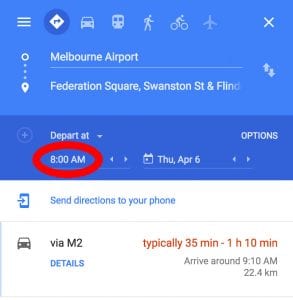
Melbourne is spread out. Getting from one suburb to another can take longer than visitors expect, especially during peak hour. If you’re filming across multiple locations, build realistic travel time into your schedule.
A few practical tips:
- Plan routes the day before and check travel times for the specific hour you’ll be moving.
- Allow buffer time for parking, loading in, security sign-in, and elevator access in office buildings.
- Avoid stacking tight setups across the city unless you have to. It adds stress and reduces the time you have to shoot properly.
Airport arrivals
Melbourne Airport is road-access only. If you’re landing on the morning of a shoot, factor in traffic. Depending on time of day, the trip into the CBD can be quick, or it can drag out.
Common options include:
- SkyBus to the CBD (Southern Cross Station), then taxi or rideshare to your accommodation or location.
- Taxi or rideshare from the terminal using the designated pickup areas.
Tools for the job
If you’re flying in light, Melbourne has strong rental options for camera, lighting, grip, and audio.
At Dream Engine, we supply our own equipment for most corporate and documentary-style productions, so visiting clients usually do not need to rent anything.
If you do need additional gear, a few common options include:
- Offshoot Rentals for corporate-friendly camera and lighting packages.
- Lemac for higher-end and specialist equipment.
Locations and studio options
Melbourne has a wide variety of locations close to the CBD, including beaches, parks, laneways, modern architecture, and industrial areas. Within a couple of hours’ drive you can reach forests, coastal looks, and open landscapes.
Studio availability changes over time, but there are still good options depending on what you need. For larger-scale productions, Docklands Studios is the major facility. For smaller productions, there are boutique studios and hire spaces across the city.
Dream Engine is located in St Kilda, around 6km from the CBD, near one of Melbourne’s best-known beaches. That area is often useful for location variety, quick access to cafes, and easy client logistics.
Permits and filming in public
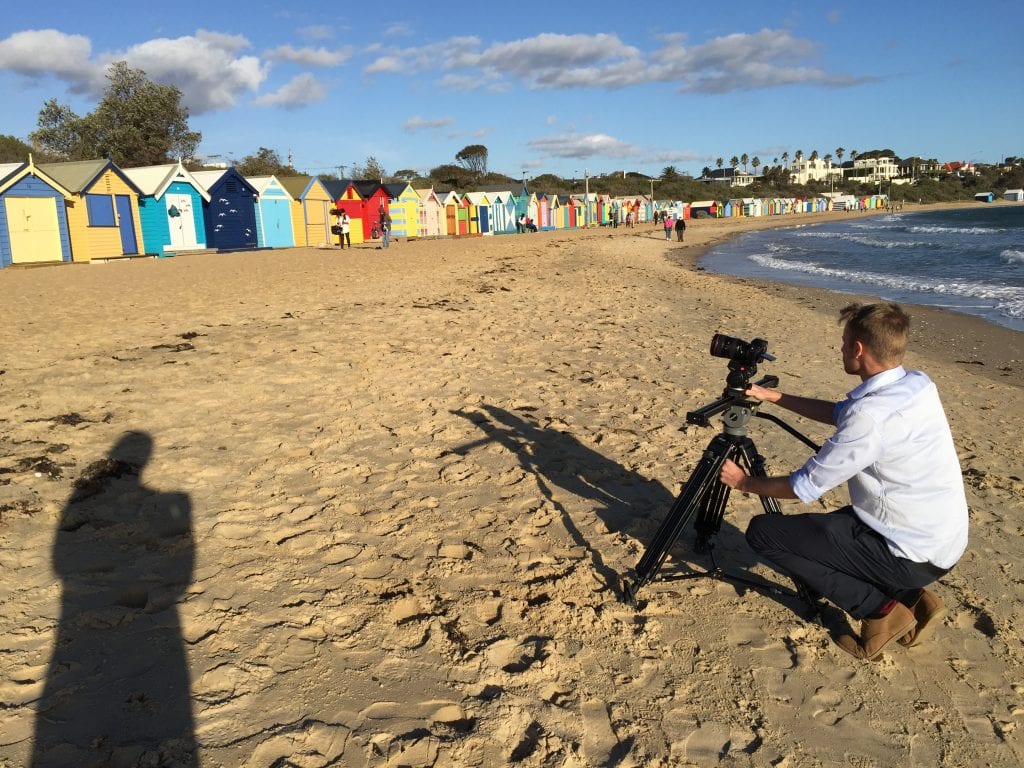
Australia is generally workable for filming in public, but permits can still apply depending on the location, crew size, tripod use, lighting stands, traffic impact, or if you’re blocking access.
If you’re filming at a council-managed site, you may need approval. If you’re filming at an institution (university, hospital, research facility), plan for lead times, access rules, and stakeholder coordination.
On-set practicalities
Small details can make or break a day. A few things we plan for early:
- Noise: traffic, construction, air conditioning, and open-plan offices can affect audio.
- Access: loading docks, lifts, security sign-in, and escorts inside institutions.
- Catering: Melbourne is stacked with options. For smaller corporate shoots, coffee and a simple lunch plan goes a long way.
If you want a broader guide to commissioning locally, this is a good next step: information about commissioning a videographer in Melbourne.
Shooting a Video in Melbourne – Frequently Asked Questions
Can Dream Engine support interstate or overseas clients filming in Melbourne?
Yes. We regularly work with visiting clients and agencies, providing local crew, planning support, and smooth on-the-ground coordination.
How far in advance should we plan a Melbourne shoot?
For a simple corporate shoot, a few weeks is usually workable. If you’re filming at institutions, multiple locations, or public spaces that require approvals, allow more lead time.
What is the biggest scheduling mistake visiting crews make?
Underestimating travel time between suburbs and overpacking the day. A realistic schedule protects quality and reduces stress for everyone involved.
Do we need permits to film in public locations?
Sometimes. It depends on the location and how much impact your shoot has, including tripods, lighting, traffic, and access. We can advise early and help you plan around requirements.
Can you help with equipment hire and logistics?
Yes. We provide our own kit for most corporate work, and we can also arrange additional camera, lighting, audio, and grip through local suppliers when needed.
Can you recommend locations or studios in Melbourne?
Yes. We can suggest locations that suit the story and handle the practical side, including access, sound considerations, and shoot flow.
What’s the best way to start planning a Melbourne shoot with Dream Engine?
Send us your shoot date, locations (if known), what you need captured, and where the content will be used. We’ll come back with a practical plan and a clear quote. Contact Dream Engine.
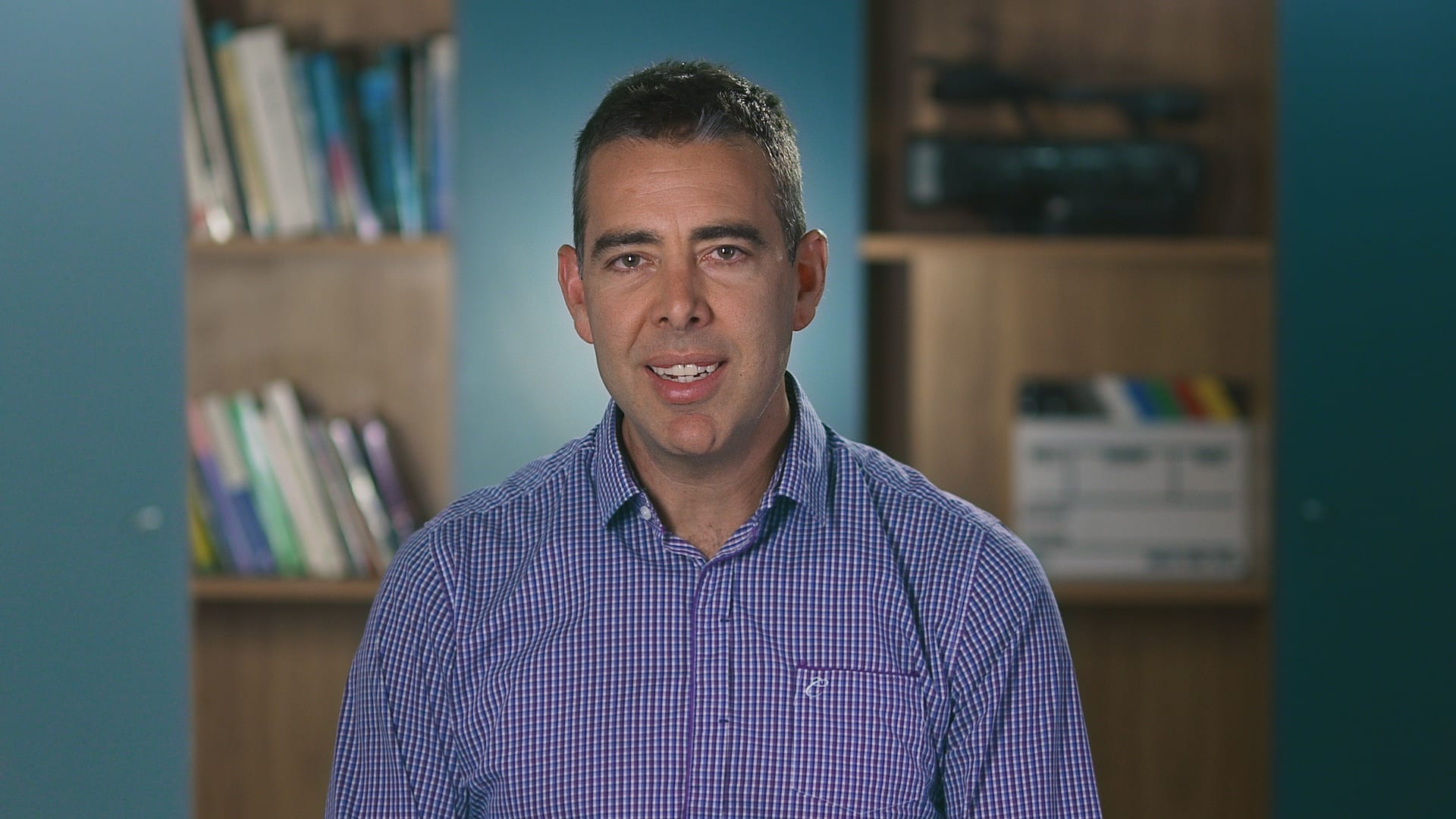
Ryan Spanger is the founder and managing director of Dream Engine, a Melbourne-based video production company established in 2002. With more than two decades of experience, Ryan has helped leading Australian businesses, government departments, and non-profits communicate their message with clarity and impact through video. He’s known for his strategic approach, reliable process, and commitment to producing videos that deliver measurable results.