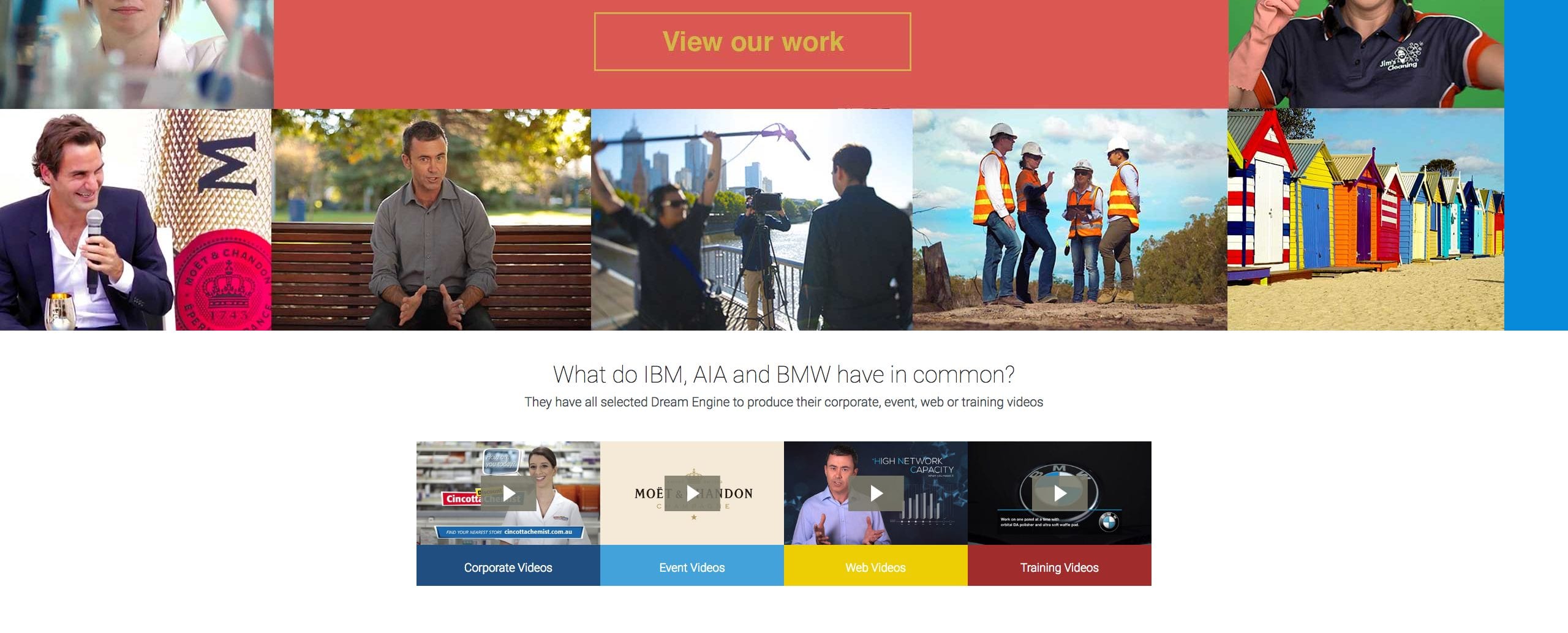
A website background video is a short looping clip that plays in the hero section of a home page. It creates an immediate visual impression and gives visitors a quick sense of what your business does. When used well, it can make your site feel polished and current while helping visitors understand your services without relying on long blocks of text.
Like any design choice, background video works best when it has a clear purpose. Below is a practical guide to help you decide whether it is right for your website and to choose a web video company in Melbourne.
Give Visitors Confidence They Are in the Right Place
Most visitors decide within a few seconds whether your site matches what they were searching for. A background video can reinforce that they have arrived in the correct place. To do this effectively, the visuals need to reflect your actual products or services. The tone, pace, and imagery should match your brand and convey what your business is about at a glance.
A background video works when it improves clarity. It should strengthen the first impression rather than distract from it. Such as this video below for Outlook Electrical:
Choose the Right Style of Video
Background videos serve a different purpose from promotional or brand videos. They are not there to tell a story. They are short, silent and designed to set a mood. Most are around ten seconds long and loop cleanly.
Because of this, the video needs to be purpose-built. A standard promotional video is usually too long, too detailed and too dependent on audio. A background clip should be simple, visual and easy to understand without context.
Here is an example from the website we created for Timeless Legal. It gives visitors an immediate sense of the service experience without relying on text or narration.
Understand the Purpose of the Background Video
The goal of a background video is to encourage visitors to keep exploring your site. It should help them move naturally from the hero section to the next piece of content. If you are a service provider, show what it looks like to work with your team. If you sell products, show the product in use or the environment it belongs in.
Avoid clips that are generic or vague. Stock footage that does not relate directly to your business reduces clarity and can make the site feel less credible. Choose footage that strengthens understanding and builds trust.
Be Aware of Technical Considerations
Background videos need to load quickly. Large files slow down your site, increase bounce rates and can negatively affect search performance. The video should be compressed properly and optimised for web playback.
The clip also needs to integrate cleanly with the rest of the design. If it is too bold or visually complex, it can overpower the surrounding content. The best background videos support the layout rather than dominate it.
Avoid Common Pitfalls
There are situations where a background video is not the right choice. Avoid using one if:
- Your website already has load speed challenges
- Your brand relies heavily on text-first communication
- You do not yet have strong, authentic visuals to work with
If you are unsure, ask whether the clip improves clarity or simply adds decoration. If it does not strengthen understanding, it is better to leave it out.
Conclusion
To make a website background video effective, focus on clarity, relevance and simplicity. A strong background video should:
- Be purpose-built
- Stay short
- Work without sound
- Reflect your actual service or product
- Enhance your brand personality
- Integrate smoothly with the home page design
- Encourage visitors to scroll and continue engaging with your content
If you want support creating a background video that strengthens your website and gives visitors a clear first impression, get in touch with Dream Engine.
Ryan Spanger is the founder and managing director of Dream Engine, a Melbourne-based video production company established in 2002. With more than two decades of experience, Ryan has helped leading Australian businesses, government departments, and non-profits communicate their message with clarity and impact through video. He’s known for his strategic approach, reliable process, and commitment to producing videos that deliver measurable results.