Sound mixing for video production

Dream Engine mixes dialogue, voiceover, music, ambience and sound effects so the words are easy to follow and the whole video sounds consistent from start to finish.

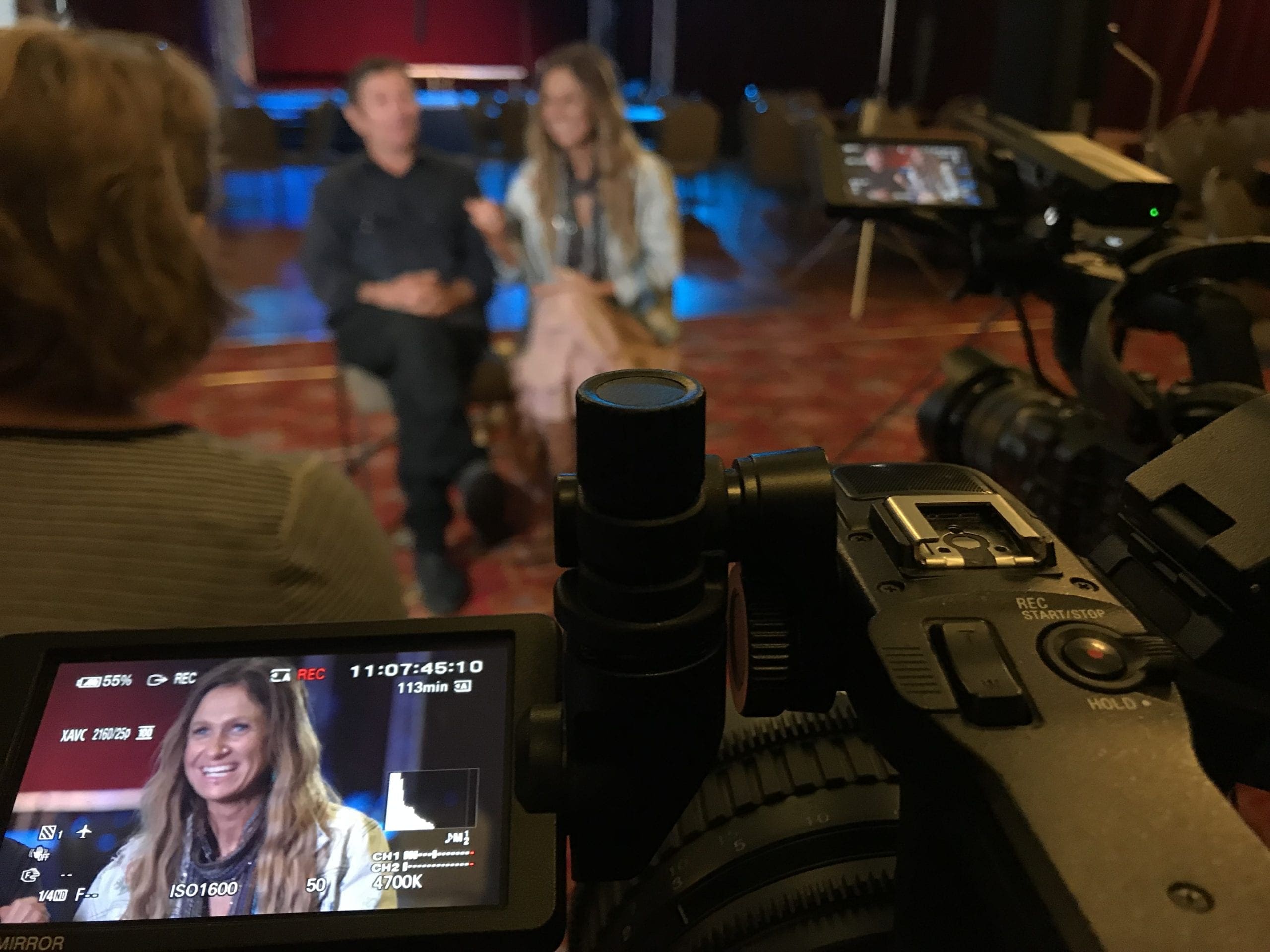
Dream Engine filming an interview with musicians for a corporate video
A Dream Engine interview filmed with musicians in a working performance venue.

The final audio pass

Make the words clear and let everything else support them

A good sound mix should help the viewer concentrate on the story, not on the soundtrack.

For most corporate videos, dialogue comes first. The audience should hear every answer without reaching for the volume control. Music can add pace and feeling, but it should not compete with a speaker. Ambience and sound effects can help a scene feel real, but they should not become a distraction.

The work changes from project to project. A straightforward interview video may need careful dialogue editing and a restrained music mix. An animation, commercial or event film may have many more audio layers. We use what the video needs.

Recording sound and mixing sound are different stages

Good sound mixing starts with good material, but the work happens after filming. The production recording gives us the source. The mix turns those separate recordings into one controlled soundtrack.

01 / ON SET

Sound recording

During filming, we choose and position microphones, monitor the recording and deal with room noise where possible. Interviews are commonly recorded with a shotgun microphone just out of frame. Moving or documentary-style filming may call for a wireless lapel.

See how Dream Engine approaches sound recording for video.

02 / IN POST

Sound mixing

During video editing, we organise and sync the sources, choose the best dialogue, smooth the cuts, reduce suitable noise and balance speech with voiceover, music, ambience and effects.

The detailed mix normally happens once the edit is stable, so we are finishing the shots and words that will appear in the delivered video.

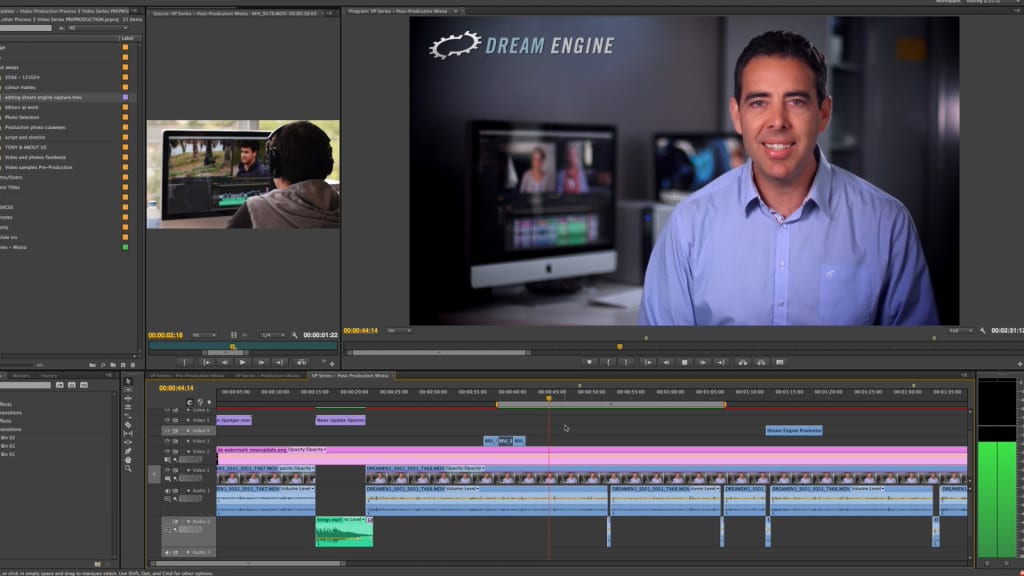
Dream Engine video edit timeline with dialogue and music tracks ready for sound mixing
A genuine Dream Engine edit with picture, dialogue and music arranged on the timeline.

Our process

Build the mix around what matters most

We do not start by making every track equally loud. We decide what the audience needs to hear at each moment, then balance the other layers around it.

We listen as well as checking meters. The numbers help us find peaks and inconsistencies. The actual listening tells us whether a voice sounds natural, a music change feels right and the mix works as a complete video.

01 / ORGANISE

Gather and sync the sources

We line up the camera audio, separate recorder files, interview microphones, voiceover, music and supplied audio before the detailed mix begins.

02 / EDIT

Choose and shape the dialogue

We select the best source, tidy the joins, add short fades and use natural room sound to stop interview edits feeling abrupt.

03 / CLEAN

Reduce suitable problems

We may reduce steady background noise, low rumble, clicks or small level differences, taking care not to make a real voice sound processed.

04 / BALANCE

Place every layer around the words

We adjust music, voiceover, ambience and sound effects moment by moment so important information remains clear.

05 / SMOOTH

Check every transition

We listen across cuts, changes of location, music edits and graphic moments so the soundtrack moves cleanly through the whole video.

06 / DELIVER

Check the finished versions

We review levels, peaks, stereo balance and each required cutdown, then export to the audio specification agreed for delivery.

Dialogue first

Keep real voices sounding like real people

Corporate video often depends on interviews, presenters or voiceover. We want the speech to be clear and consistent without removing the character of the person’s voice.

We may use gentle equalisation, compression, level adjustments and noise reduction where they help. We avoid pushing the processing so far that a voice becomes thin, metallic or unnaturally smooth.

Between answers: smooth edits and natural room tone stop dialogue cuts sounding chopped.

Between cameras: we match the sound so a change of angle does not feel like a change of room.

Between speakers: we balance different voices without making everyone sound identical.

Against music: we change the music level as the speech changes rather than setting one volume for the entire track.

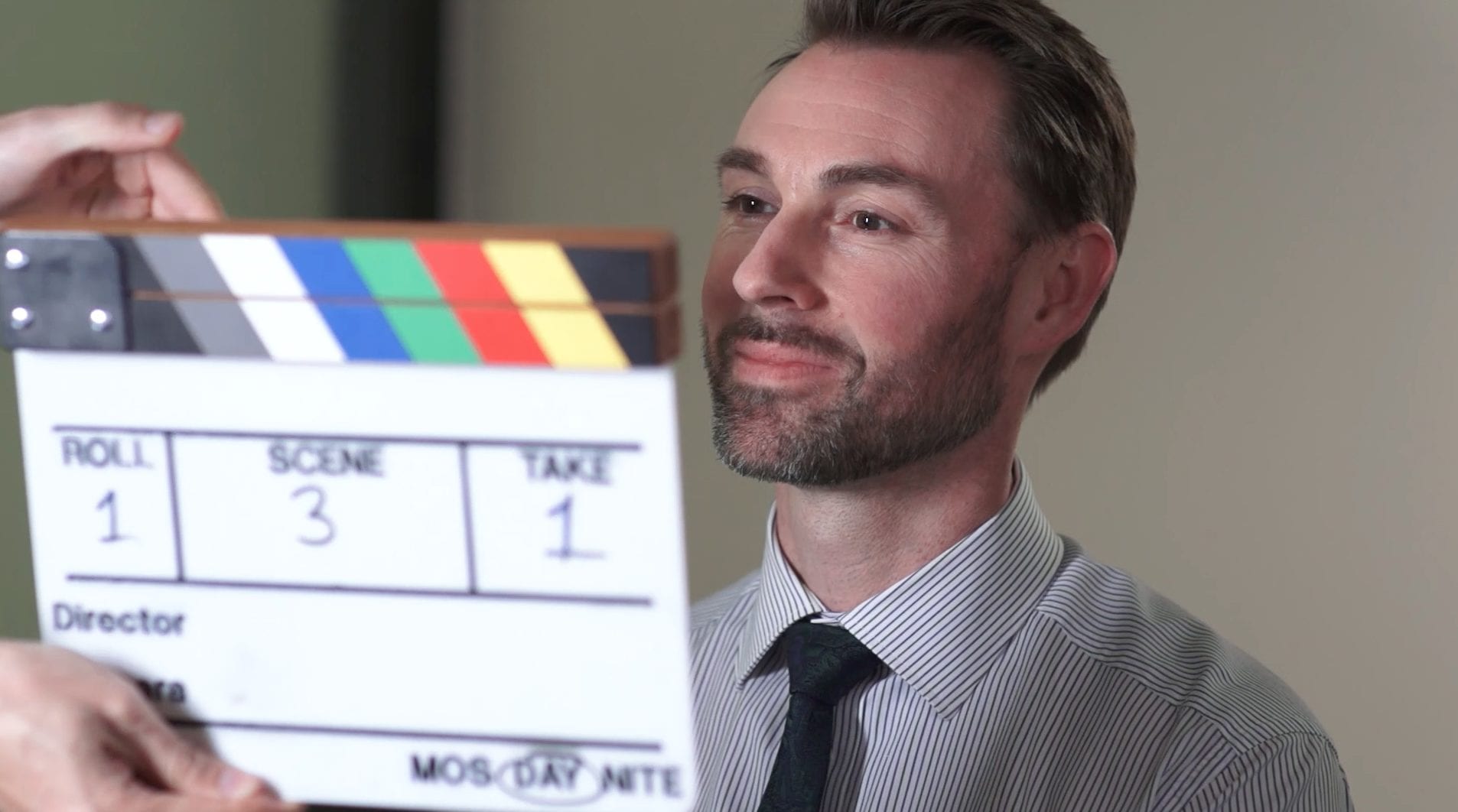
Finished Dream Engine corporate interview frame with a presenter ready for the dialogue mix
Interview-led videos rely on consistent, natural speech from the first answer to the last.

The parts of the soundtrack

Not every layer needs to be heard at full strength

Sound mixing is about priority. A layer may lead for a moment, sit quietly underneath, or disappear completely so the next idea is clear.

Interview dialogue

Usually the main information source. It needs steady levels, clean joins and enough presence to remain clear on ordinary speakers.

Voiceover

Fitted to picture and graphics, with pauses, emphasis and level changes that help the narration lead the sequence.

Music

Used to support tone and pace. We edit and automate the track so it can rise in visual sections and make room when somebody speaks.

Ambience and effects

Used where they add context, smooth a location change or make an animation, demonstration or transition easier to follow.

Music selection and sound design begin before the final mix. See how we approach music and sound effects and voiceover for video production.

Animated Australia map frame from a Dream Engine video where sound effects support movement and transitions
A Dream Engine animated map sequence where restrained sound can reinforce movement and changes on screen.

Sound design

Use sound effects when they have a job

A small sound at the right moment can be more useful than a busy soundtrack.

In an animation, product demonstration or commercial, sound can help the viewer register a movement, transition, logo, interface action or change of idea. It can also give a location enough atmosphere to feel real after dialogue edits have been cleaned up.

We do not add effects to every cut or graphic. Many corporate interviews need little more than clear speech, music and natural ambience. If an effect does not help the viewer understand or feel the moment, we leave it out.

Where it will be heard

The final use affects the mix

Website and internal use

Speech needs to remain clear on laptops, office screens, meeting-room systems and headphones, not only on editing speakers.

Social media

People may listen on a phone in a noisy place or watch without sound. We keep the mix direct and make sure planned captions carry the words when audio is off.

Events and presentations

A large room can expose quiet speech or music that is too heavy. Tell us if a video will be played through a venue system so we can account for the use.

Broadcast or agency delivery

If a broadcaster, agency or platform supplies an audio specification, we check it before export and prepare the required version.

Most Dream Engine corporate videos are delivered with a professional stereo mix. If a project needs separate audio stems, specialist restoration, broadcast mastering or another deliverable, we identify and scope it before the final export. The finished mix then moves into video distribution.

Client review

What we ask you to listen for

Speech

Can you follow every interview answer, presenter line and voiceover without straining?

Music

Does it suit the video, and is it supporting the words rather than fighting them?

Names and wording

Are pronunciations, product names and any recorded terminology correct?

Changes

Does any cut, location change, music edit or effect suddenly feel too loud, too quiet or out of place?

Listen in a reasonably quiet place, preferably with headphones as well as the device you normally use. If something feels wrong, give us the timecode and describe what you hear. You do not need to prescribe a technical fix.

Sound mixing can improve a lot, but not everything

We will be clear about the condition of supplied or production audio. Careful post-production can reduce suitable problems, but it cannot recreate information that was never captured cleanly.

Often manageable

Moderate level differences, steady background hum, low rumble, small clicks and rough transitions can often be improved significantly.

May be limited

Strong room echo, changing background noise, heavy wind, clothing rustle and several people speaking over each other may remain partly audible.

Cannot be restored fully

Badly clipped or distorted speech, missing words and audio recorded too poorly to separate from the noise cannot always be repaired naturally.

Frequently asked questions

Sound mixing your video

Is sound mixing included in a Dream Engine video?

A considered stereo sound mix is normally part of editing a complete Dream Engine production. If a project needs specialist restoration, extensive sound design, broadcast mastering, separate stems or work on a large amount of supplied audio, we scope that separately.

What is the difference between sound recording and sound mixing?

Sound recording happens during filming and captures interviews, presenters, location sound and other source audio. Sound mixing happens in post-production and brings dialogue, voiceover, music, ambience and effects together into the finished soundtrack.

Can background noise be removed in the mix?

Some steady noise, rumble, clicks and moderate level problems can often be reduced. Strong echo, wind, distortion, changing noise or sound that covers the words may not be removable without making the voice sound unnatural.

How loud should the music be under dialogue?

There is no single setting that works for every voice and track. We change the music level through the edit so the words remain clear, then let the track rise where the pictures can carry the story without speech.

Do you add sound effects to every video?

No. We use sound effects when they help a transition, animation, product action, location or idea register more clearly. Many corporate interview videos need only clean dialogue, music and natural ambience.

Can you mix video and audio we have already recorded?

Yes. We first inspect the source files, separate microphone tracks, edit and intended delivery. We then explain what can be cleaned, matched and mixed, along with any limits in the supplied recording.

When will we hear the final sound mix?

The detailed mix normally happens once the edit is stable. An early rough cut may use temporary music or a basic dialogue balance, while the fine or final cut shows how the completed soundtrack will feel.

Need a video that sounds clear from start to finish?

Tell us what you are making, where it will be shown and whether the footage has already been recorded. We can plan the sound as part of the production or assess the audio you already have.

Discuss your video