When access, timing or privacy makes an on-site shoot difficult, video animation can explain a process, product or idea without filming at your workplace. The right approach depends on what viewers need to understand and the time and budget available.
Animation is one of several ways to produce professional video without a conventional shoot. Our broader guide explains how to create video without traditional filming, including remote production, repurposing and studio-based options.
Watch: How to make a video when you can’t film
No workplace shoot required. For a fully animated video, planning, design, reviews and delivery can all be handled remotely. A studio-presenter video still involves filming, but your team doesn’t need to be on camera or attend the studio.
Choose a style that suits the explanation
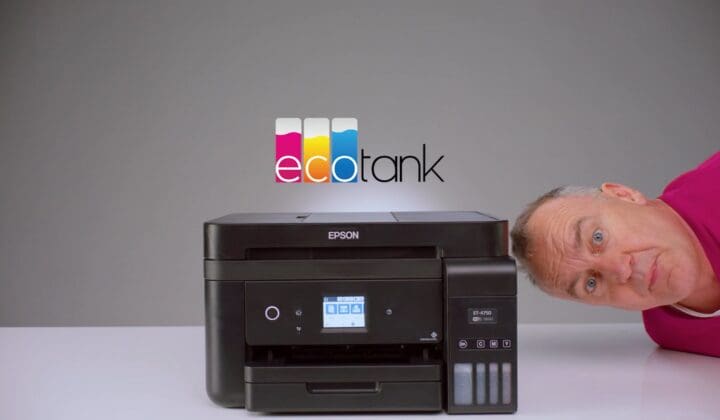
Dream Engine has produced animations for organisations including Motorola Australia, the Future Fund and Jim’s Group. We can help you choose an approach based on your audience, the subject and your budget. These examples show some of the options.
2D vector animation
The Motorola Australia example below uses designed shapes, icons and illustrations. This approach can show the steps in a process or explain how a service works, without needing footage of each part.

Production time depends on the number of scenes, the illustration work and the complexity of the movement. Our guide to 2D explainer animation looks at how this style can make a complex subject easier to follow.
A studio presenter with graphics
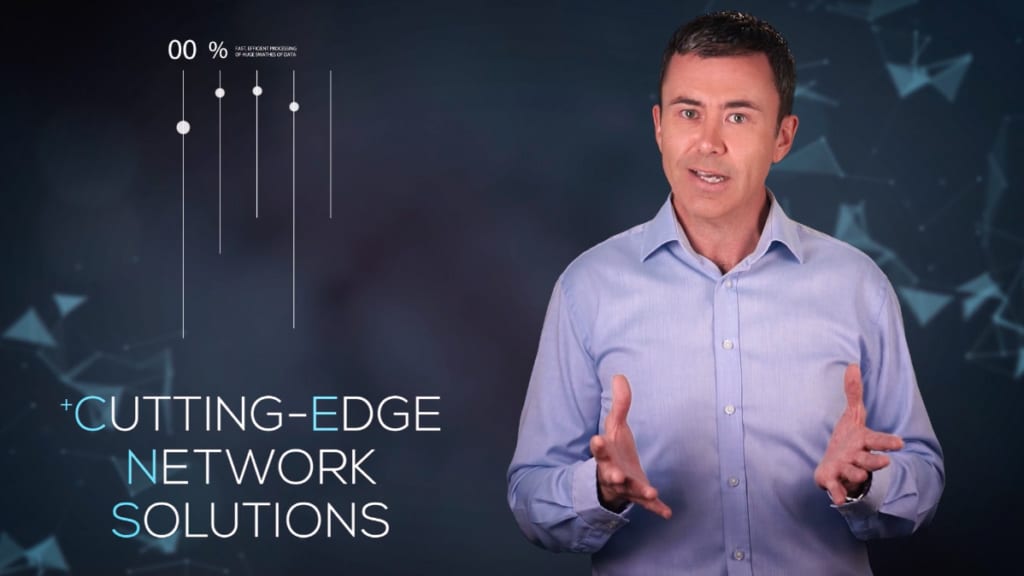
If studio filming is possible, a professional presenter can explain your message on camera. We film them against a green screen, replace the background and add text or animation to reinforce key points.

This can suit a project that needs a person to guide viewers through the information, but doesn’t require access to your premises. You can also attend the filming remotely via Zoom.
Hand-drawn and cartoon-style animation
Pencil-style drawings and cartoon illustrations give an explainer a different visual feel. They can represent people, situations or ideas that would be difficult to arrange for a live shoot.

The drawn appearance doesn’t necessarily make a video quicker or cheaper to produce. Cost and timing depend on whether the artwork is created from scratch, how much needs to move and the revisions required.
Motion graphics
Motion graphics created with a tool such as After Effects can combine text, diagrams, images and movement. They can be useful when the main task is to show a sequence, explain information or draw attention to a particular detail.

Plan the animation before production
Start with what your audience needs to understand. Gather any existing diagrams, brand artwork, product information and examples of styles you like. Also identify anything the video must show accurately, such as a technical process or a product interface.
Agree on the script and storyboard before the detailed animation begins. It is easier to resolve missing information or a change of direction at this stage than after scenes have been animated. Our guide to the animation process explains the stages and what to review along the way.
Allow time for approvals. Remote production removes the need to organise a workplace shoot, but your team still needs to check the content and bring stakeholder feedback together.
Work out what your video needs to show
Animation is worth considering when you can’t film, particularly if the subject is a process or idea that can be explained through illustrations. If viewers need to see a real location, person or product in use, existing footage or a remotely managed shoot may also be useful.
You don’t need a finished script to begin. Get in touch with what you want to explain, who the video is for and when you need it. We can talk through which approach fits.
Ryan Spanger is the founder and managing director of Dream Engine, a Melbourne video production company established in 2002. Over the past two decades, he’s produced hundreds of videos for businesses, government departments, universities and healthcare organisations across Australia. Ryan specialises in helping organisations explain complex ideas through clear, engaging video content, with particular experience in corporate communications, training and education.