Community sport plays an important role in Australian life. Local clubs bring people together, create social connections, and provide opportunities for young people to participate in organised activities. At the same time, research has shown that barriers related to gender, culture, and identity can still exist in many sporting environments.
The Change Makers program was developed to address this challenge by helping community clubs examine how inclusive their environments are in practice. Dream Engine was engaged to produce a video that documented the program and captured the experiences of people involved.
The result was a short documentary-style video for the Government and Public Sector, combining interviews, real club environments, and reflections from participants and researchers.
The Organisation
The Change Makers program brings together researchers, sporting organisations, and community clubs to explore how sport settings can become more inclusive.
Using an action research model, the program works directly with club leaders, volunteers, and administrators. These participants become “Change Makers” within their own organisations and are supported to identify barriers and implement practical changes.
The aim is to help clubs become safe and welcoming environments for:
• Girls and women
• Non-binary people
• Multicultural communities
The program also connects research with real-world practice. Academic research into inclusion often identifies persistent barriers such as racism, sexism, and homophobia in sport. Change Makers seeks to move beyond research alone and work with clubs to apply those insights directly.
The Challenge
The key challenge for the video was to communicate a complex idea in a clear and human way.
The Change Makers program involves research, partnerships between institutions, and long-term cultural change within sporting organisations. These ideas can be difficult to explain through written reports or academic language alone.
The goal of the video was to show the program in action and allow people involved in the project to explain it in their own words.
Specifically, the video needed to:
• Show the purpose of the Change Makers program
• Explain why inclusion in sport matters
• Capture real voices from clubs and participants
• Present the initiative in a way that felt relatable and practical
The production also needed to balance two audiences. It needed to communicate clearly with community sport organisations while also reflecting the research behind the program.
Our Approach
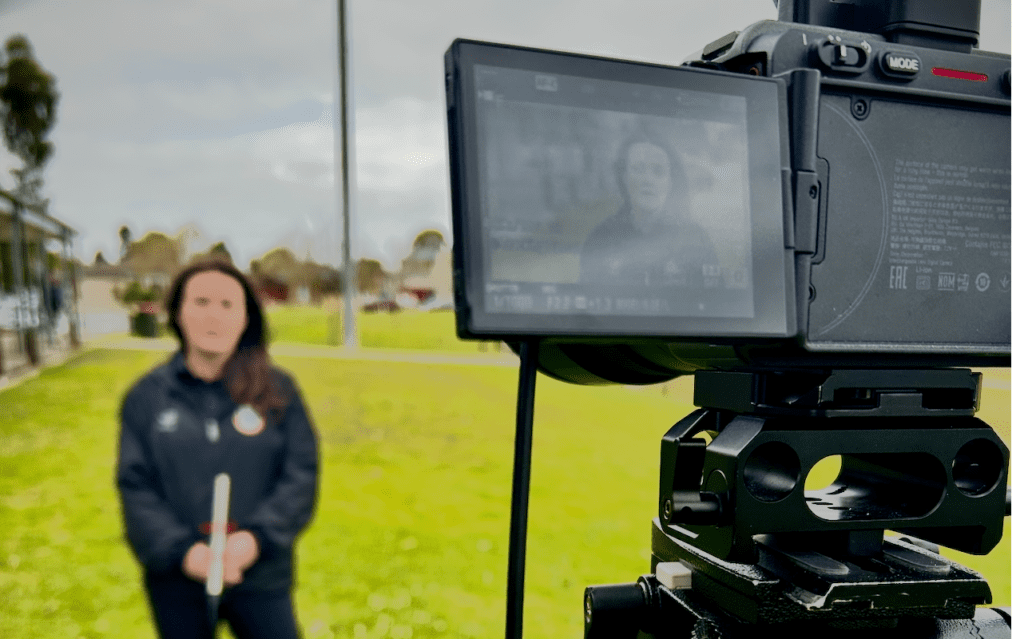
Dream Engine has produced a number of not-for-profit videos in Melbourne. We approached the project using a documentary-style interview format.
Instead of relying on scripted narration, the story is driven by the voices of the people directly involved in the program. This approach allows viewers to hear from researchers, community organisations, and participants in their own words.
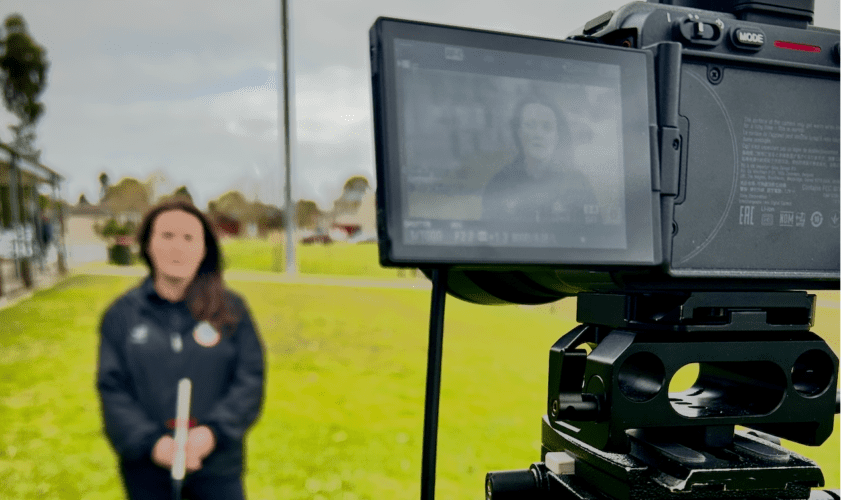
Filming took place in real sporting environments. Capturing activity at the clubs helped ground the story and show the program within the everyday context of community sport.
The interviews explored topics such as:
• The origins of the Change Makers project
• The connection between research and real-world change
• Barriers that have historically existed in sport
• How clubs are working to become more inclusive
One moment during filming stood out. When young girls at a local soccer club were asked what it was like playing a sport that had traditionally been male-dominated, several looked confused by the question. For them, playing soccer simply felt normal.
That moment provided a powerful illustration of how participation in sport continues to evolve across generations.
Production
The video combines interviews with observational footage from local club environments.
This approach allowed the production to capture both the ideas behind the program and the lived experience of people participating in community sport. Footage of training sessions, club environments, and players interacting with each other provides context for the conversations taking place.
The editing focused on clarity and pacing. The aim was to allow the interviews to unfold naturally while keeping the story accessible for viewers who may not be familiar with the research background of the program.
The Result
The finished video presents the Change Makers program through the perspectives of the people involved.
Researchers describe the long history of barriers that have appeared in sporting environments, while club representatives and participants reflect on their own experiences of sport and inclusion.
By combining research insights with real stories from clubs, the video helps explain why initiatives like Change Makers exist and what they are trying to achieve.
It also captures a broader moment within sport. Participation patterns are continuing to change, and younger generations often experience sporting environments differently from those who came before them.
Video Production for Community and Inclusion Programs
Projects like Change Makers highlight the value of video in communicating research and community initiatives.
Complex programs can be difficult to explain through reports or presentations alone. Video allows audiences to see the environments where programs operate and hear directly from the people involved.
Dream Engine regularly works with government organisations, universities, and not-for-profit groups to produce videos that document programs, share research insights, and communicate community impact.
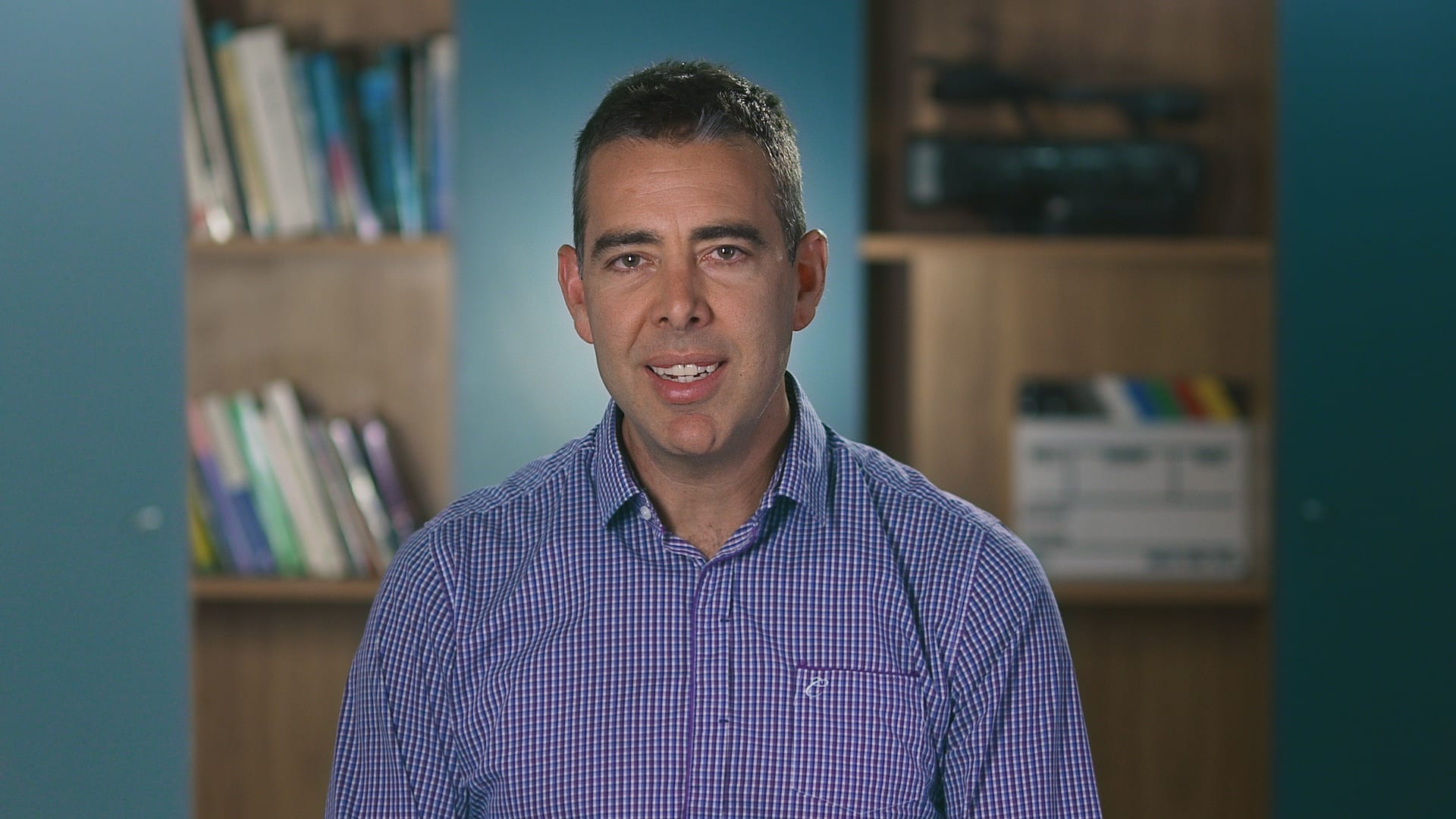
Ryan Spanger is the founder and managing director of Dream Engine, a Melbourne-based video production company established in 2002. With more than two decades of experience, Ryan has helped leading Australian businesses, government departments, and non-profits communicate their message with clarity and impact through video. He’s known for his strategic approach, reliable process, and commitment to producing videos that deliver measurable results.