Here at Dream Engine, we have over 20 years of experience filming high-quality interviews. In this post, we walk through our approach to shooting interviews in a way that represents your subject clearly and supports the story you want to tell
Creating a “look” for interviews
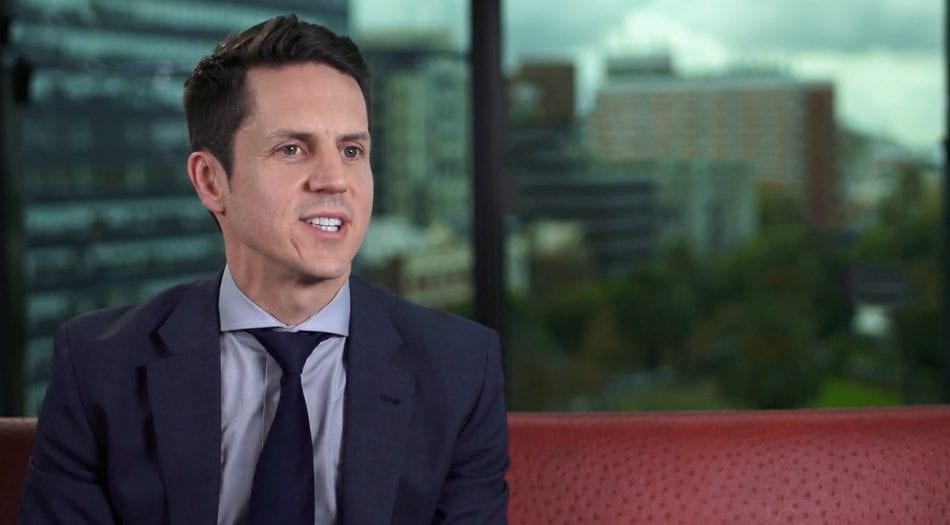
There are no fixed rules for shooting interviews. There are many things to consider, like the tone of the video, the location, and the overall story that the interview is a part of. Before you begin shooting, you should have a solid plan in place that you have discussed with the director, producer or any other stakeholders. The director will dictate how you shoot the interview, and the director of photography will execute it.
Find some examples of interviews you like and where and how they were shot. Are they on a tripod or handheld? Indoors or outdoors. If you have an idea of what you want before the shoot, you can get everyone on the same page about what you are trying to achieve with the interview’s look.
Your Visuals Tell The Story
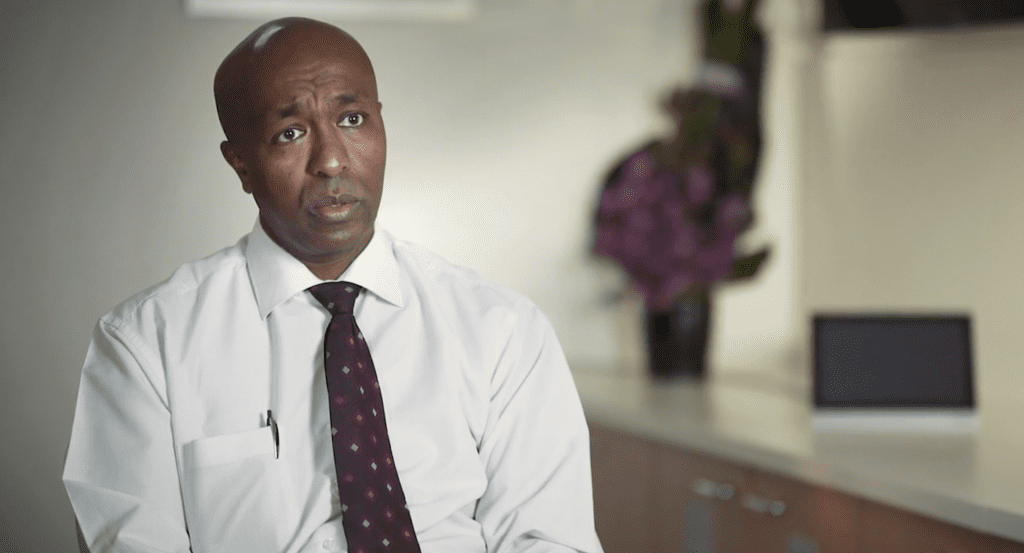 Video is a visual medium (obviously), so the location of your interview is very important. It’s a key element in the storytelling aspect, as the location can reveal things about the interviewee and give them credibility. The best way to ensure that your interview goes smoothly is to find a place where your interviewee is comfortable. Consider the topic of the interview and find a related location that will assist in telling the story. Is the interview about a new scientific breakthrough? Film the interview in a lab or testing facility. You want to show the interviewee in their natural environment. This can’t always be arranged, however, so you should aim to at least have a visually pleasing background if the first option isn’t available. If it’s just a plain white background then what’s the point of using a visual medium like video?
It’s also extremely important to consider sound when selecting your location. Is there talking seeping in from next door? Noise from the highway outside? Make sure you select a quiet room where interruptions from noise or intruders are unlikely. This will save you time on the day and in the editing process when you aren’t cutting around bad sound or interruptions.
Light the way
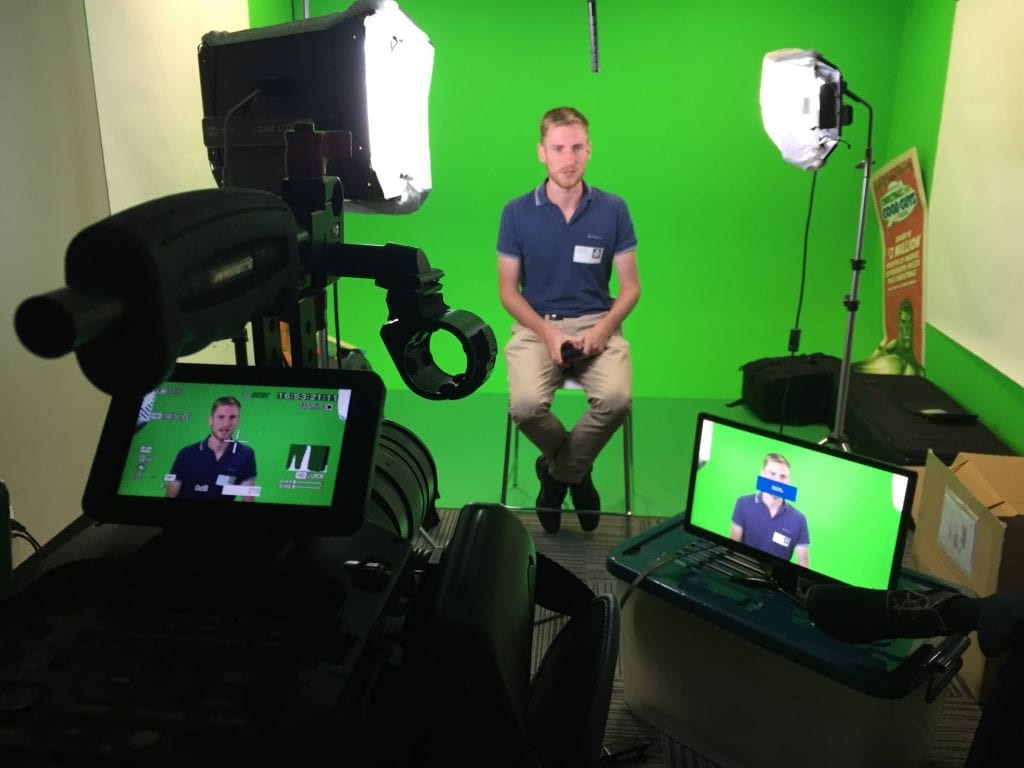
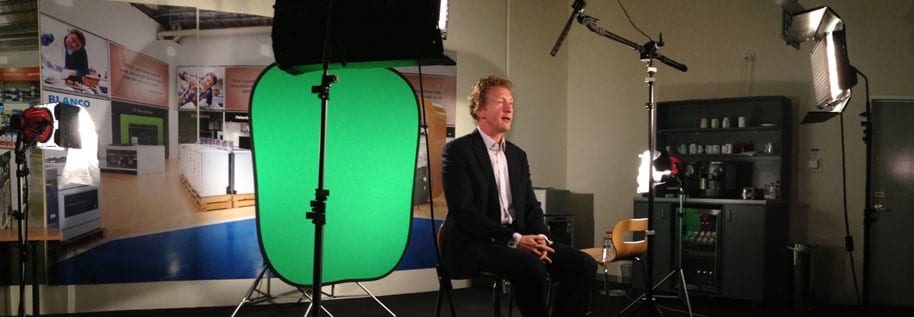
We consider ourselves to be something of lighting specialists here at Dream Engine. While a good-quality camera will certainly go a long way toward creating a great image, lighting is just as important. Having shot hundreds of interviews over the years, we’ve refined our setup to a simple, consistent and beautiful look.
Our most commonly used lights are KINO DivaLights. They run at low temperatures, and with the included flozier (basically a thin white material placed over the light) the light is soft and fully adjustable. We also use the industry stalwart, the Dedolight, a compact focusable light that is extremely versatile. We often use a Dedos as a backlight, aiming down on the interviewee’s head and shoulders, which separates them from the background and makes them stand out more.
Choose the right lens
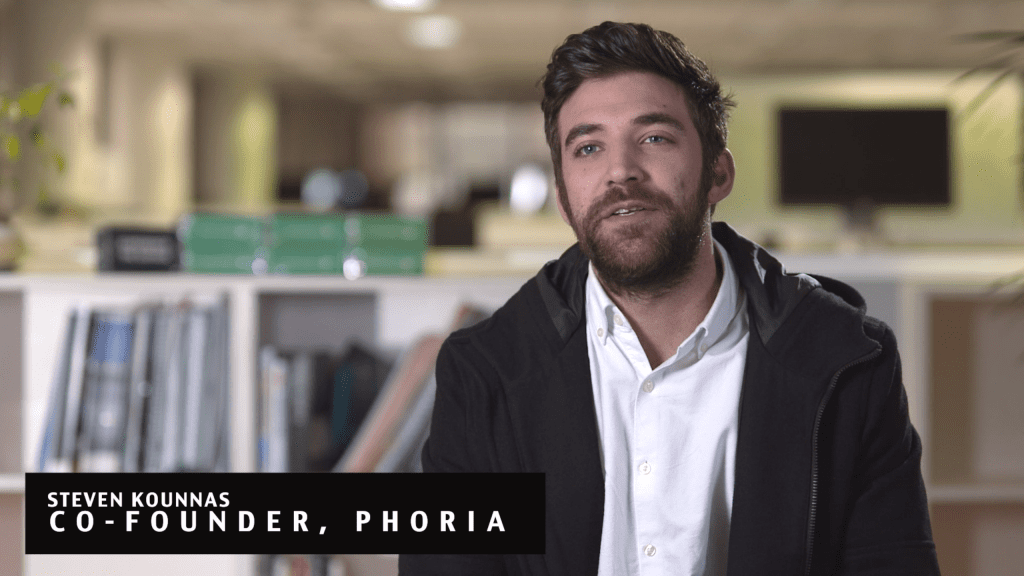
The choice of lens always goes a long way to dictating the look and feel of an interview. A common trend at the moment is to use a very shallow depth of field, keeping the subject in sharp focus while blurring the background. This effect works well in a lot of cases, but it’s worth deciding if it’s right for you. If the subject is animated or talks with their hands, it might be worth giving yourself some more room to work with by using a wider-angle lens and giving yourself a bit more room to play with in terms of focus.
Building a relationship
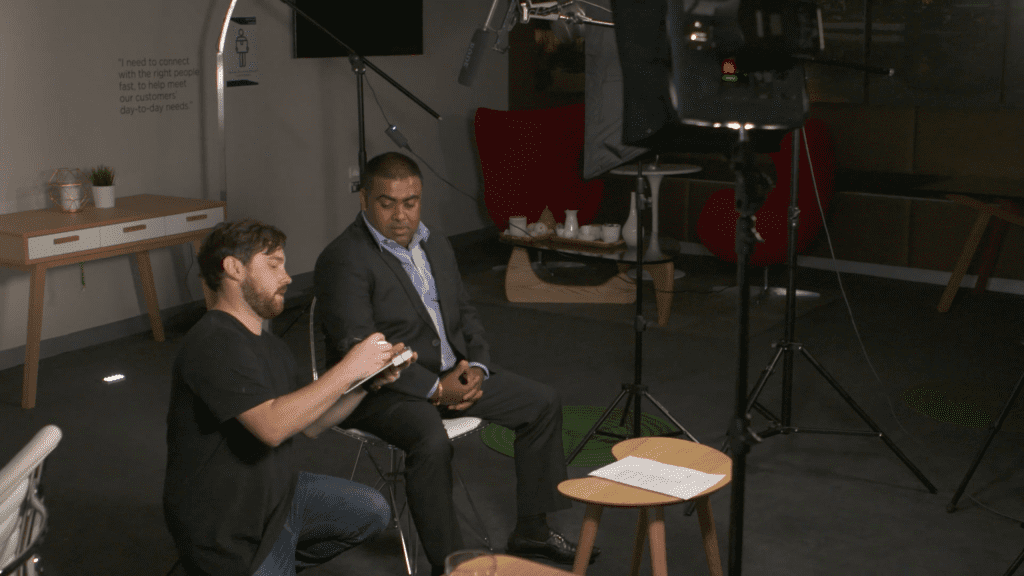
As professionals, we must be respectful to our clients by always being on time, appropriately dressed, and considerate of the environment we are in. Building rapport with the interviewee can significantly enhance the quality of the interview. If the subject is relaxed and comfortable, their responses will be less hurried and more open. By having a quick chat with the interviewee before the interview and running through the process, you will make them feel more at ease in front of the camera, and more relaxed interviewees mean better interviews.
Do you need an experienced camera crew to shoot professional video interviews? Get in touch with Dream Engine today.
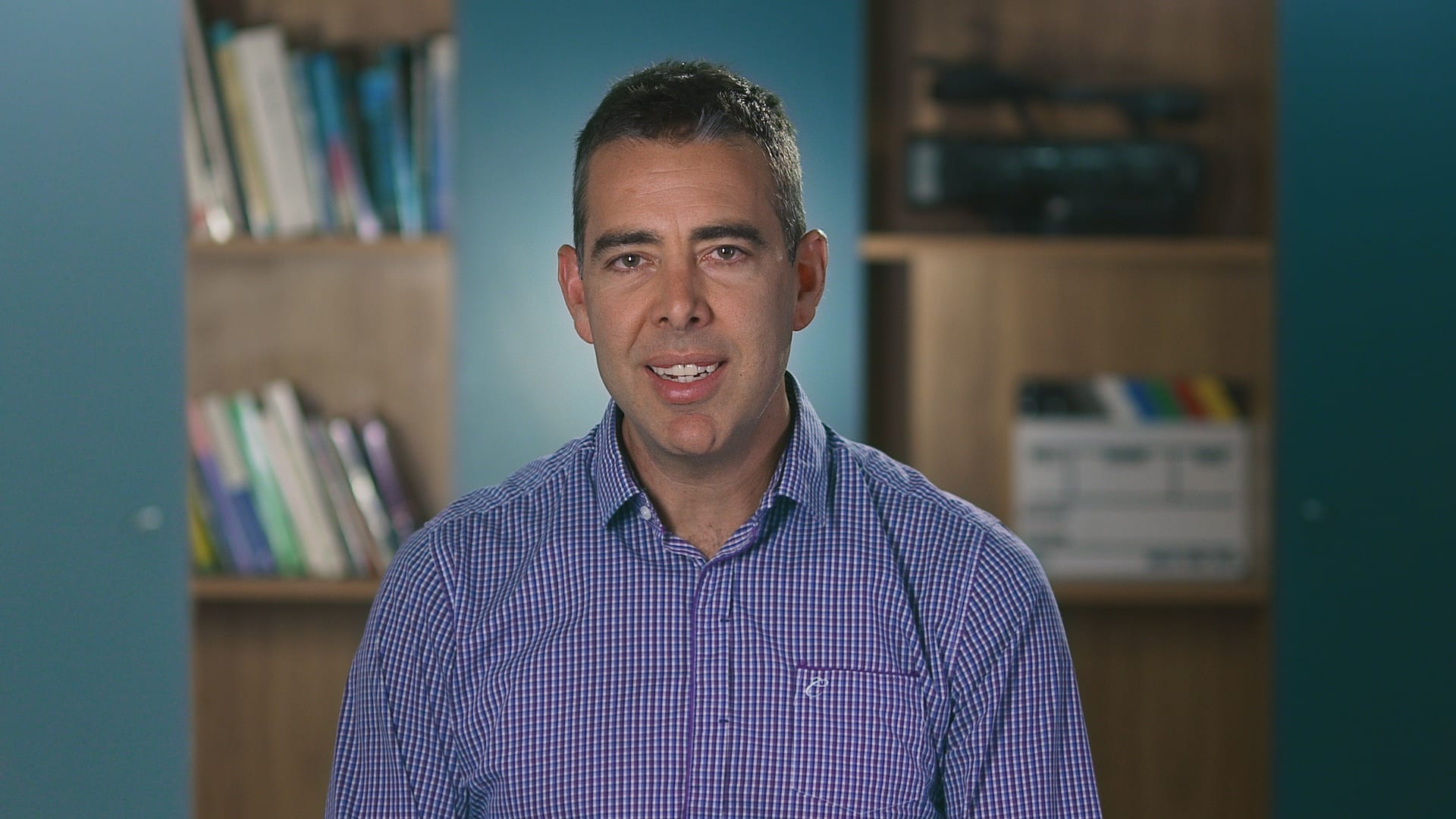
Ryan Spanger is the founder and managing director of Dream Engine, a Melbourne-based video production company established in 2002. With more than two decades of experience, Ryan has helped leading Australian businesses, government departments, and non-profits communicate their message with clarity and impact through video. He’s known for his strategic approach, reliable process, and commitment to producing videos that deliver measurable results.