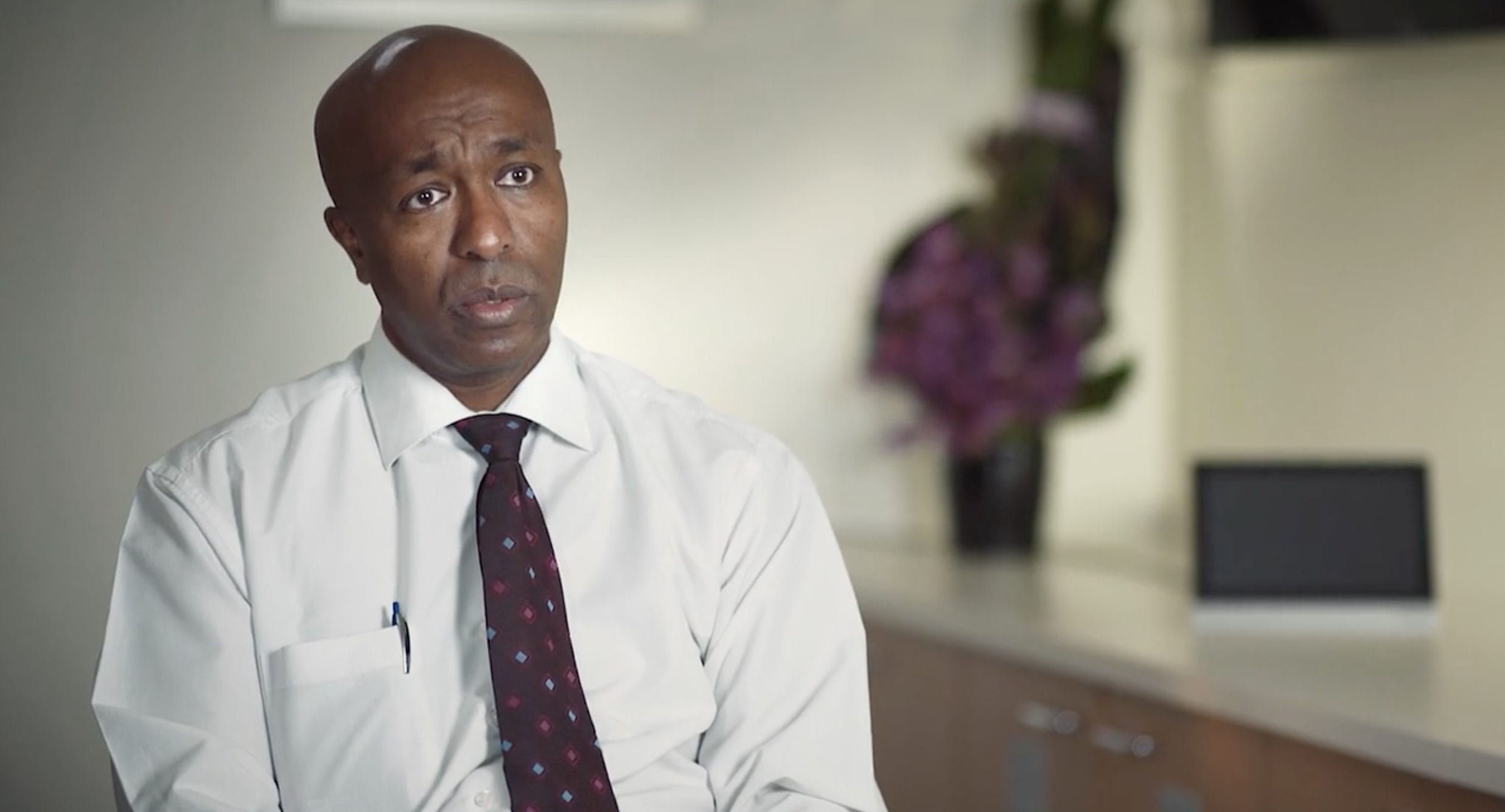
Professional video interviews are one of the most effective ways to communicate credibility, expertise, and human insight. When they are done well, they feel natural, confident, and easy to watch. When they are not, they can feel awkward, flat, or distracting.
After more than twenty years of filming interviews for businesses, organisations, and institutions, we have learned that strong interview videos are rarely about technical tricks. They are about preparation, environment, and helping people feel comfortable enough to speak clearly and honestly.
This guide outlines practical considerations that help ensure your next video interview looks professional, sounds clean, and tells a clear story.
Choose an environment that supports the story
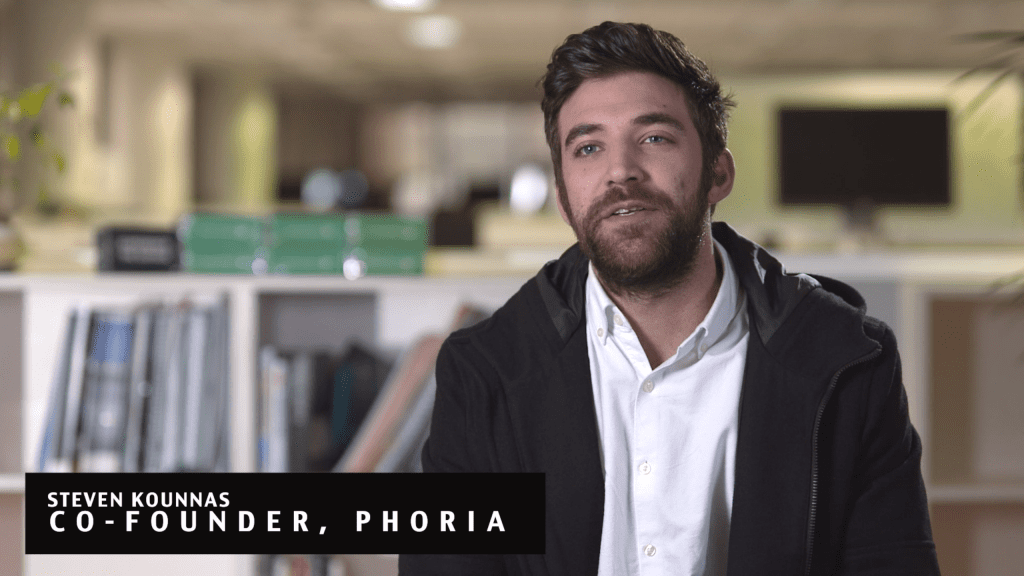
The background of an interview plays a subtle but important role in how the viewer understands the subject. Location choices provide context and can reinforce credibility without a word being spoken.
Where possible, interviews should be filmed in environments that relate naturally to the interviewee and the topic. A researcher in a lab, a leader in their workplace, or a specialist in a relevant setting all help the audience understand who they are and why their perspective matters.
If a meaningful location is not available, the goal should be a clean, visually calm background that does not distract from the conversation.
Pay close attention to sound
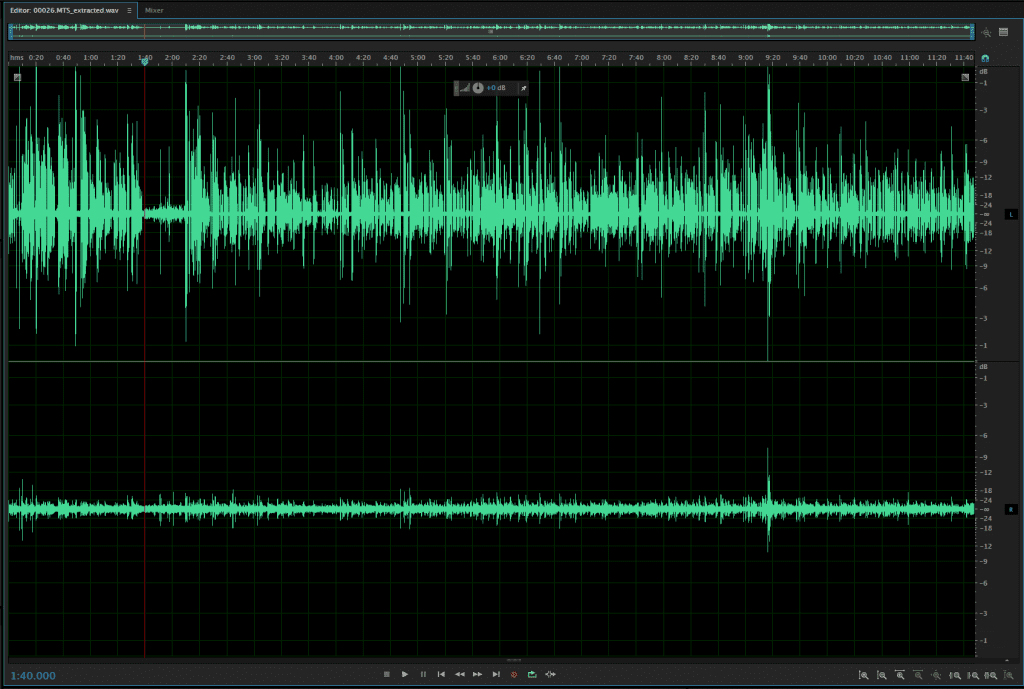
Clear audio is essential in an interview-based video. Even strong visuals cannot compensate for poor sound.
Before filming begins, it is important to listen carefully to the environment. Nearby traffic, cafés, air conditioning, appliances, or building systems can all introduce noise that may not be obvious in the moment but becomes distracting in the final edit.
Choosing a quiet space and minimising interruptions saves time during filming and avoids unnecessary compromises later.
Use visuals to reinforce credibility
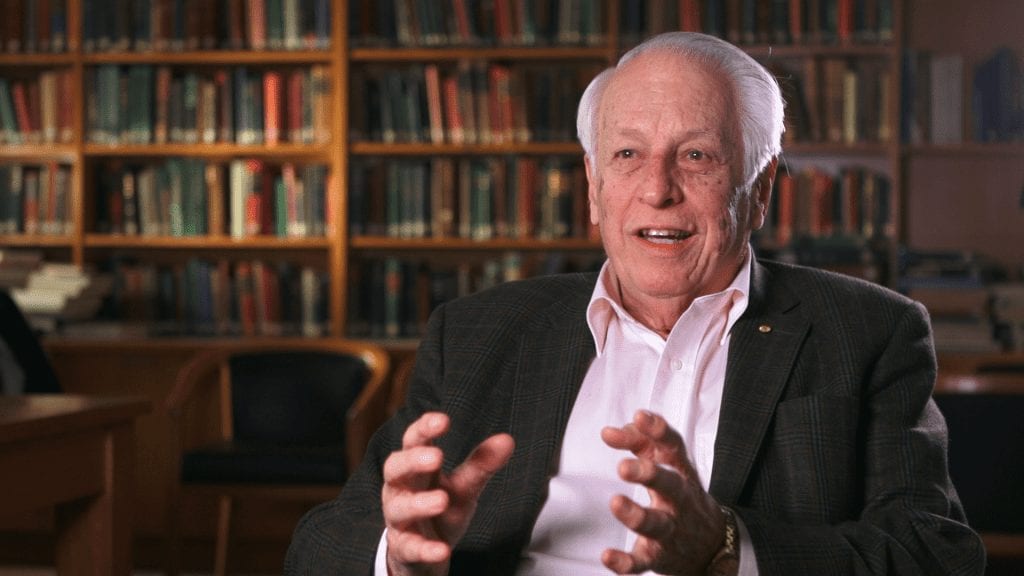
Video interviews are not just about what is said. They are also about what is shown.
The setting, framing, and overall visual tone help communicate professionalism and trust. Filming people in environments where they feel comfortable and confident often results in more natural responses and stronger storytelling.
When an interviewee feels at ease in their surroundings, it shows on camera.
Use lighting to create a calm, professional look
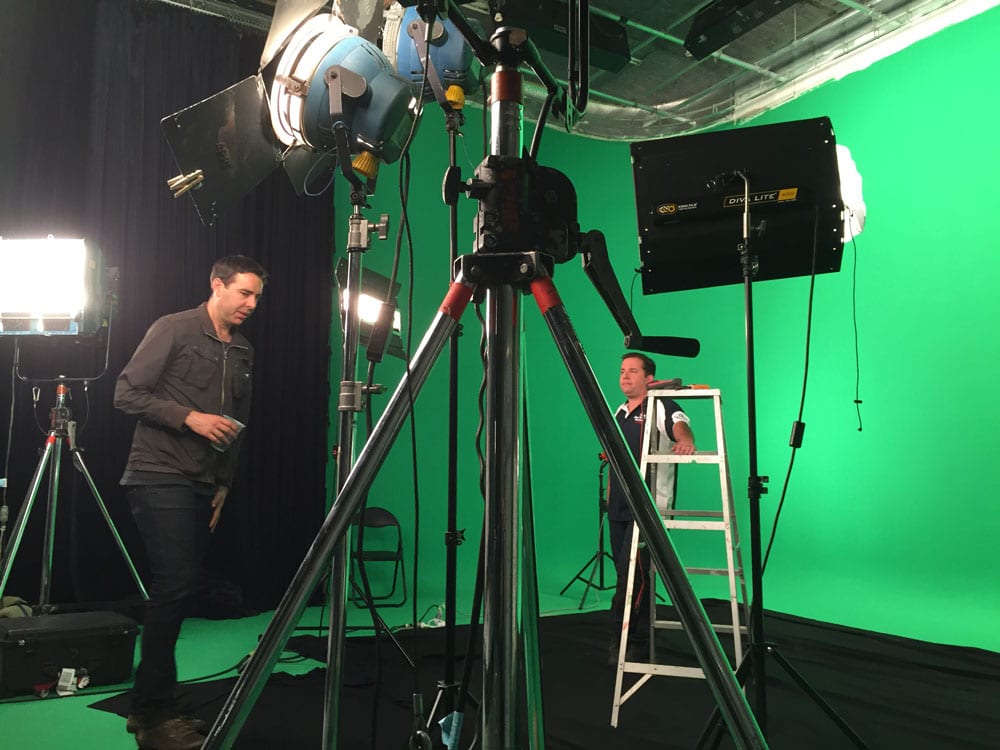
Lighting has a significant impact on how an interview feels. Soft, well-controlled lighting helps subjects look natural and relaxed, while harsh or inconsistent lighting can be distracting.
The goal is not to create something flashy, but to ensure the interviewee is evenly lit and clearly separated from the background. This creates depth, focus, and a more polished final result.
Comfort also matters. Interview lighting should never make people feel hot or uncomfortable, particularly during longer conversations.
Frame the interview for connection
Camera framing influences how connected a viewer feels to the interviewee. Shots that are too wide can feel distant, while shots that are too tight can feel uncomfortable.
A balanced frame allows room for natural movement while maintaining a sense of presence. Subtle background separation helps keep attention on the person speaking without pulling focus away from the message.
Build rapport before the camera rolls
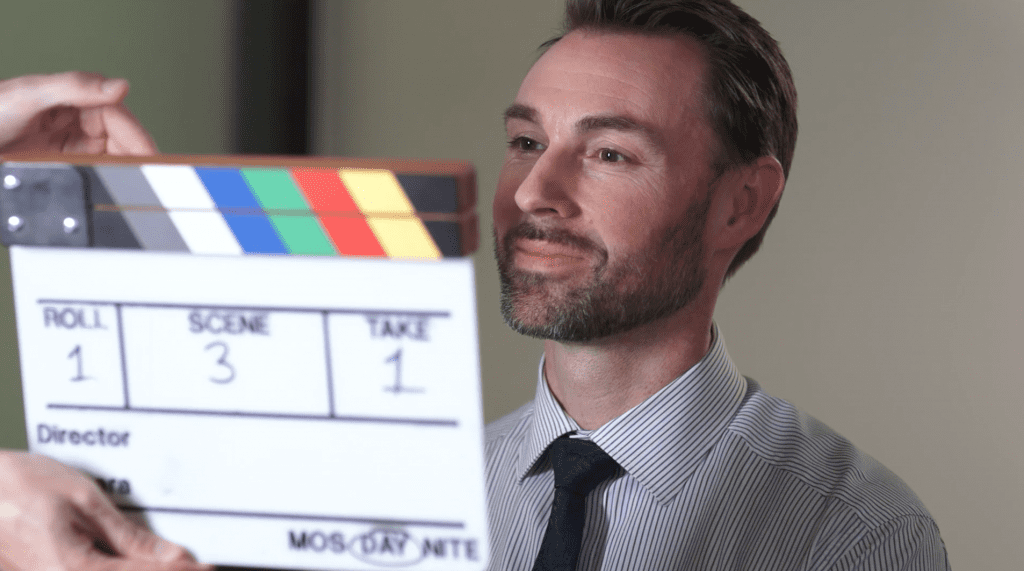
The most important factor in a successful interview is how comfortable the subject feels.
Nervous interviewees tend to give short, guarded responses. Relaxed interviewees are more open, expressive, and clear. Building rapport before filming begins makes a noticeable difference.
Simple steps such as explaining the process, asking a few warm-up questions, and creating a calm, professional environment help people settle quickly. When interviewees feel supported rather than rushed, the quality of the conversation improves.
Professional video interviews are the result of thoughtful preparation, not pressure.
If you need an experienced camera crew to film professional, high-quality video interviews, get in touch with Dream Engine to discuss your project.
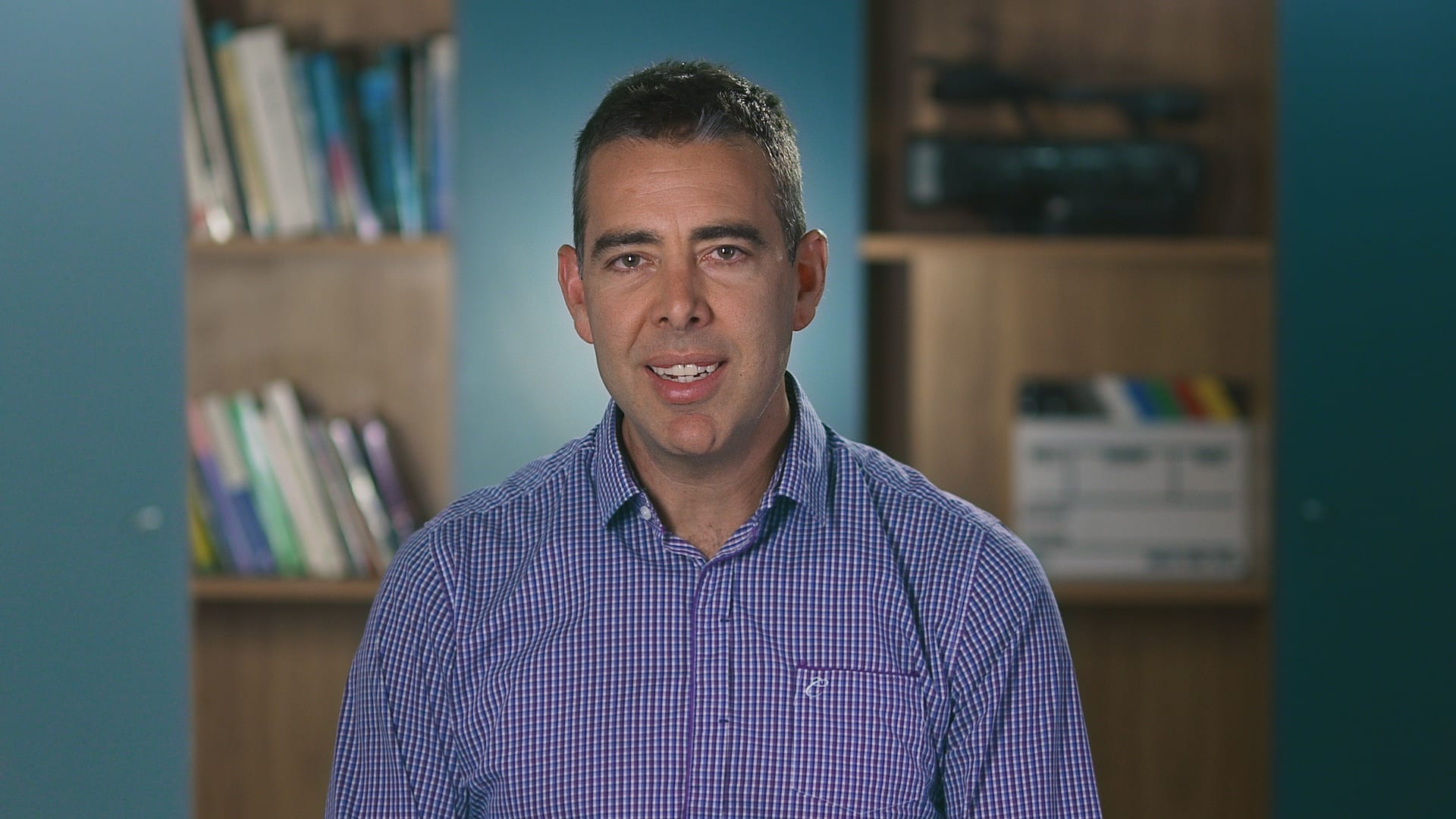
Ryan Spanger is the founder and managing director of Dream Engine, a Melbourne-based video production company established in 2002. With more than two decades of experience, Ryan has helped leading Australian businesses, government departments, and non-profits communicate their message with clarity and impact through video. He’s known for his strategic approach, reliable process, and commitment to producing videos that deliver measurable results.