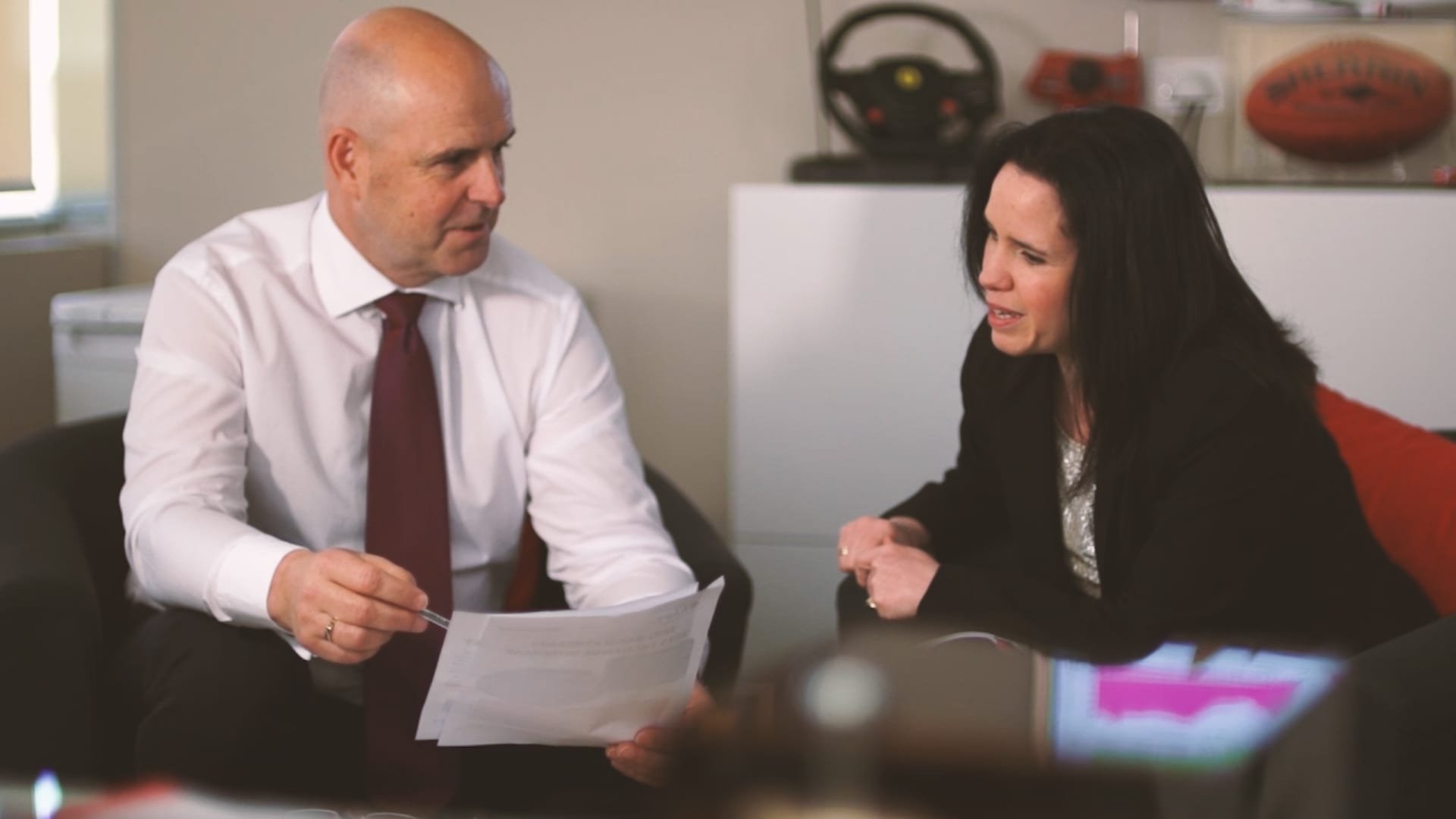
A person’s experience can give a corporate video a clear story to follow: what they faced, what they did and what changed. We use this approach in video production for organisations that want to explain their work through people and practical examples.
Let emotion come from the contributor’s own account. Ask for specific experiences and keep the context intact when editing their answers.
Plan a sequence the viewer can follow, with enough background to understand the situation and footage that illustrates what the person describes.
We often use this form of storytelling when making videos for Not-for-profits in Melbourne.
For a live event, it’s about capturing the energy and emotion in the room. In this video, we captured an event for The Reach Foundation:
Know who the video is for
There is no single formula for engaging an audience. Every video needs to be shaped around the people it is intended to reach.
Before any creative decisions are made, it is important to be specific about who you are speaking to. This includes understanding:
- The role and seniority of the viewer
- Their priorities and constraints
- What they already know and what they need explained
- The question the video needs to answer for them
Audiences are quick to recognise generic messaging. Scripts filled with broad claims or vague language tend to undermine confidence rather than build it.
Review the script against the questions viewers are likely to ask. Replace broad claims with an explanation or a specific example.
It is also worth considering how and where the video will be watched. A video intended for a board presentation will be structured differently from one hosted on YouTube or shared across social platforms. Planning for context early avoids mismatches later.
Use storytelling to support clarity
A story gives you a way to organise the information around a person, a situation and a sequence of events.
Rather than listing features or claims, storytelling allows a message to unfold in a logical way. This might involve showing how a problem arises, how it affects people, and how it is addressed in practice.
Case studies, client experiences, and real-world examples are often more persuasive than abstract statements. They demonstrate outcomes rather than asserting them.
Choose details that help explain the story and present them honestly.
The video below that we produced for the NMHP helps to explain the service they offer by sharing the story of a nurse:
Visuals should reinforce the message
The look of a video plays a significant role in how it is perceived.
Production choices such as lighting, composition, pacing, and location all contribute to the overall impression of the organisation behind the message. Consistency between visual style and brand identity helps reinforce trust.
Plan footage of the people, places and activities discussed in the interview. A relevant demonstration or workplace scene gives viewers context for what they hear.
Check that the footage accurately represents the story and that contributors have agreed to its use.
How Dream Engine approaches engagement
At Dream Engine, we focus on helping organisations communicate clearly and credibly through video.
We work closely with clients to understand their audience, refine their message, and shape stories that feel relevant and authentic. We plan interviews and supporting footage together, then review the edit for clarity and accuracy.
If you are looking to create video content that connects with your audience in a considered and professional way, you can contact Dream Engine here.
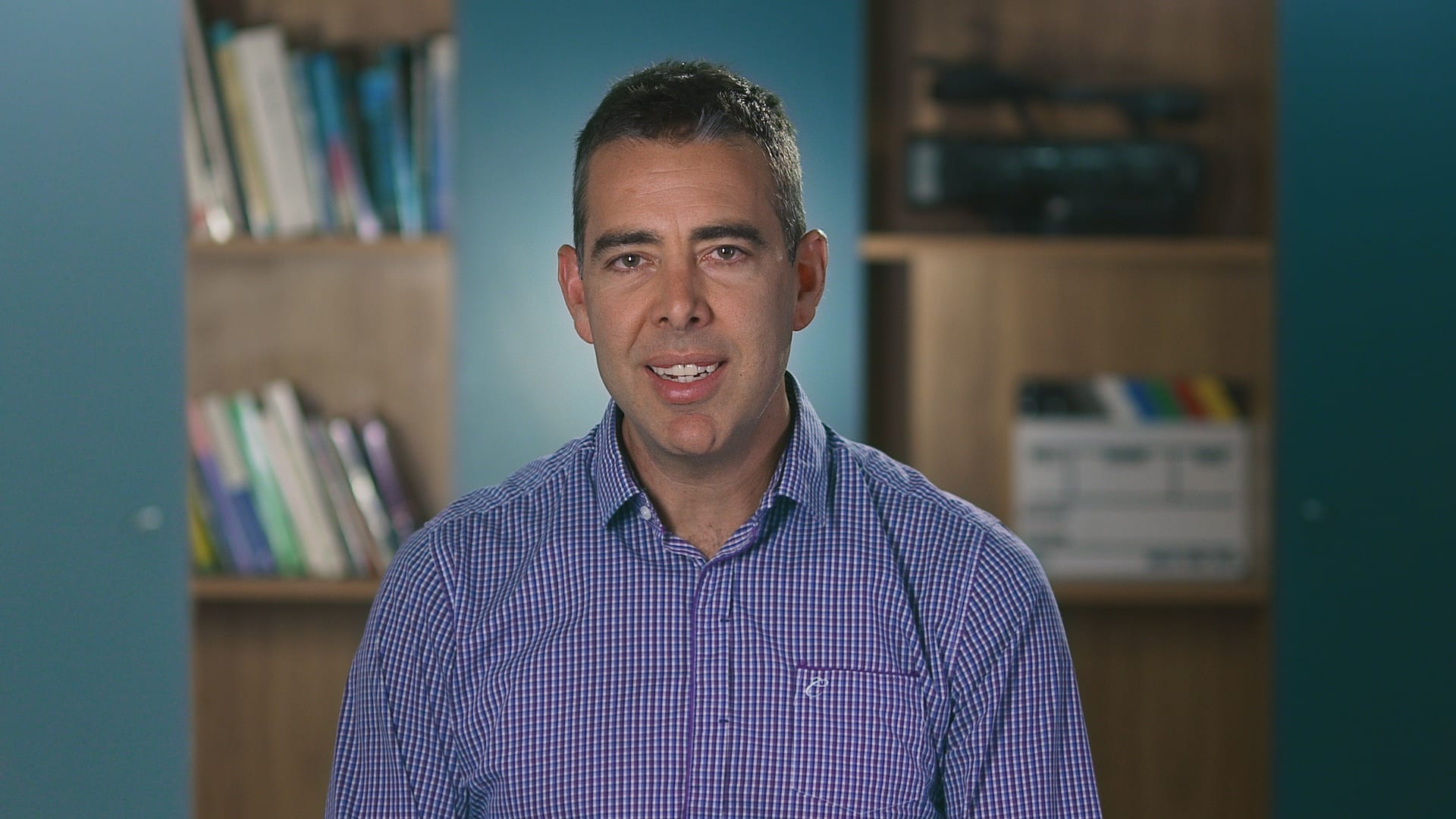
Ryan Spanger is the founder and managing director of Dream Engine, a Melbourne video production company established in 2002. Over the past two decades, he’s produced hundreds of videos for businesses, government departments, universities and healthcare organisations across Australia. Ryan specialises in helping organisations explain complex ideas through clear, engaging video content, with particular experience in corporate communications, training and education.