In this guide
An explainer video introduces what your business does, who it is for and how it works.
Start with the question a prospective customer needs answered. Show the product or service in use, explain any unfamiliar steps and give viewers a relevant next step.
For marketing and communications teams, explainer videos typically sit early in the journey. They introduce a product, service, or idea in a clear, controlled way without overwhelming the viewer.
This guide covers the message, style, contributors and viewing context to agree on before production.
Keep the message brief and focused
An explainer video is not the place to cover everything your business offers. Its role is to give the viewer enough clarity to understand the core idea and decide whether to continue engaging.
Allow enough time to explain the idea and show it in practice. Our 90-second corporate explainer guide is useful when you need a short introduction. A more detailed process may need a longer video or a separate follow-up.
Before filming, define the single most important thing the viewer needs to understand. Anything that does not support that message can be removed or saved for another piece of content.
Choose a style that reflects your business

An explainer video should feel like a natural extension of your brand. The tone, pacing, and visual style all contribute to how your business is perceived.
It helps to be clear on the impression you want to leave. Some organisations need to feel approachable and conversational. Others need to feel authoritative and precise. These decisions shape everything from the script to the visuals and music.
Use examples from your existing communication to agree on the tone before writing the script. If you are considering animation, our guide to effective animated explainer videos covers the scripting and design decisions.
Use examples your audience recognises
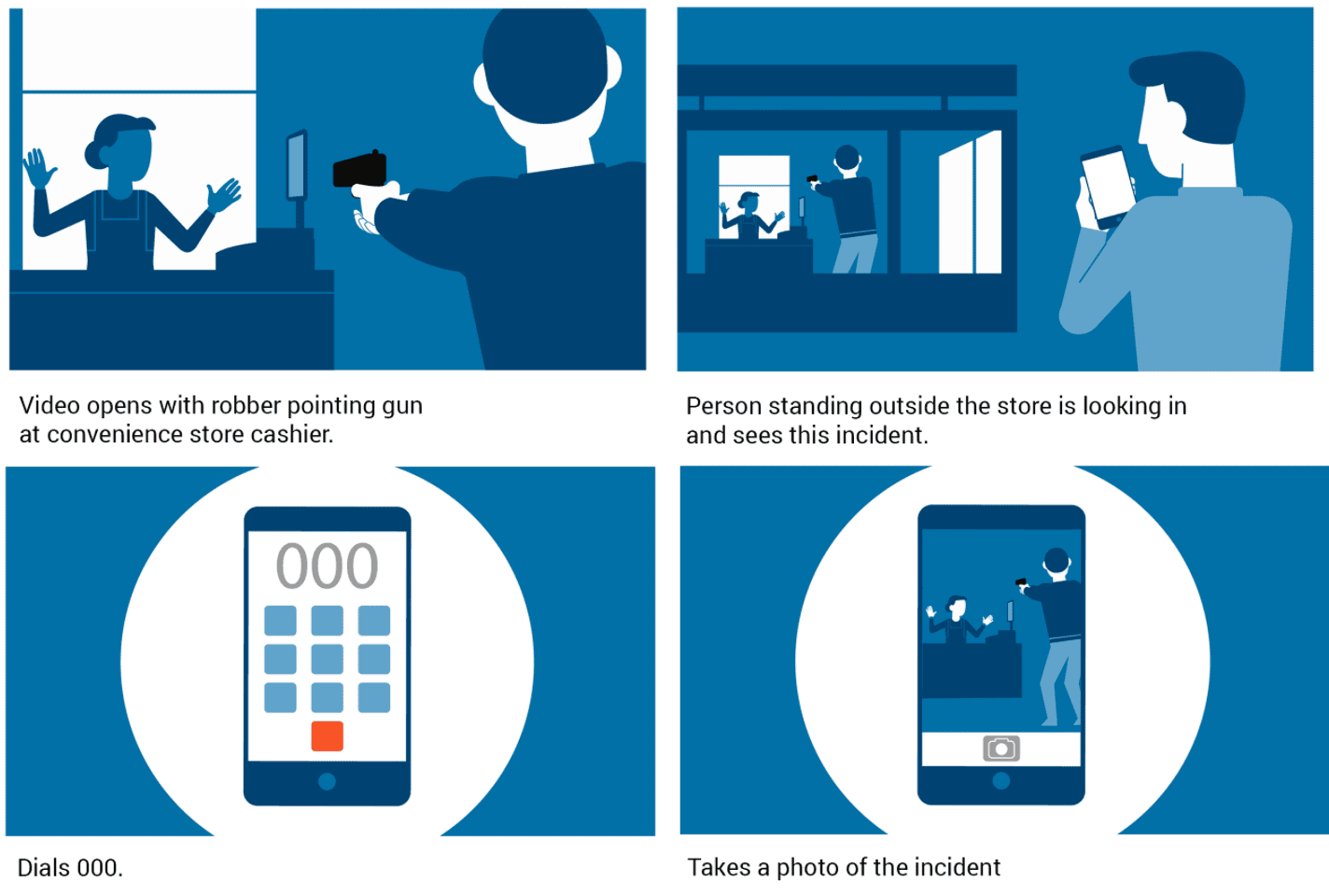
Show a situation the viewer is likely to encounter, then explain how your product or service fits.
Where appropriate, featuring real team members can make your message feel more credible and human. It allows viewers to see the people behind the business and imagine what it might be like to work with you.
Not everyone needs to be on camera. The key is choosing voices that can communicate clearly and comfortably. A relaxed, natural delivery is more effective than something that feels forced or overly scripted.
Be deliberate about who appears on screen
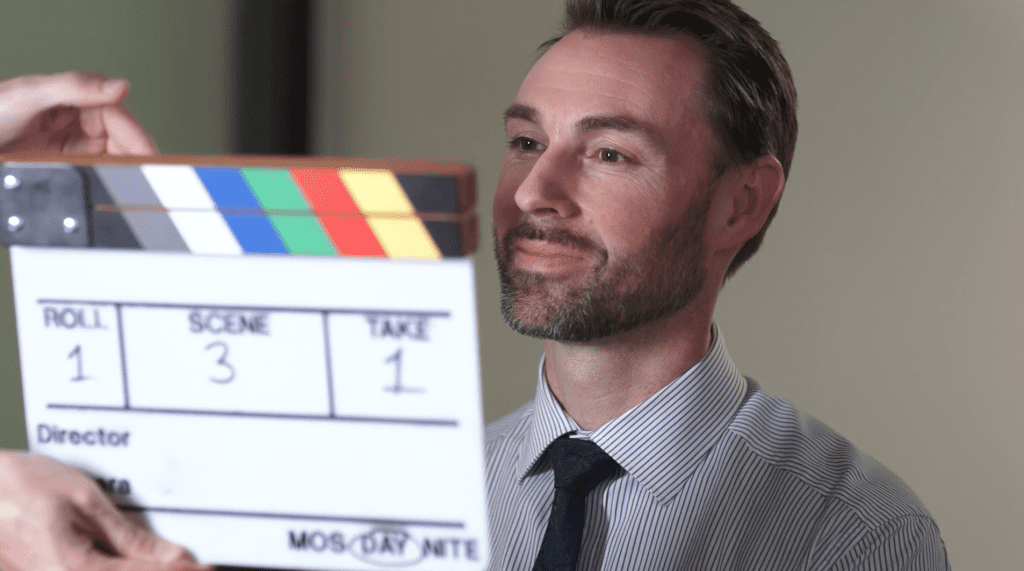
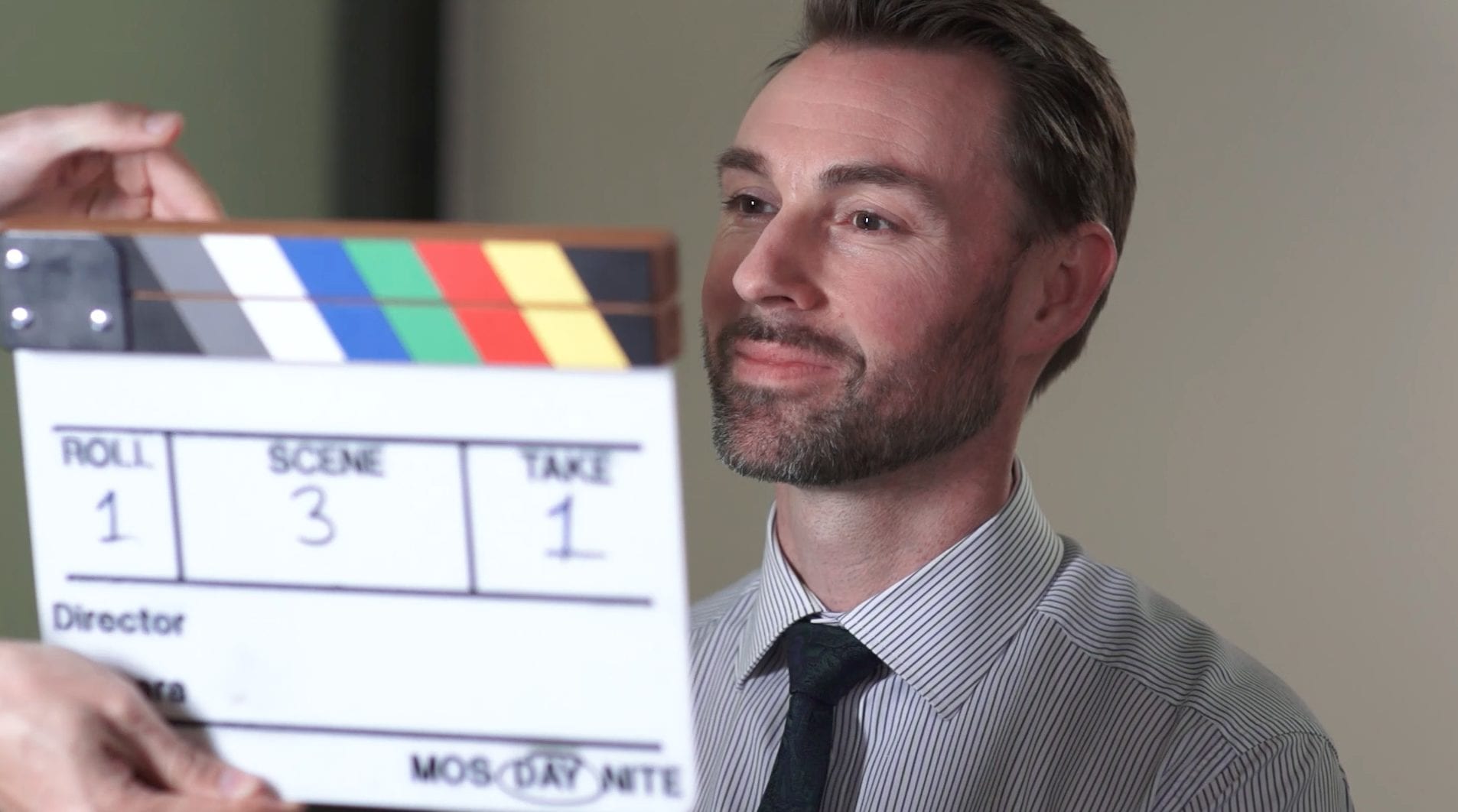
Choose contributors according to the brief. A team member can explain their work; a presenter or actor may suit a scripted demonstration.
Look for people with direct knowledge of the subject and time to take part. A staff member who uses a product or follows a procedure can explain the details and demonstrate it on camera.
Confirm that contributors are comfortable participating and have time to prepare. Agree on what they need to explain and who will check the facts.
Use movement and visuals to support attention

Some explainer videos benefit from a simple, seated interview style. Others need more energy to reflect the experience being sold. The right approach depends on the subject matter and the audience.
Thoughtful camera movement, real activity, and well-chosen Melbourne filming locations help keep the video visually engaging. This might include following people through their workspace, capturing natural interactions, or showing products and services in use.
These details help bring the business to life and give viewers visual cues about culture, professionalism, and scale.
Think about where the video will be used
An effective explainer video is designed with its distribution in mind. A video intended for a homepage may need a different structure to one used in a sales presentation, internal briefing, or social campaign.
Understanding where the video will live helps inform decisions about length, pacing, captions, and calls to action.
Confirm where the video will appear and whether you need shorter edits, captions or different aspect ratios before filming.
If you are considering an explainer video and want help planning the right approach, get in contact with Dream Engine.
Find related planning advice and examples in our animation and explainer video guides.
Frequently asked questions
Planning an explainer video
Answers about format, duration and where to use your video.
What is an explainer video?
An explainer video is a short video designed to help people quickly understand a product, service, or idea. Its role is to clarify what you do and help the viewer decide whether to continue engaging with your business.
How long should an explainer video be?
One to two minutes can be a useful starting point for a short introduction. Choose the length according to the subject and viewing context, with separate videos for detail that needs more explanation.
Should an explainer video be live-action or animated?
That depends on the subject. Live-action works well when viewers need to see the people and workplace. Animation video production is often useful for abstract ideas, systems, or processes that are hard to film. Many projects combine both.
Where should an explainer video be used?
Explainer videos are commonly used on homepages, service pages, landing pages, in sales conversations, and in onboarding or internal communications. Planning the location early helps shape the structure and pacing.
What makes an explainer video effective?
A clear message, a focused structure, and a calm, confident delivery. The best explainer videos prioritise understanding over cleverness and are designed around the viewer’s questions.
Can Dream Engine help plan the explainer video?
Yes. We help clients clarify the message, choose the right format, and plan how the video fits into their broader communication or video marketing strategy before filming begins.
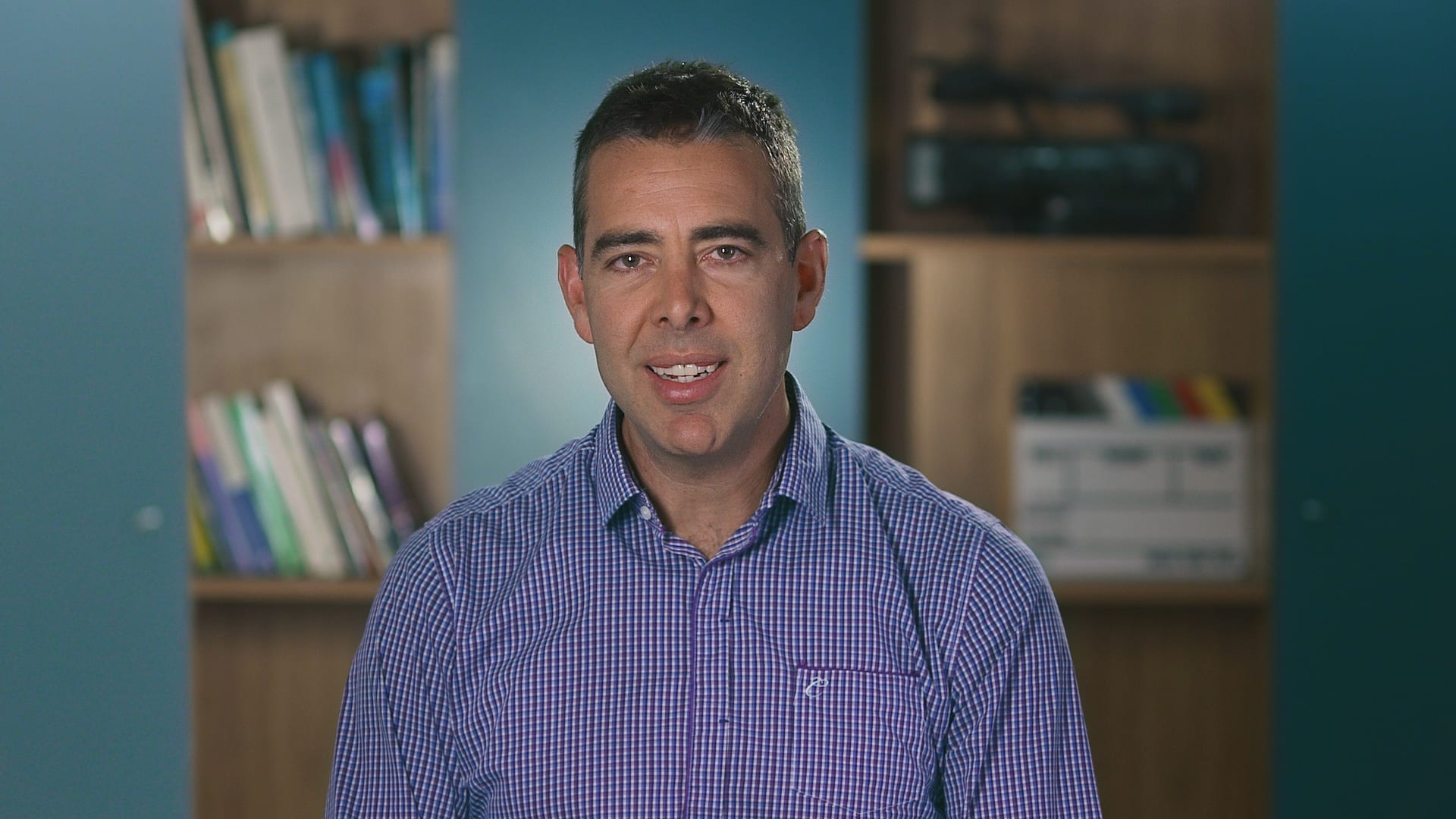
Ryan Spanger is the founder and managing director of Dream Engine, a Melbourne video production company established in 2002. Over the past two decades, he’s produced hundreds of videos for businesses, government departments, universities and healthcare organisations across Australia. Ryan specialises in helping organisations explain complex ideas through clear, engaging video content, with particular experience in corporate communications, training and education.