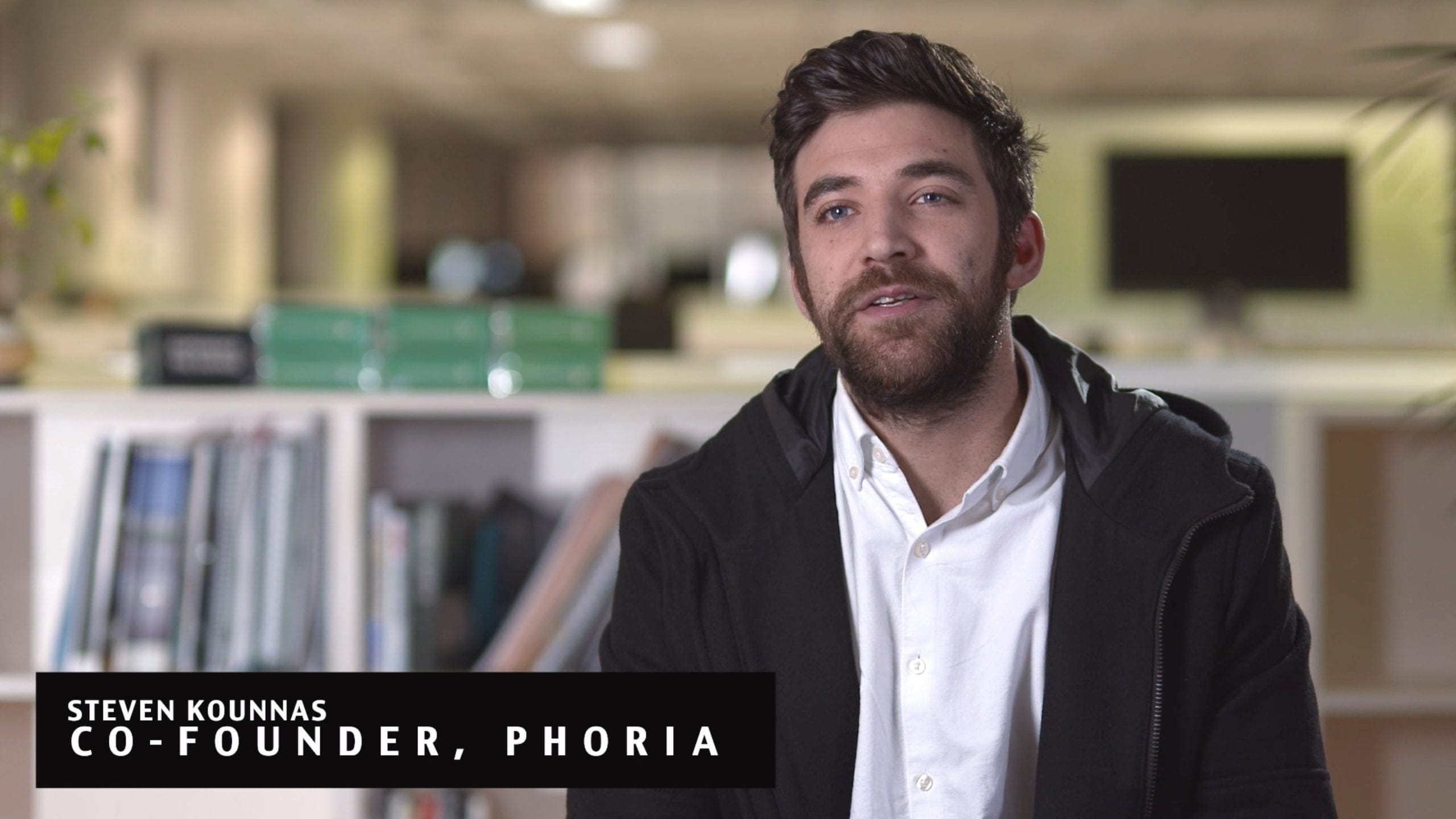
When Innercode approached Dream Engine, they wanted a way to explain the value of their work in a clear and relatable way. Innercode helps startups and technology companies access the Research and Development tax incentive, a federal program designed to support innovation. Their service has helped growing businesses, but they needed a way to communicate this story with more clarity and trust.
We recommended a testimonial-style case study video featuring one of their clients, Phoria, a fast-growing Melbourne-based technology company. The goal was simple: show prospective clients how Innercode works, and let a real customer explain the benefits in their own words.
Client Background
Innercode and Phoria
Innercode supports early-stage and tech-focused businesses by helping them access the R&D tax incentive. They work on a commission model, meaning clients don’t pay upfront fees. This makes their service accessible to startups that need support with cash flow.
Phoria partnered with Innercode during a period of rapid growth. Their work in augmented reality and spatial computing was resource-intensive, and the R&D incentive played an essential role in supporting their development costs.
The Challenge
Explaining a Complex Service Clearly
Innercode needed a way to explain its value in an easy-to-understand format. The R&D incentive is complex, and written explanations often feel abstract to founders who are short on time. They wanted prospective clients to see:
- how the service works
- why clients choose them
- the financial and operational benefits of using Innercode
- a real example of a business they have helped
A case study video suited this brief. It allowed the story to be told through a real client experience rather than technical explanations.
Our Approach
Building the Story Around Phoria’s Experience
Before filming, we spent time learning about Innercode’s service, their process and the outcomes they deliver. Speaking with co-founder Andrew gave us a clear picture of the main message: Innercode gives founders time back, reduces administrative pressure and helps them access funding they are entitled to.
We then shaped the case study around Phoria’s experience. Their story demonstrated both the financial benefit and the real-world impact of the R&D incentive on a growing technology business.
The Filming Process
Filming at Phoria’s Melbourne Offices
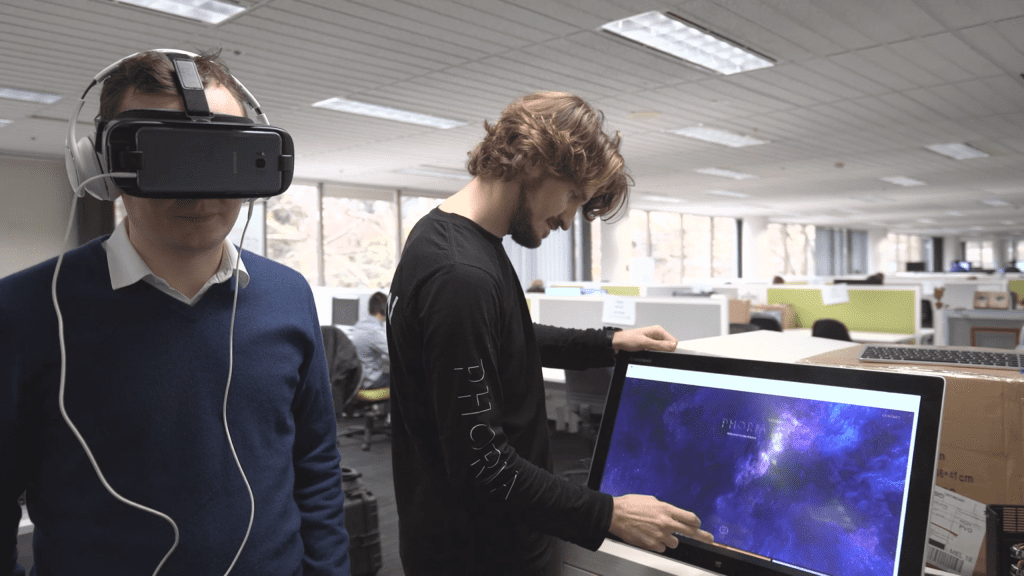
The shoot took place at Phoria’s offices in Melbourne. We filmed interviews with the co-founders and captured supporting footage of their team at work. We also filmed Andrew from Innercode interacting with the Phoria team to highlight the partnership between the two companies.
Before filming, we prepared interview questions designed to bring out natural, honest responses. The aim was for Phoria to explain the value in their own words. Clear, open-ended questions encouraged them to talk about their experience without feeling directed or scripted.
The combination of interview content and workplace footage helped create a story about the work with Phoria.

The Final Video
A Customer Story for Innercode’s Marketing
In the edit, we shaped the interviews into a clear narrative:
- who Phoria are
- why they needed support accessing the R&D incentive
- how Innercode helped
- the positive outcomes they experienced
- the ongoing benefit to their business
We combined the interviews with B-roll from the office and product demonstrations to visually connect the story with the work Phoria does. The final video presented a customer testimonial that Innercode could use across their website, pitch decks and social channels.
Showing the Value of a Professional Service
Case study videos are one way for professional service businesses to demonstrate their value. They allow prospective clients to see real results and hear directly from people who have already benefited.
Frequently Asked Questions
Why use a case study video?
Case study videos build trust by showing real clients explaining their genuine experience. They are more relatable and credible than written testimonials.
How long should a testimonial video be?
Most case study videos work best between one and three minutes. This keeps the message focused and easy to watch.
What makes a strong interview?
Open, conversational questions help interviewees speak naturally. Clear preparation ensures the story stays on track without feeling scripted.
Where should I use a case study video?
They are effective on your website, sales pages, LinkedIn, email campaigns and pitch decks.
Can you help plan the messaging?
Yes. We work with clients to define the key story points and ensure the video reflects the outcomes your audience needs to understand.
Create a Case Study Video for Your Business
If you’d like to create a testimonial video or case study video for your business, the Dream Engine team can guide you through the planning, filming and production process.
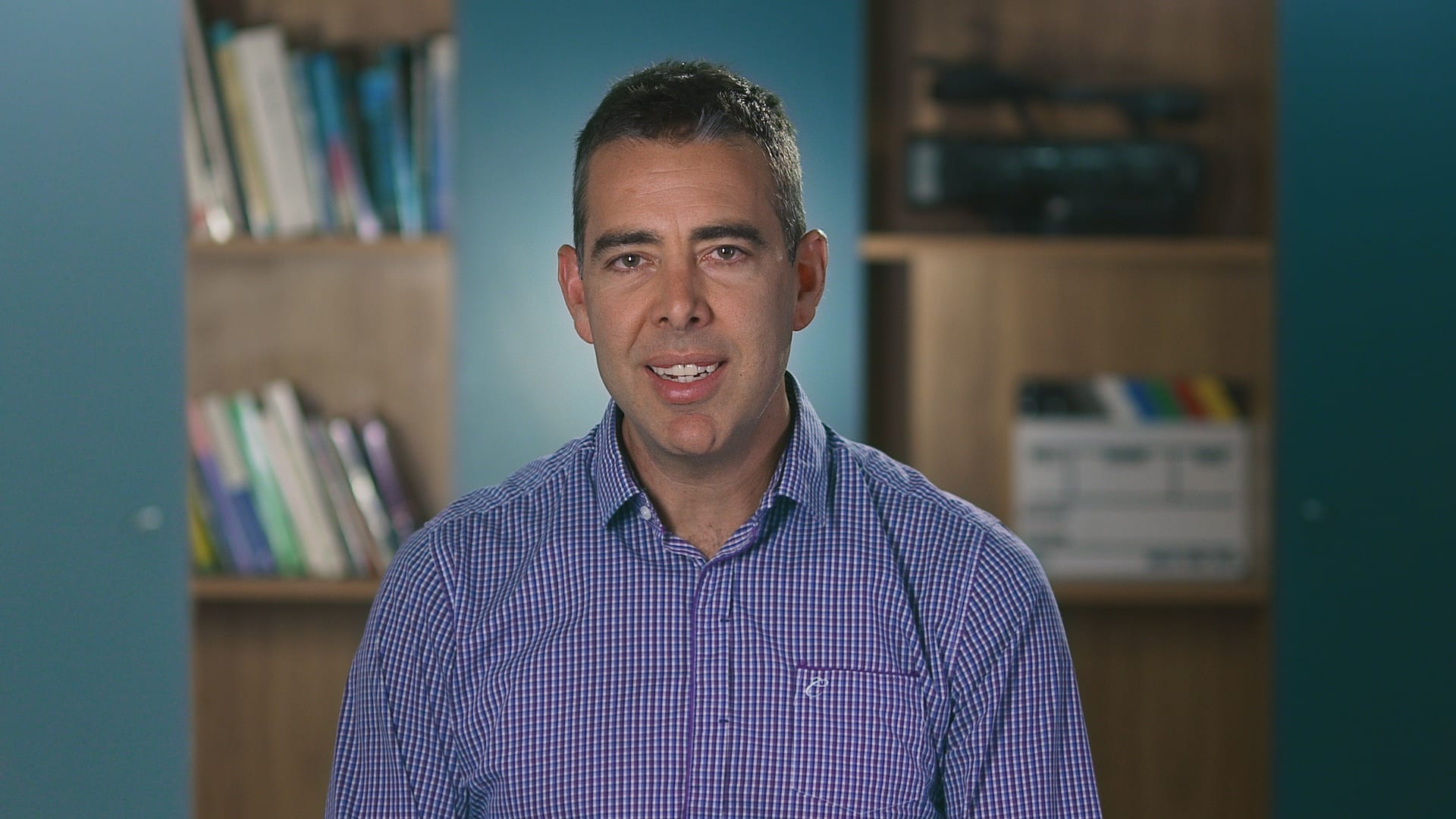
Ryan Spanger is the founder and managing director of Dream Engine, a Melbourne video production company established in 2002. Over the past two decades, he’s produced hundreds of videos for businesses, government departments, universities and healthcare organisations across Australia. Ryan specialises in helping organisations explain complex ideas through clear, engaging video content, with particular experience in corporate communications, training and education.