In this guide
After lead generation brings someone to your business, they may still need to understand your offer before deciding whether to enquire or buy. Video can help explain the details, show relevant work and make the next step easy to find.
How video can support a decision
By the time someone reaches the point of considering your offer, they already have a sense of your business. They have seen your branding, your content, or your work. The goal now is to build enough confidence and clarity to help them take the next step. Video marketing can help you:
- Clarify your offer by explaining it in simple, human language
- Show your personality and culture so viewers feel connected to the people behind the brand
- Show relevant evidence through documented results, case studies or demonstrations
- Explain the next step and what it involves
Choose the information around the decision the viewer is making. A video cannot resolve a mismatch in budget, timing or service fit.
Build Relationships Through Video
Some prospects need several conversations before deciding. If you have already attracted a lead and nurtured them with helpful content, use the next video to address what they still need to know. Avoid repeating the same introduction at every stage.
Types of Videos That Help Convert Leads
Different types of videos can support conversion at different points in your funnel. Options include:
- Case study videos that show how you solve real problems for real clients
- Offer walkthroughs that explain your service in plain language
- Behind-the-scenes videos that reveal your process and build trust
- Onboarding previews that show what working together is like
- Founder or team videos that humanise your business
Choose the format that answers the prospect’s question.

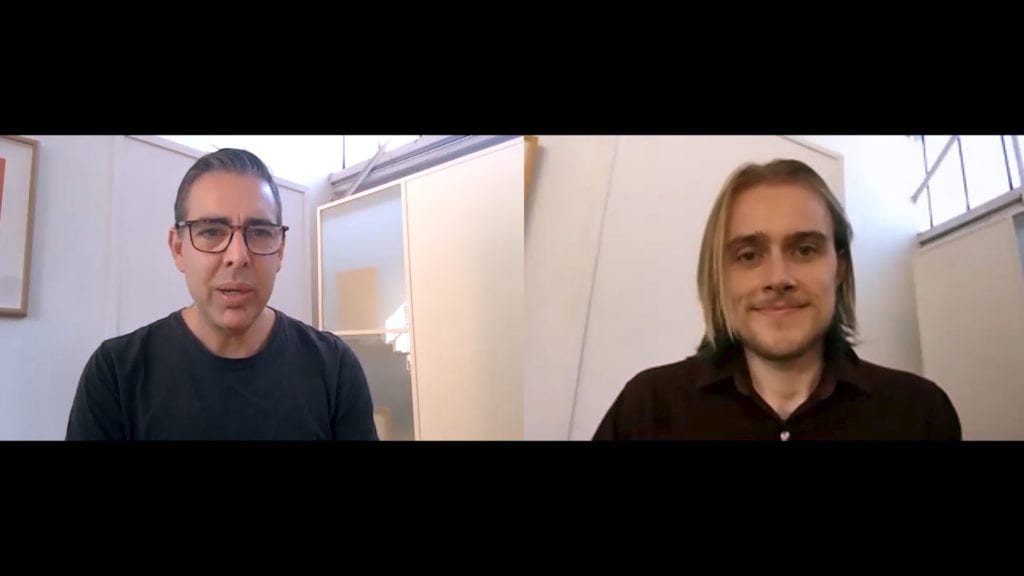
Personalised Video Messages
A personalised video can be useful when a prospect asks for an explanation or demonstration. Address their question directly and include a written summary or link they can refer to. Use an email instead when the information is easier to read or needs to be compared in detail.
Using Automation to Support the Conversion Process
Email and CRM tools can schedule follow-up messages or trigger them from recorded actions, depending on the software and integrations. For example, a guide download could lead to a related explanation. Choose the timing carefully and do not assume that watching a video means someone is ready for a sales call.
The Goal of Video Marketing
Give the viewer the information they need to assess the offer and a clear next step if it suits them. Track relevant enquiries or purchases to assess the result, alongside the rest of the sales process.
Your Next Step
If you would like help designing a video marketing strategy that supports your lead conversion process, visit our Video Marketing page or contact Dream Engine.
Decisions and follow-up
Lead conversion video: frequently asked questions
Choosing the format and measuring useful actions.
What types of videos work best for lead conversion?
Case studies, offer walkthroughs, testimonials, personalised explanations and behind-the-scenes videos are useful options. Choose based on the question or concern that is stopping the prospect from deciding.
How long should a conversion-focused video be?
Use the time needed to answer the question, then remove repetition. A short explanation may be enough; a detailed demonstration may need longer. Check where viewers stop watching and what they ask afterwards.
Do I need expensive equipment to create these videos?
Not necessarily. Many effective conversion videos are simple, direct, and personal. Professional production adds polish when needed, but the video needs to be clear and natural.
How do I measure whether the video is converting?
Track relevant actions such as link clicks, form submissions, booked calls or replies. Compare these with the number of people reached and use consistent tracking. An association with a video does not by itself establish that the video caused the action.
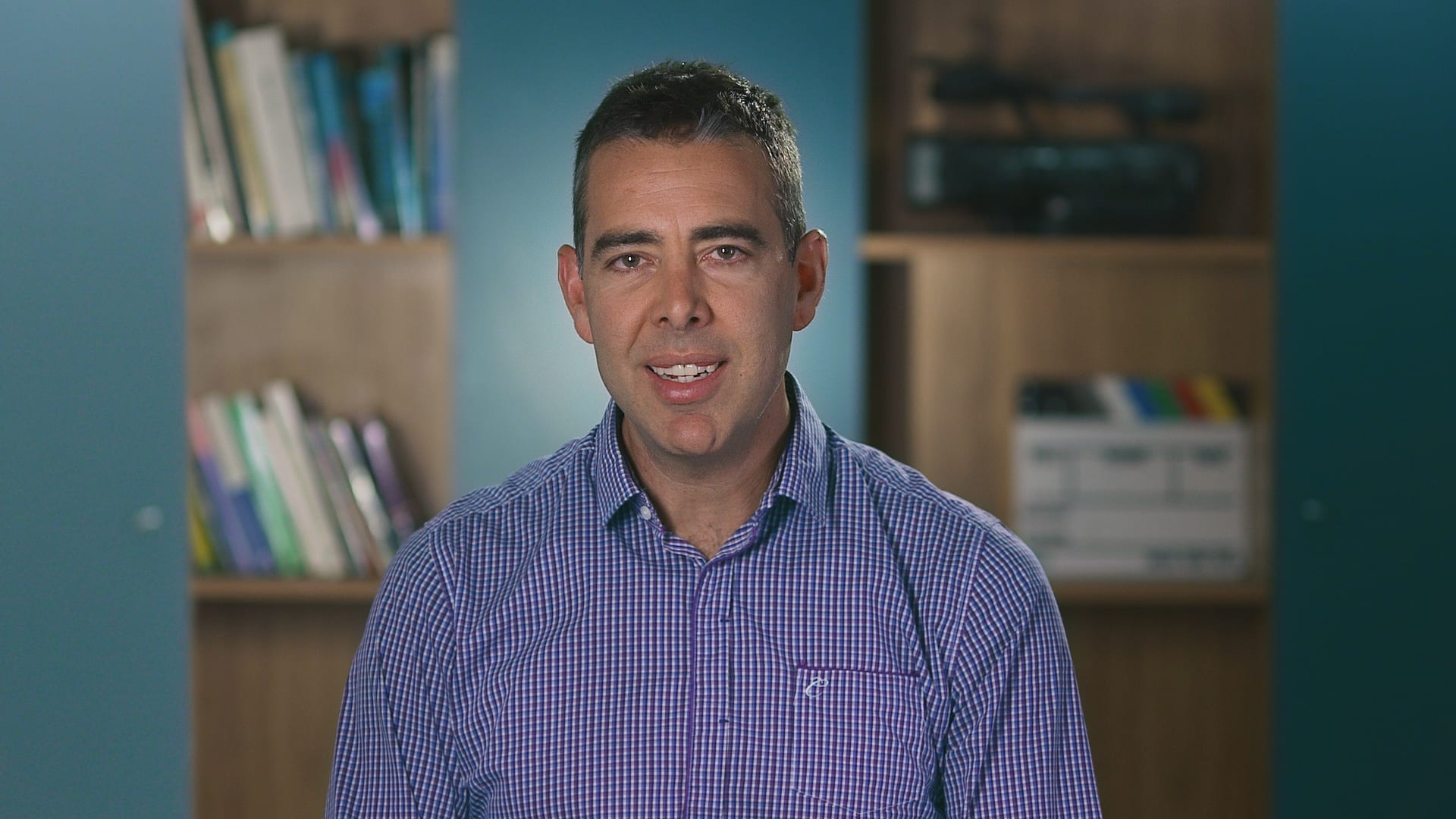
Ryan Spanger is the founder and managing director of Dream Engine, a Melbourne video production company established in 2002. Over the past two decades, he’s produced hundreds of videos for businesses, government departments, universities and healthcare organisations across Australia. Ryan specialises in helping organisations explain complex ideas through clear, engaging video content, with particular experience in corporate communications, training and education.