Once someone becomes a lead, they still have questions. They know who you are and are open to learning more. They want to understand how you work and who is behind the business, so they can feel confident about choosing you.
This is where video marketing can help. You can answer questions, explain your services and help people see whether you are the right fit. A useful video can give a lead information they need before they speak to your sales team.
How video can help nurture a lead
Nurturing a lead means responding to their questions as they consider your service. Video lets them see how you explain a subject or approach a problem before speaking with you.
Video can also make a complex service easier to explain. You can demonstrate a process or talk through a common question, giving the lead a useful starting point for a conversation.
Thought Leadership Videos
A simple way to nurture leads is to share short, useful videos that demonstrate your knowledge. Focus on practical insights that help your audience understand an idea more clearly. When you appear on camera, you show personality as well as expertise, which gives people a sense of who they would be working with.
Marketing teams often use thought leadership videos in follow-up emails or on LinkedIn. They give people a reason to stay in touch with your business. When a salesperson follows up, they can build on the topics covered in the videos.
Testimonial and Case Study Videos
A lead may want to hear from a client who faced a similar challenge. A well-structured case study video lets a client explain their experience in their own words. It shows the problem, the process and the result, with specific details from the project.
These videos can be useful between initial interest and a formal sales conversation. They help a lead understand the types of organisations you work with and the results you deliver.
Short Documentary-Style Content
Some businesses choose to go deeper and create a short documentary about their work, their culture, or their values. It gives your audience a closer look at the people, decisions and day-to-day work behind your business.
Interviews and footage of your team at work can show how you put your values into practice. That gives a lead something specific to consider when deciding whether to work with you.
Using Video Throughout Your Nurture Journey
Video can appear at almost any stage of your nurture process. Some companies share a series of short educational pieces. Others build a library of client stories. Many incorporate simple videos into email sequences, proposals, or follow-up messages from the sales team.
Choose videos that address the questions your leads are asking. One well-timed video can answer a prospect’s question and help them decide what to do next.
Plan when to send each video
Email software can help you plan a series of follow-up messages. Tools like HubSpot, ActiveCampaign, or newsletter software with scheduling features can send links to videos at stages that match your sales cycle. You can send a welcome video after someone downloads a resource, a testimonial video a few days later, and a process video when someone asks how you work.
Some teams also use short personalised videos recorded on a phone or webcam. A short message that addresses a specific question can make a follow-up feel more personal.
Examples From the Field
Healthcare organisations use nurture videos to help the public understand complex subjects. Financial firms rely on expert commentary to build credibility. Construction and industrial clients share behind-the-scenes videos that help prospects see their standards and processes. In each case, the video gives people information they can use when deciding whether to make an enquiry.
Keep the Conversation Going
You can keep in touch with leads by responding to what they need to know. Your audience receives a series of useful, relevant videos over time. Each one answers a question, removes uncertainty, or explains a key part of your process. By the time they speak to you, they may already understand how you work and what you offer.
If you want to see how nurturing fits within a complete marketing system, you may find our guide helpful: Video Marketing Melbourne.
If you would like help creating videos for your follow-up emails or sales conversations, talk to us about the questions your leads ask most often.
Frequently Asked Questions
Why is video effective for lead nurturing?
Video helps people understand who you are and how you work. It can answer questions, demonstrate your process and introduce your team. This gives leads useful information to consider before they speak to you.
What types of videos work best for nurturing leads?
Short educational videos, case studies, testimonials and documentary-style videos are all useful options. Each format helps your audience understand your expertise, your process, and the results you deliver.
How should we use video throughout our nurture sequence?
You can place videos in follow-up emails, LinkedIn posts, proposals, and welcome sequences. The aim is to help people make steady progress by giving them useful information at the right moment.
Do nurture videos need to be high-end productions?
Not always. Some videos benefit from a full production approach, but simple webcam or phone videos can feel personal and work well in early-stage nurture. Keep the video clear and relevant to the recipient.
Can video help shorten our sales cycle?
It can help by answering common questions before a sales conversation. A lead who already understands your work may need less explanation, but the time it takes to decide also depends on their budget, priorities and approval process.
Which tools are useful for delivering nurture videos?
Platforms like HubSpot and ActiveCampaign, or newsletter software with scheduling features, can send links to videos as part of your follow-up emails. Choose the timing and content to suit the questions leads ask at each stage.
What industries benefit most from nurture video content?
Healthcare, finance, construction, education, and professional services use nurture videos to explain complex ideas, build trust, and show their standards. Any organisation that relies on informed decisions can benefit.
How do we measure the impact of nurture videos?
Track views, link clicks, replies and progress through your sales pipeline. Ask leads which information helped them. These measures can show how videos are used, but do not establish that a video caused a sale.
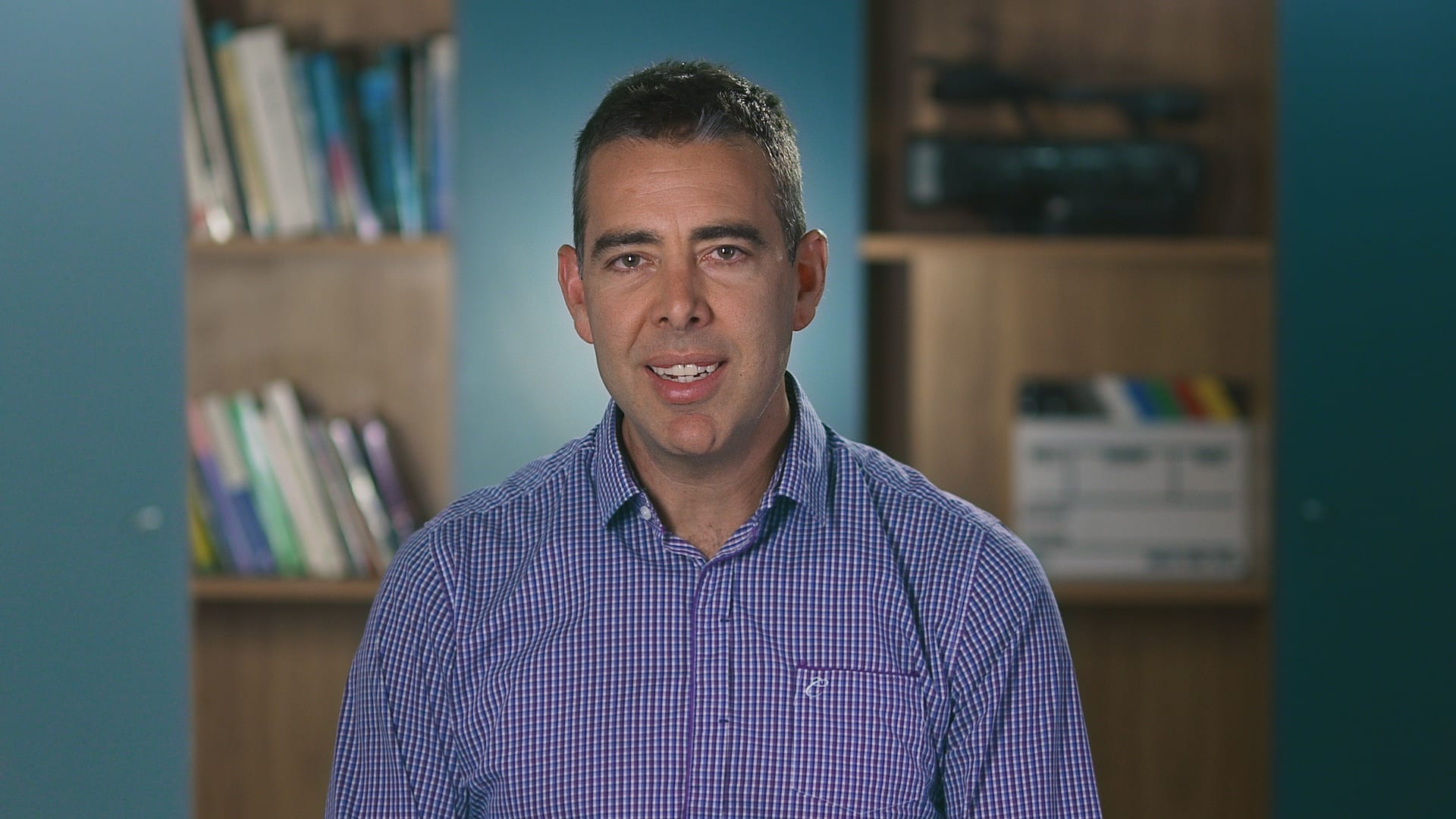
Ryan Spanger is the founder and managing director of Dream Engine, a Melbourne video production company established in 2002. Over the past two decades, he’s produced hundreds of videos for businesses, government departments, universities and healthcare organisations across Australia. Ryan specialises in helping organisations explain complex ideas through clear, engaging video content, with particular experience in corporate communications, training and education.