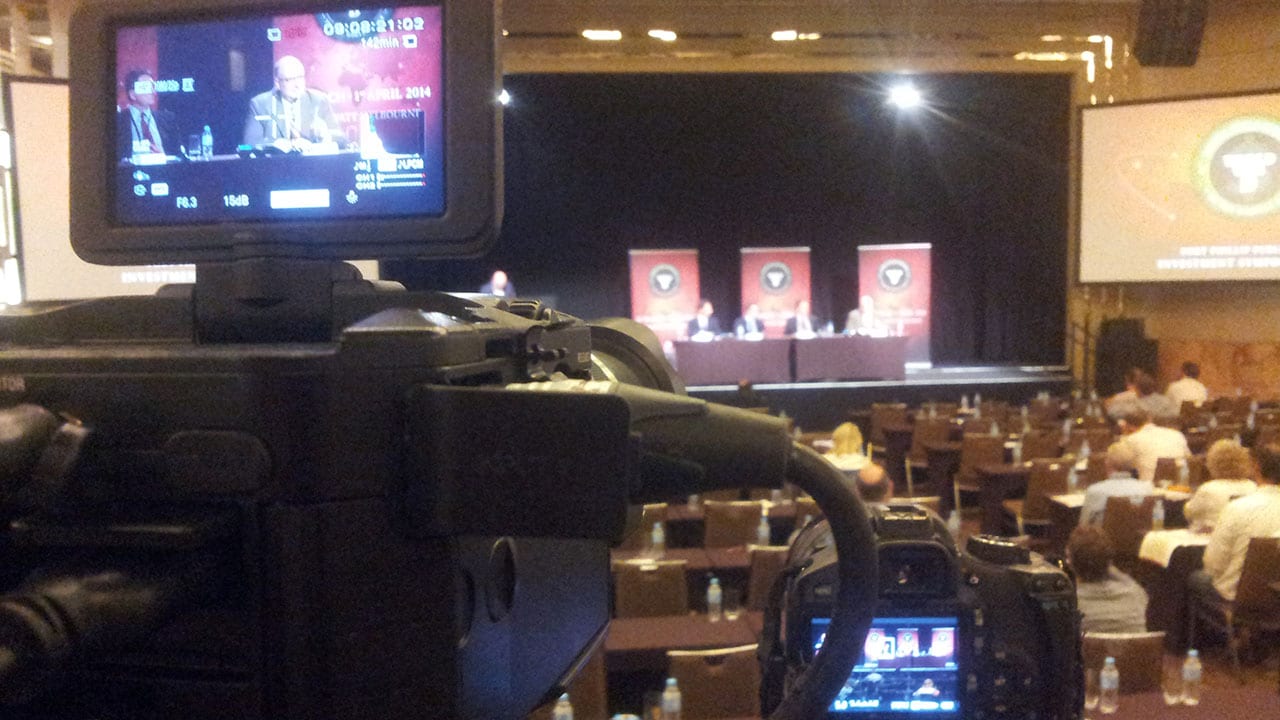
A same-day edit video is filmed, edited and delivered during the event itself, often being shown to attendees before they leave the venue.
Rather than waiting days or weeks for post-production, a same-day edit allows organisers to capture the energy of an event while it is still happening. The finished video is typically shown during the closing session, awards presentation or final keynote, creating a memorable conclusion that reflects what happened throughout the day.
Same-day edits are commonly used at conferences, leadership summits, awards nights, incentive events, product launches and corporate celebrations. They require careful planning, experienced crew members and a well-organised workflow. As a specialised form of event video production, they are often used to create a strong final moment while attendees are still in the room.
Why Organisations Use Same Day Edit Videos
A successful event often generates strong conversations, useful content and memorable moments. The challenge is that these moments can quickly disappear once attendees leave the venue.
A same-day edit brings those moments together into a single story. By showing attendees a professionally edited highlights video before the event concludes, organisers can reinforce key messages, celebrate the experience and give the audience a strong final impression.
When Is a Same Day Edit Worth It?
A same-day edit is most useful when the event has a strong emotional arc or when the organisers want to finish with a memorable shared moment. It can work well for leadership forums, multi-day conferences, awards nights, incentive events, product launches and major internal company gatherings.
It may not be necessary for every event. For a short presentation or small internal update, a standard event recording or highlights video may be more practical. The same day edit becomes valuable when the final video adds something meaningful to the event itself, rather than simply documenting it afterwards.
How Same Day Edit Videos Work
A same-day edit requires more preparation than a standard event video. The production team needs to understand the event schedule, key speakers, important moments, branding requirements and delivery deadline before the day begins.
During the event, the camera crew captures footage according to a planned shot list. This might include arrivals, networking, keynote moments, audience reactions, breakout sessions, signage, sponsor branding and interviews. The footage is then transferred to an editor throughout the day, rather than waiting until the event has finished.
The editor works while the event is still happening. This means the filming team and editing team need clear communication, fast file transfer and a shared understanding of the final video structure. There is very little room for confusion because the deadline is usually measured in hours, not days.
A Typical Same Day Edit Workflow
A same-day edit usually follows a tight production schedule. The exact timing depends on the event, but the workflow might look something like this.
- 7:00am: Crew arrives, checks the venue, confirms the schedule and sets up equipment.
- 9:00am: Event begins and the camera crew starts capturing arrivals, room details, branding and opening sessions.
- 11:30am: First batch of footage is transferred to the editor so the edit can begin while filming continues.
- 1:30pm: Additional footage is added, including audience reactions, speaker moments and networking shots.
- 3:30pm: Rough edit is assembled and reviewed against the required event messages and running time.
- 5:00pm: Final changes, music, graphics and playback file are prepared.
- 5:30pm: Finished video is played during the closing session or final presentation.
This kind of workflow only works when the plan is agreed before the event begins. The crew needs to know what matters most, and the editor needs footage early enough to build the story before the final deadline.
Case Study: Infosys Same Day Edit
One example was Dream Engine’s work for Infosys APAC Australia at their thought leadership forum, Confluence. The event brought together industry leaders, clients and partners to discuss emerging technologies, business strategy and digital transformation.
Throughout the day, our crew captured keynote presentations, audience engagement, networking sessions and technology demonstrations across multiple areas of the event. This allowed the final video to reflect both the formal program and the informal interactions that gave the conference its energy.
Same-day edits are one of the more demanding forms of event video production, as filming, file management and editing all need to happen at the same time while the event is still underway.
Because the final video needed to reflect the experience of the day while it was still fresh, careful planning was essential. Key moments were identified in advance, footage was transferred throughout the event, and the edit was assembled on a tight timeline.
The team pre-visualised and storyboarded the opening, closing and overall edit flow before the event. Music and supporting material were also selected in advance so the editor could work quickly once filming began.
A three-person crew covered the event: a camera operator, camera assistant and on-site editor. Every couple of hours, the assistant transferred a carefully selected batch of footage to the editor. Avoiding unnecessary overshooting made it possible to find the strongest moments and finish the video on schedule. The completed file was delivered to the venue AV team about an hour before its screening.
The finished video was shown as part of the event conclusion, allowing attendees to revisit the highlights of the day before leaving the venue. It also provided Infosys with a valuable content asset that could be shared internally and across digital channels after the event.
Client feedback:
“My experience of working with Dream Engine has been consistent for the past three events. The team is extremely professional, patient with demands, and delivers quality output. Over the years, they have grown to be one of our extremely dependable creative partners.”
Hareen DC
Vice President & Business Head
Showtime Events
Case Study: Magic: The Gathering Grand Prix
Another example was a live event video Dream Engine filmed for the Magic: The Gathering Grand Prix. The event included an escape room activation designed to give players hints about an upcoming card release.
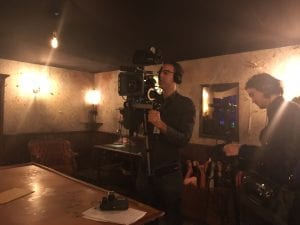
The escape room was a dimly lit, gothic-style space with flickering lights and a puzzle for participants to solve. Because the room was dark and the event was moving quickly, the filming setup needed to be mobile and capable of working in low light.
The event organisers provided a shot list that included coverage of the escape room, player reactions and supporting footage from the day. This allowed the crew to plan the filming schedule carefully and capture the moments the producers needed for the final edit.
Mobility was important because the crew needed to move quickly through a large convention centre. A lightweight camera rig, follow focus and onboard sound setup allowed the operator to reframe quickly while still capturing usable footage.
As the edit was being handled by producers in the United States on a very tight deadline, the footage needed to be selective and organised. Rather than overshooting, the crew followed the shot list closely and only captured additional material when it clearly added value.
The footage was transferred digitally for an edit the next day. To speed up the process, low-resolution proxy files were recorded and uploaded first, allowing the editors to begin work before the full-resolution files had finished transferring.
This project shows how important planning, file management and clear communication become when footage needs to be edited quickly after a live event.
Common Challenges With Same Day Edits
The biggest challenge with a same-day edit is time. The filming team needs to capture strong footage, the editor needs to assemble the story, and the final video needs to be checked and delivered before the scheduled playback time.
Another challenge is deciding what not to film. Overshooting can slow down the edit and make it harder to find the strongest moments. A clear shot list helps the crew capture what matters without creating unnecessary material for the editor to sort through.
Audio, lighting and file transfer also need to be considered before the event. If the team waits until the day to solve these issues, the edit can fall behind quickly.
Planning a Successful Same Day Edit
A successful same day edit starts well before the event begins. The production team should know the schedule, the key moments, the required length of the final video, the delivery time and where the video will be shown.
It is also important to decide whether the same-day edit needs interviews, sound bites, music, graphics or branding. Each of these elements affects the filming plan and the editing workflow.
If you are considering a same-day edit for a conference, leadership event or corporate celebration, careful planning is essential. You can learn more about our Melbourne event video production services.
For a broader look at event video planning, you may also find our guide on how to plan a successful event video useful.
About the Author
This article was written by Ryan Spanger, founder of Dream Engine. Ryan has worked in video production for more than 20 years and has overseen event video productions for global brands, Australian businesses, government departments and not-for-profit organisations.
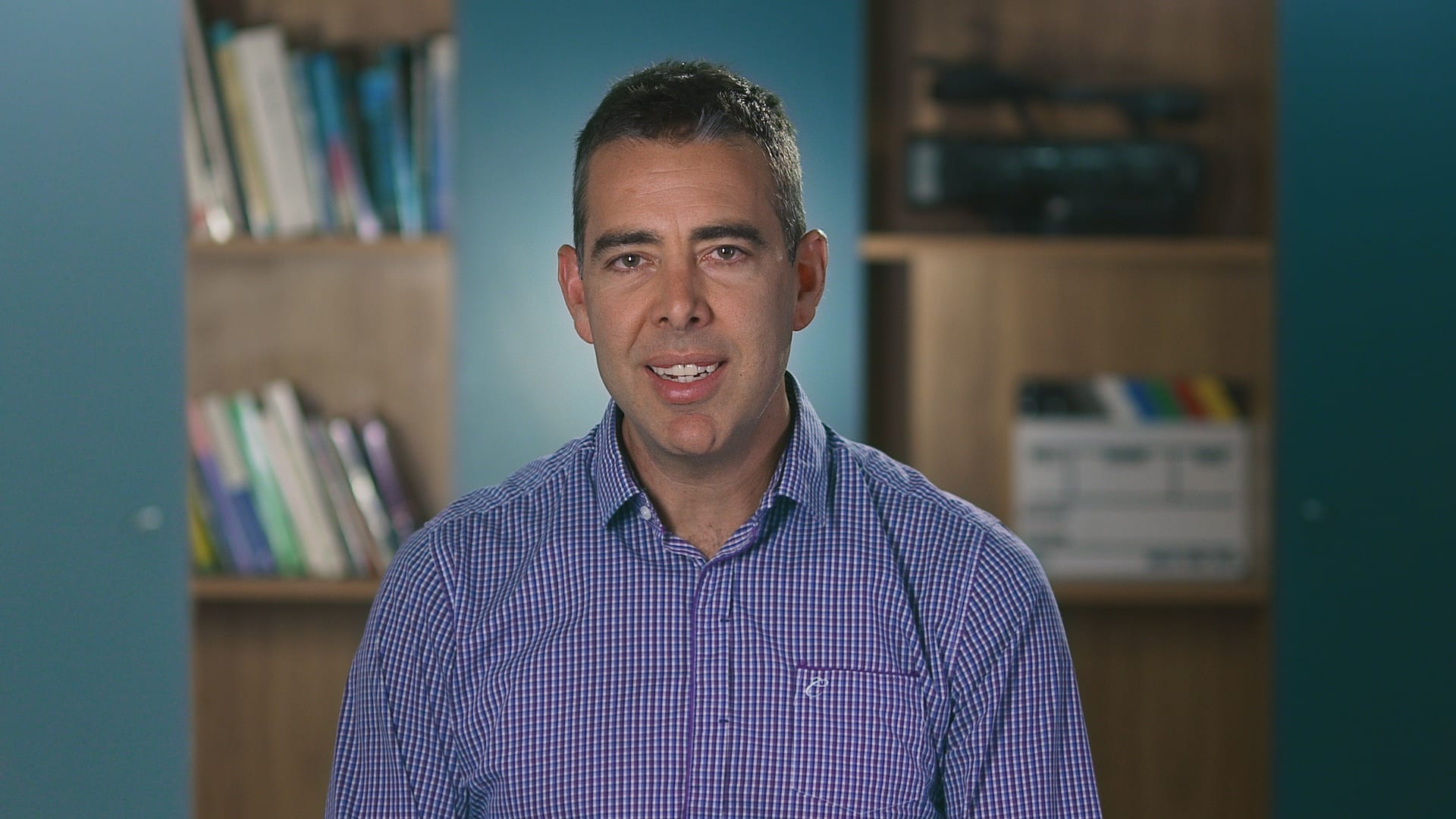
Ryan Spanger is the founder and managing director of Dream Engine, a Melbourne video production company established in 2002. Over the past two decades, he’s produced hundreds of videos for businesses, government departments, universities and healthcare organisations across Australia. Ryan specialises in helping organisations explain complex ideas through clear, engaging video content, with particular experience in corporate communications, training and education.