A polished edit can change how a viewer feels about your business. Clients often focus on cameras, lighting and production days, but much of the real work happens afterwards. Editing is where the story forms. It is where clarity emerges. It is where the message becomes strong enough to hold a viewer’s attention.
If you are searching for a video editor in Melbourne, it helps to understand what happens in the edit suite. These principles shape the work we do at Dream Engine and form the foundation of every project, from high-profile corporate videos to training content and case study interviews.
Why Editing Matters
Editing is more than stitching shots together. It shapes emotion and guides attention. A good edit helps a viewer understand what matters and why. It cuts away what is unnecessary, reveals what is essential and delivers information in a way that feels natural to follow.
In business videos, attention is precious. Executives, staff, investors and customers expect content that respects their time. A strategic edit ensures the video flows smoothly, avoids confusion and keeps the viewer connected from the first frame to the final message.
The Principles We Use at Dream Engine
These seven principles guide the way we edit. They are simple to understand and apply to almost any type of video.
Take the Viewer on a Journey
Every strong video has movement. It leads the viewer from one moment to the next with purpose. Even corporate content benefits from a sense of progression. A viewer wants to feel that the story is going somewhere and that each scene connects to the next. When the pacing feels right, people stay engaged.
Tension and Release
Every story needs variation. If the pacing stays flat, attention fades. Tension can be as subtle as presenting a problem early on or as obvious as a moment of anticipation before a reveal. Release arrives when the viewer receives the answer they have been waiting for. This rhythm keeps people watching, even in factual or instructional content.
Wide to Close (and When to Break It)
Most scenes naturally move from wide shots to tighter ones. A wide frame shows context. A mid shot reveals behaviour. A close up shows emotion. These shifts help the viewer settle into the story without confusion.
There are moments where starting close is more effective. A personal interview, an emotionally charged moment or a quick, energetic opening can pull a viewer in faster. Knowing when to follow the rule and when to break it is part of the craft.
Trial and Error
Editing is not a straight line. It is a process of testing, comparing, adjusting and refining. Modern editing tools allow editors to explore variations quickly. This freedom encourages experimentation. Sometimes the right solution appears on the tenth attempt rather than the first. The willingness to test ideas is a sign of a confident editor.
Creating Meaning Through Shot Selection
A shot gains meaning from the shot placed beside it. This principle sits at the heart of editing. A simple cut from a person speaking to an image of their workplace instantly changes how the viewer understands that person’s story. The order of shots shapes interpretation. Small adjustments can shift the message, tone or emotional impact.
Editing Is a Series of Choices
An edit contains thousands of decisions. Which shot feels right. How long it should stay on screen. When to cut. When to hold. Strong editors move forward rather than getting stuck on a single moment. They refine, adjust, step back and pass through the edit again until the piece feels complete. The result is clarity and confidence in the final cut.
The Three Act Structure
Even business videos benefit from a clear beginning, middle and end. A structured narrative helps viewers understand context, follow the information and remember the key message. The structure does not need to be dramatic. It simply needs to guide the viewer logically from introduction, to development, to conclusion.
Beyond Technique: The Human Side of Editing
Editing also relies on sensitivity. An editor must understand when to hold a moment, when to give it space and when to move on. Tone matters. Authenticity matters. Respect for the viewer matters. A thoughtful edit preserves the integrity of the story and the people within it.
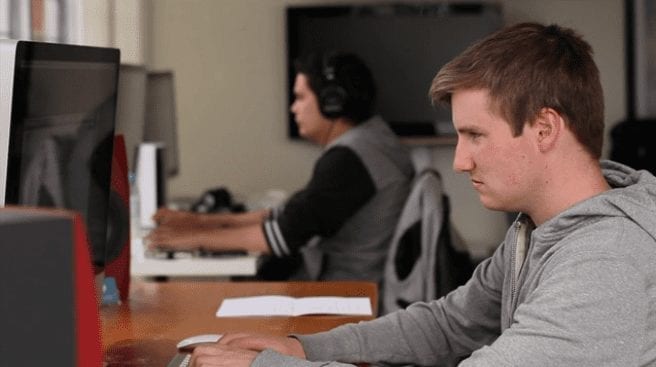
How We Edit at Dream Engine
Our approach is clear and straightforward.
- Brief and goals: We begin by understanding the purpose of the video and the audience it needs to reach.
- Assembly: We review the material and build a first structure that makes sense of the story.
- Rough cut: The scenes take shape. Pacing and sequence start to form.
- Refinement pass: The story becomes sharper. Transitions tighten. Meaning becomes clearer.
- Sound and colour: Music, audio balancing, colour correction and final polish lift the quality of the video.
- Delivery: We export the video in the formats you need for internal communications, websites, social media and live events.
Feedback is welcome, and we handle revisions with care and efficiency. The goal is always a result that feels right and serves your business.
Choosing the Right Video Editor in Melbourne
If you are evaluating editors or production companies, look for a team that:
- Understands storytelling
- Can explain their editing choices
- Has experience across corporate, training and case study formats
- Communicates clearly
- Delivers consistent results
- Respects timelines and budget
Editing skill shows up not only in the final product but in the process that leads there.
Work With a Professional Video Editor
If you are planning a project and want an experienced video editor in Melbourne who understands business needs and produces work with clarity and confidence, we can help. Dream Engine brings years of experience and a thoughtful approach to every stage of production.
You can speak with us about your upcoming project at any time.
Video Editing – Frequently Asked Questions
What does professional video editing actually involve?
Professional editing goes beyond cutting shots together. It includes shaping the story, controlling pacing, balancing audio, selecting music, refining performance moments, colour correction, and preparing the video for its intended platform. The goal is clarity and engagement, not just technical polish.
Why does editing have such a big impact on how a business is perceived?
Editing controls how information is revealed and how a viewer feels while watching. A considered edit feels confident, clear and easy to follow. A poor edit can feel confusing, rushed or flat, which reflects poorly on the business behind it.
How long does the editing process usually take?
Timeframes vary depending on the length and complexity of the video. A short business video may take several days of editing, while larger projects can take one to two weeks or more. We confirm timelines upfront so expectations are clear.
Can you edit footage that was filmed by someone else?
Yes. We regularly work with client-supplied footage. As long as the material is technically usable, we can shape it into a clear, professional edit that aligns with your goals and audience.
How much input do clients have during the edit?
Clients can be as involved as they like. Some prefer to review and provide feedback during key stages, while others prefer us to take the lead and present a refined cut. We guide the process and handle revisions carefully.
What formats will the final video be delivered in?
We supply videos in the formats you need, whether that is for internal presentations, websites, social media, learning platforms or live events. Delivery requirements are discussed early so nothing is missed.
Why work with a professional video editor instead of editing in-house?
An experienced editor brings objectivity, storytelling skill and technical control. This leads to a clearer message, better pacing and a stronger overall result, often saving time and avoiding costly rework.
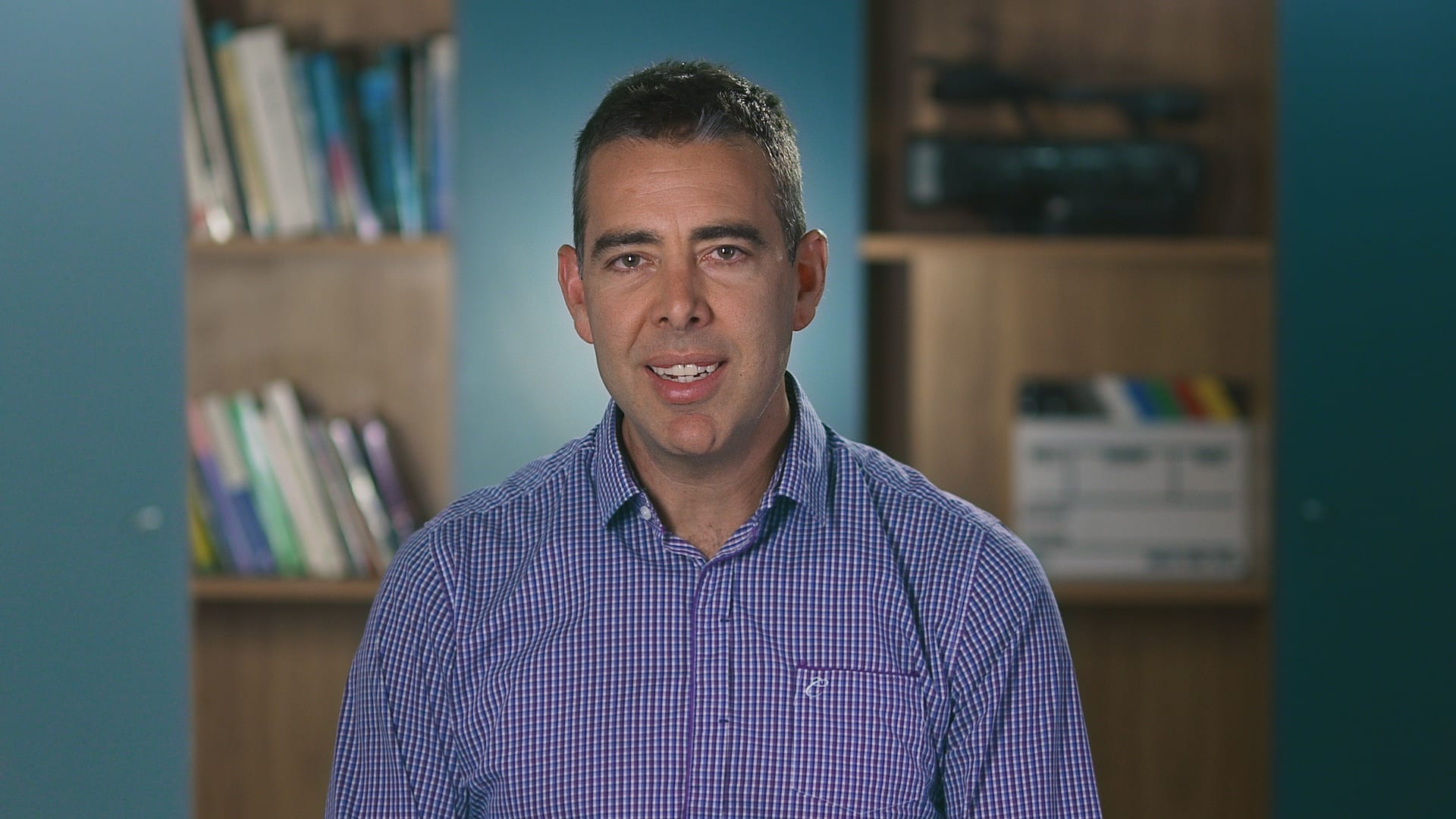
Ryan Spanger is the founder and managing director of Dream Engine, a Melbourne-based video production company established in 2002. With more than two decades of experience, Ryan has helped leading Australian businesses, government departments, and non-profits communicate their message with clarity and impact through video. He’s known for his strategic approach, reliable process, and commitment to producing videos that deliver measurable results.