Writing a strong video script is not about clever lines or dramatic structure. It is about clarity.
Most scripts fail because they try to do too much. They chase emotion before meaning. They copy advertising tropes instead of solving a communication problem.
At Dream Engine, scripting is where the outcome of the video is decided. Not in the edit. Not in the shoot. On the page.
Start With the Real Goal
Before a word is written, you need to be clear on what the video is meant to do.
Not “raise awareness.” Not “tell our story.”
What should happen after someone watches it?
- Should they understand a complex product?
- Should they feel confident choosing you?
- Should they take a specific next step?
If the goal is unclear, the script will wander. A good script is written with a single outcome in mind and everything else is removed.
Write for Clarity First, Emotion Second
Emotion matters, but it only works when the message is clear.
Viewers connect when they recognise a problem that feels familiar and see a credible way through it. That is where emotion comes from. Not from dramatic language.
If the product or service makes life easier, faster, safer, or less stressful, show that through a situation people recognise.
- Give the problem to a real person.
- Let the audience see the friction before the solution appears.
- Keep dialogue natural and restrained.
Depth comes from relevance, not theatrics.
Keep It Short Because Attention Is Earned
Short videos perform better because they respect the viewer.
You do not have time to warm people up. You need to be useful quickly.
The opening moments should establish what this is about, why it matters, and why the viewer should stay.
Starting with the product or the problem it solves is often the most direct approach. If someone only watches part of the video, they should still understand the core message.
Every line that does not serve the outcome should be cut.
Write Visually, Not Literarily
A video script is not an essay.
If the information can be shown instead of said, show it.
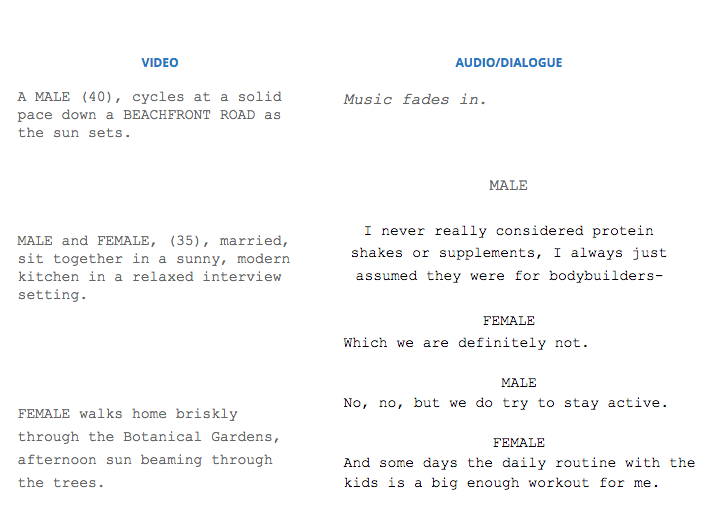
We often write scripts in a split format, showing visuals on the left and audio or dialogue on the right. This forces discipline and keeps the video visually active.
Graphics, b-roll, demonstrations, interviews, and simple on-screen text often communicate more clearly than narration.
Align Stakeholders Before You Start Writing
A script becomes the reference point for the client team and the production crew, so involve the right people early. Agree on the audience, the single communication goal, the approval process and the action viewers should take. Early alignment prevents conflicting feedback and expensive changes after filming.
Before drafting, gather the material that explains the subject properly: existing videos, brochures, website copy, brand guidelines, presentations, research and internal documents. Then separate what the audience genuinely needs to know from background information that belongs elsewhere.
- Who is the primary audience?
- What do they already understand?
- What should they think, feel or do after watching?
- Who must approve the message before filming?
Use a Two-Column Audio and Visual Script
For most corporate, training and explainer videos, a two-column format keeps the writing connected to what viewers will see. Put narration, dialogue and sound in an Audio column, then describe the corresponding interviews, action, graphics, demonstrations or on-screen text in a Visuals column.
This exposes lines that merely repeat the pictures and helps the team identify what must be filmed or created. Be specific: “moving close-up of the machine operating” gives the crew useful direction; “shots of equipment” does not. If an idea can be shown more clearly than it can be said, let the visual carry it.
Create Narrative Momentum
A business video does not need a dramatic plot, but it still needs progression. Introduce a recognisable problem or question, establish why it matters, and then lead the viewer towards a credible solution. Each section should create a reason to keep watching the next one.
Read the finished script aloud. Spoken language should feel simpler and more conversational than a report or brochure. Remove long sentences, formal phrases and anything that does not advance the message. Recording a rough read-through is also the quickest way to check timing before production begins.
End With a Clear Next Step
The call to action should feel like the natural conclusion of the video, not an afterthought.
What should the viewer do next? Visit a page, start a conversation, or learn more. Be specific, remind them who you are and what to do next, then stop.
If you are writing a presenter-led website video, our web video script formula provides a more specialised structure. You can also see how scriptwriting fits into our production process.
Why Scripting Matters
A good script saves time, budget, and stress. It keeps filming focused, simplifies editing, and ensures the final video does what it was commissioned to do.
This is why we treat scripting as part of the strategy, not a box to tick.
If you get the script right, everything downstream improves.
At Dream Engine Melbourne, we can work with you in creating a script for video or animation that speaks clearly to your audience.
For professional video production from scripting to post-production, contact Dream Engine Melbourne today.
Frequently Asked Questions
Do you help write scripts for corporate and animation videos?
Yes. We write scripts for corporate videos, product videos, training content, and animation. The approach is always based on the communication goal, not the format.
How involved do clients need to be in the scripting process?
As involved as you want to be. Some clients provide rough notes or talking points. Others ask us to take the lead and present a complete draft for review.
Can you work with existing scripts?
Yes. We often refine, restructure, or simplify existing scripts to improve clarity, pacing, and effectiveness before filming begins.
How long should a video script be?
Most business videos work best between 60 and 120 seconds. The script should be as long as it needs to be to achieve the goal and no longer.
When does scripting happen in the production process?
Scripting happens early. Before filming. Before schedules are locked. A clear script reduces risk and keeps production efficient.
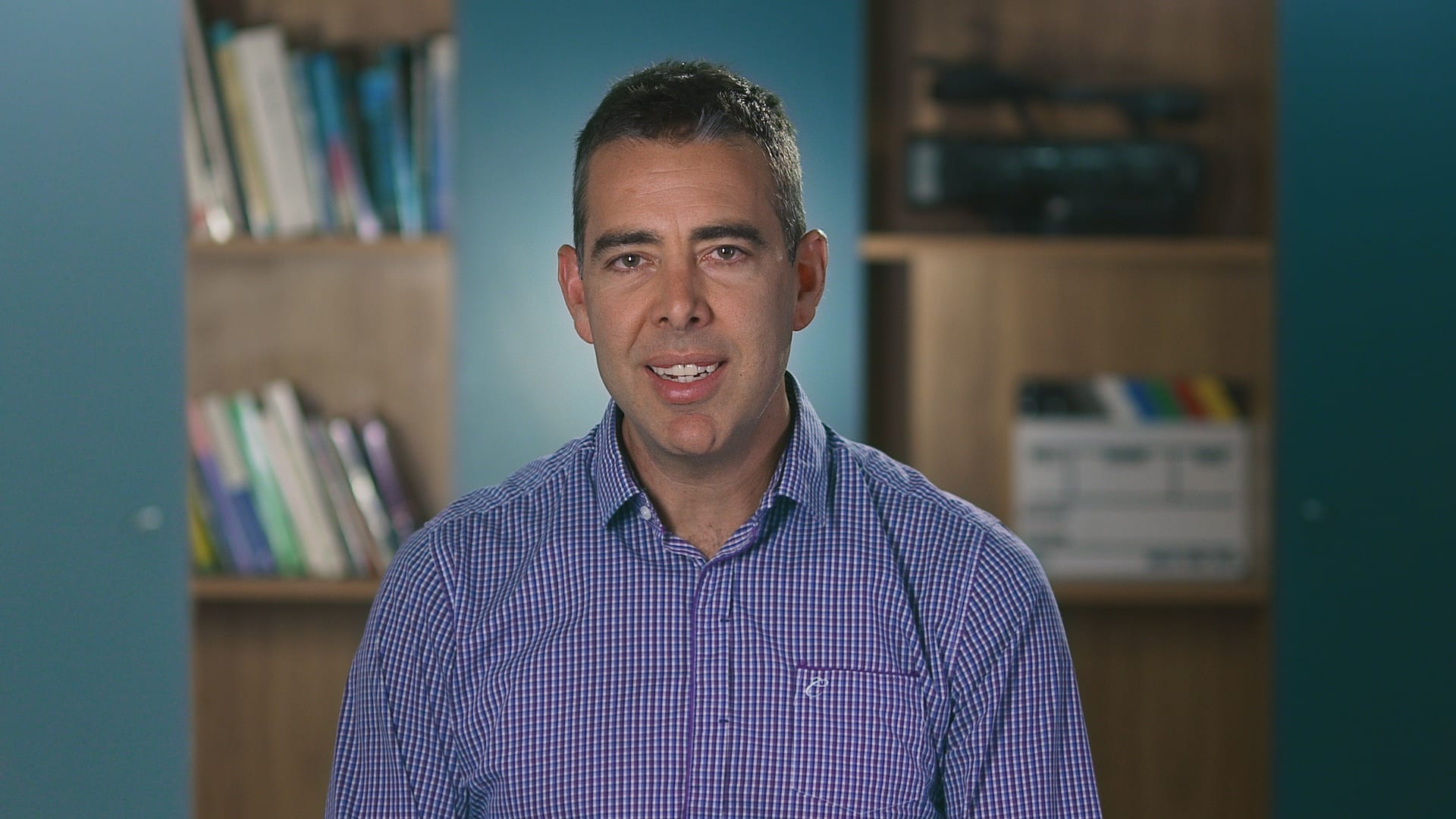
Ryan Spanger is the founder and managing director of Dream Engine, a Melbourne video production company established in 2002. Over the past two decades, he’s produced hundreds of videos for businesses, government departments, universities and healthcare organisations across Australia. Ryan specialises in helping organisations explain complex ideas through clear, engaging video content, with particular experience in corporate communications, training and education.