In this guide
Choosing a video production company is not always straightforward. On the surface, many suppliers look similar. Showreels look polished. Language sounds confident. Everyone claims to understand your brief. But there are some warning signs that tend to appear once a project is underway. These are not about budget or equipment. They are about judgement, priorities, and whether the production team understands that the video exists to serve your business, not their ego.
When the director turns up focused on themselves
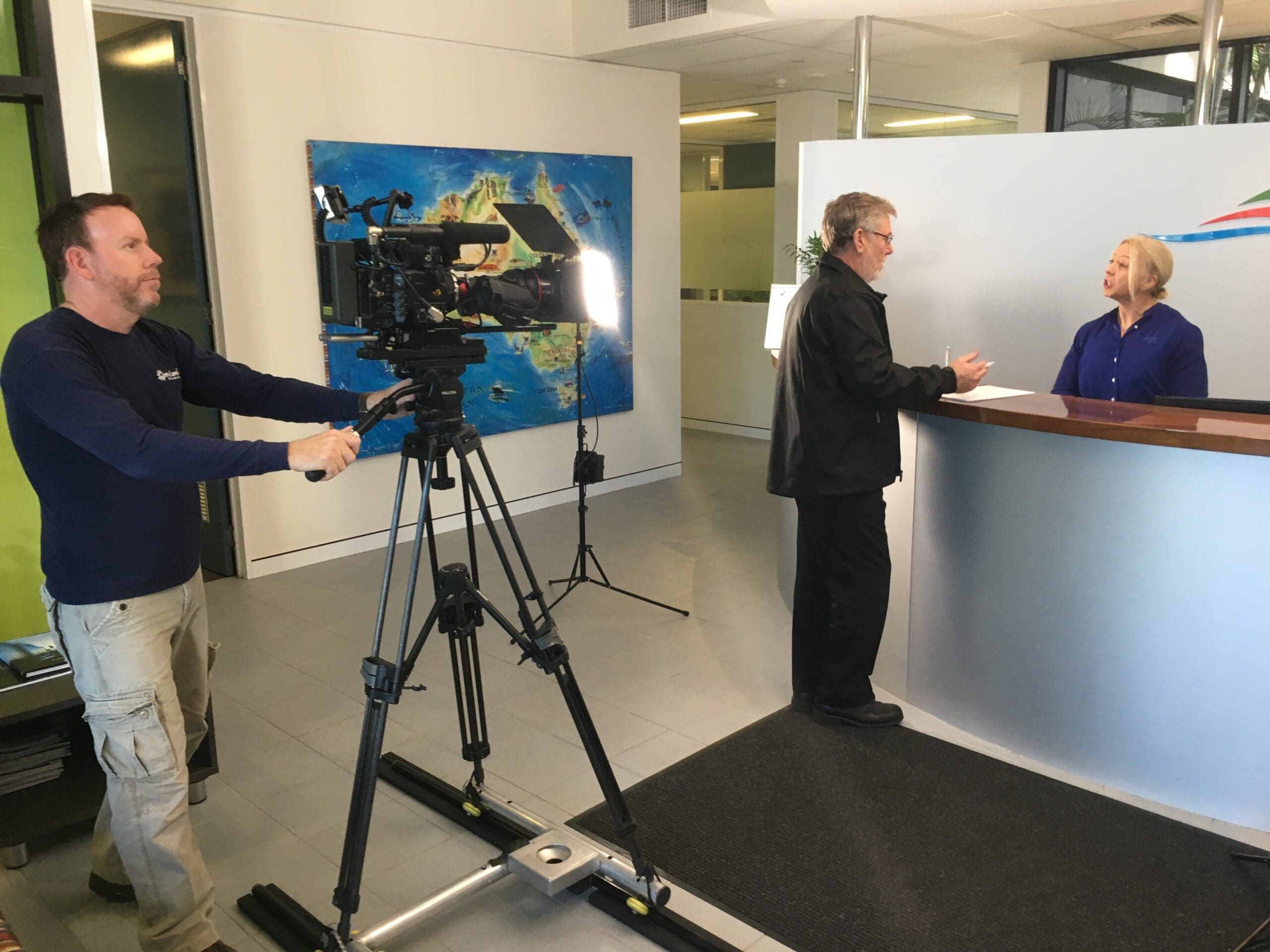
Creative confidence is important. Self-indulgence is not. If a director arrives on set more concerned with projecting a persona than understanding your objectives, that should give you pause. Years ago, I worked on a medical training video where the director became frustrated and abruptly grabbed the camera from the cinematographer. His solution was to announce, with great conviction, that the shoot needed to go handheld. He justified it by referencing Stanley Kubrick. The problem was not the camera movement. The problem was that the decision had nothing to do with the audience, the subject matter, or the purpose of the video. Good directors make creative decisions in service of clarity. Not because they want to feel cinematic.
When the crew talks about the reel before the result
You may hear someone say, “this will be great for the reel.” That can be harmless enthusiasm. It becomes a concern when the crew’s portfolio takes priority over the agreed brief. If excessive time is spent perfecting shots that do not materially improve the outcome for your audience, the priorities are wrong. The goal of the shoot should be effectiveness, not portfolio material. A professional production team understands that their best marketing comes from results, not aesthetics in isolation.
When a company promises viral video
If a production company tells you they make “viral” videos, be cautious. Virality is not a service. It is an outcome influenced by timing, distribution, relevance, and audience behaviour. Anyone guaranteeing it is oversimplifying the problem. A more credible conversation focuses on message clarity, audience fit, and how the video will be used once it is finished.
When problems are deferred to post-production
Some work belongs in post-production, including colour grading, graphics and planned visual effects. The warning sign is relying on editing to rescue avoidable problems without checking what is possible. If the crew proposes a fix later, ask what it involves, who will do it and whether it affects the budget or deadline. Clear planning helps everyone make that decision during filming.

What to look for instead
A good production company asks thoughtful questions. They are focused on your audience, your constraints, and how the video will be used. They take the work seriously, without taking themselves too seriously. Most importantly, they understand that their role is to make your job easier and your message clearer. That mindset is far more important than wardrobe choices, references to famous directors, or cinematic ambition.
If you are still comparing suppliers, our guide to avoiding the wrong corporate video company explains the checks to make before committing to a production partner.
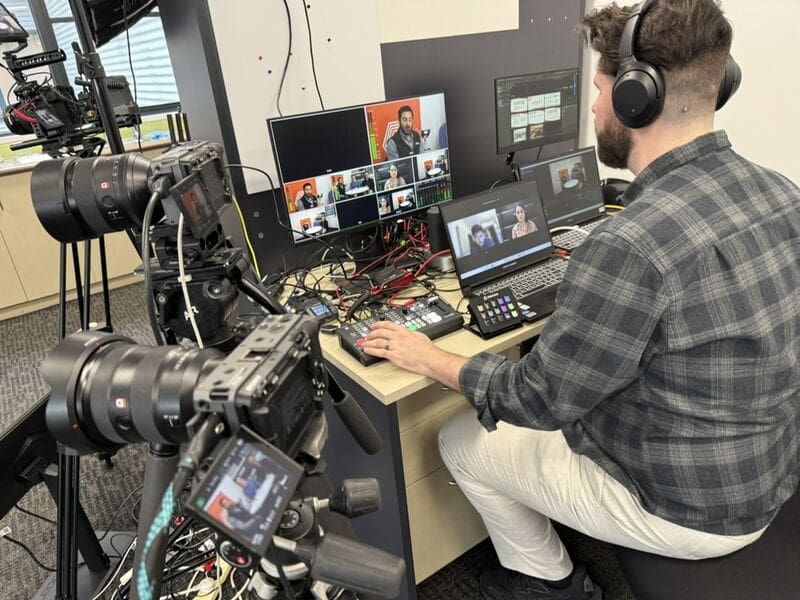
Our corporate video production service explains how we plan the brief, filming and delivery.
The brief comes first
Choosing a production company: frequently asked questions
Ask how the decisions serve the audience and purpose.
What should a production company ask before filming?
It should ask about the audience, purpose, constraints and where the video will be used. Those details should guide the creative decisions and practical production plan.
Can a production company guarantee a viral video?
No. Distribution, timing, relevance and audience behaviour affect whether a video spreads. Ask for a plan based on the audience and intended use rather than a guarantee of virality.
What should we ask when a problem will be fixed in editing?
Ask what the fix involves, who will do it and whether it changes the budget or deadline. Some work belongs in post-production, but avoid relying on a later fix without checking what is possible.
How can we tell whether a creative choice serves the brief?
Ask what the choice helps the audience see or understand. A production team should be able to connect its approach with the agreed purpose, rather than its own portfolio or a stylistic reference alone.
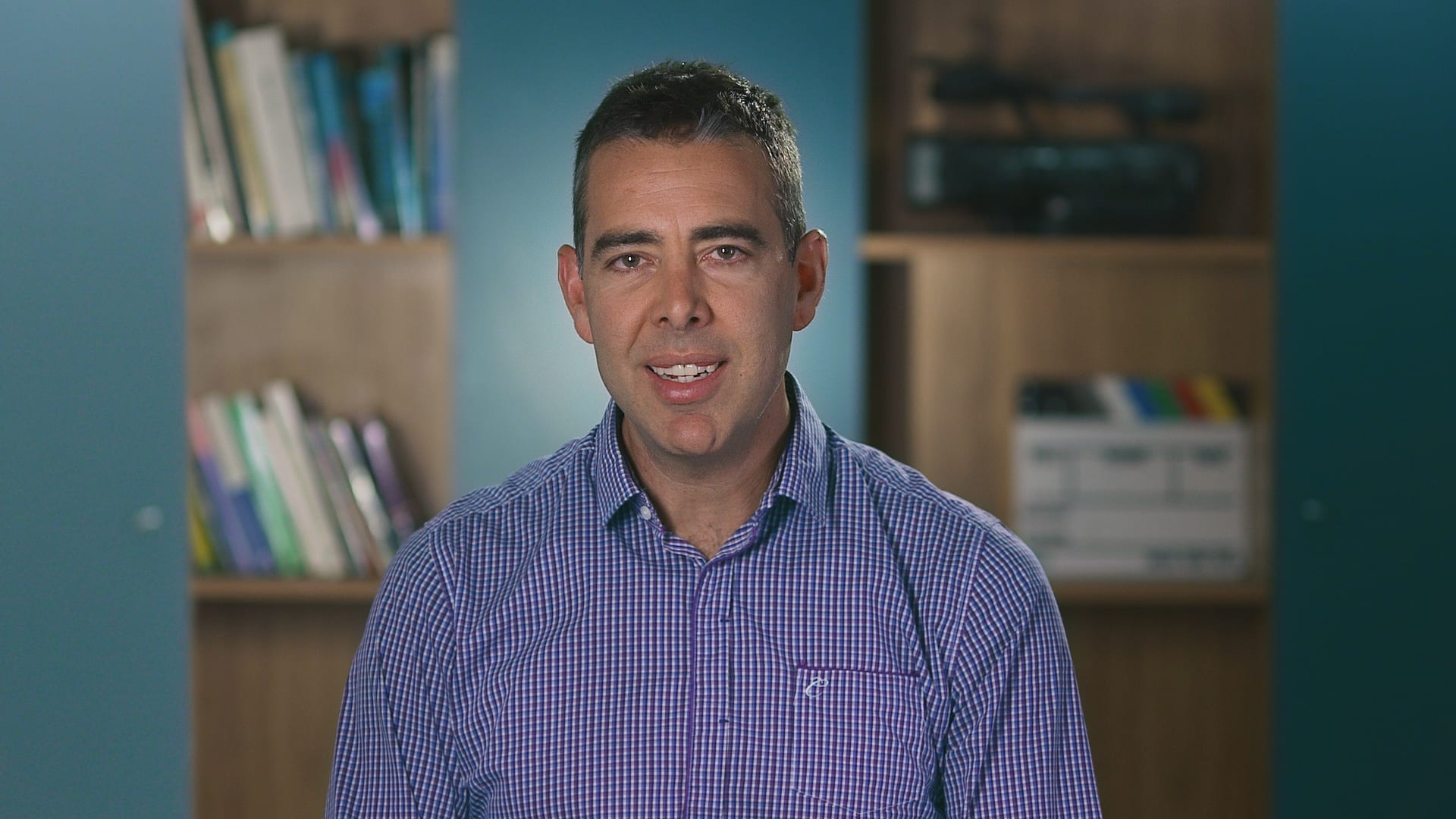
Ryan Spanger is the founder and managing director of Dream Engine, a Melbourne video production company established in 2002. Over the past two decades, he’s produced hundreds of videos for businesses, government departments, universities and healthcare organisations across Australia. Ryan specialises in helping organisations explain complex ideas through clear, engaging video content, with particular experience in corporate communications, training and education.