Tips for Planning and Producing a Corporate Video
A well planned corporate video can help you explain what you do, demonstrate value, and connect with the people you want to reach. After producing many projects for businesses and organisations across Melbourne, these are the principles that make the biggest difference.
Find the Story
Every corporate video needs structure. Even if the content is simple, the viewer should feel guided.
A basic structure could include:
- An introduction to the product, service, or idea
- What makes it useful or different
- How it solves a problem
- What the viewer should do next
Case study videos can take this further by showing a real experience or a human result. Demonstrations are also effective when you want to highlight practical benefits or help viewers understand how something works.
When the story is clear, the rest of the production becomes much easier.
Plan Ahead
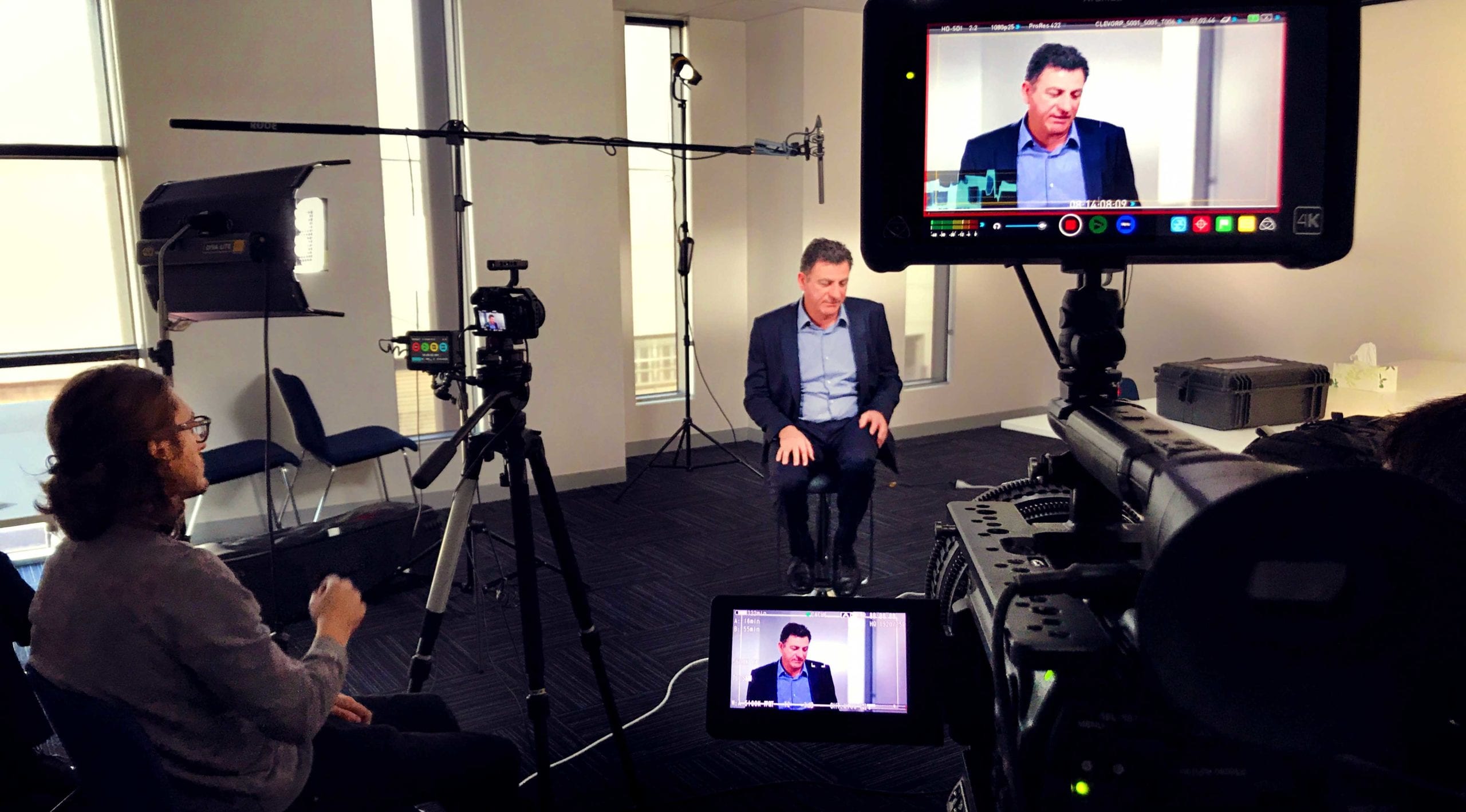
Corporate video production works best when the planning is thorough. This includes confirming locations, preparing interview subjects, checking equipment, and making sure everyone involved knows what to expect.
Before shooting day, it helps to:
- Confirm times, locations, and talent
- Provide simple wardrobe and appearance guidelines
- Share the call sheet
- Prepare a shot list so nothing is missed
- Develop a basic storyboard when the format requires one
Good planning avoids delays and keeps the day running smoothly.
Engage Your Audience
Viewers respond to clarity, confidence, and a relatable message. You can do this by introducing a question, a challenge, or a situation that the audience recognises, and then resolving it through the content of the video.
A few practical points:
- Use short, clear soundbites
- Choose interview subjects who know their material
- Help people relax on camera with a warm up conversation
- Keep the overall duration tight
If the video is aimed at a specialist audience, connect the expertise to common situations they understand.
Create a Look That Suits Your Business
Visual style shapes the viewer’s perception. Lighting, locations, camera movement, framing, sound, and colour all work together to create the right tone.
We tailor the look to match your brand. A financial firm needs a different feel from a retailer or a construction company. Colours, wardrobe, graphics, and locations all contribute to the identity of the final piece.
Professional production values show attention to detail and make the video more enjoyable to watch.

Release Your Video to the World
Distribution is as important as production. Publishing your video without a plan limits its impact.
YouTube remains a strong hosting option because it integrates with Google search. Your website, email list, LinkedIn, and other social channels all help extend the reach. When you share the video across multiple touchpoints, you create more opportunities for the right viewer to see it.
Launching your video with intention means more people watch it and understand what you can offer.
If you would like help planning and producing your corporate video, Dream Engine can guide you through the process and deliver a result that reflects your organisation clearly and professionally.
Frequently Asked Questions
How long should a corporate video be?
Most corporate videos work best in the one to three minute range. Recruitment pieces or brand stories sometimes run longer. The key is to keep the content focused so every moment supports the main message.
How much planning is needed before filming?
At minimum you should have a clear goal, an outline or script, confirmed locations, and a list of who will appear on camera. A call sheet and shot list help keep the day on track and reduce the risk of missed content.
What makes a good corporate interview?
A good interview is relaxed, clear, and specific. It helps to brief the interviewee, ask simple questions, and allow time for a warm up chat. Short, direct answers usually work better on screen than long speeches.
Do we need professional actors or can staff appear on camera?
Many corporate videos use real staff or clients, which can feel more authentic. In some cases, a presenter or professional voiceover is helpful. The best choice depends on your audience, your message, and how confident your team feels on camera.
How important is B-roll?
B-roll is essential. It covers edits in interviews, adds visual interest, and shows your organisation in context. Footage of people working, locations, products, and real interactions helps bring the story to life.
Where should we publish our corporate video?
Your website is usually the primary location. You can also share the video on YouTube, LinkedIn, internal platforms, and in email campaigns. The right mix depends on who you want to reach and how they prefer to receive information.
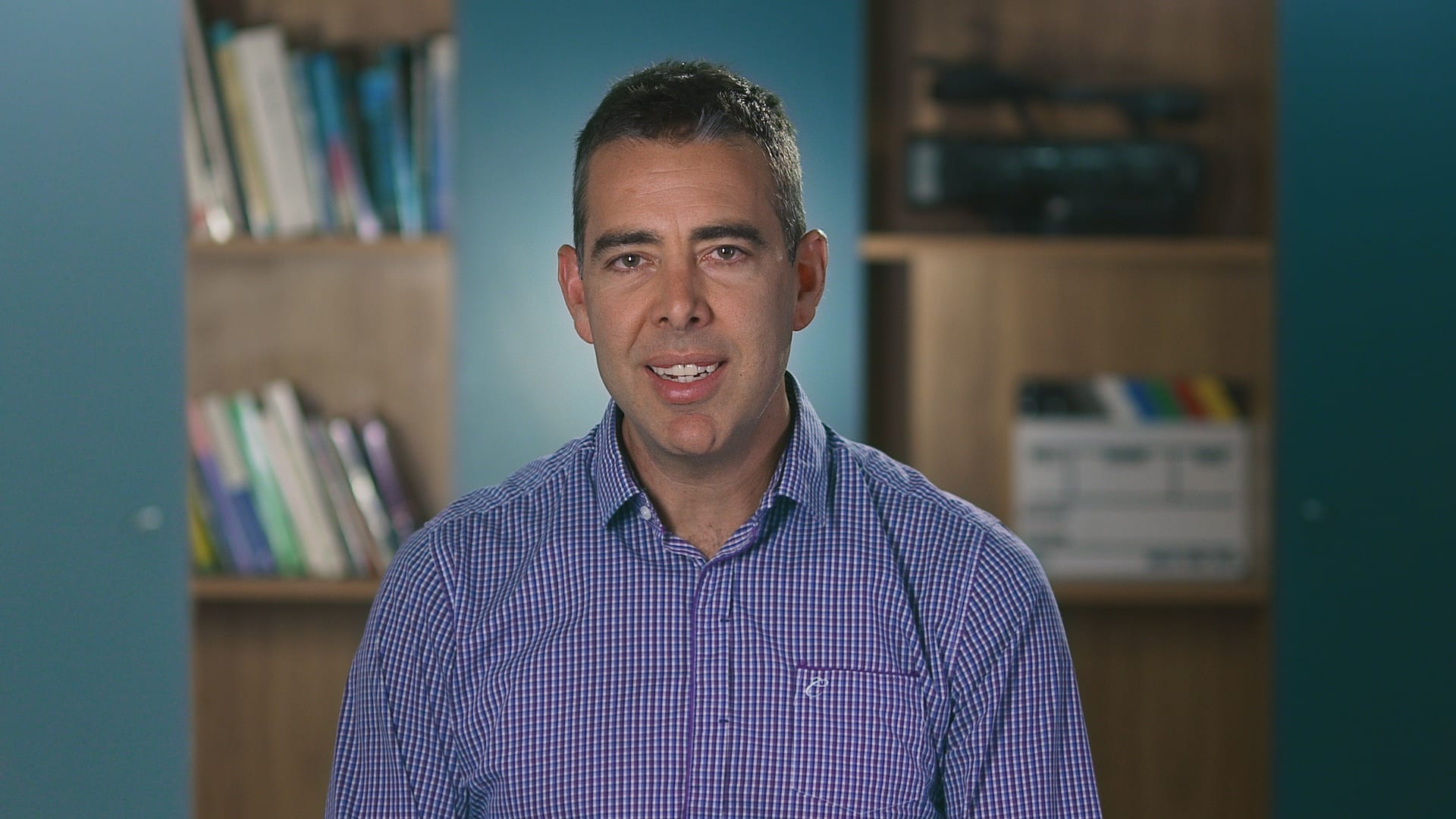
Ryan Spanger is the founder and managing director of Dream Engine, a Melbourne-based video production company established in 2002. With more than two decades of experience, Ryan has helped leading Australian businesses, government departments, and non-profits communicate their message with clarity and impact through video. He’s known for his strategic approach, reliable process, and commitment to producing videos that deliver measurable results.